REVIEW · TOKYO
Tokyo Walking Tour : Sumo, Sushi, Tea, Temples and Tokyo Tower
Book on Viator →Operated by Snow Monkey Resorts Tours (Machinovate Japan Ltd.) · Bookable on Viator
Sumo, sushi, tea, temples, and Tokyo Tower all in one day. This is the kind of itinerary that keeps you moving while still slowing down at the right moments. I especially like the real sumo training setting at Arashio Beya and the way the day mixes food with hands-on culture, not just photos.
I also like the built-in flow from Tsukiji Outer Market into Hama Rikyu Gardens, because it gives you a clear contrast: busy street food energy, then quiet garden time with a tea house experience. One consideration: the sumo stop depends on the stable’s schedule, and training can be canceled, especially during weeks with Grand Sumo Tournaments in January, May, and September.
In This Review
- What makes this tour worth your time
- Key points to know before you go
- Morning start: Arashio Beya sumo training up close
- Tsukiji Outer Market: sushi, street food, and a guided taste route
- Hama Rikyu Gardens: where tea turns a long day into a pause
- Zojoji Temple and sutra copying: calm focus instead of sightseeing blur
- Tokyo Tower: classic architecture with a view payoff
- Getting around: walking outdoors plus public transit
- Price and value: what $166.85 buys you
- Who should book this (and who might want a different plan)
- Should you book this Tokyo mix of sumo, tea, temples, and Tokyo Tower?
- FAQ
- How long is the Tokyo Walking Tour?
- Where does the tour start and end?
- Does the tour include Tokyo Tower tickets?
- Is food included?
- What’s included in the Hama Rikyu Gardens stop?
- What if Arashio Beya training isn’t happening?
What makes this tour worth your time
The tour is designed for variety, but it’s also practical. You’ll use public transport, walk outdoors for hours, and cover several neighborhoods without having to plan every transfer yourself. The group size stays small (up to 15), and the guide is an English speaker, which makes the whole day easier to follow—plus you can learn why these places matter, not just what they look like.
One more thing to know: food and drink aren’t included, so you’ll want to budget extra for lunches and snacks you’ll want after Tsukiji.
Key points to know before you go
- Arashio Beya sumo training can be amazing, but the schedule can change.
- Tsukiji Outer Market time includes guided sampling plus free time to explore and shop.
- Hama Rikyu Gardens tea house visit gives you a calmer break after market chaos.
- Zojoji Temple includes sutra copying, a quiet, hands-on cultural moment.
- Tokyo Tower observation deck ends the day with classic skyline views.
- Small group (max 15) and a local English-speaking guide keep things organized on foot.
You can also read our reviews of more tours and experiences in Tokyo.
Morning start: Arashio Beya sumo training up close
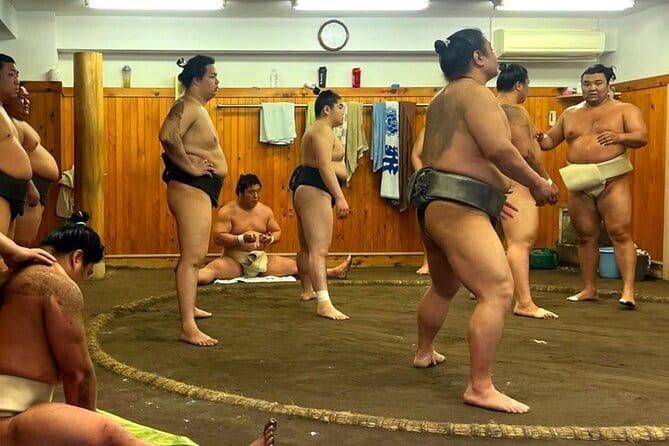
Your day starts early at Hamacho Station (8:15am) with a plan that makes sense: go see sumo first, before crowds and before the day gets scattered. The highlight here is that you’re not watching from a safe, distant “tourist spot.” You’re going to a traditional sumo training room where training is real and active, and the wrestlers can’t be interrupted.
That’s why I like this stop so much. It’s not just spectacle. Sumo is tradition, discipline, and routine—and seeing the training space tells you the sport is bigger than the tournament days. The timing also matters. Early in the morning, it’s easier to soak it in without your brain already being tired from walking.
The possible drawback is also the most important one: the sumo training schedule is subject to change. Sometimes there’s no training you can watch. During Grand Sumo Tournament weeks—January, May, and September—training can be closed, so the experience may be different than you hope. If sumo is your top priority, I’d treat this stop as a best-case highlight, not a guaranteed one.
What you’ll likely feel here: focused quiet. This isn’t a place to rush photos or talk loudly. If you’re the type who likes sports history and cultural context, you’ll get more out of it.
Tsukiji Outer Market: sushi, street food, and a guided taste route
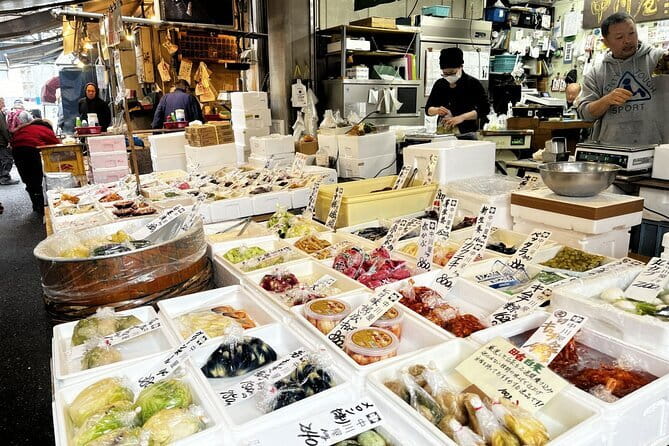
Next up is Tsukiji Outer Market, the area that still feels like a working food neighborhood. You’ll get a guided tour and also time to sample foods from what’s offered around the market. After the guided portion, you’ll have free time to explore at your pace, take pictures, and shop.
This stop works well for a few reasons. First, Tsukiji is one of those Tokyo places where food isn’t an afterthought—it’s the whole point. Second, having a guide helps you pick what to try without turning it into a guessing game. The tour also gives you breathing room, so you can shift from tasting mode to browsing mode when the line you want starts forming.
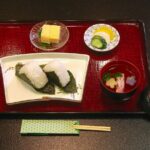
One practical heads-up: food and drink are not included. So while the tour sets you up for tasting and street food, you should expect to spend extra if you want a full lunch or multiple snack stops. I’d go in with an empty stomach and a little cash for the things you can’t resist.
If you’re traveling with someone who likes variety, Tsukiji is great because it’s not one single “meal.” It’s small bites, street snacks, and the kind of choices that make Tokyo feel different from home.
Hama Rikyu Gardens: where tea turns a long day into a pause

After the market energy, the itinerary shifts to Hama Rikyu Gardens. This is a smart move. Gardens are where you recover—visually and mentally—before the next cultural stops.
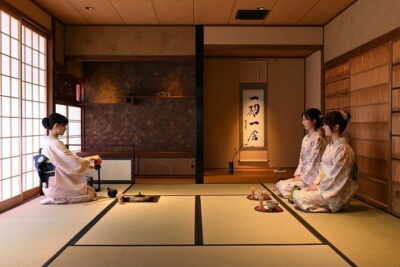
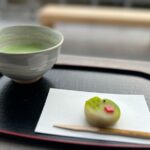
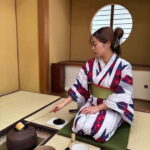
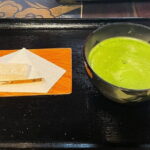
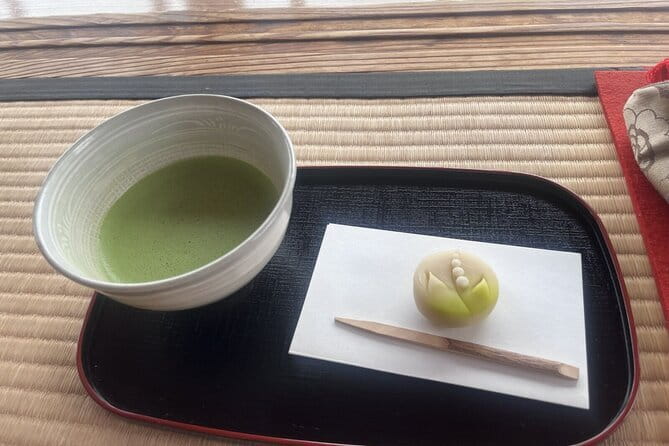
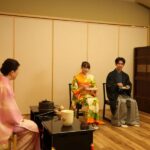
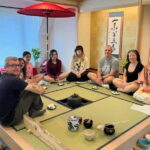
You’ll get a guided introduction to the garden’s history, then free time to enjoy the grounds. Later, the tour includes a tea and sweet experience in a tea house inside the garden. This part is more than a “sit down and drink tea” moment. It’s a break that slows your whole day down, which matters because you’ll be walking outdoors for hours.
I like this stop because it adds texture to the day. Tokyo can feel fast, and Hama Rikyu gives you the opposite rhythm. Also, gardens in Japan often teach you to pay attention to small details—the way water is framed, the flow of pathways, and the seasonal feeling you get from the space.
What could be a drawback? The tour is outdoors-heavy. If it’s hot, humid, or rainy on your day, you may want to plan accordingly—light layers, sun protection, or a compact rain layer. The tea house break helps, but the garden experience still involves walking.
If you’re the type who enjoys culture that’s not only in museums, this tea stop is one of the most relaxing parts of the whole route.
Zojoji Temple and sutra copying: calm focus instead of sightseeing blur
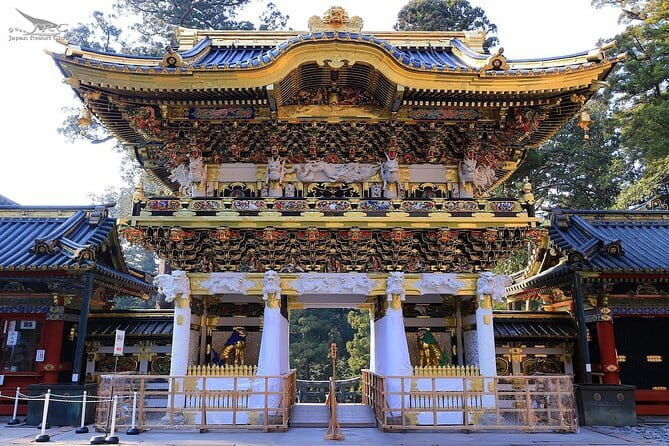
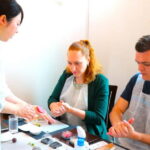
Then comes Zojoji Temple, a historic Buddhist complex and park area. You’ll tour the temple and learn some of its history. The tour also includes a sutra copying experience, which is exactly the kind of activity I think makes a guided day feel real.
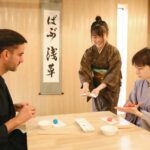
Here’s why the sutra copying matters: it forces you to slow down and concentrate. Whether you’re spiritual or not, this isn’t about convincing you of anything. It gives you a moment of peace and focus in the middle of a packed schedule. You’re doing something with your hands, not just watching another landmark.
Also, adding a temple stop with a hands-on component keeps the day from feeling like a checklist. Many tours hit famous spots, but don’t give you a way to participate. This one gives you a task, and that makes the memory stick longer.
One consideration is time and energy. By the time you reach Zojoji, you’ve already been walking since early morning. Sutra copying is usually not “hard,” but it is focused and seated. If you’re traveling with someone who gets impatient or uncomfortable sitting for a while, you’ll want to mentally prepare for that tone shift.

Tokyo Tower: classic architecture with a view payoff
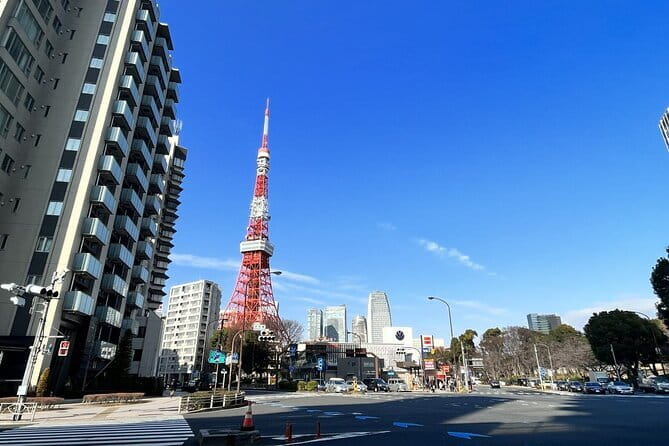
Tokyo Tower is the last major stop, and it functions like the day’s big exhale. You’ll visit the tower and enjoy the sights from the observation deck, plus time to take in the retro feel of the tower’s architecture.
This ending works because you’re not just finishing with another temple or market. You end with a skyline perspective—the kind of view that helps your brain connect all the neighborhoods you walked through.
If you’re planning photos, I’d go into this stop with a simple goal: get your bearings and capture the tower against the city. Observation decks are crowded at peak times in general, so a calm mindset helps. Since this is the final stop, you may be ready for the change from walking to standing and looking.
Also, the tower ticket is included, so you’re not scrambling to buy entry at the end of a long day.
Getting around: walking outdoors plus public transit

This tour doesn’t use a private vehicle. That’s part of the authenticity and also part of the planning you don’t have to do. You’ll transfer by public transport and walk outdoors for several hours.
The value of this approach is you see more of Tokyo’s everyday movement rather than being driven between stops. The downside is obvious: you’ll need comfortable shoes and you’ll be exposed to weather.
The tour includes the train fee from Ningyocho Station to Tsukiji Station, but trains and transport before and after the tour aren’t included. So build your day around the meeting at Hamacho Station and the finish at Akabanebashi Station. Your guide can help with questions for transport back to your hotel or onward plans, but the tour’s “included” transit is only that one segment.
For timing, plan to treat this as an 8-hour-plus day, not a casual stroll. Start strong, take the tea break seriously, and use the free time at Tsukiji and in the gardens wisely.
Price and value: what $166.85 buys you
At $166.85 per person, this tour is priced like a day of paid entry and guided experiences, not like a budget walking tour. The good news is that several costs are already handled for you:
- Tokyo Tower observation deck ticket
- Hama Rikyu Gardens admission
- Hama Rikyu tea house tea and sweets experience
- Sutra copying experience fee
- Arashio Beya training admission (presented as a ticket free entry in the schedule)
- Local English-speaking guide
- A key train segment fee (Ningyocho to Tsukiji)
Food and drink aren’t included, so your total day spend will depend on how much you eat at Tsukiji and where you land for lunch/snacks. But if you’re trying to avoid paying for multiple attractions separately, you’ll probably feel the value.
Another value point is the pacing and order. By combining food, garden quiet, temple calm, and tower views, you’re not just checking boxes. You’re experiencing different Tokyo “moods” in one run, and the guide helps connect the dots in plain language.
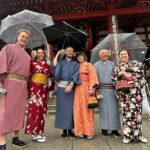
Finally, the group size matters. Up to 15 people is small enough for a guide to keep things moving, while still letting you look around without feeling rushed constantly. That’s where quality guides shine—like Jade, who was noted for blending personal anecdotes with Japanese history and making the day feel smoother and more meaningful.
Who should book this (and who might want a different plan)
This tour is a strong fit if you want a single-day Tokyo overview with real culture stops. It’s especially good for people who enjoy:
- food experiences with guidance
- hands-on moments like sutra copying
- historic temples and garden time
- classic city views from an observation deck
It may not be your best choice if sumo is the only thing you care about. Because training can be canceled or closed during certain tournament weeks, you should be comfortable with the idea that the sumo stop could be limited. It’s also not ideal if you hate walking outdoors for hours.
Most travelers can participate, but comfortable shoes and a flexible attitude about weather and schedules will make the day enjoyable.
Should you book this Tokyo mix of sumo, tea, temples, and Tokyo Tower?
If you want one organized day that covers sumo, market food, garden calm, temple culture, and a big skyline finale, I’d book it. The included tickets and guided pieces reduce decision fatigue, and the schedule is built to balance lively areas with quieter stops.
If you’re traveling during January, May, or September, or if you’re coming specifically for guaranteed sumo practice, keep your expectations flexible. For everyone else, this is a practical way to experience Tokyo beyond a single neighborhood—and it ends with a view that helps the whole day click into place.
FAQ
How long is the Tokyo Walking Tour?
It runs about 8 hours 15 minutes.
Where does the tour start and end?
It starts at Hamacho Station (8:15am) and ends at nearby Akabanebashi Station.
Does the tour include Tokyo Tower tickets?
Yes. The Tokyo Tower observation deck ticket is included.
Is food included?
No. Food and drink are not included, so you’ll want to budget for what you choose at Tsukiji and during breaks.
What’s included in the Hama Rikyu Gardens stop?
You get admission to Hamarikyu Gardens, a guided introduction, and a tea house experience with tea and sweets.
What if Arashio Beya training isn’t happening?
The sumo schedule can change, and sometimes training won’t be available. Grand Sumo Tournament weeks can also affect the training schedule, especially in January, May, and September.