REVIEW · KYOTO
Sencha-do the Japanese Tea Ceremony Workshop in Kyoto
Book on Viator →Operated by 煎茶道体験 · Bookable on Viator
Brew your own sencha in Kyoto. This hands-on Sencha-do workshop lets you touch the tools and learn how to prepare sencha from scratch, led by a master from the Higashi Abe school. I also like that you finish with your own freshly made sencha, paired with wagashi.
One possible drawback: the meeting spot can be a little tricky to find from directions alone, so I’d plan extra buffer time to locate 東阿部流(雅翠庵) before your start.
In This Review
- Key highlights worth planning for
- Kyoto’s Sencha-do Workshop: A Calm Counterpoint to Temple Touring
- Where You Go in Kyoto: 東阿部流(雅翠庵)Meeting Point
- What Happens During the 90 Minutes: Demo, Practice, and Your Own Cup
- The Demo First: Seeing Sencha Techniques Before You Touch Anything
- Hands-On Brewing: Touching the Utensils and Learning the Real Process
- Sencha Flavor and the Sweet Pairing: Wagashi After Your Brew
- Photos Welcome, But Keep It Respectful
- Price and Value: Why $107.45 Can Be Fair in Kyoto
- Who This Workshop Is Best For
- Practical Tips: Getting Ready, Showing Up, and Succeeding
- Should You Book Sencha-do in Kyoto?
- FAQ
- How long is the Sencha-do Japanese Tea Ceremony Workshop?
- Is this a hands-on tea ceremony workshop?
- What’s included in the price?
- How many people are in the group?
- Where is the meeting point?
- Are service animals allowed?
- What happens if the experience can’t run due to weather or minimum numbers?
Key highlights worth planning for
- Small group (max 4 travelers), so you get real step-by-step attention
- Hands-on utensils: you don’t just watch, you learn the motions yourself
- Higashi Abe school master instruction, with gentle, careful teaching
- Sencha focus, not matcha-only tea culture
- Photo-friendly experience, so you can capture the process and the tools
- Sencha + wagashi tasting, so you get the full flavor picture, not just the lesson
Kyoto’s Sencha-do Workshop: A Calm Counterpoint to Temple Touring
Kyoto already gives you plenty of quiet beauty—temples, gardens, narrow lanes. This experience adds a different kind of calm: a structured, respectful tea practice where your attention slows down and your senses wake up.
I like that the workshop is built around senchado, a Japanese tea ceremony that uses sencha tea leaves. Most people arrive knowing matcha, but here you learn a different way of brewing, serving, and appreciating steamed leaves, with techniques that matter as much as taste.
The workshop runs about 1 hour 30 minutes. That’s long enough to learn the flow and make something yourself, but not so long that it turns into a full afternoon commitment when you’re juggling sightseeing.
You can also read our reviews of more tours and experiences in Kyoto.
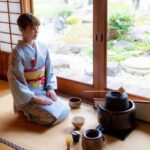
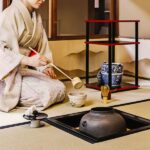
Where You Go in Kyoto: 東阿部流(雅翠庵)Meeting Point
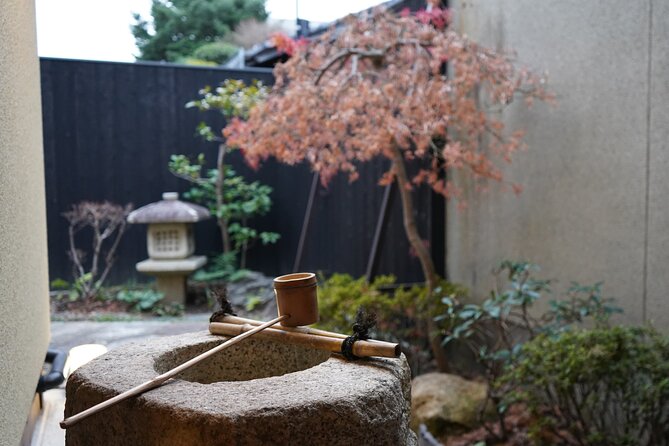
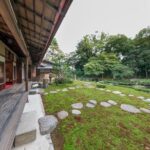
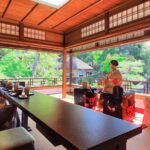
You’ll meet at 東阿部流(雅翠庵), Kyoto—Kamigyo Ward (Toriimaechō). The full address listed is 〒602-8393 Kyoto, Kamigyo Ward, Toriimaechō, 668番12.
Two practical notes help a lot. First, this activity is described as near public transportation, so you can plan your route without needing private transport. Second, even though the studio is often found easily, at least some visitors say the directions aren’t always perfect—so I’d save your map route and arrive early.
If you’re combining it with a day around Kitano (people often pair it with that area), keep in mind that this is a smaller, more “local” stop than a big landmark. Give yourself time to find the exact entrance before class starts.
What Happens During the 90 Minutes: Demo, Practice, and Your Own Cup
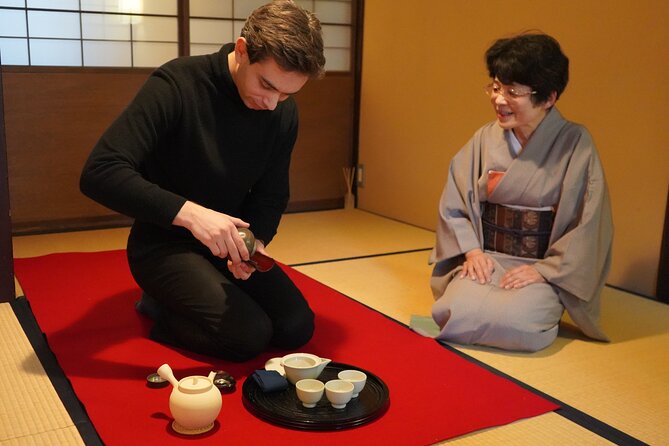
The experience flow is simple on paper, and detailed in practice:
1) A sencha tea ceremony demonstration
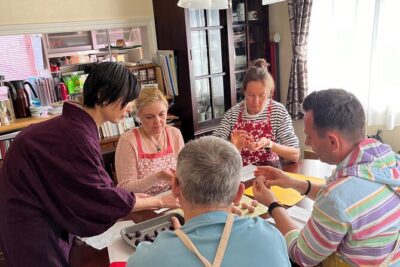
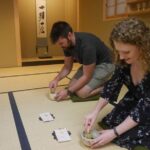
2) A guided hands-on lesson where you learn how to prepare and serve sencha
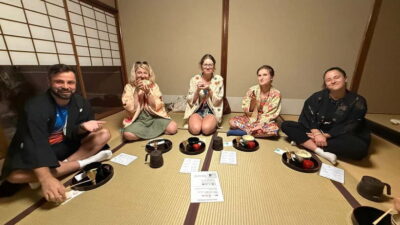
3) You enjoy your freshly made sencha tea with wagashi (Japanese sweets)
What makes this format work is the pacing. You get a clear model first, then you repeat the process with guidance. That matters because senchado isn’t just about pouring water—it’s about timing, handling the utensils correctly, and serving with intention.
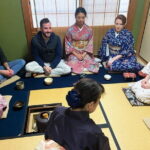
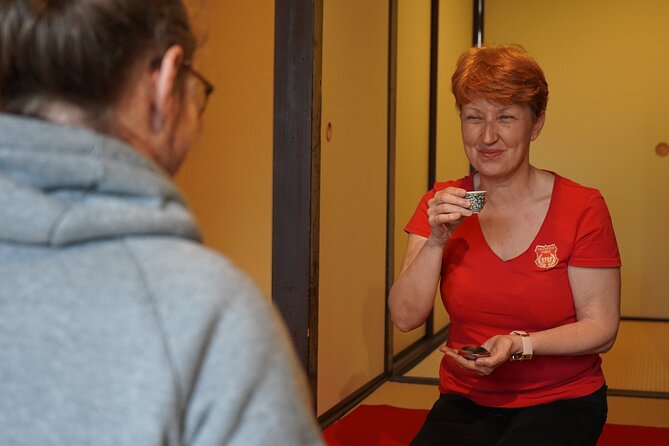
Also, the workshop is set up for a maximum of 4 travelers. That small group size is a big deal here. It turns the session from a general overview into a “you can actually do this” class, with fewer distractions and more direct coaching.
The Demo First: Seeing Sencha Techniques Before You Touch Anything
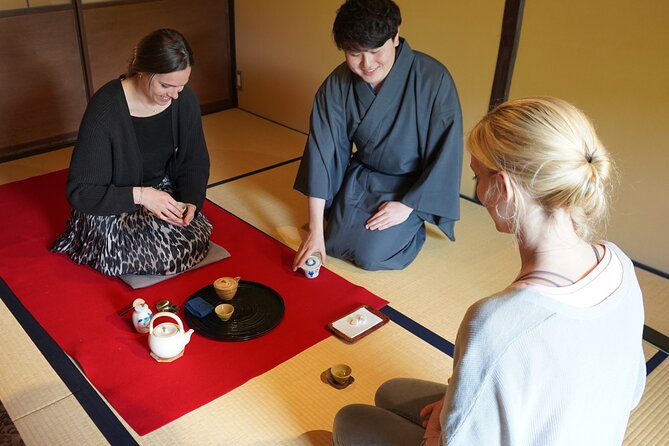
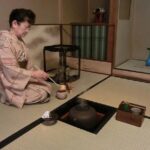
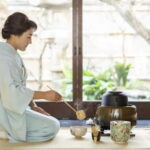
You start by watching a senchado ceremony demonstration. In a lot of tea experiences, you’re stuck as an observer. Here, the demonstration acts like your training video—but in real life, with an expert showing you how each part connects.
During the demo, you’ll see the movement and order of steps that make sencha brewing feel so precise. Senchado is described as ritualistic and refined, with attention to careful brewing and the presentation of the tea.
I like that the demonstration isn’t treated like a performance you can ignore. You’re learning what you’re about to do. That means your eyes naturally look for details—how the utensil is handled, when things happen, and how the host communicates the purpose behind each action.
Hands-On Brewing: Touching the Utensils and Learning the Real Process
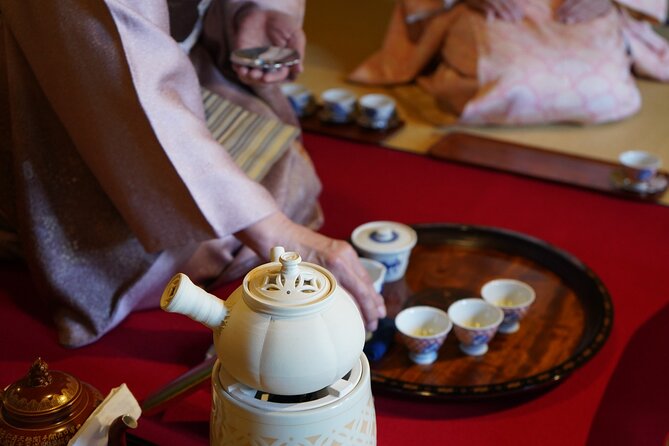
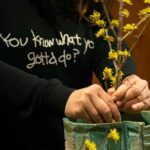
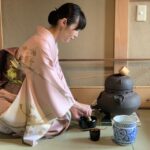
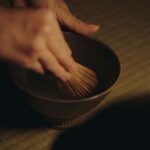
Here’s the headline difference: in most tea ceremony workshops, you usually aren’t allowed to handle tea utensils. In this one, you can. You get to touch the tools and learn the process from scratch, under gentle supervision.
That “you do it” approach is why people rave about the hands-on aspect. It turns tea culture into a skill, not just a sight. And when your hands learn the basics, the flavors make more sense afterward.
The instruction is led by a master of the Higashi Abe school. The teaching style is described as patient and respectful of tradition. That combination matters—tea ceremony can feel intimidating if you don’t know what you’re doing. A careful teacher helps you focus on doing the steps correctly rather than worrying about doing everything perfectly.
You’ll also learn the serving flow, not just brewing. In other words, you practice how to prepare sencha and how to serve it as part of the ceremony, which is half the point of senchado.
Sencha Flavor and the Sweet Pairing: Wagashi After Your Brew
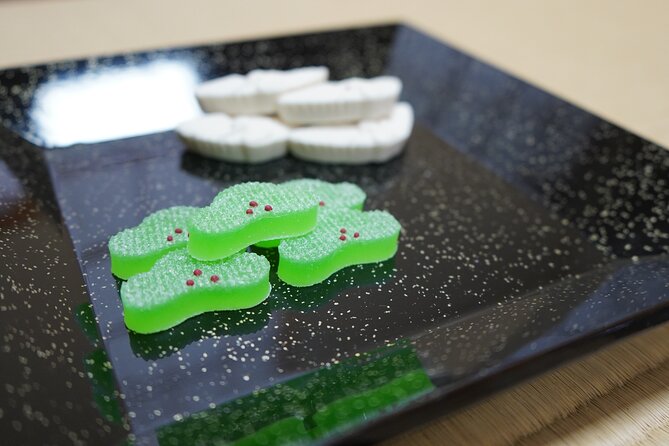
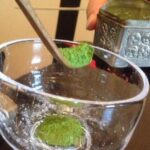
After you practice, you get to enjoy your freshly made sencha tea with wagashi. This is a smart finishing move. Tea without a bite can feel one-note. The sweetness and texture of wagashi help you notice changes in aroma and taste you might otherwise miss.
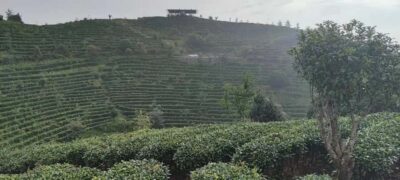
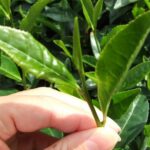
You’ll also learn what makes senchado distinct. It uses steamed sencha tea leaves, and the process is built around bringing out character from those leaves. People often compare it to matcha, and here’s the useful takeaway: sencha is a different tea experience from the matcha most visitors already know.
Some participants specifically describe the taste as sweet and flavorful. Even if your palate reads it differently, the structure of senchado and the wagashi pairing set you up for a satisfying, not-too-complicated payoff.
Photos Welcome, But Keep It Respectful
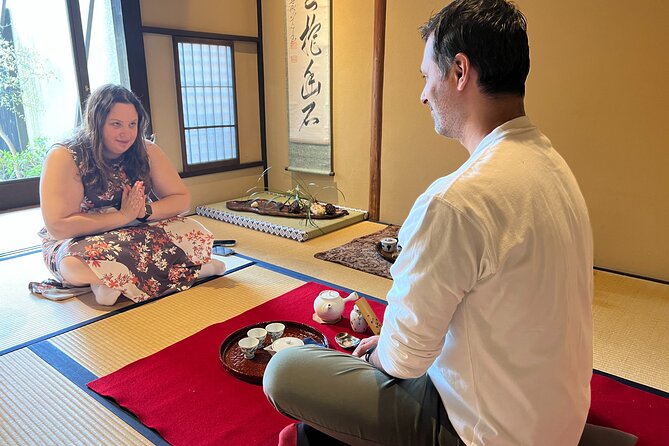
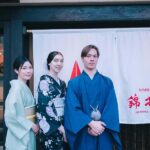
You’re welcome to take as many pictures as you like. That’s great for documenting the utensils, the setup, and the steps you learn—especially since this is such a process-heavy experience.
Still, take the photos with the rhythm of the room. Senchado is built on calm, attention, and respectful handling. Quick shots before you start a step—or while the demonstration pauses—tend to work best.
If you’re traveling with family or bringing kids, picture-taking can help turn the session into a shared memory. Just plan to keep both hands ready for the moment when it’s your turn to practice.
Price and Value: Why $107.45 Can Be Fair in Kyoto
At $107.45 per person, this isn’t a budget stop. But it’s also not a vague “tea tasting with a brochure talk.” You’re paying for:
- a small group format (max 4),
- hands-on utensil practice,
- instruction from a master of a specific school (Higashi Abe),
- and the included green tea + wagashi.
The value gets better when you compare it to experiences that only let you watch. Here, you actively learn the motions and the serving approach, which you can carry home and recognize later when you see other tea practices.
It’s about 1 hour 30 minutes, so it also fits into a Kyoto day without replacing an entire afternoon of sightseeing.
Who This Workshop Is Best For
This is one of those experiences that works across travel styles.
Couples often like it because it’s quiet and structured—an activity that feels intimate without being awkward. You get time together without competing with crowds.
Solo travelers benefit from the small group size. With only a few people, you’re more likely to get personal guidance rather than feeling like part of a line.
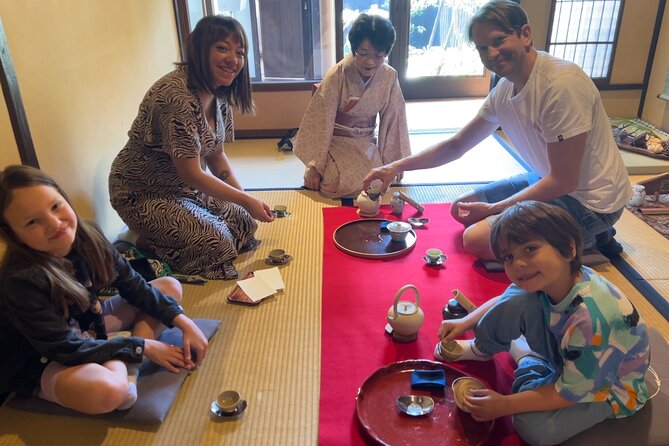
Families can do well here too. The atmosphere is described as welcoming and step-by-step, and kids can enjoy the hands-on aspect when the teacher guides them through what each utensil is for.
If you want a cultural experience but you don’t love long lectures, this hits a sweet spot: history and context are shared while you’re actively doing the ceremony.
Practical Tips: Getting Ready, Showing Up, and Succeeding
A few practical habits will make your session smoother.
Plan on arriving a few minutes early at the address: 東阿部流(雅翠庵), Toriimaechō. Some people find the location easily, but others had trouble from instructions alone, so you’ll thank yourself for extra time.
Wear clothing that lets you sit comfortably and move your hands naturally. Tea ceremony involves careful handling—if you’re worried about your sleeves, you’ll feel rushed.
When it comes to the learning itself, don’t try to memorize everything at once. Focus on one step at a time. The teacher’s job is to guide you gently through the flow, and the small group size supports that.
Finally, remember that this is senchado, not matcha-only. If you’ve only had matcha before, think of this as a chance to learn a different foundation of Japanese tea culture.
Should You Book Sencha-do in Kyoto?
Book it if you want more than a quick cultural stop. I’d choose this workshop when you want hands-on learning, small-group attention, and a guided way to understand sencha brewing and serving.
Skip it or reconsider if you dislike structured activities. This isn’t a casual tea café visit—it’s a formal, ritual-driven lesson where you follow steps in a specific order.
One last decision helper: if you’re the kind of traveler who likes doing one meaningful thing deeply in a day rather than collecting ten shallow highlights, this fits your style. For $107.45, you’re buying a skill, not just a cup.
FAQ
How long is the Sencha-do Japanese Tea Ceremony Workshop?
The workshop lasts about 1 hour 30 minutes.
Is this a hands-on tea ceremony workshop?
Yes. You learn by participating, and you can touch the utensils as you prepare and serve sencha tea under the instructor’s guidance.
What’s included in the price?
Green tea and Japanese sweets (wagashi) are included.
How many people are in the group?
The maximum group size is 4 travelers.
Where is the meeting point?
The meeting point is 東阿部流(雅翠庵), 〒602-8393 Kyoto, Kamigyo Ward, Toriimaechō, 668番12.
Are service animals allowed?
Yes, service animals are allowed.
What happens if the experience can’t run due to weather or minimum numbers?
The experience requires good weather. If it’s canceled due to poor weather, you’ll be offered a different date or a full refund. It may also require a minimum number of travelers, and if that isn’t met you’ll be offered a different date/experience or a full refund.