REVIEW · BUNKYO CITY
Tokyo: Tea Ceremony & Japanese Traditional Sweets
Book on GetYourGuide →Operated by Local Guide Stars · Bookable on GetYourGuide
A quiet ritual beats another photo stop. This Tokyo tea ceremony is hands-on, small-group, and focused on learning matcha and making nerikiri sweets.
I especially like that you get instruction from a tea master with over 10 years of experience, not just a performance. I also like the pacing: you watch the otemae flow, then you try whisking and crafting your own seasonal confection. A possible drawback is that it’s English-only, so if you want Japanese language support, you’ll need to look elsewhere.
You’ll meet near Hakusan Station and spend about an hour in a calm, structured session that feels like it belongs to everyday Japanese culture—not a rushed show. The group stays limited to 10 participants, which matters because the hands-on parts need time and attention. If you’re very time-crunched, know that this is a tight 60 minutes, so build in a little buffer for walking from the station.
In This Review
- Key Points to Know Before You Go
- Tokyo Tea Ceremony Near Hakusan Station: The Setting That Helps You Slow Down
- Your 60-Minute Plan: Matcha Ceremony + Nerikiri Workshop
- Tea Master Instruction in English: How the Teaching Works for First-Timers
- Watching Otemae Like You Know What’s Going On
- Whisking Your Own Matcha: What You Should Pay Attention To
- Nerikiri Workshop: Seasonal Japanese Sweets Made by You
- Price and Value: Is $27 for 1 Hour Worth It?
- Who Should Book This Tea Ceremony (and Who Might Skip It)
- Getting There and What to Bring (So You Don’t Waste Your Hour)
- Should You Book This Tokyo Tea Ceremony and Nerikiri Class?
- FAQ
- How long is the Tokyo tea ceremony experience?
- How much does it cost per person?
- Where is the meeting point?
- Is the tour offered in English?
- What will I make during the class?
- Is this a small group experience?
- What should I wear?
- Is there free cancellation?
- Is the experience wheelchair accessible?
Key Points to Know Before You Go
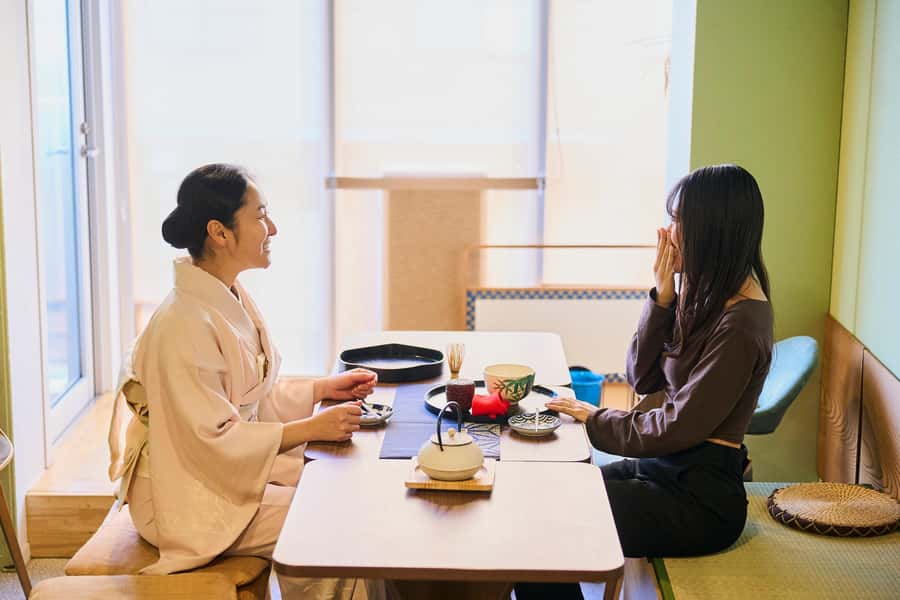
- Matcha + nerikiri, hands-on: you do the whisking and the sweet-making, not just observe.
- Otemae demonstration first: you see the ritual in motion before you try it yourself.
- Expert instruction in English: clear explanations from an experienced host support first-timers.
- Tea master with 10+ years: you’re learning from someone trained to teach, not just perform.
- Small group capped at 10: more chances to get help when your technique gets wobbly.
Tokyo Tea Ceremony Near Hakusan Station: The Setting That Helps You Slow Down
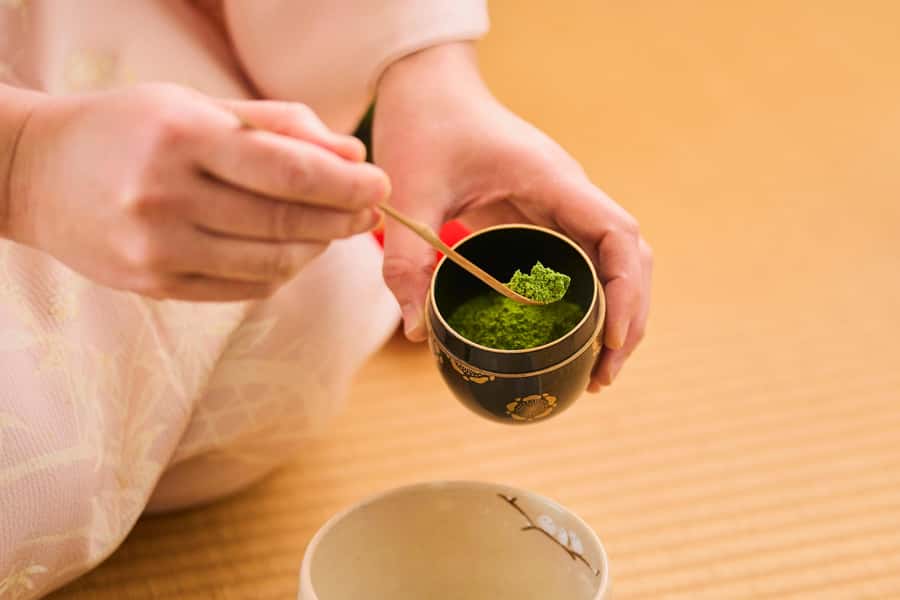
This experience is scheduled as a short reset in the middle of Tokyo’s constant motion. You’re meeting about a 5-minute walk from Toei Mita Line Hakusan Station, which is great because it keeps the logistics simple and the energy low. The address is on the 2nd floor: Phil Park Hakusan Hills, 1-26-17 Hakusan, Bunkyo-ku, Tokyo. (Go to the 2nd floor as shown on Google Maps.)
Why that matters: a tea ceremony works best when you’re not sprinting. The whole event is designed to slow your pace—first with the otemae demonstration and then with your own bowls of matcha and nerikiri. That structure makes it easier to actually learn the steps instead of just collecting souvenirs.
Also, the format is accessible for different travelers. The tour is listed as wheelchair accessible, and the session is kept to about an hour, which helps if you’re planning the rest of your day tightly.
Your 60-Minute Plan: Matcha Ceremony + Nerikiri Workshop
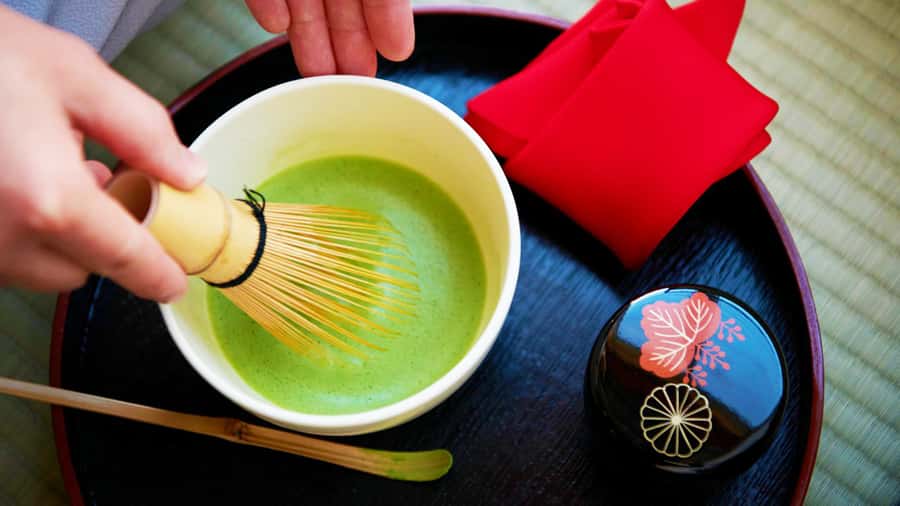
Think of this as one compact lesson with two big outputs: matcha and seasonal sweets.
Here’s how the hour typically flows:
You start with an overview and then move into the demonstration portion. The tea master shows the otemae—the graceful, step-by-step preparation—so you can see the rhythm, how tools are used, and how the presentation is built. It’s not just about aesthetics; seeing the steps in sequence helps you reproduce them later.
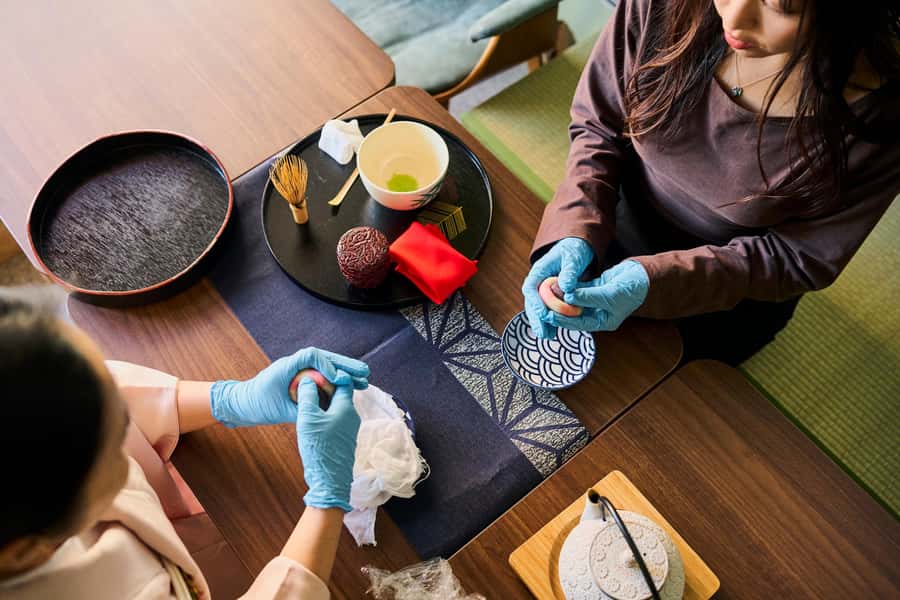
Then you shift into the hands-on stage. You prepare and whisk your own matcha to taste the difference between a normal drink and the thicker, more nuanced bowl you get from proper preparation. After that, you make nerikiri, a Japanese confection shaped and decorated to reflect the seasons—vivid colors, delicate forms, and motifs tied to what’s in season.
Finally, you pair your handmade nerikiri with freshly prepared matcha. That last pairing is more important than it sounds: sweet texture and flavor are part of how the tea ceremony is meant to be experienced.
Tea Master Instruction in English: How the Teaching Works for First-Timers
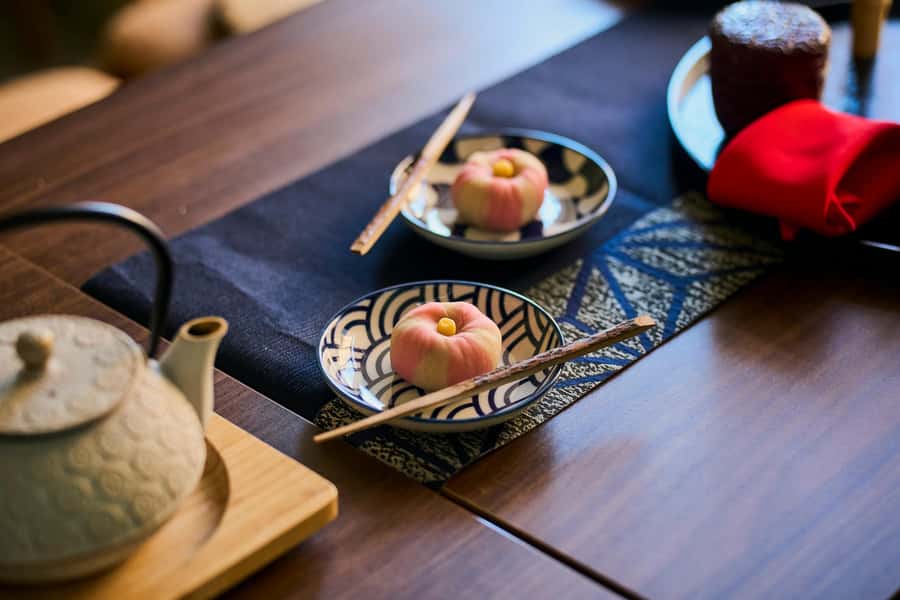
One of the best value parts of this experience is how you’re supported. The session is conducted in English only, and it’s guided by a tea master (with over 10 years of experience) plus an expert host who provides clear explanations.
That combination is the difference between watching something beautiful and actually understanding it. When you’re learning something tactile—whisking, measuring, shaping sweets—you need quick corrections and plain-language guidance.
The group size helps here too. With a maximum of 10 participants, you’re more likely to get specific feedback rather than general tips called out to everyone. For your brain, that matters: you’re not guessing how to fix your technique while everyone else moves on.
Watching Otemae Like You Know What’s Going On
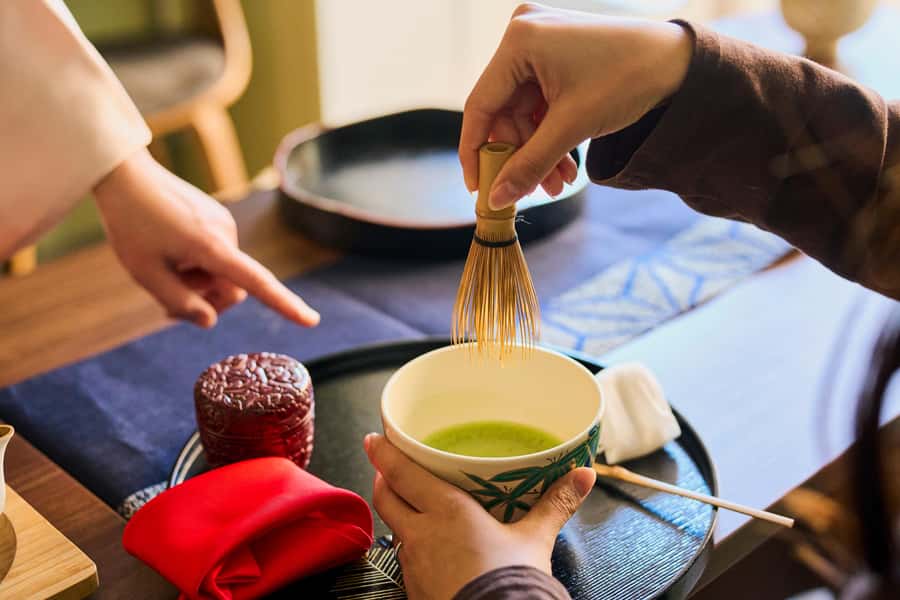
The otemae demonstration is often the part people picture when they hear tea ceremony. What I like about how this experience uses it is that it comes before you do anything complicated yourself.
In the demo, you can watch how each action fits the next one. The tea master’s movements show how the session is meant to feel—controlled, deliberate, and calm. And because it’s paired with English explanations, you’re not just admiring motion; you’re picking up what the steps are for.
A practical tip: during the demonstration, focus on sequence over perfection. You don’t need to memorize every step. Instead, look for the flow—what comes first, what changes, and what the goal seems to be. Then, when it’s your turn, you’ll remember the “shape” of the process even if your exact technique differs.
Whisking Your Own Matcha: What You Should Pay Attention To
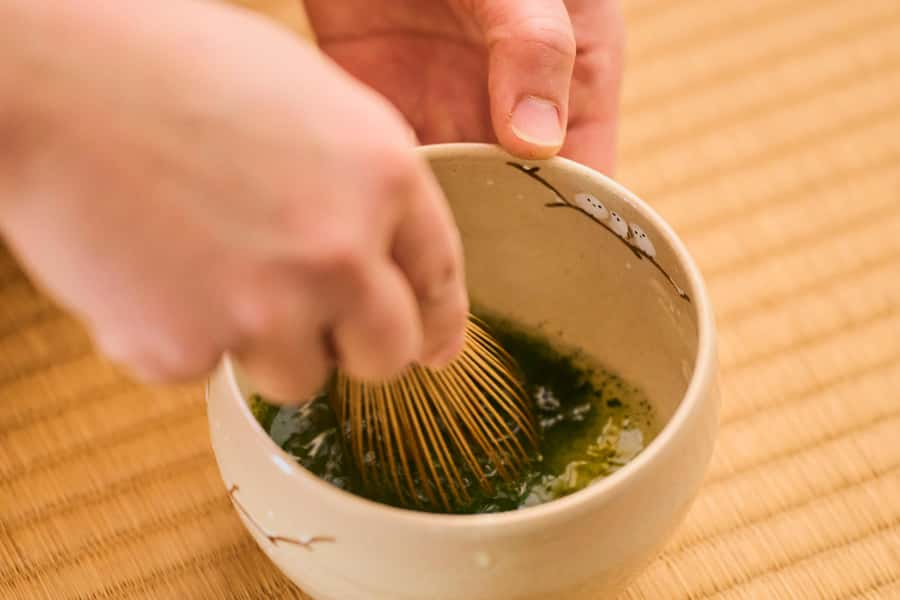
The hands-on matcha portion is the moment the experience stops being passive. You’ll try whisking your own bowl so you can taste the result of what you learned.
Matcha preparation is simple in concept—whisk and drink—but the details change the experience. Here’s what to pay attention to so you get the most out of your one hour:
- Watch the way the tea master prepares the bowl before you start.
- During your turn, aim for consistency rather than speed.
- Use the taste as your feedback. If it’s not how you expected, that’s your cue to ask for a quick adjustment.
Why it’s worth doing yourself: matcha has a strong flavor, and it can feel intense if it’s not prepared well. When you whisk it properly, you get a smoother, richer experience. That’s the kind of result you’ll remember longer than any still photo.
From the tone of the feedback people gave about the experience, the matcha tasting becomes a calm payoff—especially if you’re in Tokyo trying to find a break from busy streets.
Nerikiri Workshop: Seasonal Japanese Sweets Made by You
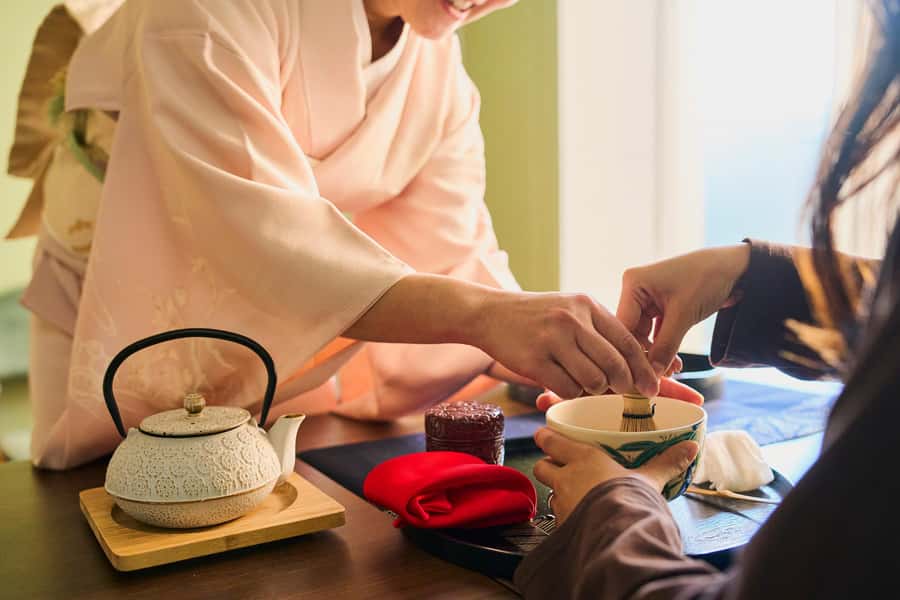
Then comes the nerikiri. This is where the tea ceremony expands from drink-making into edible art.
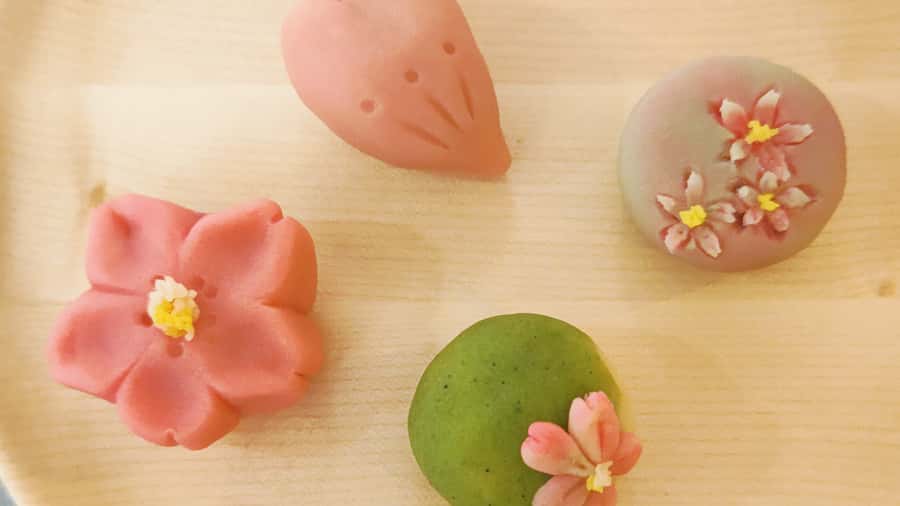
Nerikiri is described as a seasonal Japanese confection crafted with vibrant colors and delicate shapes that reflect the changing seasons—think seasonal flowers and motifs, translated into confection form. In this class, you don’t just receive nerikiri; you make it.
So what should you do with your limited time? Treat it like a craft lesson, not a performance.
- Keep your focus on the shapes and details the sweet is meant to represent.
- Expect that your first attempt won’t look like a shop display—and that’s normal.
- Use the guidance to learn the technique, then let your hands do the work.
The pairing is the payoff. After you’ve made your nerikiri, you enjoy it alongside freshly prepared matcha. That pairing teaches you something practical: sweetness texture and matcha bitterness/savoriness are meant to balance each other, so the taste experience is part of the training.
Price and Value: Is $27 for 1 Hour Worth It?
At $27 per person for about 1 hour, this is priced like a focused workshop rather than a broad sightseeing package. That’s exactly how it feels, because you’re paying for three specific things:
- live instruction from a tea master with 10+ years of experience
- hands-on preparation of matcha
- hands-on crafting of traditional sweets (nerikiri)
The small-group cap at 10 is also part of the value. In busy Tokyo, cheaper experiences sometimes turn into “watching with no interaction.” Here, the interaction is built into the format—whisking and shaping take time, and the group size helps you actually do it.
If your priority is authentic, tactile culture learning in a short window, this is strong value. If your priority is maximizing sightseeing variety in one go, then you might consider a different kind of tour that covers more ground. But for a calm, structured cultural class, the price-to-experience ratio is the point.
Who Should Book This Tea Ceremony (and Who Might Skip It)
This works best if you:
- want a calm break from Tokyo’s crowds
- like hands-on learning more than passive watching
- enjoy traditional Japanese sweets and want to understand them through making
- prefer an English-only experience with clear explanations
You might skip it if:
- you’re looking for a long, multi-location tour
- you want Japanese language support
- you don’t like workshops and would rather only observe
The sweet spot is first-timers. The experience is designed to be accessible even if you’ve never done a tea ceremony before, because the demonstration + guidance flow is structured for learning.
Getting There and What to Bring (So You Don’t Waste Your Hour)
This is simple to plan, which I appreciate. Plan to arrive near Hakusan Station, then walk about 5 minutes to the meeting point. Go to the 2nd floor at Phil Park Hakusan Hills (as shown on Google Maps).
What to bring is also easy: comfortable clothes. Since you’ll be sitting and working with sweets tools and matcha preparation, comfort helps you stay relaxed. If you’re wearing anything restrictive, loosen the fit. You’ll do better with calmer hands.
If you’re pairing this with other Tokyo activities, give yourself a little buffer time for finding the building and getting settled. Since the total time is 1 hour, you don’t want to feel rushed right at the start.
Should You Book This Tokyo Tea Ceremony and Nerikiri Class?
If you want a short, authentic Japanese experience that teaches you how matcha is prepared and how seasonal nerikiri is shaped, I think this is an excellent booking. The combination of a tea master with 10+ years experience, an English-speaking host, and a small group of 10 keeps it practical and learnable.
Book it if you like calm cultural moments and you’re willing to participate. Skip it if you want a sightseeing “hit list” or if you need Japanese-language support, because the session is English only.
FAQ
How long is the Tokyo tea ceremony experience?
It lasts 1 hour.
How much does it cost per person?
The price is $27 per person.
Where is the meeting point?
It’s about a 5-minute walk from Toei Mita Line Hakusan Station, at 2nd Floor, Phil Park Hakusan Hills, 1-26-17 Hakusan, Bunkyo-ku, Tokyo.
Is the tour offered in English?
Yes, the guided experience is in English only.
What will I make during the class?
You’ll learn matcha preparation and make nerikiri, a traditional Japanese confection that reflects the seasons.
Is this a small group experience?
Yes. The group is limited to 10 participants.
What should I wear?
Wear comfortable clothes.
Is there free cancellation?
Yes. You can cancel up to 24 hours in advance for a full refund.
Is the experience wheelchair accessible?
The tour is listed as wheelchair accessible.