REVIEW · KYOTO
Tea Ceremony with Kimono and Professional Photoshoot in Kyoto
Book on Viator →Operated by Japan Wonder Travel · Bookable on Viator
Kyoto can be quiet, then suddenly ceremonial. This experience gives you a kimono tea ceremony plus a professional photoshoot in about 90 minutes. I like that you do more than watch—you learn matcha basics and enjoy it with sweets. I also like the simple memento: three photos delivered digitally by email. The main catch is practical: seating may involve kneeling, and the photo delivery depends on you being able to receive the email.
You get a tidy format that works well if your Kyoto time is tight. The group stays small (max 10), and you’re near public transportation, so this fits even on a busy day of markets and temples. At $130.78 per person, it’s not a budget activity—but you’re paying for the kimono setup, the tea master instruction, and a real photo package, not just a casual snap.
One more thing to plan around: punctuality matters. You’re asked to check in about 10 minutes before start time, and if you’re more than 30 minutes late, you can’t join and there’s no refund. If you know you’ll have trouble with email access, or you use aggressive spam filters, make sure you’ll receive the photo link/results after the session.
In This Review
- Key Highlights You Should Know
- Nishiki Orizuruya Meet-Up: Easy to Find, Time Sensitive
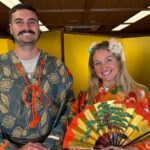
- Choosing Your Kimono in the Dressing Room
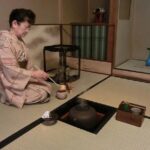
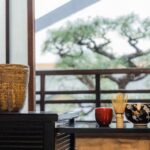
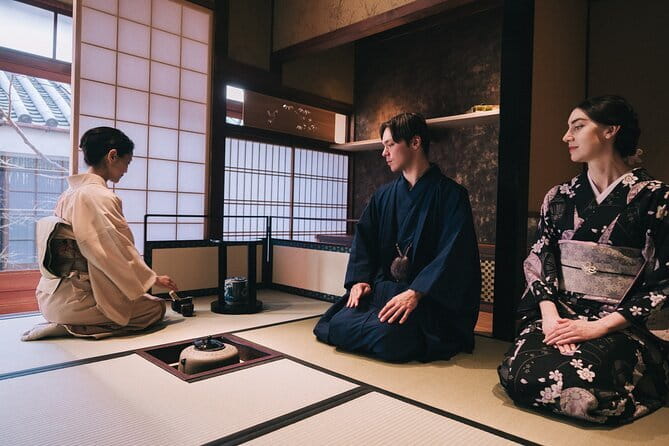
- The Tea Master Demonstration in a Traditional-Style Setting
- Making Matcha Yourself: The Part You’ll Remember
- Seating and Comfort: Kneeling vs Chairs and Tables
- The Professional Photoshoot: 3 Images, Email Delivery
- Price and Value: What You’re Actually Paying For
- Duration, Group Size, and Pacing in Kyoto
- Who This Kimono + Tea + Photoshoot Is Best For
- Should You Book It?
- FAQ
- How long is the tea ceremony experience?
- Where is the meeting point?
- Will I be taught in English?
- Do I get to take photos home?
- Do I need to provide my height and gender in advance?
- What will I do during the ceremony?
- Is there an age limit?
- What happens if I arrive late?
- Can I cancel for a refund?
Key Highlights You Should Know
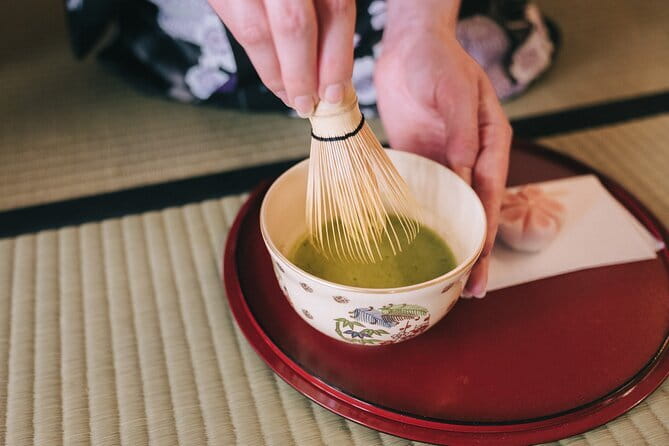
- Kimono dressing + hair styling setup before the ceremony, so you start feeling like part of Kyoto
- English-speaking tea master who explains the history and ritual while you watch and participate
- Hands-on matcha making with Japanese sweets you eat with your tea
- Three professional photos sent digitally by email as your take-home souvenir
- Small group size (up to 10) for a calmer, more personal pace
- Kneeling-style seating may be required, with chairs and tables available for comfort
Nishiki Orizuruya Meet-Up: Easy to Find, Time Sensitive
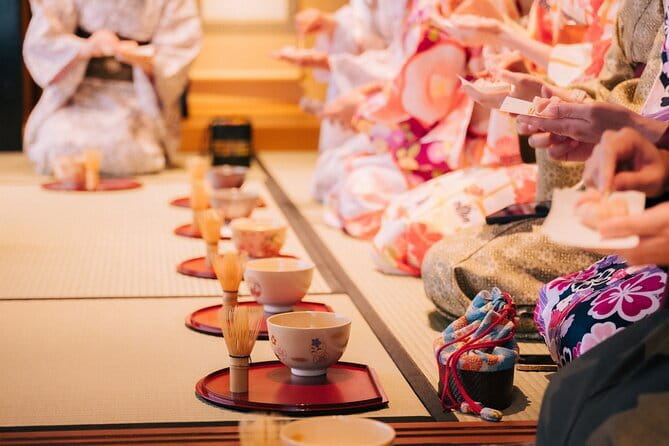
Your session starts at Nishiki Orizuruya (Nishiki area), at 452 Jūmonjichō, Nakagyo Ward. This part matters because Kyoto can be confusing if you’re weaving through small lanes, and you don’t want to lose time before you even start. Plan to arrive a bit early. The check-in window is tight: you should come 10 minutes before your time slot and check in at the reception desk.
Also, you’re not traveling far as part of this activity. The experience ends back at the meeting point, which keeps your day from getting tangled. Since there’s no hotel pickup or drop-off, you’ll rely on nearby public transport, then walk the final stretch.
If you’re the type who likes buffer time, this is one place to protect it. Being late by more than 30 minutes means you cannot join, and you won’t get a refund. In practice, that means setting a clear “leave time” from your previous stop.
You can also read our reviews of more tours and experiences in Kyoto.
Choosing Your Kimono in the Dressing Room
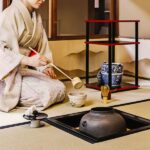
After check-in, you’ll be escorted to a dressing room to choose your kimono. That selection step isn’t just for fun. It’s part of the experience design: it gives you a hands-on feeling for why traditional clothing is treated with care and intention in Japanese culture.
From what people report, the kimono setup often includes grooming details like hair styling as part of getting you ready for photos. That’s a bonus if you’re hoping for more than a quick costume change and want to look polished for the ceremony and the camera time.
You’ll need to provide height and gender in advance so they can prepare a kimono set that fits. This is a big deal. If you forget to submit that information, your selection might be limited—or the process might take longer than expected. Do it early, then show up ready to enjoy the dressing portion without rushing.
The Tea Master Demonstration in a Traditional-Style Setting
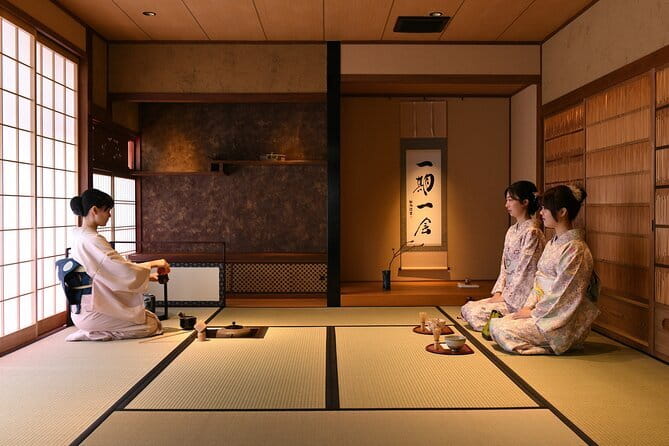
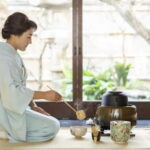
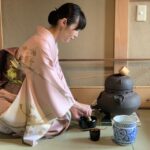
Once you’re dressed, you watch a tea ceremony demonstration by an English-speaking tea master. This is the part that turns matcha from a drink you buy into something you understand.
The tea master explains the history and culture behind the traditional tea ceremony. That context matters because the ceremony isn’t only about taste. It’s about sequence: how the host prepares, how the tea is served, and how guests participate. Even if you’ve seen a tea ceremony video before, a live explanation helps you connect the steps to meaning.
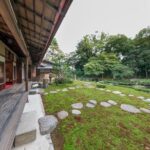
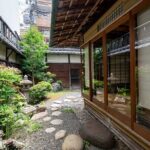
The experience is run in a traditional house setup, so you’ll feel the difference in space and pacing. It’s not a museum lecture. It’s a demonstration that’s meant to lead into you doing it, too.
One more practical note: the instruction is in English, which makes it easier to follow the why behind the what. If you’re traveling without Japanese skills, this is a real advantage.
Making Matcha Yourself: The Part You’ll Remember
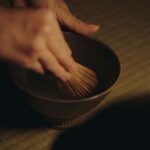
After the demonstration, you learn how to make matcha green tea yourself. This is where the experience earns its value.
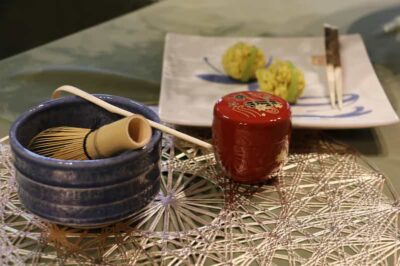
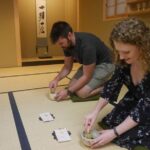
You’ll follow the tea master’s guidance step-by-step, then enjoy the matcha you made with sweets. The structure is simple: watch first, then practice. That keeps it from feeling intimidating, especially if you’ve never whisked matcha before.
You also get to try Japanese sweets during the session. You don’t need to bring anything for this portion; it’s integrated into the tea experience. If you’re wondering what you’ll be doing for 90 minutes, this is it: you’re participating, not just observing.
If you’re worried about timing, remember the ceremony is staged so you can finish smoothly and transition to photos. So you don’t need to rush on your own. Just listen closely when instructions are given, and you’ll have a better chance of getting comfortable with the process.
Seating and Comfort: Kneeling vs Chairs and Tables
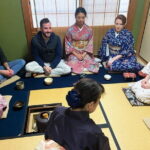
One consideration that comes up is seating. For women, some sessions may involve kneeling rather than sitting cross-legged in a common seated position. Kneeling can be challenging for older travelers or anyone with limited flexibility.
The good news: chairs and tables are available. That means you have options if you need them. If you know kneeling is likely to be a problem, don’t treat this as a reason to skip—just be prepared to use the available seating style.
This is one of those “small detail, big comfort” factors. Kyoto activities often involve floors and low seating, and this tea ceremony includes that traditional element. Plan accordingly so the experience stays enjoyable rather than stressful.
The Professional Photoshoot: 3 Images, Email Delivery
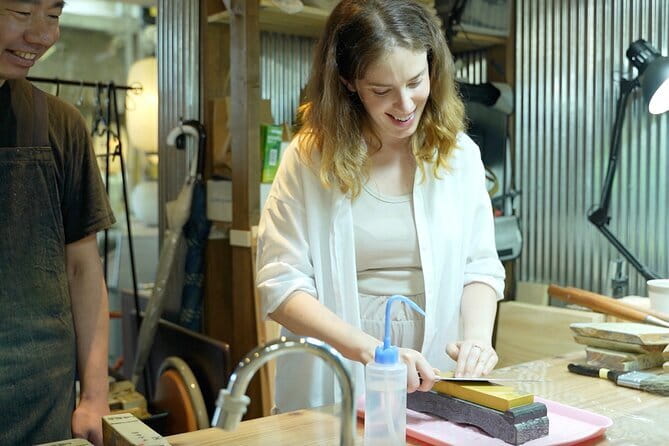
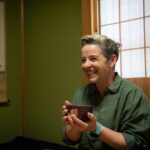
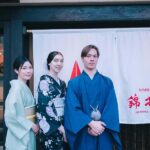
The photoshoot is integrated into the experience. A professional photographer takes pictures of you during the ceremony and the moments around it, not just at one quick staged spot.
You get three photos as your souvenir. These are sent digitally by email, which is convenient because you don’t have to carry anything home. It’s also smart for people who hate waiting in lines to print photos.
The one drawback to take seriously: you must be able to receive the email. If your inbox is unreliable, your phone number/email changes often, or your spam filters are strict, the photos may end up delayed or hidden. Before you go, it’s worth checking how you handle new inbound emails and making sure you can receive messages from unknown senders.
Also, because photos are emailed after the session, think about timing. If you’re moving hotels frequently, double-check you can still access that inbox until the photos arrive.
Price and Value: What You’re Actually Paying For
At $130.78 per person, this isn’t a low-cost activity. But it also isn’t just a tea lesson. You’re paying for a package:
- kimono dressing and setup (including height/gender fitting info)
- an English-speaking tea master explanation and demonstration
- hands-on matcha making and sweets
- a professional photographer during the session
- three digital photos delivered by email
If you compare that to DIY tea tastings or basic guided talks, the difference is obvious: the kimono element and photo package add real production value. And since the group is capped at 10, you’re not competing with a huge crowd for attention.
Is it worth it? If you want an authentic-feeling Kyoto activity where you actively participate and you leave with a photographic memento, yes. If you only care about a quick matcha drink and you’re not interested in dressing up or photos, you may feel the price more than you need to.
Duration, Group Size, and Pacing in Kyoto
The session runs about 1 hour 45 minutes (about 90 minutes). That timing is well matched to how Kyoto works. You get a full cultural experience without eating your whole day.
With a maximum of 10 travelers, the pace feels manageable. In smaller groups, it’s easier for the tea master and photographer to work around you, especially during hands-on steps like whisking matcha and during the transition to photos.
If you’re planning your day, build in travel and walking time to the meeting point. And then protect that start time buffer. When the session is that time-tight, it’s not the type of experience you want to “almost make it” to.
This is also a good choice if you want something cultural that doesn’t require long distances or complicated planning. Kyoto is full of tours that scatter you across neighborhoods. This one keeps you in one centered location.
Who This Kimono + Tea + Photoshoot Is Best For
This experience tends to shine for:
- couples, friends, or solo travelers who want a memorable Kyoto photo set
- visitors who enjoy hands-on cultural activities more than passive sightseeing
- people who don’t want a huge group and prefer clear English instruction
- travelers who want a structured activity (about 90 minutes) that fits easily into a day
It’s likely less ideal if you need a lot of mobility accommodations beyond chairs/tables, because traditional seating may involve kneeling. And if you’re expecting a completely DIY feel with no set photo component, remember this is designed as a ceremony plus a professional photo moment.
One more tip: bring an open mind about the format. Even when the ceremony is guided and photographed, the tea master’s explanations and your own matcha practice are the heart of the experience.
Should You Book It?
Book it if you want a Kyoto cultural moment that’s active, not just observational—and you want kimono photos that look like you planned the day around them. The combination of an English-speaking tea master, hands-on matcha making, and three professional images delivered by email is the real value here.
Skip it or rethink it if you mainly want the cheapest matcha option, or if you strongly dislike kneeling-style seating and chairs would not work for you. Also, if email delivery is a constant headache for you, make sure you can receive messages so you don’t miss your photo souvenir.
FAQ
How long is the tea ceremony experience?
It lasts about 1 hour 45 minutes (approximately 90 minutes).
Where is the meeting point?
The meeting point is Nishiki Orizuruya, 452 Jūmonjichō, Nakagyo Ward, Kyoto, 604-8121, Japan.
Will I be taught in English?
Yes. The tea ceremony demonstration is led by an English-speaking tea master.
Do I get to take photos home?
Yes. You receive three photos digitally by email as your souvenir.
Do I need to provide my height and gender in advance?
Yes. To prepare your kimono, you need to provide the height and gender of all participants in advance.
What will I do during the ceremony?
You’ll watch a demonstration, learn how to make matcha green tea, and have your matcha with Japanese sweets. You’ll also be photographed during the experience.
Is there an age limit?
Yes. No children under 5 years old are allowed.
What happens if I arrive late?
If you’re later than 30 minutes from the starting time, you are not allowed to join and no refund is available.
Can I cancel for a refund?
You can cancel up to 24 hours in advance for a full refund.