REVIEW · YOGYAKARTA
Yogyakarta: Prambanan Tour, Sukuh Temple & Tea Plantation
Book on GetYourGuide →Operated by Naila Tour · Bookable on GetYourGuide
Temples and tea in one well-run day. This day trip from Yogyakarta strings together Prambanan’s massive Hindu sights and the more unusual Sukuh Temple, then slows down at a tea plantation for a tasting. I love how the visit is guided with real context, not just photos on the move, and I like that the day ends back at your hotel instead of forcing you to figure out transfers.
One thing to plan for: temple entrance fees aren’t included, so bring cash and budget a bit extra beyond the $95 price. Also, this is still a temple day—expect some walking on uneven ground.
In This Review
- Key things you’ll notice on this tour
- From Yogyakarta pickup to the temple road trip
- Prambanan: Indonesia’s biggest Hindu temple in real life
- Brahma, Siva, Wisnu and the Ramayana angle
- Sukuh Temple: a more exotic stop after the crowds
- Tea plantation tasting: the easy rhythm reset
- Price and logistics: is $95 a fair deal?
- What to bring (and how to get the most out of your photos)
- The kind of traveler this fits best
- Should you book Naila Tour’s Prambanan, Sukuh & tea day trip?
- FAQ
- FAQ
- What does the tour include?
- What is not included in the tour price?
- Do I need cash for this tour?
- Is there an English-speaking guide?
- Which temples are part of the day trip?
- Is tea tasting included?
- What if I need to cancel?
Key things you’ll notice on this tour
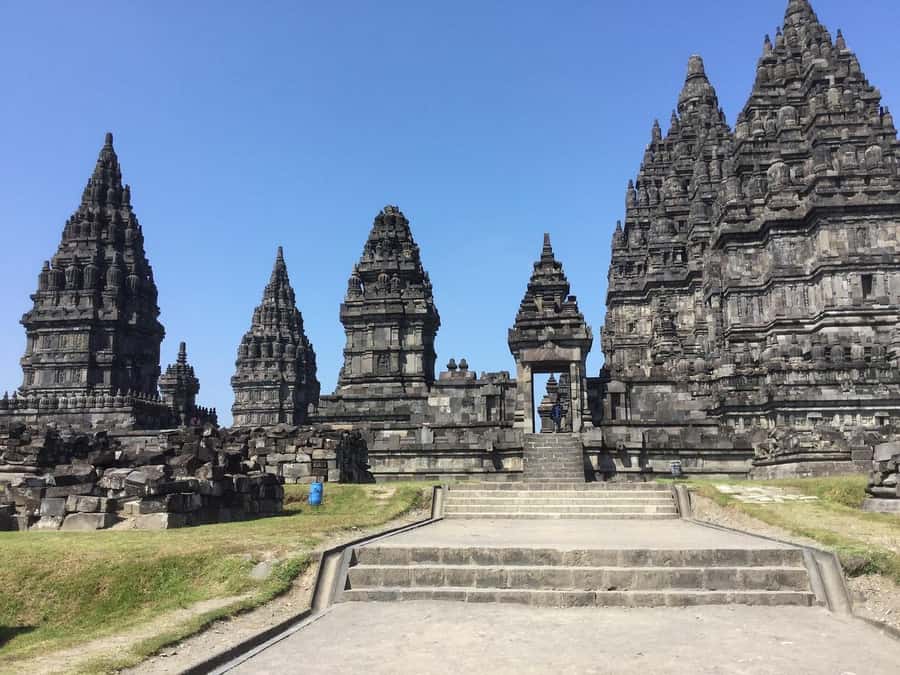
- Prambanan’s three main shrines: Brahma, Siva, and Wisnu, explained in plain English
- King Sanjaya’s 9th-century story and why Prambanan blends Hindu and Buddhist influences
- Ramayana connections that make the carvings easier to understand as you look
- Sukuh Temple’s exotic feel, a strong contrast after Prambanan
- Tea plantation stop with tasting, a nice reset between temple sites
- Andy’s driving and flexibility—smooth routing and helpful changes when needed
From Yogyakarta pickup to the temple road trip
Your day starts with pickup from your hotel in Yogyakarta. From there, you’re on the clock in the best way: temples first, then tea, then you’re dropped back at your hotel. The value here is less about a long list of stops and more about not wasting time figuring out transportation.
A big practical win is how the driver handles traffic and timing. In this group, Andy comes up repeatedly for being prompt and for navigating smoothly—exactly what you want when you’re trying to see major sites in one day without turning the trip into a stress test. If your plan needs a small tweak, the service is flexible, which matters when roads, schedules, or priorities shift.
You’ll be traveling around Java for temple visits, so bring what you need for a full day: a camera, comfortable shoes, and cash in hand. Your tour includes mineral water and parking fees, so you can focus on the sites instead of small logistics.
You can also read our reviews of more tours and experiences in Yogyakarta.

Prambanan: Indonesia’s biggest Hindu temple in real life
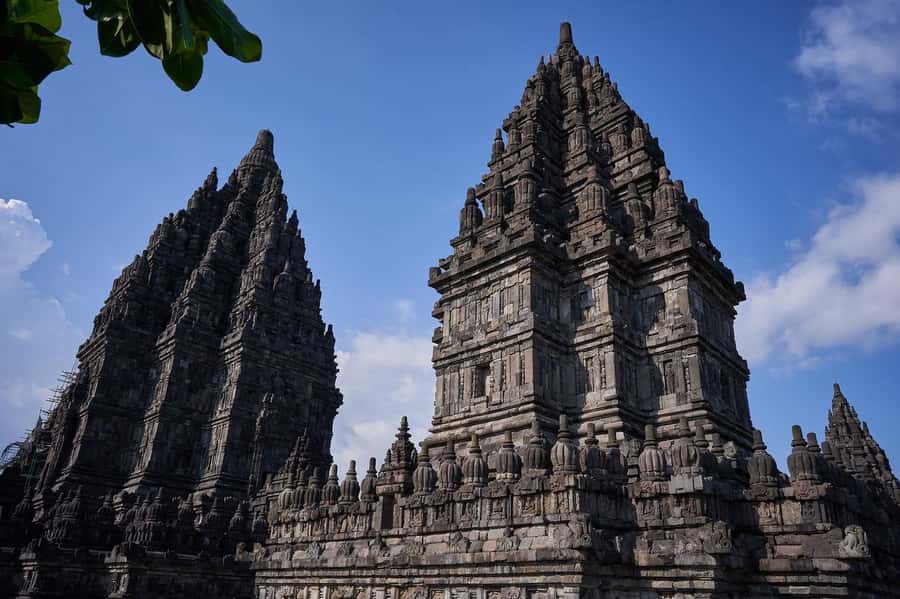
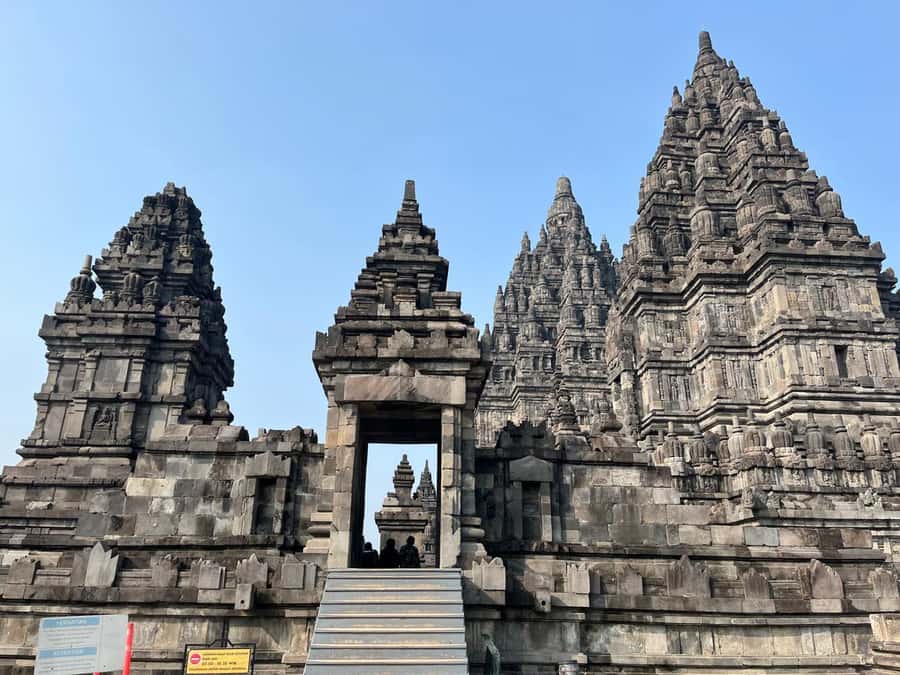
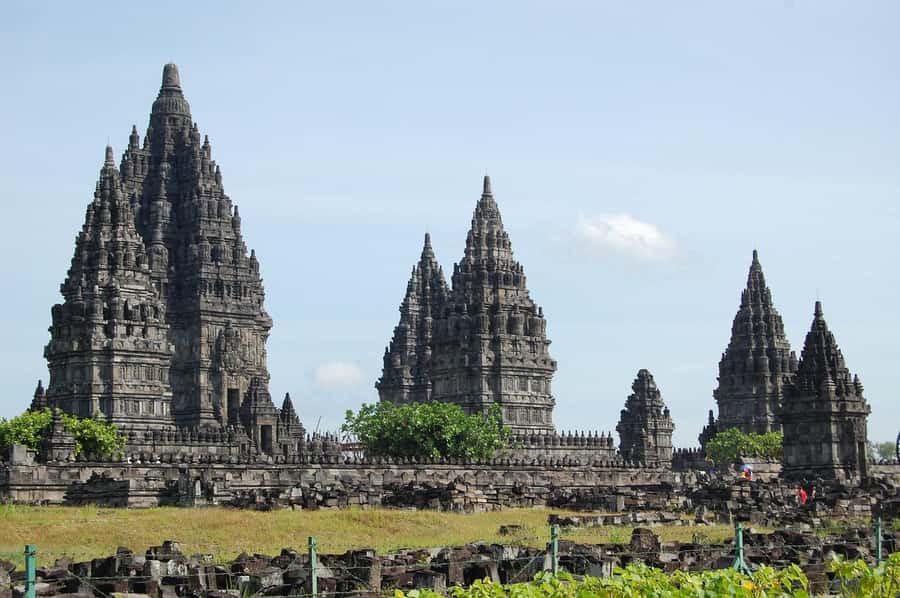
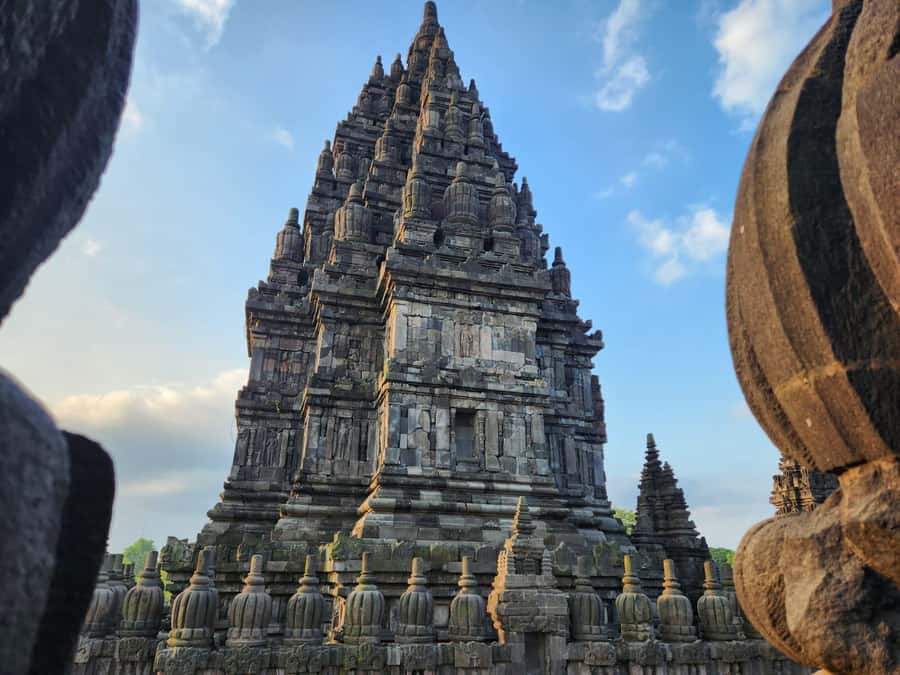
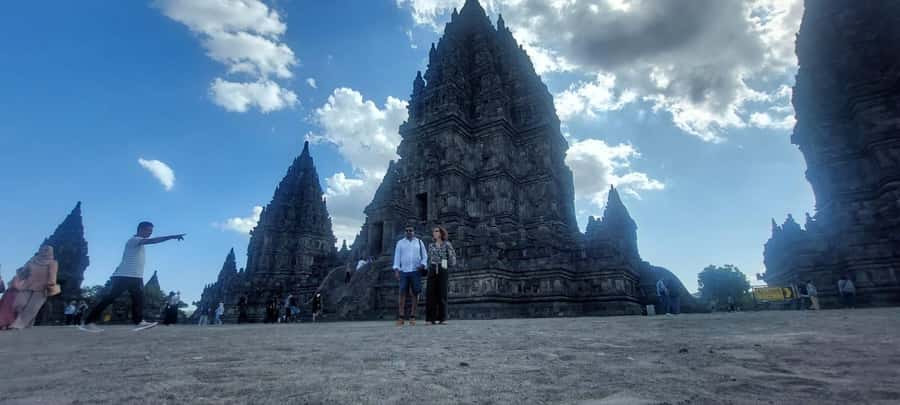
Prambanan is famous for a reason: it’s described as the highest Hindu temple in Indonesia, and the scale hits you quickly once you’re on the grounds. The tour treats Prambanan like the main event (because it is), with an English local guide who helps you make sense of what you’re seeing.
You’ll learn that Prambanan was built in the 9th century by King Sanjaya. That matters because the temple isn’t just impressive architecture—it’s tied to a story about power, belief, and legitimacy. You’ll also hear the explanation that Prambanan is a blend of Hindu and Buddhist elements. The way it’s framed is personal and political at the same time: the king’s marriage and respect for his wife are linked to the temple combining influences. Whether you remember every detail or just the big idea, it changes how you look at the carvings and layout.
A practical note: the guide’s role is important. Without context, Prambanan can feel like a lot of stone. With context, the place starts to “click”—especially if you care about symbolism and stories behind religious art.
Brahma, Siva, Wisnu and the Ramayana angle
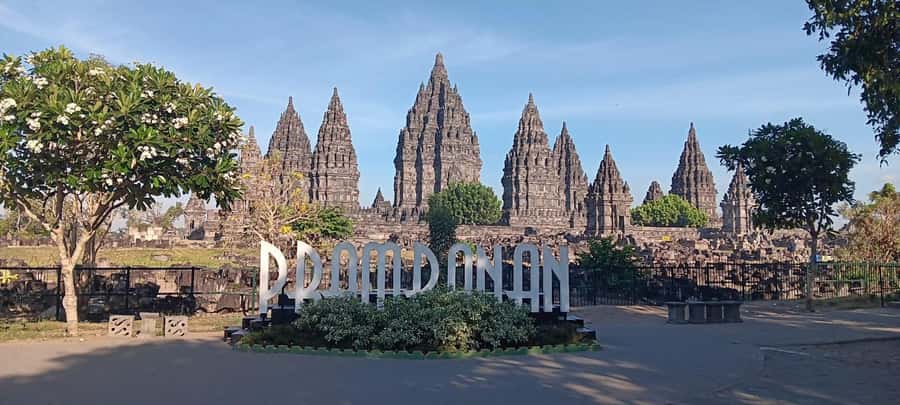
Prambanan isn’t one building. It’s organized around three main temple areas: Brahma, Siva, and Wisnu. That trio gives you a simple way to orient yourself during the visit. Instead of wandering randomly, you know what each section represents, and that makes the experience feel more intentional.
You’ll also get the famous Ramayana connection. When you know Ramayana is part of the storytelling tradition here, the carvings and figures stop being just decoration. They start reading like scenes, which is what you want if you’re trying to enjoy a temple site rather than just pass through it.
I like this kind of guided framing because it helps you slow down. You’re not stuck trying to translate everything in your head. The local guide’s job is to make the temple’s symbolism understandable—so you can spend your energy actually noticing details.
Also, remember this: you’re visiting a site with a lot to see in limited time. The guide helps you pick up the main threads fast, so you leave with a fuller sense of what Prambanan is, not just a handful of photos.
Sukuh Temple: a more exotic stop after the crowds
After Prambanan, the tour continues to Sukuh Temple. This is where you get contrast. If Prambanan feels grand and structured, Sukuh has an air of something more unusual and off the main mainstream route for many visitors. It’s described as an exotic Hindu temple, and the feeling matches the idea that it’s different in mood and style.
Sukuh works well in the itinerary because it’s not more of the same. By the time you arrive, you’ve already learned the big Hindu temple vocabulary from Prambanan. Now you can compare how temple design, setting, and atmosphere can shift across sites.
One consideration: since the tour provides a local guide specifically for Prambanan, you might need to rely on your overall guide/driver support for context at Sukuh. That doesn’t make it less worthwhile, but it’s useful to know what kind of explanation you’re likely to get. The value at Sukuh is more about the experience of seeing something distinct.
If you enjoy temples as living stories—ways of viewing belief through stone—Sukuh can be a satisfying follow-up rather than a rushed second stop.
Tea plantation tasting: the easy rhythm reset
Then comes the part that keeps the day from becoming nonstop stone: a stop at a tea plantation with tasting. Even if you’re not a tea expert, this is a smart pairing with temples. Tea tasting turns the trip into something sensory and lighter, and it gives your legs and your brain a break.
This is also a value play. You’re already paying for a day trip, so adding tasting means you’re not just looking at things—you’re doing something. It’s the kind of stop that makes the day feel complete.
You’ll also be able to slow down for photos and just take in the surroundings around the plantation area. The tour description doesn’t add lots of extra activities, which is exactly why it works. It’s a short reset, not a second half-day you didn’t plan for.
Bring cash again if you want to buy tea or snacks. The tasting is part of the tour experience, but additional purchases are often a separate decision.
Price and logistics: is $95 a fair deal?
The price is $95 per person, and for a day trip that hits two major temples plus tea, it’s fairly priced—especially because key logistics are handled for you.
Here’s what’s included:
- Hotel pickup and drop-off
- Transportation
- Local guide for Prambanan
- Mineral water
- Parking fees
What’s not included:
- Entrance temple fees
- Meals
- Tipping the driver
That last part matters for value. Temple entrance fees can be the difference between a “cheap-looking” price and a “real total.” Since entrance fees aren’t included, I recommend planning for them up front instead of hoping they’ll be small.
Meals also aren’t included, so you’ll want to think about your comfort. If your schedule is tight, you might prefer bringing a snack or planning a simple meal stop later. The good news is that the tour is structured: temples first, tea tasting after, then back to your hotel. You’re not left guessing what the day’s rhythm will be.
Overall, this price makes sense because you’re paying for the big time-savers: pickup, transport, parking, and expert guidance at the key site (Prambanan). If you like guided interpretation more than solo navigation, the $95 becomes easier to justify.
What to bring (and how to get the most out of your photos)
This tour gives you the essentials, but you’ll want to show up prepared.
Bring:
- Camera
- Cash
Camera is obvious, but cash is the practical one. Since temple entrance fees and tipping are not included, cash helps you avoid the awkward scramble on the day. Also, if the tea stop offers extra purchases, cash makes it easy to say yes without delay.
Wear:
- Comfortable shoes with grip. Temple grounds can be uneven, and you’ll likely walk more than you expect once you start looking carefully.
Language:
- The tour is listed in English, which is especially useful at Prambanan where the guide’s explanations help you connect symbols to stories.
The kind of traveler this fits best
This is a solid fit if you want a focused, one-day introduction to two temple experiences—Prambanan’s scale and Sukuh’s different character—plus a calm tea moment at the end.
You’ll probably enjoy it most if you:
- Like guided explanation, not just sightseeing
- Want to pack a lot into one day without handling logistics
- Enjoy seeing how religious storytelling shows up in temple design
- Appreciate having a driver who can handle traffic and small timing needs (Andy is repeatedly noted for this)
If you’re the type who wants to wander slowly for hours with no structure, you might feel that a one-day plan is still a bit tight. But if you want “enough time to understand” rather than “all day to slowly get lost,” this tour has the right balance.
Should you book Naila Tour’s Prambanan, Sukuh & tea day trip?
If you’re choosing one day trip that gives you both big temple impact and a different second stop, I’d say yes. The main reason: you get Prambanan with a local guide, and you also get variety with Sukuh plus tea tasting instead of repeating temple after temple. Add the value of pickup/drop-off and a driver who’s prompt and flexible, and this feels like a day that runs the way you hope it will.
I’d think twice only if entrance fees and meals are a dealbreaker for your budget, since you’ll need to pay those separately. And if you hate walking or hate uneven surfaces, make sure you’re comfortable with a temple day.
FAQ
FAQ
What does the tour include?
It includes hotel pickup and drop-off, transportation, a local guide for Prambanan, mineral water, and parking fees.
What is not included in the tour price?
Temple entrance fees, meals, and tipping the driver are not included.
Do I need cash for this tour?
Yes, the tour notes that you should bring cash. This helps for entrance fees and tipping, since those are not included.
Is there an English-speaking guide?
Yes. The tour lists English as the language.
Which temples are part of the day trip?
You’ll visit Prambanan and Sukuh Temple.
Is tea tasting included?
Yes, the tour includes a tea plantation stop and tea tasting.
What if I need to cancel?
The tour states you can cancel up to 24 hours in advance for a full refund.