REVIEW · NUWARA ELIYA
Nuwara Eliya: Tea Factory and Victoria Park Tour by Tuk Tuk
Book on GetYourGuide →Operated by Lanka Budget Tours · Bookable on GetYourGuide
Tea smells and cool air in Little England. This Nuwara Eliya Tea Factory and Victoria Park tour hits the highlights fast, with a guided look at how tea is made and a calm stroll through Victoria Park. I also like that it mixes town sights (golf course, Tudor-style streets, Lake Gregory) with countryside scenery on the way. One drawback to consider: the day is packed for an 8-hour schedule, so a few stops can feel quick if your driver’s pace is brisk.
You’ll spend the morning and early afternoon combining colonial-era stories with practical tea-making details. Expect cooler weather, uneven walking, and lots of viewpoints where your camera gets a workout. If you’re hoping for tons of time at every single spot, plan to be flexible and go with the flow.
In This Review
- Key things to know before you go
- Nuwara Eliya’s colonial contrast: why this town feels different
- From Kandy to the hill-country views: how the drive fits the day
- Victoria Park and Lake Gregory: the calm center of town
- Nuwara Eliya Golf Club and the racecourse: quick hits with local flavor
- Ceylon Tea Factory: where tea becomes a process you can see
- Tea estates and plucking views: photos, people, and the pace of work
- Local markets, festivals in April, and the town errands that make it feel real
- Hakgala Botanical Garden and the “breathing room” between stops
- Price and logistics: is $20 a good value?
- Who should book this tour, and who should skip it
- Should you book this Nuwara Eliya tea and Victoria Park tour?
- FAQ
- How long is the Nuwara Eliya Tea Factory and Victoria Park tour?
- How much does the tour cost?
- Is hotel pickup and drop-off included?
- What language is the driver/guide?
- Does the tour include entrance tickets?
- What should I bring for the day?
- Will the tour include time at the tea factory and tea plantation?
- Is this tour suitable for kids and for people with mobility impairments?
Key things to know before you go
- Ceylon Tea Factory guidance: You’ll learn each step of tea production using machinery tied to Victorian-era methods
- Victoria Park + Lake Gregory area: a greener break in town, with good walking and photo angles
- Hill-country scenery stops included: expect viewpoints and a botanical garden stop as part of the day
- Tea plantation photo time: you’ll get time to take photos among the estates and tea bushes
- April-season timing: the tour may align with local festivals and events happening that season
- Ask for slower architecture moments: Tudor-style streets can be easy to miss if you’re moving too quickly
Nuwara Eliya’s colonial contrast: why this town feels different
Nuwara Eliya earns its nickname Little England for a reason. Even if you’ve never studied Sri Lanka’s colonial past, you can feel it here: the town layout, the park spaces, and the way locals describe the hill station era. On this tour, that context matters because it turns your sightseeing from random stops into a clearer story about how the British shaped the hill-country lifestyle.
The experience is designed to match that vibe. You start by getting your bearings around the town, then you slide into the tea world—the industry that helped shape Nuwara Eliya’s economy and landscapes. If you like your travel days to have both atmosphere and a few real-life mechanics (how tea is actually produced, not just sold), this mix works well.
I also like that the guide is there to connect the dots. The tour description specifically points out that you’ll learn about the town’s history and colonial past, which helps you notice details you might otherwise overlook when you’re just walking around on your own. If you enjoy asking questions, this is the kind of day where a good guide can really upgrade the whole route.
You can also read our reviews of more tours and experiences in Nuwara Eliya.

From Kandy to the hill-country views: how the drive fits the day
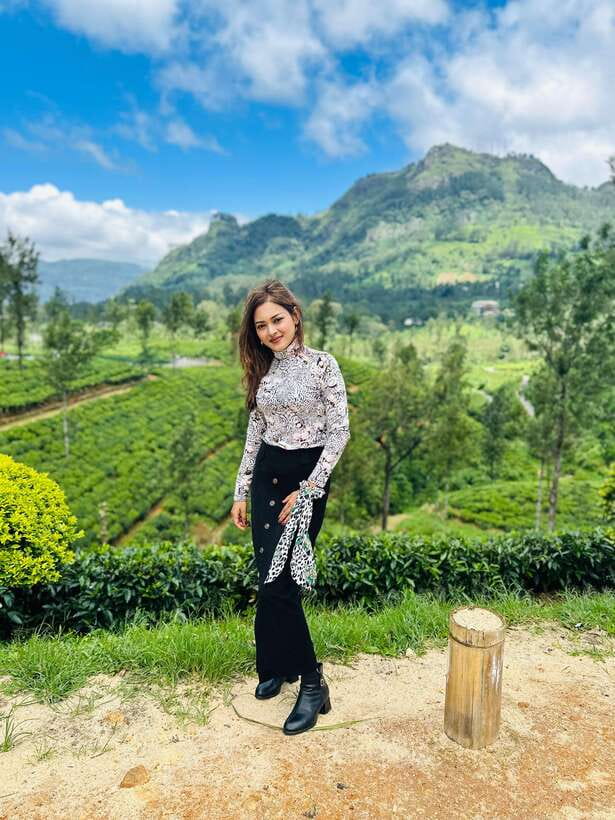
This tour includes hotel pickup and drop-off from Kandy, and you’re asked to wait in the lobby about 10 minutes before the scheduled pickup time. The day runs about 8 hours, so the driving time matters for your expectations. You’re not going to have a slow, meandering half-day in Nuwara Eliya. Instead, it’s a “see the core pieces” day, supported by scenic stops along the way.
One of those planned roadside perks is a viewpoint stop at Ramboda View Point. You’ll also have Hakgala Botanical Garden on the included list, which usually feels like a welcome break from town streets and factory dust. The botanical garden stop can be a great reset—especially if you’re traveling with someone who needs a softer, more restful pace than factories and markets.
Practical tip: dress in layers. The tour info notes it can get significantly cooler at night, and you’ll likely feel temperature swings across the day. Bring warm clothing even if the morning starts mild.
Victoria Park and Lake Gregory: the calm center of town
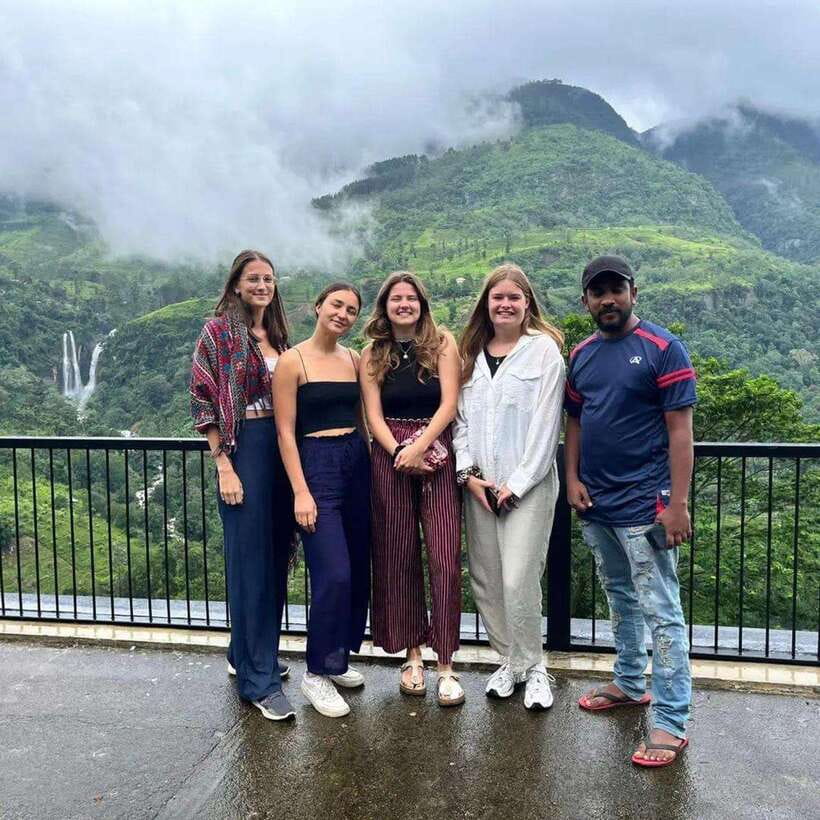
If you want one place where Nuwara Eliya feels like a pause button, it’s Victoria Park (also listed as Queen Victoria Park). On this tour, you get more than a quick photo stop. The plan includes time around the park area, plus Lake Gregory on the sightseeing side.
What makes this stop valuable is contrast. Tea factories are about machinery, steam, process, and smells. Parks are where you can walk, stretch your legs, and just take in the hill-country air. The tour highlights an easy, scenic feel through the park and around Lake Gregory, and it even notes the area is associated with trout streams and fishing. Even if you’re not fishing yourself, it’s one of those local details that makes the place feel real, not just pretty.
Also, if you care about architecture, this is where you can start spotting the colonial-era look. The tour description says you’ll see Tudor-style houses and learn about the town’s hill station history. Just keep your eyes open along the way—some streets are best noticed slowly, and the overall pace can be tight.
A small caution from how these tours can run: if the schedule compresses, you might get less time than you hoped for at Victoria Park. If that matters to you, you can ask your guide early to prioritize time for the park walk and viewpoints.
Nuwara Eliya Golf Club and the racecourse: quick hits with local flavor

The tour begins with a stop at Nuwara Eliya Golf Club, plus a look at a racecourse, before moving through the Victoria Park area. If you don’t know what to expect, that sounds random. But in Nuwara Eliya, these places are part of the hill station identity.
Here’s the practical value: you’re seeing spaces that reflect how the British-era hill towns operated—sports, social life, and a lifestyle built around climate and routine. You’re also getting an early orientation to the geography and town layout, which helps later when you move to factories and countryside roads.
Is this the place for long hangs? Probably not. It’s listed as an early stop, and the day is designed to keep moving. Still, even a short look can help you understand why people romanticize this town so much.
Ceylon Tea Factory: where tea becomes a process you can see
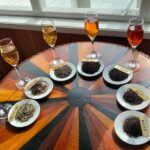
This is the main event. The tour includes a guided tea factory visit—specifically Ceylon Tea Factory—where you’ll learn the history of tea production in Sri Lanka and watch how leaves move through the production stages.
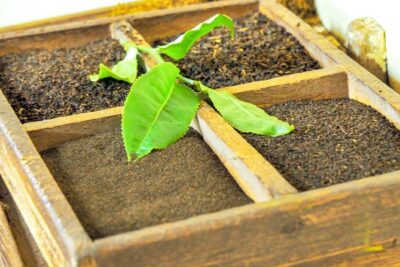
The description is detailed about the workflow: tea leaves are plucked, then dried, crushed, fermented, and fired using machinery that has remained unchanged since Victorian times. That’s the key phrase. You’re not just seeing modern equipment. You’re seeing the kind of production setup that helped make tea an iconic export and a defining feature of Sri Lanka’s hill-country identity.
And yes, you’ll likely smell it. Tea factories have a particular mix of earthy, grassy, and roasted aromas as the process heats and transforms the leaves. That sensory layer matters, because it turns tea from a drink into something you can picture.
One more thing I like: the tour ties the factory story back to the broader island history. It notes that the British introduced tea to Sri Lanka in the late 19th century. That context gives your factory visit meaning—this wasn’t just a local craft; it became part of a global trade system.
Practical tip: wear shoes you can stand in comfortably. Even if the walk inside is short, factories aren’t always smooth and cushy underfoot.


Tea estates and plucking views: photos, people, and the pace of work
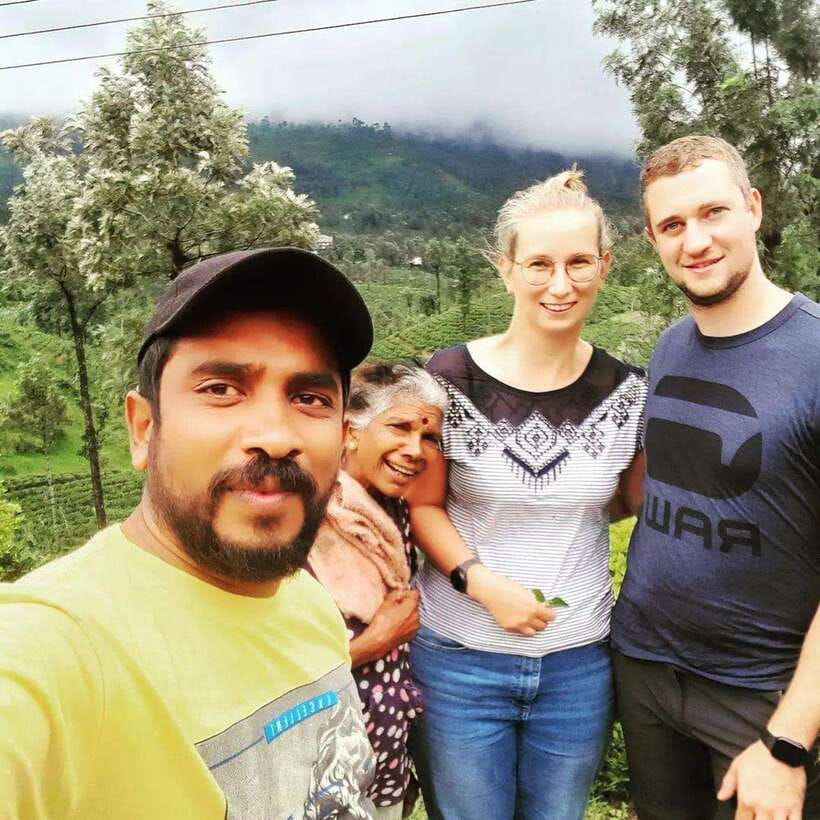
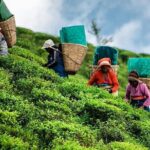
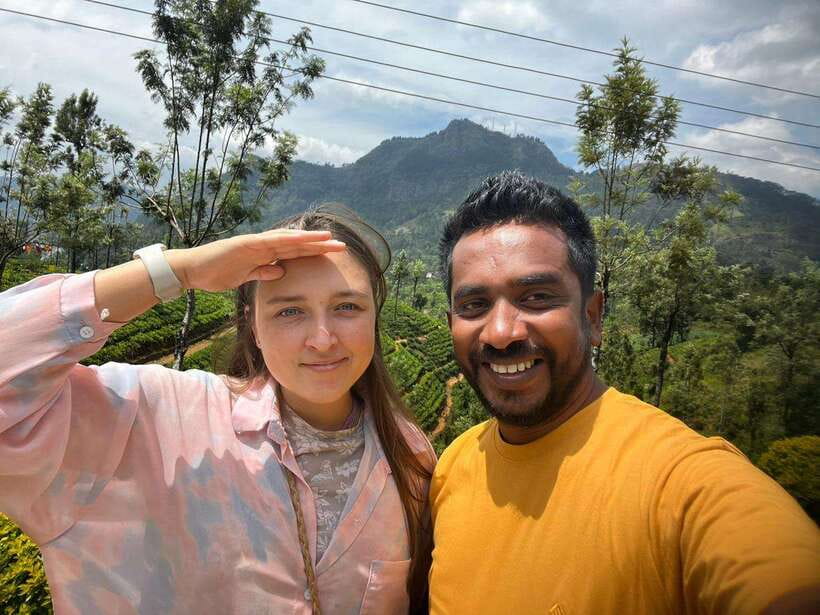
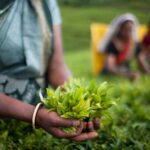
After the factory stop, the day shifts outward to the tea-growing landscape. You’ll visit a tea plantation, and the plan explicitly includes take photos time. You’re also told you’ll see women working along the tea bushes—draped in colorful saris—plucking small portions: two leaves and a bud from each branch and placing them into baskets carried on their backs.
This is one of those details that gives you real respect for the job. Tea picking isn’t a grab-and-go activity. It’s careful and repetitive and takes serious stamina. Even if you’re not picking tea yourself, seeing how precise the harvesting is helps you understand why quality and timing matter.
Timing note (important): the tour description includes an opportunity to see the tea plucking process, but the day is short. If your tour is moving quickly, your “up close” time can be limited. I’d treat it like a “watch and learn” moment, not a long hands-on experience.
Local markets, festivals in April, and the town errands that make it feel real
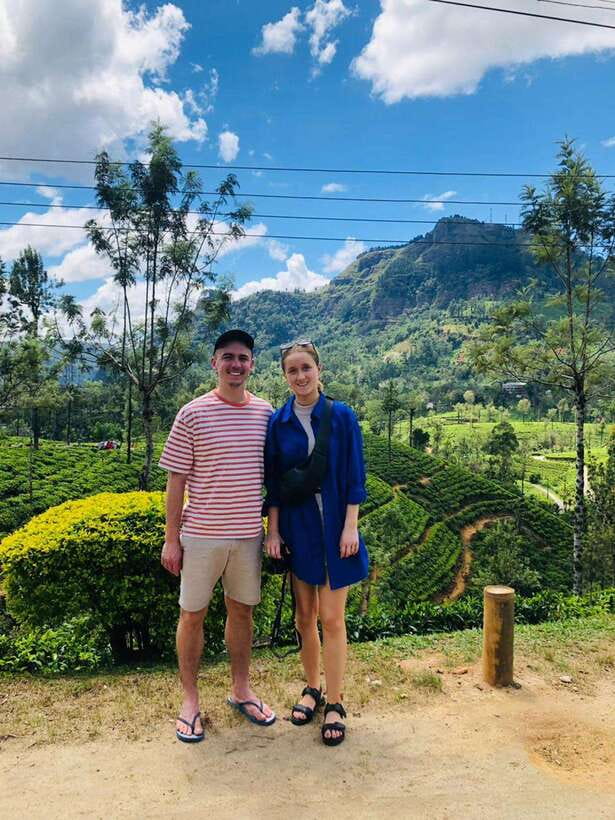
The tour includes local markets. That’s a strong add-on because it anchors your day in everyday life rather than only sightseeing and scenic stops. Markets also help you connect tea to the real economy of the hill country—what people buy, how they talk about their food, and what kinds of products pop up besides tea-related items.
There’s also a seasonal layer: the tour mentions participation in local festivals and events during April season. If your trip lands in April, that can add energy and color to the day. It’s one of the reasons to book early—April is popular, and the tour info notes accommodation can be scarce due to the Sinhalese and Tamil New Year.
Another included stop that’s easy to overlook until you’re there: Nuwara Eliya Post Office. It’s the kind of practical sight that doubles as a mini history moment. Post offices are where travel and daily life intersect, and in towns with colonial influence, the building and vibe often reflect that era.
Hakgala Botanical Garden and the “breathing room” between stops

When you pack a tea factory plus plantation plus parks plus town streets into a single day, you need breaks. That’s where the Hakgala Botanical Garden stop helps.
Even without assuming anything dramatic, a botanical garden usually offers a calmer pace: walking paths, plant variety, and a chance to let your eyes rest after looking at machines and tea processing. It’s also a good match for cooler hill weather—plants and temperatures tend to play nicely together.
If you’re traveling with someone who gets restless during indoor stops, a garden visit is often the compromise everyone appreciates.
Price and logistics: is $20 a good value?
At $20 per person for a roughly 8-hour guided day with pickup and drop-off from Kandy, this tour can be good value—especially if you like organized structure. You’re not only paying for transport. You’re paying for someone to connect the tea story and colonial context across several stops: factory, park, tea plantation, and town sights.
That said, value depends on timing and expectations:
- If you’re the type who wants linger-time at every single place, the short schedule can feel rushed.
- The tour excludes entrance tickets, so your final cost may rise depending on what you need to pay at each stop.
- It’s a private group, which can help with flexibility, but it doesn’t stretch the clock.
My practical recommendation: if you book, go in with the goal of seeing the big highlights and learning the story, not collecting hours at each point on the map.
Who should book this tour, and who should skip it
This tour is a strong fit if you:
- Want a guided introduction to Nuwara Eliya’s tea heritage and colonial-era town feel
- Like outdoor sightseeing but also want one real-world industrial stop
- Prefer a structured day over planning routes and negotiating transport yourself
I’d be cautious if you:
- Have limited tolerance for a packed day schedule
- Need slow, unhurried time at each site
- Are traveling with someone who needs accessibility support—this tour is noted as not suitable for people with mobility impairments
For families, it’s also listed as not suitable for children under 5 years, so check that before assuming it’s stroller-friendly.
Should you book this Nuwara Eliya tea and Victoria Park tour?
I’d book it if you want one efficient, story-driven day in Nuwara Eliya—tea factory plus park plus viewpoints plus tea plantation sights—without building an itinerary from scratch. The biggest payoff is the combination of how tea is made and why Nuwara Eliya looks and feels the way it does.
I’d also book with a simple mindset: treat it as a guided highlight reel. If you’re the type who wants to linger for hours in one place, you might prefer a longer, slower version of the same route. And if Tudor architecture and the park are must-sees for you, say so early so your guide can help you prioritize time where it matters to you.
If you’re lucky, you’ll also get a guide who knows how to make the day flow. One example name that came up is Tharu, described as kind and helpful, which is exactly the kind of attitude that turns a schedule into a satisfying day.
FAQ
How long is the Nuwara Eliya Tea Factory and Victoria Park tour?
The duration is 8 hours.
How much does the tour cost?
The price is $20 per person.
Is hotel pickup and drop-off included?
Yes. Pickup and drop-off are included from any hotel in Kandy, and you should wait in the hotel lobby about 10 minutes before the scheduled pickup time.
What language is the driver/guide?
The driver/guide speaks English.
Does the tour include entrance tickets?
No. Entrance tickets are not included.
What should I bring for the day?
Bring comfortable shoes, warm clothing, a camera, sunscreen, and water.
Will the tour include time at the tea factory and tea plantation?
Yes. You get a guided tea factory visit and an opportunity to see the tea plucking process, plus time at a tea plantation for photos.
Is this tour suitable for kids and for people with mobility impairments?
It’s not suitable for children under 5 years, and it’s also noted as not suitable for people with mobility impairments.