Tea and science, in one easy morning. This Ella experience pairs hands-on plantation time with a real look at how Ceylon tea gets made, checked, and tasted. I like that it doesn’t treat tea as a souvenir. It treats it like a plant, a process, and a product with trade-offs.
Two parts are especially strong: you get to try tea plucking in the plantation, and you also see the black tea manufacturing side of the business at the factory. The guide-led explanations cover plant growth, agronomy, and the economics behind tea production, so your cup has a bigger backstory than usual.
One thing to consider: there’s no private transport included, so you’ll want to plan how you’ll get to the start on Station Road and back. Also, the tour depends on good weather, so keep your schedule flexible.
In This Review
- Key things I’d plan around
- Meeting in Ella and setting your expectations (9:00 AM start)
- Tea plantation time: plucking, plant growth, and why tea is a science crop
- The black tea factory: turning leaves into a product with quality checks
- Tea center tasting: black, green, and artisan varieties in a guided format
- The guide and how the tour teaches: plant biology to tea economics
- Price and value: what $33 buys you in tea education
- Small-group pacing and what to bring for a 3-hour tea day
- Weather and the “good day” factor
- Should you book Ella’s Ceylon Tea Plantation and Factory Tour?
- FAQ
- How long is the Ella Ceylon Tea Plantation and Factory Tour?
- Where does the tour start, and what time does it begin?
- How many people are in each tour group?
- What’s included in the tour price?
- Do I need to bring my own tea tasting materials?
- Is private transportation included?
- What will I see and do during the tour?
- What happens if the weather is poor?
Key things I’d plan around
- Tea plucking in the plantation gives you a feel for what workers do day to day
- Black tea factory visit shows how processing turns leaves into tea you can buy
- Tea tasting at a tea center includes black, green, and artisan varieties
- Small group size (max 8) helps questions land with the guide
- Industry-style explanations connect leaf biology, chemistry, and quality control
- Mobile ticket makes the booking day simpler once you arrive in Ella
Meeting in Ella and setting your expectations (9:00 AM start)
The tour starts at the Traveling Thrills Ella Visitor Center on Station Road in Ella, with a 9:00 AM departure. It ends back at the same meeting point, so you’re not left figuring out your return while your head is full of tea facts.
Duration is about 3 hours, which is a good length for this kind of experience. Long enough to visit a plantation and a factory, short enough that you can still keep the rest of your day open for Ella’s waterfalls, train rides, or a relaxed meal.
Also note the small group cap of 8. That matters because tea questions can get specific fast. If you’re curious about leaf selection, processing stages, or why flavors shift, a small group makes it easier to ask and actually get a clear answer.
You can also read our reviews of more tours and experiences in Ella.
Tea plantation time: plucking, plant growth, and why tea is a science crop
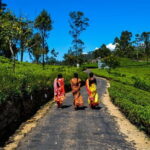
The first main stop is the tea plantation, right in the hills around Ella. This is where the tour goes beyond a quick photo stop. You get to experience tea plucking on the spot, then you’ll hear the story of how Ceylon tea connects to Sri Lanka’s culture and the way tea is grown as an agricultural system.
I like this plantation portion because it turns tea from a drink into a living plant. You’re not just being told tea is important. You’re learning how the crop behaves and how workers handle it. The explanations focus on plant biology and agronomy, which helps you understand why harvesting isn’t random.
If you enjoy hands-on learning, this is the part you’ll feel in your hands. Plucking isn’t about being fancy. It’s about doing a repetitive task correctly, and understanding that tea quality can depend on what gets picked and how often.
A practical consideration: you may be walking outdoors and standing for stretches during the plantation and factory segments. The tour includes bottled water, but you’ll still want to bring your usual sun and weather sense. The good news is the schedule is tight and moves forward steadily.
The black tea factory: turning leaves into a product with quality checks
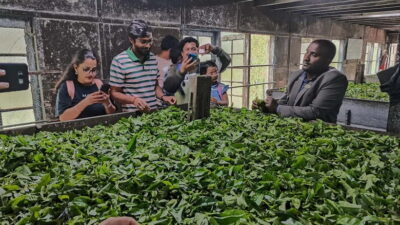
Next comes the factory visit, specifically a black tea making process. In many tea tours, you see equipment behind glass. Here, the focus is on what happens to the leaves after they’re picked, and how workers keep the tea’s quality consistent.
What makes the factory stop valuable is that it connects the steps to outcomes. You’ll see how tea is manufactured, and you’ll also learn how quality is maintained. That combination matters because tea flavor isn’t just about where the leaves grow. It’s also about what processing does to those leaves.
The tour’s language around chemistry and quality isn’t academic for its own sake. It’s meant to help you understand why two teas from the same region can taste different, and why production standards matter in a global market.
There’s also a cultural and historical layer woven into this section. The factory isn’t presented as a cold industrial building. It’s framed as part of a long-running trade that shaped livelihoods in the central hills.
One drawback to keep in mind: a factory visit can be a bit more sensory than a garden. You’ll likely deal with strong tea aromas and the feel of an active work environment. If you’re someone who prefers totally quiet sightseeing, plan on focusing more on the process and less on taking it slow.
Tea center tasting: black, green, and artisan varieties in a guided format
After the factory, you’ll go to a tea center for tasting. This is included in the tour price, and it’s a real payoff because it turns everything you just saw into something you can taste and compare.
The tasting includes a range: black tea, green tea, and artisan varieties. That variety is the point. Once you’ve seen processing for black tea, switching to green helps you notice how method changes flavor direction. And artisan picks give you a sense of how producers play with style within the umbrella of Ceylon tea.
What I find most useful here is the guided explanation around what you’re tasting and why it might taste the way it does. Instead of random sips, you get a structure that ties back to the plantation and factory story—so you’re not just collecting flavors. You’re building a mental map.
Also, coffee and/or tea is included during the tour, along with bottled water. That keeps your energy up for the full run of plantation to factory to tasting without extra stops.
Tip for your tasting: take notes in your phone (simple words like floral, smoky, grassy, brisk, mellow). Even if your tasting “vocabulary” is basic, writing quick impressions helps you remember what you liked and how it connects to processing.
The guide and how the tour teaches: plant biology to tea economics
This tour is led by a guide who’s described as a National Tour Guide Lecturer, supported by a team with professional backgrounds in tea plantation management. In plain terms, it’s not a casual chatter walk.
I especially appreciate how the explanations are layered. You’re getting plant biology and agronomy, yes. But you’re also hearing how tea production connects to economics—what it means for a plantation to operate and keep quality strong.
One guide name you may hear during the day is Hashan. The way he explains the history of tea growing around Ella is a big part of why people leave feeling like they learned something real and not just wandered through scenery.
If you’re the kind of traveler who likes to understand how things work, this tour fits. It’s built to answer the questions you’ll naturally wonder once you start seeing the process—why certain steps exist, what quality control looks like, and how the final leaf becomes the cup you order at home.
Price and value: what $33 buys you in tea education
At $33 per person, this is priced for an experience that goes past a quick gate-to-factory peek. You’re paying for three things that usually cost more when done separately: plantation time with plucking, a factory process visit, and guided tasting.
Here’s the value logic I’d use:
- You’re not just seeing; you’re experiencing (plucking)
- You’re not just walking; you’re learning the production flow (manufacturing and quality)
- You’re not just drinking; you’re comparing within a guided tasting (black, green, artisan)
And the inclusions are practical: tea tasting, coffee and/or tea, bottled water, all fees and taxes, and an official guide are covered. The only major exclusion is private transportation, which is common for tours in this region. So the real question for you becomes: can you reach the meeting point easily from your base in Ella?
If you’re already in Ella and not relying on a private car, the cost-to-time ratio feels fair for what you get. It’s also one of those activities where you’ll feel the value most if you’re genuinely curious about how Ceylon tea is made.
Small-group pacing and what to bring for a 3-hour tea day
With up to 8 travelers, the tour keeps a steady pace without feeling like a cattle line. That’s useful because tea questions often lead to follow-ups. The group size supports more back-and-forth with the guide.
Because private transportation isn’t included, you’ll want to have a plan for getting to the start point on Station Road. If you’re using public transport, the tour is described as being near public transportation, which makes it easier.
What should you bring? The tour provides bottled water, so you don’t need to overpack snacks. Beyond that, keep it simple: a light layer for changing hill weather, and comfortable clothes for outdoor walking. You might find plantation areas uneven, so it helps to wear shoes you trust.
Finally, plan your timing. Since it runs from 9:00 AM for about 3 hours, you can pair it with an afternoon activity in Ella. It also makes a smart first-day choice if you want tea context before you visit cafes or order tea around town.
Weather and the “good day” factor
This tour requires good weather. If conditions aren’t right, you’ll be offered a different date or a full refund. I like having options, but the bigger takeaway is to not schedule something that can’t move if you’re booking this tour.
If you’re traveling in a rainy stretch, treat this as a “best chance early” kind of activity. If you have flexibility, you’ll usually get the cleanest experience when the plantation and factory visit can run smoothly outdoors.
Should you book Ella’s Ceylon Tea Plantation and Factory Tour?
Book it if you want more than tea tasting. I’d choose this tour when you care about the how: the plant, the processing, the quality decisions, and the connection to Sri Lanka’s tea culture. The combination of plucking + factory process + tasting is exactly the kind of full loop that makes a tea day feel worth it.
Skip it only if you’re mainly looking for scenery and don’t want guided instruction. This tour is built for explanation, not just wandering. If you prefer unstructured time, you might feel the day is a bit too “workshop style.”
One more deciding question: are you the type who enjoys turning curiosity into specifics? If yes, you’ll probably leave with better tea instincts for what to order next time. And if the guide is Hashan for your group, you can expect history and explanations that land clearly and directly.
If you want to understand Ceylon tea as more than a cup, this is a strong value pick from Ella.
FAQ
How long is the Ella Ceylon Tea Plantation and Factory Tour?
The tour lasts about 3 hours.
Where does the tour start, and what time does it begin?
It starts at Traveling Thrills Ella Visitor Center, Station Road, Ella, Sri Lanka, at 9:00 AM.
How many people are in each tour group?
The tour has a maximum of 8 travelers.
What’s included in the tour price?
Coffee and/or tea, tea tasting, bottled water, all fees and taxes, and an official guide are included.
Do I need to bring my own tea tasting materials?
No. The tour includes the tea tasting.
Is private transportation included?
No. Private transportation is not included.
What will I see and do during the tour?
You’ll visit a tea plantation (including tea plucking), a black tea making factory, and then a tea center for tasting.
What happens if the weather is poor?
The tour requires good weather. If it’s canceled due to poor weather, you’ll be offered a different date or a full refund.