REVIEW · KANDY
From Colombo or Negombo: Pinnawala, Kandy & Tea Factory Tour
Book on GetYourGuide →Operated by The Sri Lankan Tours with janaka · Bookable on GetYourGuide
Waking up to elephants on a day trip is a rare treat. I love the Pinnawala Elephant Orphanage stop for the bathing-and-feeding scenes, and I love how the day stacks major Kandy highlights like the UNESCO Temple of the Sacred Tooth Relic plus tea tasting. One possible drawback: it’s a long day in the car, and it can run later than you expect.
This tour works best when you like a tight loop of sights with short, efficient stops. You get an English-speaking driver, air-conditioned comfort, and a small group capped at 10 people, which keeps things smoother than big-bus tours. Still, entrances and lunch are extra, so budget for that up front.
In This Review
- Key things I’d plan around
- A quick reality check: 8 hours on paper, later in real life
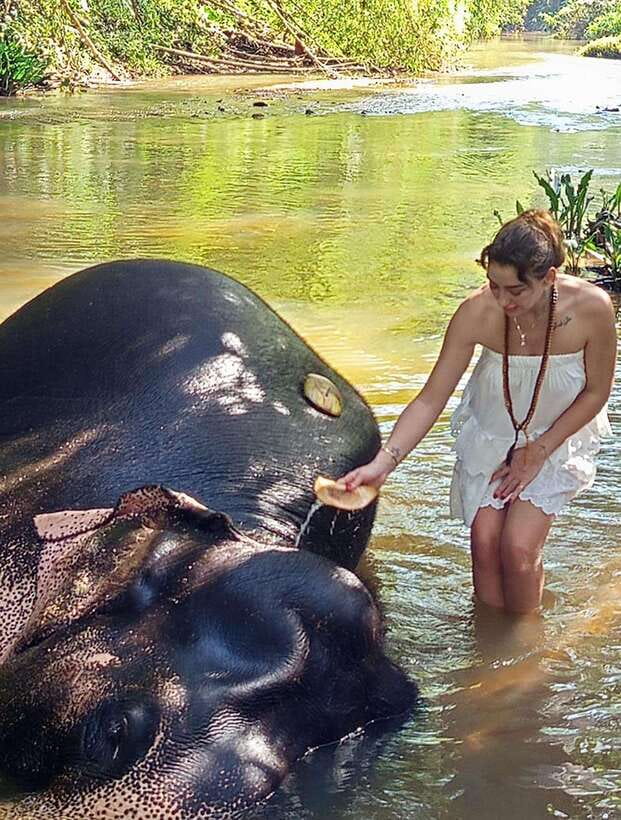
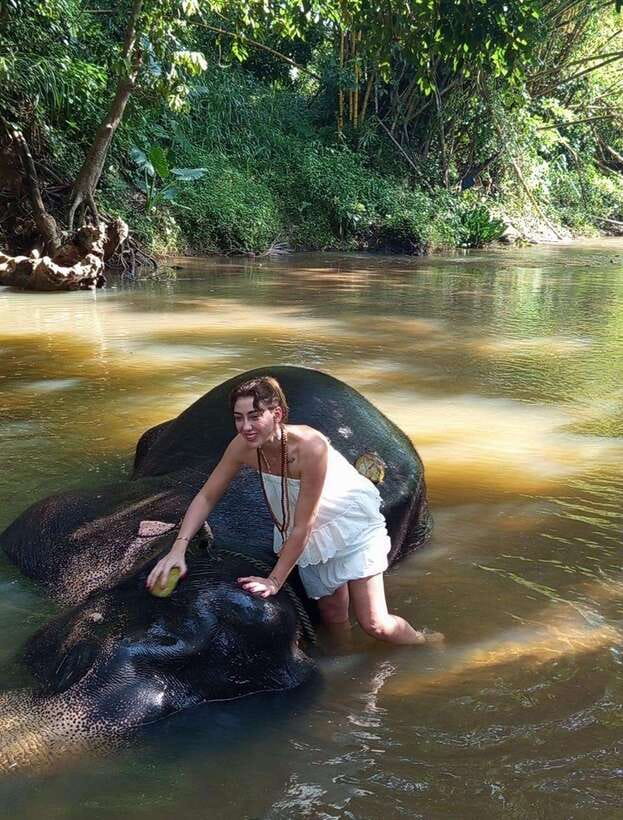
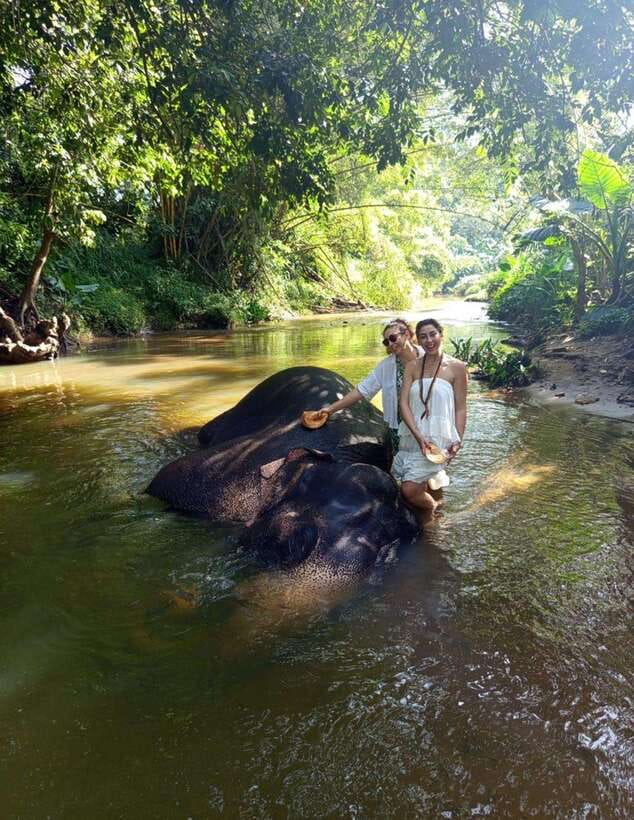
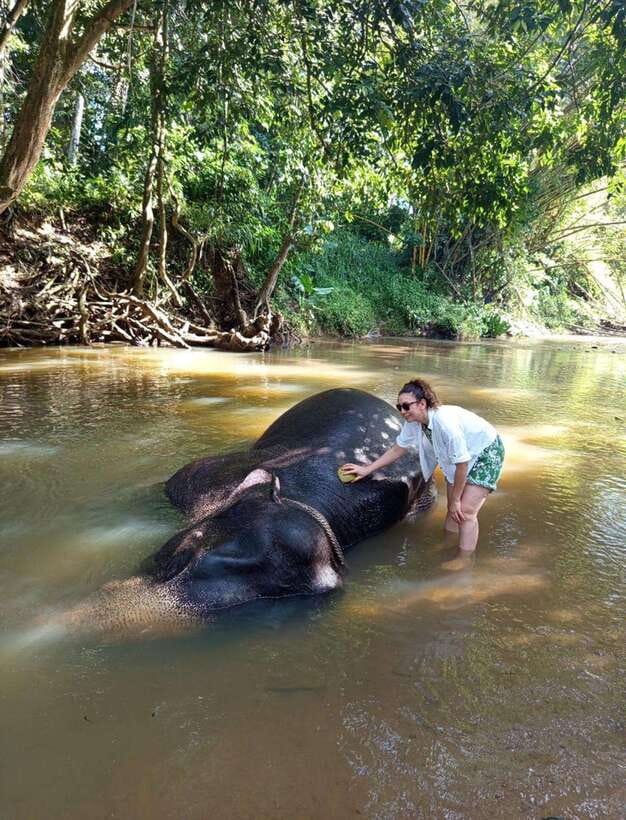
- Pinnawala Elephant Orphanage: river bathing you can’t fake
- Bahirawakanda Temple and the Kandy viewpoint: quick stops, big perspective
- Temple of the Sacred Tooth Relic: why this site is the heart of Kandy
- Lunch with a view over Kandy: plan for the extra cost
- Kandyan Cultural Centre: a guided window into local performance
- Gem factory tour: how to shop without getting lost
- Spice garden lesson and the wood carving process: small details, real value
- Batik factory shopping: where style meets technique
- Tea factory visit and tasting: the highlight that sticks
- Price and logistics: does $46 feel fair?
- Who this day trip is best for
- Should you book the Pinnawala–Kandy–Tea Factory tour?
- FAQ
- What’s the duration of the tour?
- Where does the tour pick up from?
- How big is the group?
- Is lunch included in the price?
- Are entrance tickets included?
- What’s included in the tea experience?
- What snacks or drinks are provided?
- Is the driver able to speak English?
- Are there any photography restrictions?
- Is smoking or eating allowed during the trip?
Key things I’d plan around
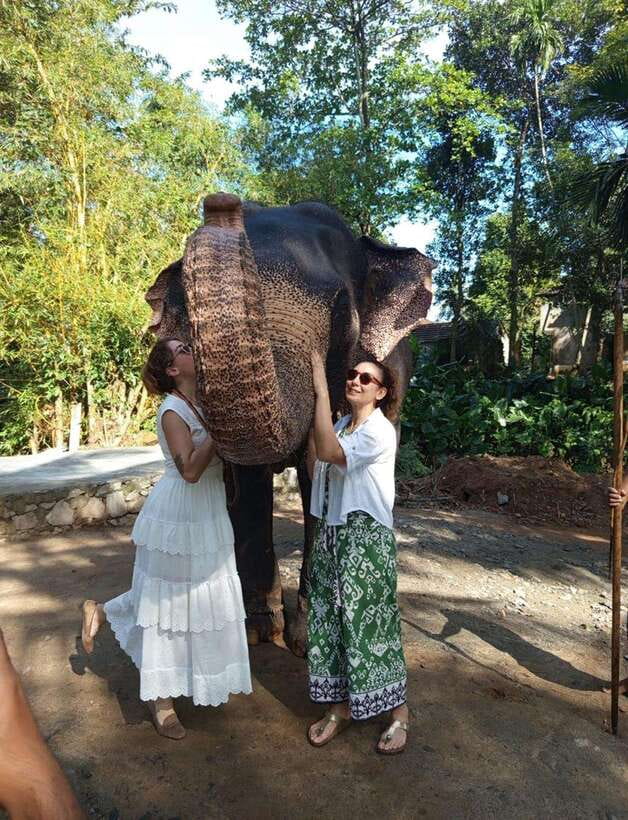
- Pinnawala’s river routine: you’ll see elephants feeding and bathing, with time for photos and a bit of breathing room
- Kandy’s sacred centerpiece: the Temple of the Sacred Tooth Relic is the main event and includes shopping time
- Tea factory tasting: you’ll learn how tea is made and then try teas you can actually buy
- Craft stops for souvenirs: gem and batik factory tours help you spot what you’re buying
- Short Kandy time, lots of variety: viewpoints, a cultural centre visit, and multiple factories in one day
A quick reality check: 8 hours on paper, later in real life
The tour is listed as an 8-hour day, starting with pickup from Colombo or Negombo and then driving inland. The catch is simple: you’re covering serious distance, and traffic can turn that into a much longer outing. Even with an air-conditioned van and plenty of scheduled stops, expect you may be out until evening, so plan your day accordingly.
The good news is that the tour runs with a small-group setup (limited to 10). That usually means fewer delays at sites and more flexibility if you need a bathroom break or a slightly different photo stop. I also like that the driver is English-speaking, because Kandy and temple etiquette are easier when someone can explain what you’re looking at.
If you’re the type who hates being in a vehicle for long stretches, bring patience—and wear comfortable shoes early. You’ll do a bit of walking, and the day moves fast even when the van is the slow part.
You can also read our reviews of more tours and experiences in Kandy.
Pinnawala Elephant Orphanage: river bathing you can’t fake
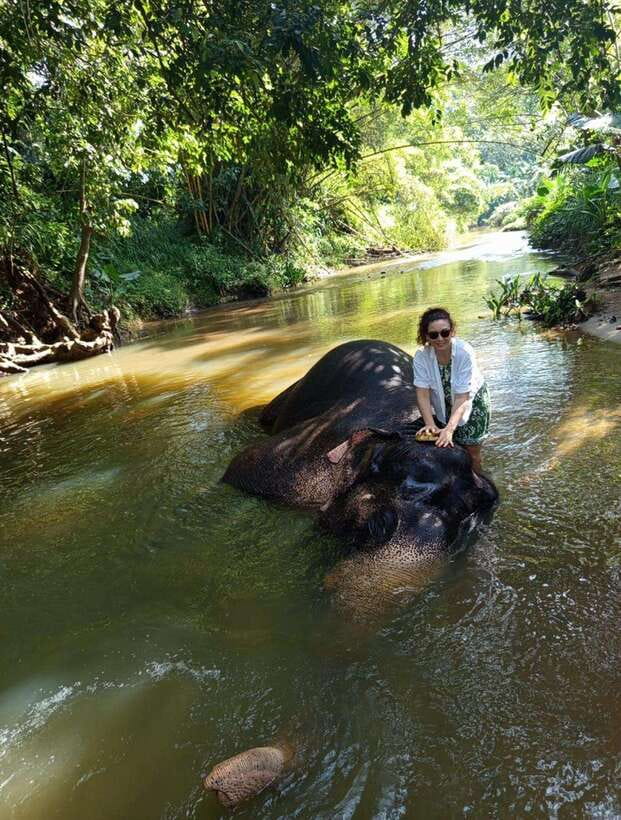
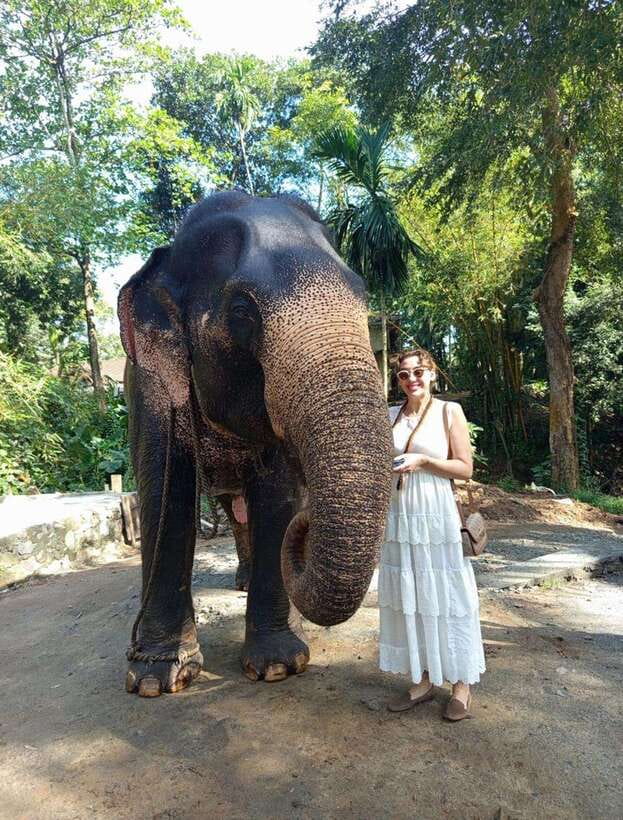
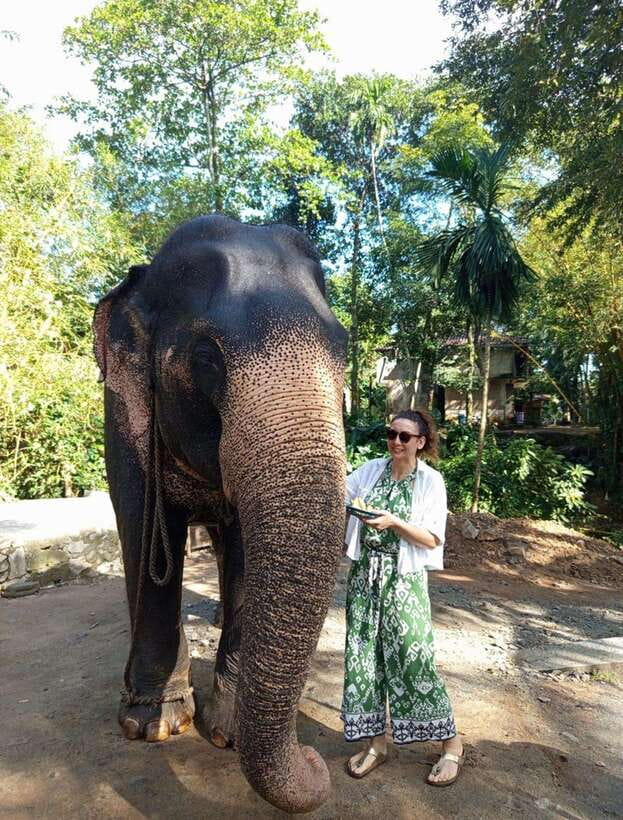
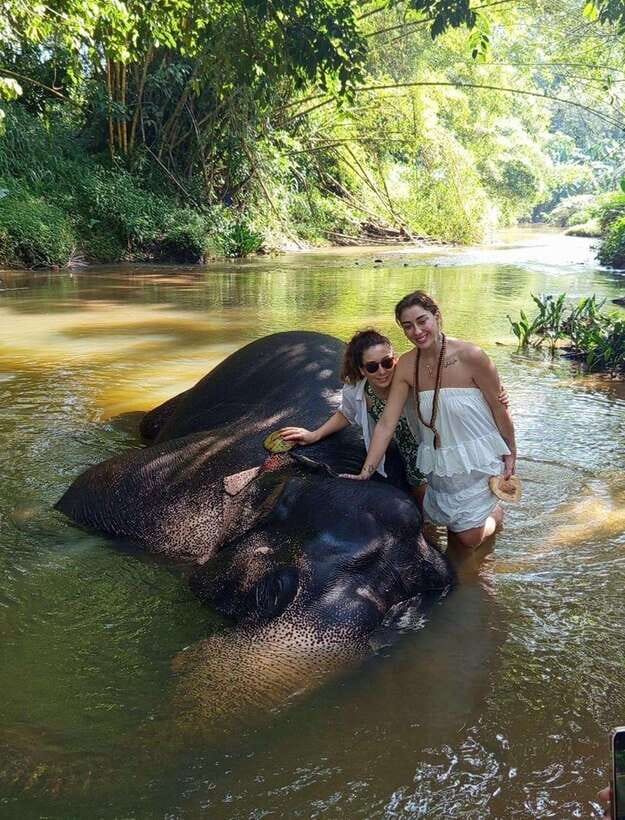
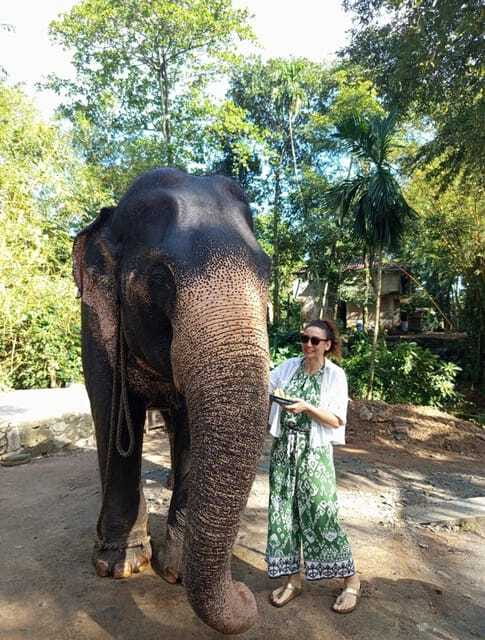
Pinnawala is where the day earns its wow factor. You’ll spend about an hour at the elephant orphanage, with time built in for photo stops, sightseeing, and some free time. The headline is seeing elephants bathing in the river and groups of them feeding—plus the everyday rhythm of a place where elephants are watched and cared for.
What makes this stop memorable is that it feels active rather than staged. When you’re there, you’ll notice how quickly elephant behavior shifts—one moment they’re calm and close to the water, then they move as a group. That’s why having time to wander a bit (not just stand still) matters.
A balanced note: animal-focused attractions can raise questions of ethics no matter where you go. I can’t tell you how to feel, but you can choose to be respectful—keep your distance, don’t force photos, and follow staff guidance when crowds build.
Also, flash photography is restricted in certain areas on this tour. Bring a camera that performs well without flash, and keep it ready, because elephant moments happen fast.
Bahirawakanda Temple and the Kandy viewpoint: quick stops, big perspective
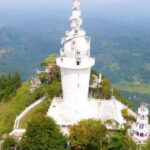
After Pinnawala, the route continues toward Kandy and you’ll hit a couple of short scenic/photography moments. One stop is the Bahirawakanda Temple area, then you’ll have a Kandy viewpoint stop for photos and a bit of walking.
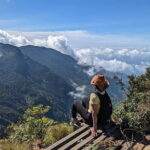
These are not long cultural sessions, but they’re useful. Kandy sits in a basin, and the viewpoint gives you a fast way to understand where the city spreads out below. That matters because when you later reach temple sites and the cultural centre, the topography suddenly makes sense—you’re not just wandering streets blindly.
The short stop format can be a good thing. It keeps energy up and avoids the “one-hour stretch where nothing changes” feeling. Still, if you’re the kind of person who likes to linger, you may want to treat these stops as warm-ups. Take the photo, get your bearings, and trust that the deeper time is scheduled later.
Temple of the Sacred Tooth Relic: why this site is the heart of Kandy
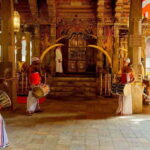
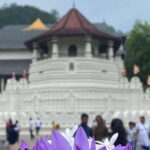
This is the one that really anchors the day. The tour includes a visit to the Temple of the Sacred Tooth Relic, a UNESCO World Heritage Site. Inside, the temple is known for housing the Buddha’s left canine tooth, and the place has that unmistakable feeling of devotion and importance.
You’ll have time for sightseeing and shopping. That combo is practical: you get the sacred part without feeling rushed, and then you can browse local temple-adjacent goods while the atmosphere is still fresh in your mind.
How to make this stop land well: go slowly on the first walk-through. Notice how visitors move, where people pause, and how the space is organized for respectful viewing. If there’s a festival period during your visit, that can add extra atmosphere, but even outside special events, the site feels ceremonial.
One more practical detail: flash photography is restricted in certain areas. So keep your camera on the right settings and plan for natural light. Temple lighting can be tricky—your best bet is to test your exposure before you shoot.
Lunch with a view over Kandy: plan for the extra cost
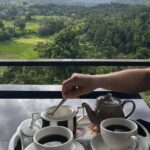
Lunch is on your own expense, even though the tour includes the break after the temple visit. You’ll stop at a restaurant with a viewpoint over Kandy, which is a nice setup because you’re not stuck eating lunch with walls and ceiling fans.
This is also the part of the day where you should think budget. The tour price includes a lot—transport, several tours, and even snacks—but it does not include your meal. If you’re trying to keep your day-trip costs low, decide what kind of lunch you want in advance and then stick to it.
For comfort, eat what you can manage easily and hydrate. The day blends sun exposure, walking, and vehicle time. A lunch pause helps you reset for the later factory stops—gem, batik, and tea—where you’ll be looking closely at products and listening to explanations.
Kandyan Cultural Centre: a guided window into local performance
After lunch, the tour heads to the Kandyan Cultural Centre, where you’ll get a guided tour. You’ll also have some free time to look around.
This stop is valuable because it’s not just shopping. A guided visit gives you context for what you’re seeing—especially in a region famous for Kandy traditions. The pacing is also smart: it sits after lunch, so you’re energized enough to take it in without feeling like you’re starting your afternoon in a fog.
If you like hands-on cultural understanding, you’ll probably enjoy this more than a pure viewpoint stop. If you’re not into performances or craft explanations, treat it as a short cultural reset before the more commercial factory visits.
Gem factory tour: how to shop without getting lost
A gem factory stop is included, with a tour plus time for shopping. You’ll learn about products and processes, and you’ll have a chance to buy souvenirs.
Here’s my practical advice: go in with a question-and-comparison mindset. Ask how the stone is graded or processed, then compare it to what you see in other places later. Because you’re given a guided tour, you’ll at least have basic language to judge what’s being claimed.
Also, decide your budget before you start browsing. Factory shops can be excellent, but they can also be overwhelming if you let impulse take the wheel. If you want one meaningful piece, a gem stop can deliver that. If you only want small souvenirs, look for items that match your price comfort.
Just remember: entrances are not included, but the gem factory tour itself is included—so your gem-buying costs will be separate.
Spice garden lesson and the wood carving process: small details, real value
The tour includes a spice garden visit and lesson, plus a wood carving process in the factory. These stops are easy to underestimate because they sound like side content, but they actually add texture to the day.
Why I like them: tea, gems, and crafts are usually presented as separate topics. The spice and wood carving stops connect those ideas to local production, tools, and everyday skill. Even a short lesson can make later purchases easier to understand.
At the wood carving stop, watch the process rather than only the final product. When you see how designs take shape, you’ll have a more realistic sense of why items are priced the way they are.
If you’re someone who enjoys learning from short demonstrations, these included components are a big part of the tour’s value.
Batik factory shopping: where style meets technique
You’ll also visit a batik factory, with time to buy souvenirs. Batik is one of those crafts where the materials and method matter more than the final look. Seeing how it’s made helps you spot quality—especially how patterns and dye layers hold up.
I recommend focusing on items you can picture using at home. Scarves, small wall pieces, and other wearable or display pieces tend to feel more worth it than something you might store and forget. Since you have shopping time, you can also compare sizes and patterns before deciding.
And keep an eye on photography rules. Flash isn’t allowed in certain areas on this tour, so if you’re snapping close-up dye or pattern work, rely on good lighting and steady hands.
Tea factory visit and tasting: the highlight that sticks
For many people, the tea stop is the one that lingers after the day ends. You’ll visit a tea factory, hear about the tea plantation, and enjoy a tea tasting where you can try and buy teas.
What makes this stop feel worth it is that it’s not just a walk-through. You get the process of how tea is made and then you taste what you learned. That gives you a practical memory: not just what the factory did, but what the tea actually tastes like.
If you’re a tea person, this is where you’ll feel like you’re getting information you can use. If you’re not, tasting can still help you decide whether Sri Lankan tea styles are your thing. Either way, the ability to purchase after you taste is a smart, grounded way to avoid buying blindly.
Pair this with your spice garden lesson if you want to make the day feel cohesive. You’ll start noticing how local production links to flavor—spices, herbs, and tea don’t live in separate worlds here.
Price and logistics: does $46 feel fair?
At $46 per person, this tour is packed. Your money goes toward pickup and drop-off from Colombo or Negombo, air-conditioned transport, and included add-ons like bottled water, snacks (local peanut or cassava chips), and a king coconut.
You also get several included experiences: spice garden lesson, gem factory tour, tea factory visit and tasting, and a wood carving process stop. Those included tours are the backbone of the value.
Two things to factor in: lunch isn’t included, and entrance tickets are not included. That means your final cost will be higher than $46 once you pay for meals and site entry fees. Also, the day can run long in the real world, so it’s not the best choice if you like early nights and strict schedules.
What you’re paying for here is not just sightseeing. It’s convenience plus multiple structured stops in one day, with enough variety to satisfy different interests—elephants, UNESCO culture, shopping, and tea.
Who this day trip is best for
This tour is a great fit if you want a broad sampler of Sri Lanka’s cultural and rural flavors without planning logistics. You’ll get elephants, Kandy’s major temple experience, craft-focused factory visits, and a tea tasting.
It’s less ideal if you strongly dislike long drives or you need very flexible timing. It’s also not suitable for wheelchair users or people with back problems, and it isn’t recommended for pregnant travelers based on the tour’s limitations.
If you like a packed itinerary and you’re comfortable walking on uneven ground in temple areas, you’ll likely feel satisfied. If you prefer one place deeply over many places quickly, you might find the pacing feels brisk.
Should you book the Pinnawala–Kandy–Tea Factory tour?
If you want one day that hits several unforgettable Sri Lankan moments—elephants bathing at Pinnawala, the solemn power of the Temple of the Sacred Tooth Relic, and tea tasting that gives you something to take home—this is a strong pick. The small group size and English-speaking driver also help the day feel smoother, and the tea factory stop is the type of experience that often becomes your personal top memory.
I’d only skip or swap this tour if you’re sensitive to long car time, or if you’re uncomfortable with animal-adjacent attractions that have ethical complexity. And if budget is tight, check your plan for lunch and any entrance fees so there are no surprises.
Bottom line: book it if you’re building a greatest-hits day trip and you want your time from Colombo or Negombo to count.
FAQ
What’s the duration of the tour?
The tour duration is listed as 8 hours.
Where does the tour pick up from?
Pickup is available from hotels in Colombo and Negombo.
How big is the group?
It’s a small group limited to 10 participants.
Is lunch included in the price?
No. Lunch is not included. You stop at a restaurant for lunch, but it’s at your own expense.
Are entrance tickets included?
No. Entrance tickets are not included.
What’s included in the tea experience?
You’ll have a tea factory visit, a plantation lesson, and tea tasting, with time to try and buy teas.
What snacks or drinks are provided?
You’ll receive a bottle of water, plus local peanut or cassava chips, and a king coconut.
Is the driver able to speak English?
Yes. The driver is English speaking.
Are there any photography restrictions?
Flash photography is restricted in certain areas, and you should expect limited use around some sites.
Is smoking or eating allowed during the trip?
Smoking is not allowed. Eating and consuming food or drinks are not allowed inside the vehicle.