REVIEW · KANDY
Kandy privet day tour with pinnawala and Tea plantation
Book on GetYourGuide →Operated by Lanka tours and transfers · Bookable on GetYourGuide
Kandy can feel like a movie set. This private Kandy day tour strings together three big hits—Pinnawala Elephant Orphanage, the Temple of the Tooth, and Peradeniya Gardens—so you get real Sri Lanka variety without rushing every hour on your own. I also love that the day includes hands-on nature stops, like the spice and herbal garden and the tea factory, so it’s not only temples and photos.
One thing to plan around: it’s a full day, and Sri Lanka’s religious sites come with a dress code. You’ll want to skip shorts, short skirts, sleeveless shirts, and see-through clothing, and wear comfortable shoes for walking.
The organization is another plus. The tour provider (Lanka tours and transfers) handles pickup from a long list of towns and can accommodate requests and tweaks to your plan after you discuss it with them. If you like a smooth schedule with some flexibility, this fits.
In This Review
- Key highlights worth your time
- How this Kandy day tour balances big sights and real stops
- Pinnawala Elephant Orphanage: the river-bath show up close
- Susantha Spice & Herbal Garden: what you should actually look for
- New Giragama Tea factory: turning a plant into a drink
- Peradeniya Royal Botanic Gardens: one hour to breathe
- Kandy Lake and the calmer side of town
- Temple of the Sacred Tooth Relic: respect, rules, and why it matters
- Bahirawakanda Temple and a fuller Kandy culture picture
- Traditional dance show: how to watch without feeling lost
- Price and value: what $47 covers, and what to budget
- Pickup timing, wardrobe rules, and the small things that save time
- Flexibility: adjusting the day when priorities shift
- Who should book this Kandy day tour
- Should you book this tour?
- FAQ
- What is the duration of this Kandy day tour?
- How much does the Kandy privet day tour cost?
- What’s included in the price?
- What is not included?
- Where does pickup happen?
- Where can you be dropped off?
- Is there an English-speaking guide?
- Is the tour wheelchair accessible?
- What should I bring and wear?
- Can the tour plan be changed?
Key highlights worth your time
- Pinnawala Elephant Orphanage with the daily river bathing routine you can watch up close
- Temple of the Sacred Tooth Relic in Kandy, one of Sri Lanka’s most important Buddhist sites
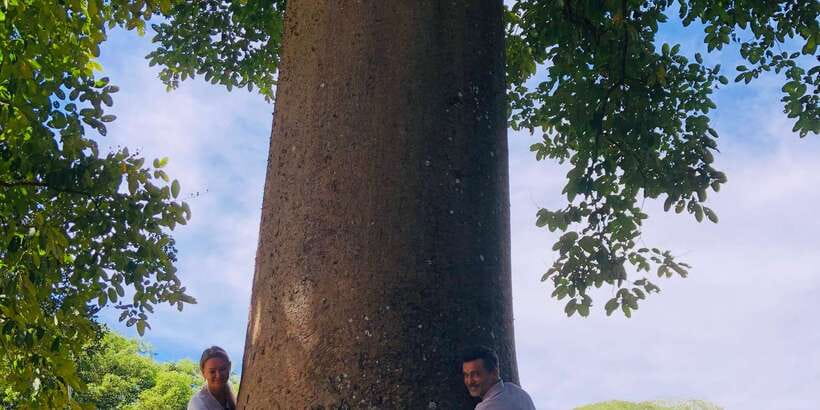
- Peradeniya Royal Botanic Gardens for a slow, easy walk through tropical plant collections
- New Giragama Tea factory stop, with tea-focused time at a factory and restaurant
- Susantha Spice & Herbal Garden to learn how plants are used beyond just sightseeing
- Traditional dance performance to understand Kandy culture through movement and music
How this Kandy day tour balances big sights and real stops
This is the kind of day trip that makes sense in Central Province because Kandy sits in the hills and the best add-ons are close enough to do in one push. You’re not just ticking off landmarks. You’re also getting the day’s “why” behind Sri Lanka’s culture: elephants, Buddhism, plants, and tea.
The day is built around a classic Kandy triangle: the sacred center (Temple of the Tooth), a calm nature break (Peradeniya Gardens, plus Kandy Lake time), and a look at how the region’s crops and plants matter (spice and herbal garden, then tea). That mix is what makes this feel like more than a checklist tour.
Timing and comfort matter here. You’ll be on an air-conditioned vehicle most of the day, but you’ll still do walking at temples and in gardens. If your feet tend to get grumpy fast, bring shoes with real support.
You can also read our reviews of more tours and experiences in Kandy.
Pinnawala Elephant Orphanage: the river-bath show up close
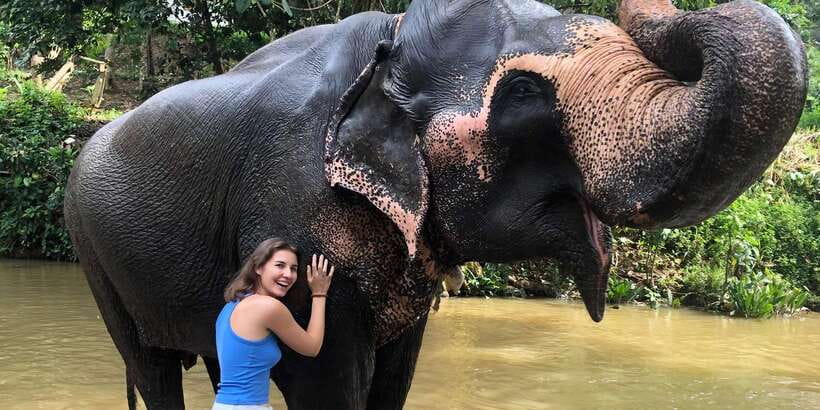
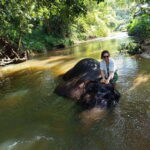
Pinnawala’s elephant orphanage is a big reason people build their Central Province plans around Kandy. It was established as a sanctuary for orphaned and injured elephants (since 1975), and the caretakers focus on rehabilitation. The highlight here is that you see the elephants as living animals, not just statues—especially during their bathing time in the nearby river.
Plan for a very watchable rhythm. You go in for about 45 minutes, and that’s usually enough time to see the daily routine in action, including elephants splashing and moving around. It’s also the kind of stop where you’ll understand why people emotionally connect to the place. You’re seeing caretaking in real time.
Practical note: bring a light layer if you run cold in vehicles, but expect warm conditions at the river. Also, stay aware of your footing and the crowd flow. This is a popular stop, so moving slowly and keeping your balance makes the experience smoother.
Susantha Spice & Herbal Garden: what you should actually look for
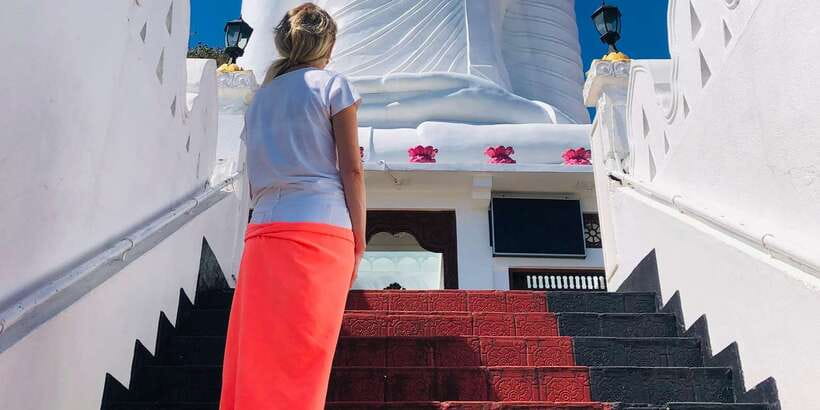
After elephants, you shift gears to plants. The tour includes a stop at the Susantha Spice & Herbal Garden for about 30 minutes. This is where you can slow down and pay attention. Instead of treating it like a quick photo stop, focus on how the garden demonstrates everyday uses of local plants.
Even if you only catch part of the explanations, you’ll still leave with a better sense of what “spice and herbal” means in Sri Lanka. It also adds a nice break from temples—your body gets movement, and your mind switches from stories and relics to practical botany.
The big value here is context. Later in the day, the tea factory stop makes much more sense if you already understand how the region treats plants as a resource.
New Giragama Tea factory: turning a plant into a drink
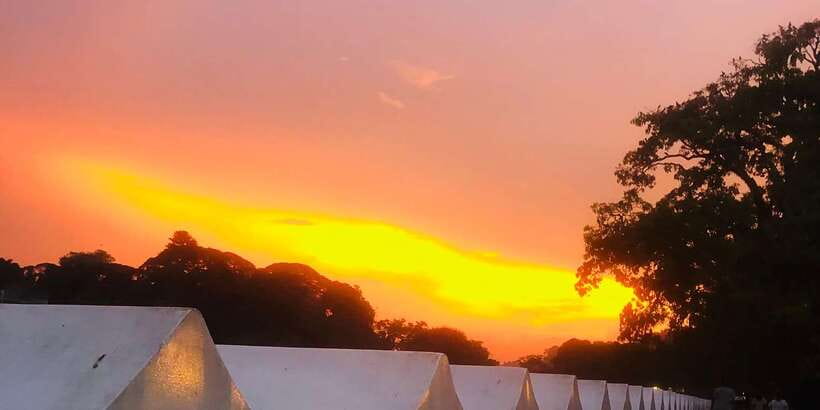
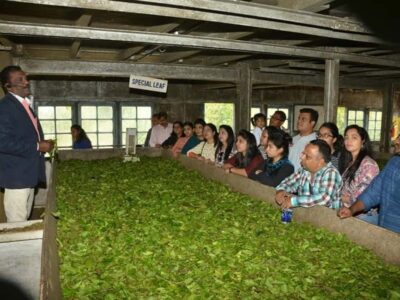
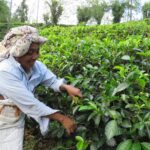
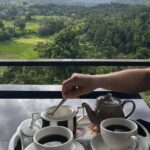
Next comes New Giragama Tea factory & Restaurant with about 30 minutes scheduled. Tea is one of Sri Lanka’s best-known exports, but most people only understand it as a product in a cup. A factory visit gives you the process side: where tea comes from, how it’s handled, and how that transforms into the final beverage.
What I like about adding tea here is pacing. You’re coming off the botanical garden and spice stop, so you’re not hearing “tea, tea, tea” in a vacuum. By the time you reach the factory, you’re already primed to connect plants to process.
The restaurant part can be useful too, depending on how the stop is timed. Just remember: meals and drinks are not included in the tour price, so if you plan to eat there, budget extra.
If you’re serious about tea, take notes mentally. Ask what’s being made or processed during that time window—your guide can often connect the dots between plantation products and factory handling.
Peradeniya Royal Botanic Gardens: one hour to breathe
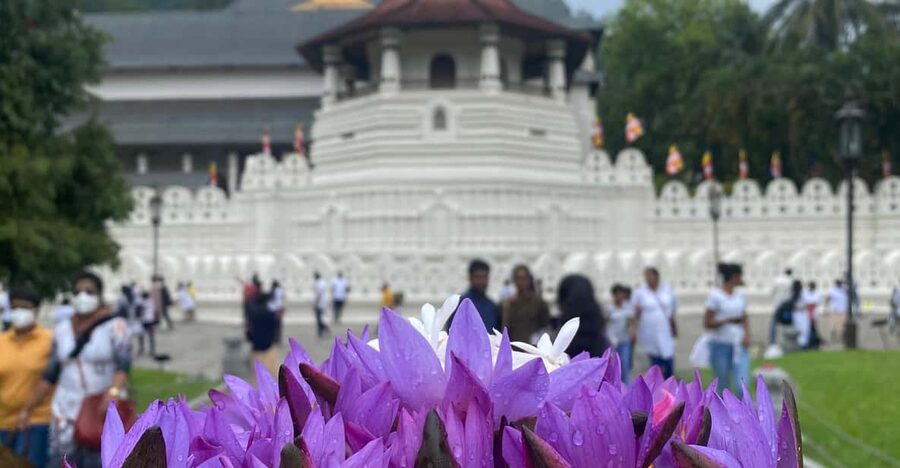
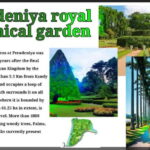
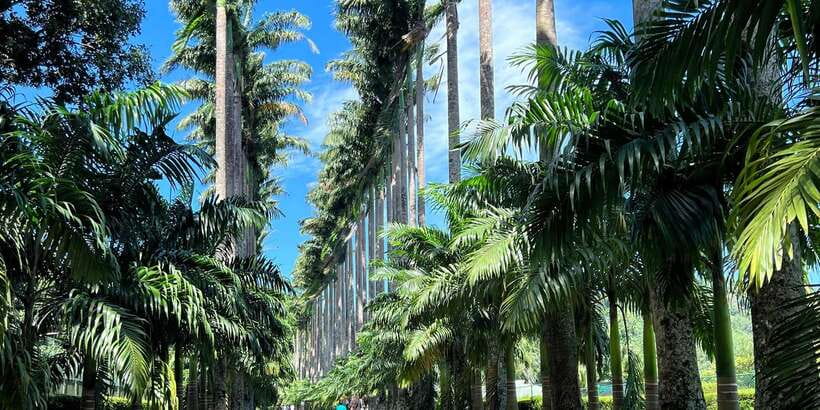
Peradeniya Royal Botanic Gardens is a structured hour of walking and looking, and it’s one of the most satisfying breaks in the whole day. Expect a well-kept garden environment with a collection of tropical flora. This is the kind of stop where you don’t need to power through. It’s built for a slower pace, and it gives you a mental reset between busy cultural sites.
If you’re traveling in heat, gardens can be your friend. You’ll likely find shade spots and a calmer rhythm than city streets. The tradeoff is simple: you still need comfortable shoes. Even “easy walking” in humid weather can wear you down, so plan to take your time.
Also, keep your camera ready but don’t stand still too long. Let the walkway and shade sequence guide you. You’ll get more good frames without feeling exhausted.
Kandy Lake and the calmer side of town
The tour plan includes time at Kandy Lake. This works well as a transition. You’re moving from garden calm to sacred sites and then cultural performance. Lake walking time gives you open-air space and a chance to see Kandy’s layout without a line of temple stairs.
In practical terms, think of it as the day’s “cool down” moment. If you’re feeling drained, use this time to slow your pace, drink water (you’ll have bottled water from the tour), and step back from the schedule.
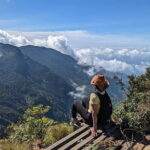
The lake area also tends to be a natural spot for panoramic views of the surrounding hills, so even if you’re not a landscape photographer, you’ll appreciate the change of scene.
Temple of the Sacred Tooth Relic: respect, rules, and why it matters
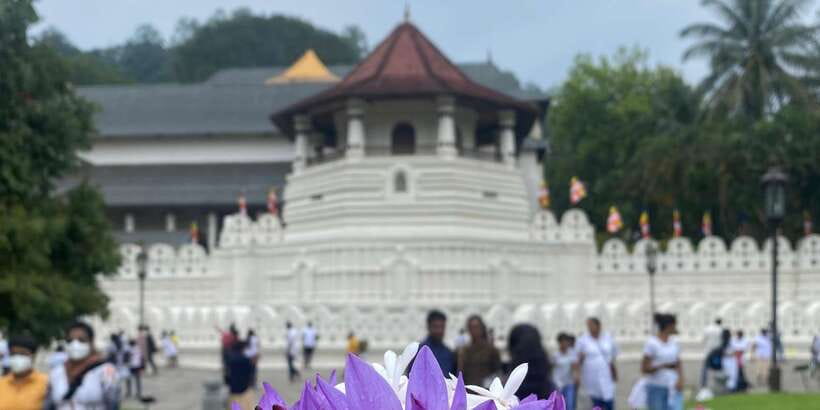
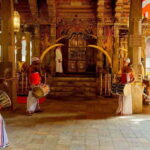
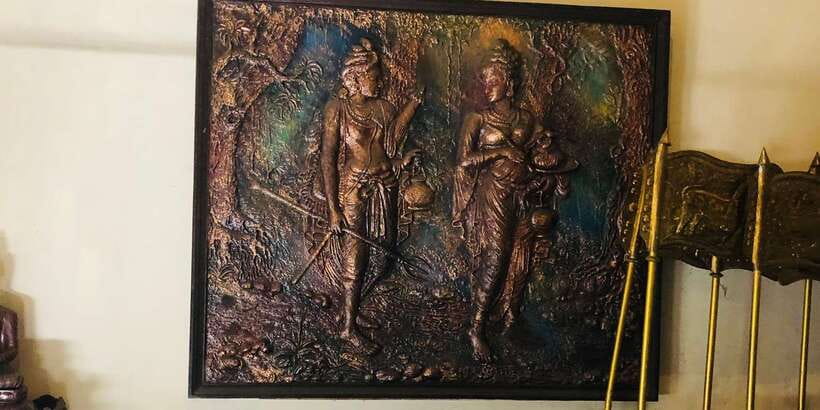
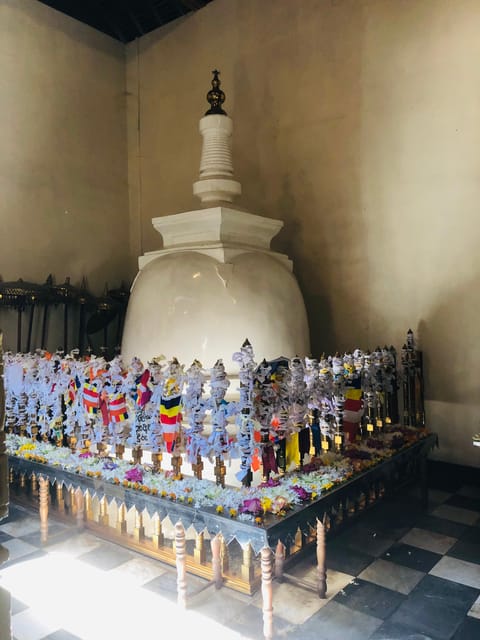
Kandy’s Temple of the Sacred Tooth Relic (Sri Dalada Maligawa) is the spiritual centerpiece of the day. The temple houses the relic of the tooth of the Buddha, and the architecture and atmosphere are part of what makes it so meaningful.
Here’s what you should expect: the site is active and sacred, so you’ll want to keep your pace respectful and your behavior calm. Dress matters for entry and comfort. The tour info is clear about what’s not allowed—shorts, short skirts, sleeveless shirts, and see-through clothing—so plan outfits that fit both the weather and the rules.
The visit time is listed in the itinerary (the number shown looks like a typo), but in practice you should plan on a fairly focused time slot—enough to see the main areas without turning the day into a half-day temple marathon.
If you want to get the most out of it, don’t just look up at details. Pause and take in the sound and movement of worship. That’s where the temple becomes more than a building.
Bahirawakanda Temple and a fuller Kandy culture picture
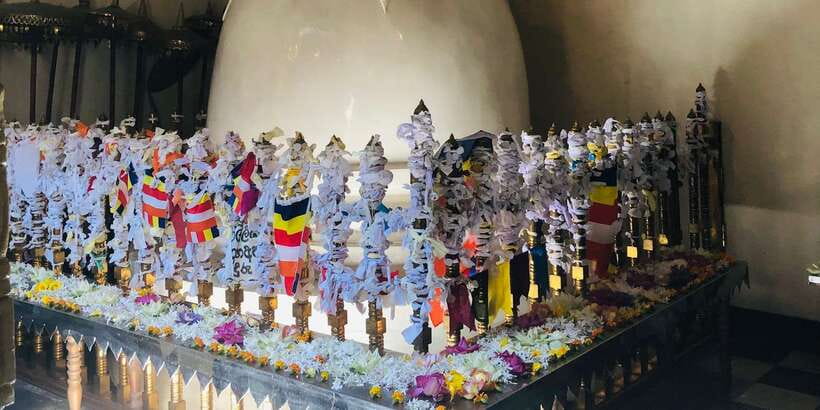
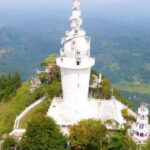
The schedule also includes Bahirawakanda Temple for about 30 minutes. This stop adds another layer to Kandy beyond the Tooth Relic. It’s a good way to feel that this city’s spirituality isn’t one single location—it’s part of how the hills and communities connect.
Because the time window is shorter, you’ll want to approach it like a “see and absorb” stop, not a deep-study location. Take what you can in the time you have and keep it moving. Your day will still feel complete because the Tooth temple anchors the main story.
Traditional dance show: how to watch without feeling lost
Kandy’s cultural side continues with a traditional dance performance. This is one of those activities that’s best when you don’t overthink it. You don’t need to know the history to enjoy what you see—rhythm, costumes, and movement carry a lot on their own.
Still, if you’re the type who likes meaning, ask your guide what you’re watching. A good guide can help you connect the dance style to local culture so it doesn’t feel like a staged add-on.
This stop also serves as a useful punctuation mark to the day. After temples and gardens, your eyes switch from carvings and plants to motion and music. It’s a nice mental reset.
Price and value: what $47 covers, and what to budget
At $47 per person, the value depends on how much you normally spend on transport plus guide time. The tour includes hotel pickup and drop-off, an air-conditioned vehicle, parking and transport-related fees, and bottled water for each guest. Those basics matter in Sri Lanka, where “getting there” can take longer than you’d expect.
What’s not included is the important part: entry tickets (for the major sites) and food and drinks. Since those aren’t bundled, your final day cost will depend on what you choose to pay for on-site.
My take: if you want a one-day route that covers elephants, Kandy’s sacred center, gardens, and tea/spice learning—with pickup from your hotel—this price feels reasonable. If you’re traveling with your own car, already have tickets lined up, and don’t need a guide, then the value drops. But for most people planning a first Kandy day, the convenience is real.
Pickup timing, wardrobe rules, and the small things that save time
This tour includes pickup from many towns (Negombo, Colombo, Galle, and a wide list of beach-side stops). You’ll wait in your hotel lobby, and you should be ready about 10 minutes before the scheduled pickup.
Two “save yourself” tips:
- Wear shoes you can walk in for an hour in gardens plus temple steps.
- Bring clothing that passes the site rules: no shorts, no sleeveless tops, no see-through outfits.
Also, keep a copy of your passport handy. The tour data specifically mentions bringing it, so don’t leave it buried in your bag.
Flexibility: adjusting the day when priorities shift
A standout from the provided info is that you can discuss and change the tour plan with the team. There’s even mention of a gem museum stop in the tour details, and the general message is that they’re flexible for their clients.
In real travel terms, that means if you’re more excited about tea than the other quick stops, or you want to spend a little more time somewhere early, it may be possible. It’s not a blank check, but it’s reassuring compared with rigid, no-adjustment tours.
Who should book this Kandy day tour
This works best if you want:
- A first-time Kandy day that hits the major icons without doing logistics yourself
- A balance of culture (Temple of the Tooth), nature (Peradeniya Gardens and Kandy Lake), and learning (spice and tea)
- Private-group comfort with an English live guide
It might be less ideal if:
- You hate long driving days or you want a slow, uncrowded schedule with lots of free time
- You prefer fully independent travel with your own ticketing and route planning
Should you book this tour?
If your goal is a high-value one-day overview of Kandy’s most famous experiences—elephants at Pinnawala, the sacred Temple of the Tooth, and the gardens and tea/spice context—this is a solid choice. The biggest reason to book is the mix: it’s not only temples, and it’s not only animals. It’s a complete “Central Province” story in one day.
If you’re sensitive to the full-day pace, plan your clothing and shoes carefully and keep expectations realistic about time at each stop. With that, you should leave with a Kandy day that feels full, not frantic.
FAQ
What is the duration of this Kandy day tour?
It’s listed as a 1-day tour.
How much does the Kandy privet day tour cost?
The price is $47 per person.
What’s included in the price?
Hotel pickup and drop-off, an air-conditioned vehicle, parking and transport-related expenses, and bottled water for each guest.
What is not included?
Entry tickets and any food or drinks, plus expenses of personal nature.
Where does pickup happen?
Pickup is available from many locations, including Negombo, Kandy, Unawatuna, Weligama, Induruwa, Colombo, Hikkaduwa, Galle, Mirissa, Ambalangoda, Ahangama, Ahungalla, Kosgoda, Bentota, Wadduwa, and Kalutara.
Where can you be dropped off?
Drop-off is available at multiple locations, including Induruwa, Wadduwa, Kandy, Ahungalla, Kalutara, Hikkaduwa, Kosgoda, Ahangama, Bentota, Ambalangoda, Unawatuna, Colombo, Negombo, Galle, Weligama, and Mirissa.
Is there an English-speaking guide?
Yes, the tour includes a live tour guide in English.
Is the tour wheelchair accessible?
Yes, it’s listed as wheelchair accessible.
What should I bring and wear?
Bring your passport and wear comfortable shoes. Avoid shorts, short skirts, sleeveless shirts, and see-through clothing.
Can the tour plan be changed?
The tour information says you can discuss with them and change the tour plan, and they indicate they are flexible for clients.