REVIEW · NUWARA ELIYA
Explore Nuwara Eliya | Experience the Best Tea in the World
Book on Viator →Operated by ASY Tours Sri Lanka · Bookable on Viator
Tea and misty hills in one trip. This private tour is interesting because it focuses on how Sri Lankan Ceylon tea is made, not just where it grows. I especially love the tea-industry focus and the fact that you get plenty of time to ask questions. One possible drawback: part of the day involves stops where admission isn’t included, so you may want to budget a bit beyond the base price.
This is a great format if you like a plan that still feels personal. Your guide sets the pace, and the private round-trip transportation means you’re not hustling between far-flung places on your own. If you’re lucky, you might get a guide like Deva, who was described as extremely helpful with laugh-out-loud humor, plus clear English and good communication.
In This Review
- Key things I’d circle before you book
- Tea day in Nuwara Eliya: why this tour feels practical
- Oak Ray Tea Factory & Museum: the free tea-making lesson
- Ramboda Waterfall stop: a cool reset between plantations
- Bluefield Tea Gardens: what “plucking to processing” actually means
- Damro Labookellie Tea Centre and Tea Garden: guided tea with views
- How the private format changes your tea day
- Price and value: is $49 per person a fair deal?
- Who should book this tea-focused outing
- Final verdict: should you book?
- FAQ
- FAQ
- How long is the Nuwara Eliya tea tour?
- What does the tour cost?
- Is this tour private?
- What’s included in the price?
- Which tea places might you visit?
- Are admissions included at each stop?
- Does the tour involve pickup?
Key things I’d circle before you book
- Private party only: you won’t be sharing this tea day with strangers.
- Tea factory and museum time at Oak Ray, including a museum component (and free admission).
- Weather matters here: the tour requires good conditions and may reschedule if weather turns.
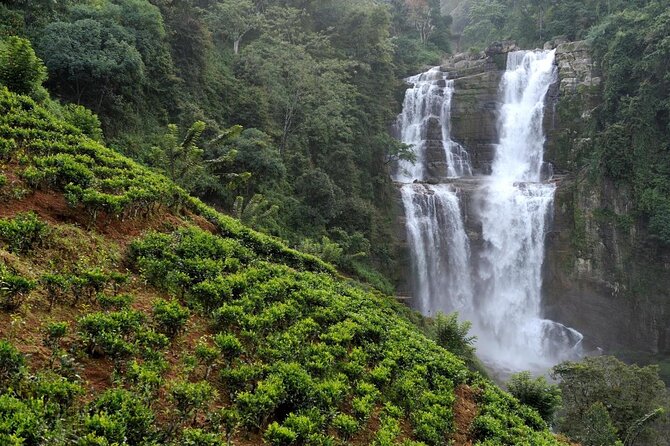
- A waterfall stop en route (Ramboda), giving you a nature break with cool mist.
- Two tea stops from a set of three: Oak Ray, Bluefield, and Damro Labookellie.
- Pricing value check: admission isn’t included for every stop, and factory shops can be pricey.
Tea day in Nuwara Eliya: why this tour feels practical
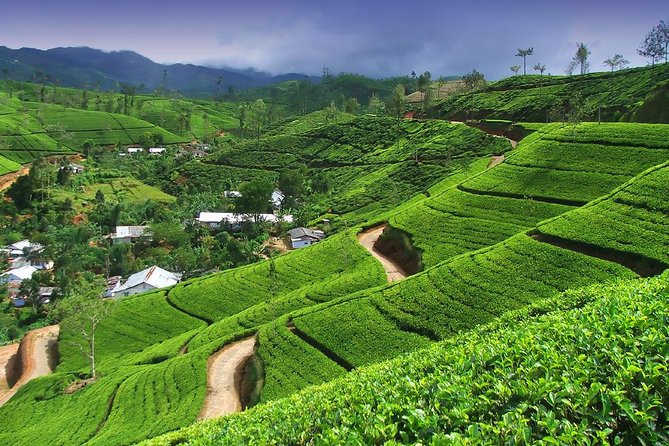
Nuwara Eliya is famous for cool air, big views, and that strong tea culture you keep hearing about in Sri Lanka. What I like about this tour is that it stays grounded in the product itself. You’re not just taking photos and moving on; you’re seeing how leaves become tea through the steps of picking, processing, and packaging.
Also, the tour is designed so you can actually talk. With a private setup, you can ask why one process matters or what terms you’re hearing back in cafés. That’s a big deal with tea, because it’s easy to feel like you’re being given facts without context. Here, your guide can connect the dots in plain language.
The pacing is also sensible for a half day. You’ll be out for about 3 to 5 hours, which is long enough to feel like a real outing, but short enough that you can still enjoy the rest of Nuwara Eliya on your own after.
One note before you go: pricing is shown as $49 per person, but “all fees and taxes” are not included. That’s common for tours, but it’s worth keeping in mind so you’re not surprised at checkout or when you pay for admissions later.
You can also read our reviews of more tours and experiences in Nuwara Eliya.


Oak Ray Tea Factory & Museum: the free tea-making lesson
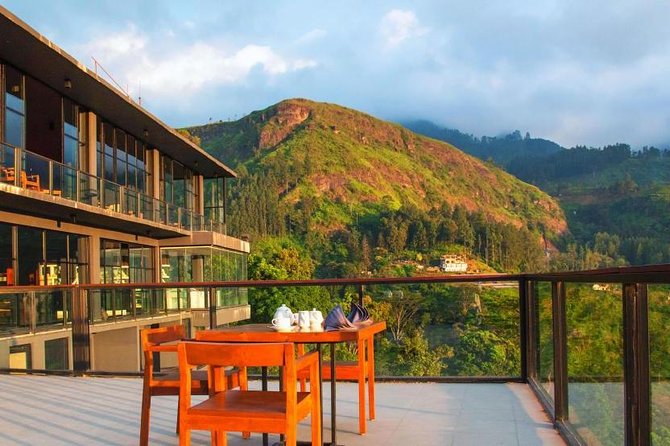
Oak Ray is the first stop for this tea-focused day, and it’s a smart starting point. You’ll spend about 30 minutes at the Oak Ray Tea Factory Labukele area, with admission ticket free listed for this stop.
What you’re looking for here is the logic of tea production. The factory setup shows the path from leaf to product, including what happens after leaves are picked. You’ll also see the modern machinery used for processing, so it’s not only a “historic tea hut” kind of stop. It’s the real manufacturing side.
Then there’s the museum portion. The Tea Museum includes historical artifacts related to tea, which helps you place today’s cup into a bigger story. You’ll also get a freshly brewed cup while you’re there, and that alone is worth paying attention to. Taste it slowly. Notice how the flavor changes after you hear what’s happening during processing.
The best part, in terms of traveler value, is that you’re learning early while your energy is still high. This makes the later garden and centre stops easier to understand because you already know what the factory is trying to achieve.
A small practical tip: if you plan to buy tea at the factory shop, go in with eyes open. In feedback from a past visitor, the tea in the shop was described as super expensive, so they chose not to buy. That doesn’t mean it’s bad tea; it just means you’ll want to decide whether you’re paying for the experience premium or only for the product.
Ramboda Waterfall stop: a cool reset between plantations
Ramboda Waterfall is built into the route and takes about 40 minutes. Admission is listed as not included, so if this is a must-see for you, set aside a little cash for the entrance.
This is your break from tea production talk. While factories focus on steps and processing, waterfalls give you a palate cleanser—cool mist, green scenery, and a pause to stretch your legs. It’s also a nice moment to step out of the car and feel the weather change as you move around Nuwara Eliya.
Why this stop is worth the time: tea tours can get repetitive if you only see production sites. Adding Ramboda changes the rhythm of the day and makes the tour feel less like a checklist.
Downside to consider: you’ll be outside, so your comfort depends on conditions. If the weather isn’t great, this type of outdoor stop can feel damp and chilly rather than refreshing. Since the overall tour requires good weather, the operator may reschedule rather than run in poor conditions.
Bluefield Tea Gardens: what “plucking to processing” actually means
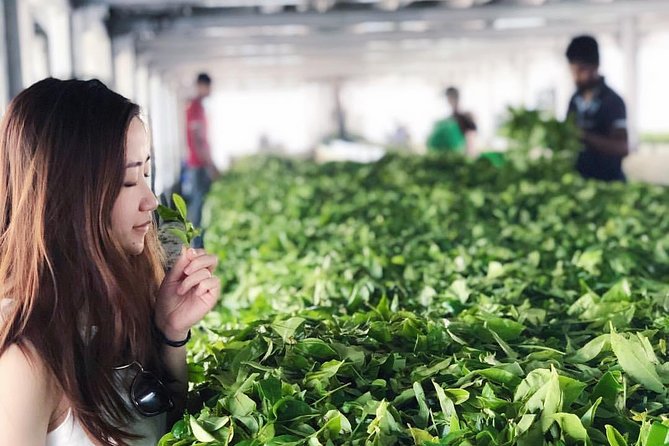
Bluefield Tea Gardens is one of the tea estate options on the tour. You’re typically looking at about 30 minutes here, and admission is not included.
In a garden stop like this, the value is in the sequence. You’ll get a guided tour through the tea fields and hear how tea cultivation works from picking (plucking) through processing. This matters because it’s easy to assume tea is mostly about brewing. But what happens before the leaf ever reaches your cup is a huge part of the final flavor.
What you’ll likely notice is the daily work vibe: tea plants, careful picking, and the sense that this is ongoing labor rather than a “one-time show.” The air is usually full of tea leaf scent, and that makes the whole thing feel tangible.
There’s a potential tradeoff here. Because admission isn’t included, the final cost on your day may be a bit higher than the base tour price if you add multiple paid entries. Still, I think Bluefield is a solid choice if you want to understand cultivation, not just factory machinery.
Also, because this stop is shorter (about 30 minutes), you’ll want to come ready with questions. Ask what part of the leaf timing matters, or what visitors usually misunderstand about how processing affects flavor.
Damro Labookellie Tea Centre and Tea Garden: guided tea with views
Damro Labookellie Tea Centre and Tea Garden is the other estate option you may visit. In the planned route, it takes about 45 minutes, and admission is listed as free.
This stop is a bit longer than Bluefield, which gives you more time to absorb the process. Like the other tea sites, the focus is on moving from leaf to cup. You’ll take a guided tour through plantations and processing steps, and the center description emphasizes smell—freshly brewed tea aroma in the air.
What I like about tea centres like this: they usually explain the workflow in a way that connects to what you can taste. Even if you’re not a tea nerd, you can usually follow the main idea fast—how leaves are prepared, then processed, then turned into a product that brews consistently.
There’s also the “views + calm” factor. The centre is described as having a tranquil ambiance and scenic surroundings, which is exactly what you want on a tea day. You’re not stuck in a loud shop line. You can slow down.
One practical thought: free admission doesn’t always mean free purchases. If you’re interested in buying tea, expect shops to price for the location and the tasting experience. If you’d rather spend your money on snacks or souvenirs outside, that’s completely valid.





How the private format changes your tea day

This tour is private, meaning it’s for your party only. That’s not a small detail. With private transportation included, you avoid the effort of figuring out timing between scattered hills and viewpoints. You also get a guide who can match your pace—slow, question-heavy, or photo-focused.
Private transport is especially helpful in places like Nuwara Eliya, where you’ll be dealing with roads that can feel twisty and timing-dependent. Having pickup and round-trip transportation reduces friction and keeps the day from turning into a transport stress test.
The guide component is also where this experience can become more than sightseeing. In prior feedback, Deva was praised as extremely helpful and funny, and communication plus English were called out as excellent. Even if your guide isn’t Deva, you can take the hint: this tour leans on clear guidance, not vague explanations.
For you, that means a better chance you’ll walk away with real understanding. You’ll hear how tea production works across different sites, and you can connect what you see in a factory to what you saw in gardens.
Price and value: is $49 per person a fair deal?
Let’s talk value in a way that helps you decide.
At $49 per person, you’re paying for a private tea-focused tour in Nuwara Eliya that includes private transportation. That’s a big chunk of the cost in many Sri Lanka day tours, because transport time and fuel add up quickly across tea country roads.
What you should mentally add is the parts marked as not included. Ramboda Waterfall has admission not included. Bluefield Tea Gardens has admission not included. Meanwhile, Oak Ray and Damro Labookellie are listed with free admission tickets in the provided plan.
So your total day cost depends on which tea estate stops you land on and whether waterfall admission comes into play. If you end up paying for both the waterfall and a non-free estate, the tour still looks like decent value because you’re still getting private transport and guided time. If you’re only paying for one paid admission, it’s an even stronger deal.
One more value angle: this tour is designed to keep you from doing tea research on your own. If you’ve ever tried to plan tea factory visits independently and realized how confusing it can get, you’ll appreciate paying for someone to structure the day.
Just remember the “shop premium” factor. If you like buying tea, prices at factory shops may be steep. That means the best value approach is to treat purchases as optional, not automatic.
Who should book this tea-focused outing
I’d book this if you:
- want a tea day with real explanations, not just photo stops
- prefer a private format for questions and pacing
- enjoy seeing how products are made, from cultivation to processing
- want a plan that still includes a nature break at Ramboda
You might skip it if:
- you only care about waterfalls and views, with zero interest in tea production
- you hate paying for extra admissions at outdoor sites
- you’re on a tight budget and want everything included
If you’re a tea beginner, this is still a good choice because the day is structured around a straightforward production story. If you’re a tea lover, you’ll likely enjoy comparing the factory-style explanation at Oak Ray with the garden/cultivation side at the estates.
Final verdict: should you book?
Yes, I think you should book this tour if you want an efficient, guided tea day in Nuwara Eliya that goes beyond the usual sightseeing loop. The private transport and the dedicated tea focus make it feel worthwhile, even at a modest $49 per person.
My advice: go into it expecting to learn and to taste, not to buy. If you plan your budget around possible paid admissions for Ramboda and Bluefield, you’ll have a smoother day. And if you get a guide like Deva, you’ll probably leave with more than tea knowledge—you’ll leave with a story about the day’s humor and good conversation.
FAQ
FAQ
How long is the Nuwara Eliya tea tour?
The tour runs about 3 to 5 hours.
What does the tour cost?
It’s $49.00 per person.
Is this tour private?
Yes. It’s a private tour/activity, and only your group participates.
What’s included in the price?
Private transportation is included. Admission fees and taxes are not included.
Which tea places might you visit?
The tour is tea-focused and can include two of the following tea sites: Damro Tea Factory, Blue Field Tea Garden, and OAK RAY Tea Factory and Museum.
Are admissions included at each stop?
Admission is listed as free for Oak Ray Tea Factory & Museum and Damro Labookellie Tea Centre and Tea Garden. Admission is not included for Ramboda Waterfall and Bluefield Tea Gardens.
Does the tour involve pickup?
Pickup is offered, and the tour includes private round-trip transportation.