REVIEW · KYOTO
Kyoto Private Tea Ceremony with Tea Master at Home
Book on Viator →Operated by SAKURA Experience Japanese Culture Nijo Home · Bookable on Viator
Kyoto has a way of slowing you down, fast. This one-hour private tea ceremony happens in a real home setting, not a stage, with Aya-sensei guiding you step by step through the etiquette. I love how hands-on it is, especially when you whisk matcha yourself, and I also love the included wagashi—three types that are gluten-free and vegan—so you can enjoy Kyoto sweets without the usual diet headaches. One thing to consider: you do need to follow the house rules (socks, dress code, no perfume), or you could get turned away.
What makes the experience feel special is the quiet focus. You’ll sit in traditional tea-room spaces (Koma and Hiroma), sip multiple bowls you helped make, and leave with a small booklet that explains what you just practiced. It’s short, but it doesn’t feel rushed.
In This Review
- Key Highlights You’ll Actually Care About
- A Private Kyoto Tea Room Near Nijo Castle
- Matcha From Uji and the Ritual of Whisking It
- Wagashi for Many Diets, Still Very Kyoto
- What Happens in Your 1-Hour Session With Aya-sensei
- Traditional Tea Tools and Thoughtful Kyoto Details
- Price and Value: $99 for a Private Kyoto Tea Ceremony
- Who Should Book This Tea Ceremony (and Who Might Not Love It)
- Should You Book Sakura Experience Japanese Culture Nijo Home?
- FAQ
- What’s the duration of the Kyoto private tea ceremony?
- How much does it cost?
- Is this experience private?
- What’s included during the tea ceremony?
- Are the sweets suitable for dietary restrictions?
- Do I need to wear socks?
- What should I wear?
- Is kimono rental included?
- What’s the age policy?
- Is there free cancellation?
Key Highlights You’ll Actually Care About
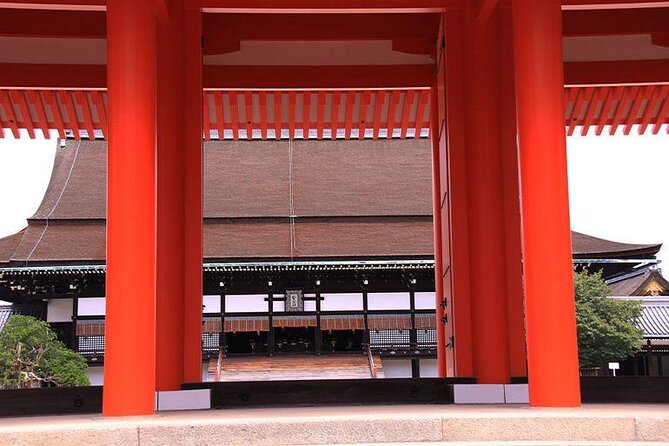
- A tea master-led, private session in a Kyoto home near Nijo Castle
- Matcha you make yourself with a bamboo whisk, plus two bowls of matcha
- Seasonal wagashi that are gluten-free and vegan, served with the ritual
- Custom tea bowls and real tea sources, including matcha from Uji
- Aya-sensei’s clear English and patient teaching (plus helpful photo support from her husband in at least one review)
- A takeaway tea ceremony booklet, so the meaning sticks after you leave
A Private Kyoto Tea Room Near Nijo Castle
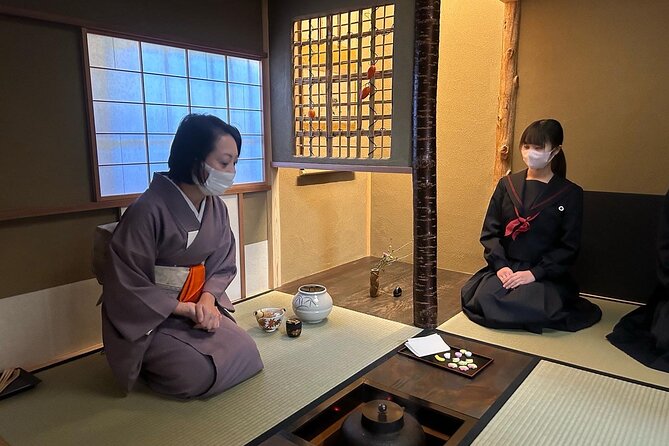
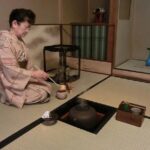
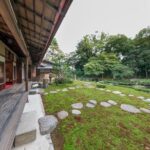
This is Kyoto tea ceremony culture in a residential setting—quiet, respectful, and purposely not flashy. The meeting point is Sakura Experience Japanese Culture Nijo Home, in Izumichō near Nijo Castle, and the session ends back there. Instead of walking into a hotel ballroom, you’re stepping into a home where tea is treated like a living craft.
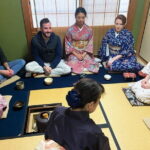
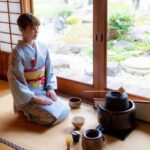
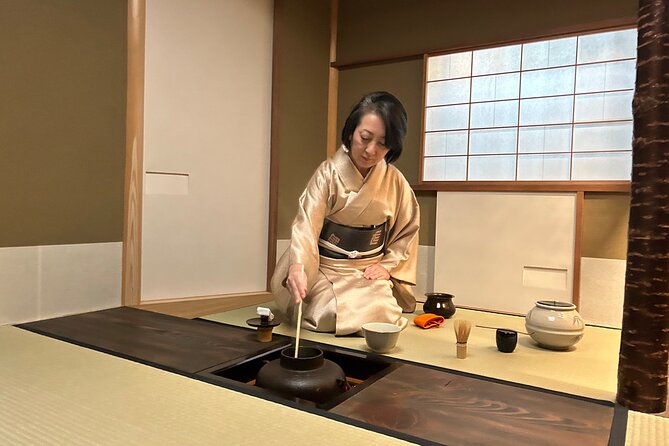
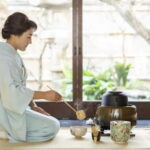
The ceremony takes place in traditional tea rooms called Koma and Hiroma. That matters, because the whole point of the tea ritual is how every movement, sound, and pause fits the space. Reviews repeatedly highlight how welcoming Aya-sensei feels, and how comfortable her guidance makes it to ask questions without feeling rushed.
Here’s the one practical caution: this is a strict etiquette class. Kids aged 13 and under can’t join, and if you arrive more than 15 minutes after the start, you won’t be able to participate (no refund). So I’d plan your trip timing with buffer, especially if you’re walking from a nearby stop.
Also, plan for tatami rules. You’ll need to wear socks (not bare feet) to help protect the tatami mats. If you forget, socks are available for purchase on site.
You can also read our reviews of more tours and experiences in Kyoto.
Matcha From Uji and the Ritual of Whisking It
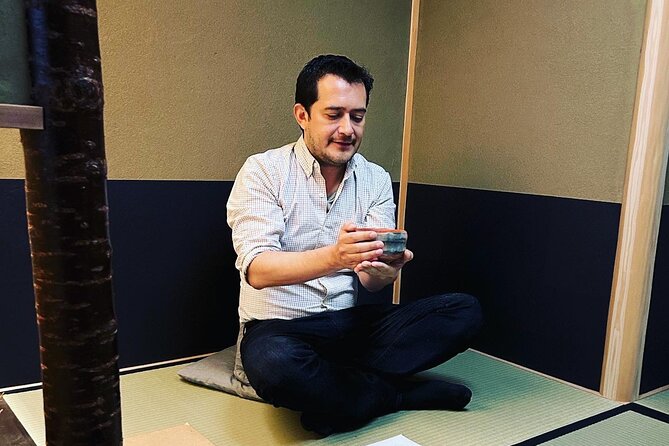
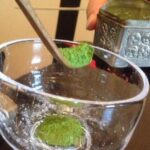
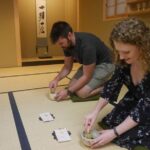
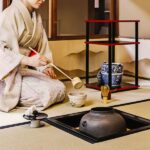
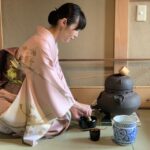
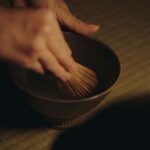
The core of the session is matcha, prepared the traditional way with a bamboo whisk. You’ll learn the proper sequence and meaning behind each step, then you get to do parts of the ritual yourself. Since you’re making the tea (not just watching), you’ll quickly understand why ceremony people obsess over details like temperature, whisking technique, and even how you handle the bowl.
Aya-sensei teaches in a way that’s easy to follow. Many reviews mention her English is strong and that she’s patient. One review even called out how you can feel her dedication and reverence for the craft right from the start, which tracks with the overall vibe of the place.
Two bowls of matcha are prepared with your original blended matcha from Uji. That’s a nice detail for you, because it means you’re not stuck with one sip and out the door. You’ll taste and reset your palate, then connect what you learned to what you actually experienced.
And you’ll be working through etiquette, too—how to receive and serve, how to sit, and how the ritual creates a calm moment. Tea ceremony often sounds formal on paper. In practice, it becomes a set of simple actions you can repeat, and that’s where it clicks.
Wagashi for Many Diets, Still Very Kyoto
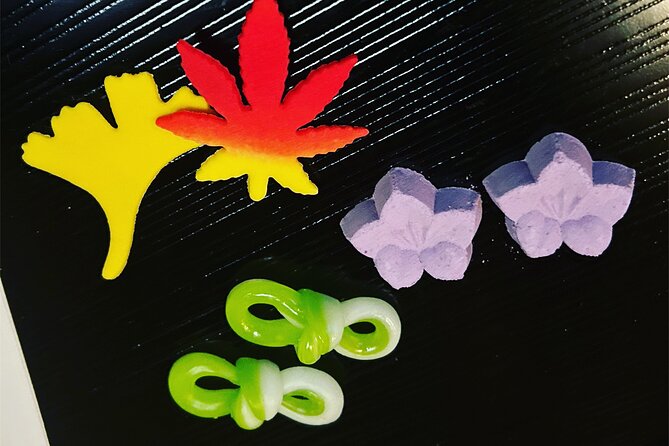
Before you sip matcha, you’ll snack on three types of seasonal Japanese sweets (wagashi). These come from a long-established Kyoto confectioner, and the overview also notes they’re gluten-free and vegan—so more people can enjoy them without playing diet roulette. That’s a real advantage in Kyoto, where sweets are often beautiful but not always labeled for western dietary needs.
What I like about including wagashi is that it helps you understand tea as a whole meal of sensations, not just the drink. The sweets are part of the pacing: you taste something gentle and seasonal, then shift into matcha.
This is also where the ceremony gains context. You’re not eating random snacks. You’re pairing sweets with tea in a way that reflects how Kyoto people have treated seasonal flavor as part of daily life. It’s the kind of cultural detail that sticks in your memory because your senses are involved, not just your ears.
You’ll also get a tea ceremony booklet as a souvenir. It’s a concise guide to the spirit and etiquette—handy if you want to remember what each step meant after you’re back in your hotel room.
What Happens in Your 1-Hour Session With Aya-sensei
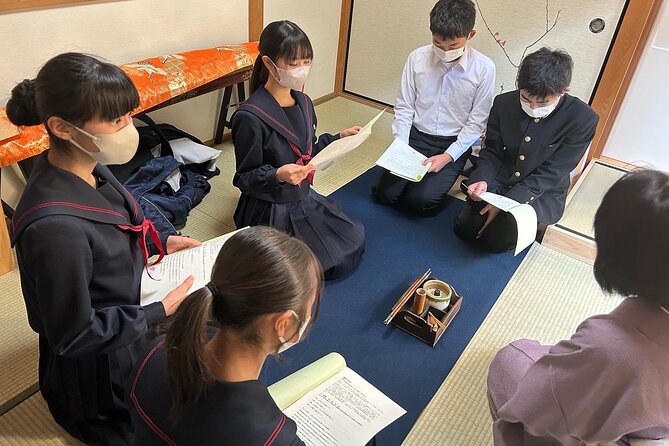
The whole class is about an hour. That’s a good length for most schedules: it’s long enough to learn and practice, and short enough that it doesn’t swallow half a day.
Here’s what you can expect from the flow, based on how the experience is described and how people talk about it afterward:
You’ll arrive at Sakura Experience Japanese Culture Nijo Home and be welcomed into the tea space. Aya-sensei guides you through the basics first—history and etiquette—then you shift into watching how matcha is prepared. In a lot of reviews, the standout isn’t just the tea. It’s the calm structure, the way she explains details, and how easy it is to follow along.
Then comes the part where you’ll be glad it’s private. You get hands-on practice with matcha preparation. You’ll learn how the bamboo whisk works and what you’re aiming for as you whisk. Finally, you’ll sit and drink matcha you helped make, with time to observe and absorb the atmosphere.
One extra nice touch: Aya’s husband has been mentioned in reviews as taking photos throughout the experience and sending them to guests while they’re still there. That’s not something you should plan around, but it’s a comfort if you want memories without interrupting the ritual with phone calls and awkward angles.
And throughout, you’re encouraged to ask questions. Reviews often praise how Aya makes guests comfortable asking. In a subject as rule-heavy as tea ceremony, that kindness matters. You don’t want to leave thinking you missed the meaning.
Traditional Tea Tools and Thoughtful Kyoto Details
Tea ceremony can feel intimidating because it looks like everything is important. The good news: in this class, the details are explained in a practical way.
You’ll interact with tea objects that reflect Kyoto craft. The description highlights custom-made tea bowls commissioned from Kiyomizu and Raku potters, and you’ll use original blended matcha sourced from historic tea gardens in Uji. Even if you’re not a ceramics person, those specifics matter because they signal that the session isn’t generic.
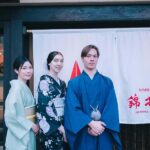
Also, note the program doesn’t include kimono rental. So if you’re hoping to dress in a traditional outfit, you’ll need to plan that separately. The experience focuses on etiquette and the tea ritual itself rather than costume.
House logistics are part of the culture here, not just rules. You’ll need an outfit that fits the dress code: long skirt or long pants, and a top with sleeves. Sleeveless tops, shorts, and mini skirts aren’t permitted. If you need seating support, small chairs are available—just inform the provider in advance.
One more important point for your comfort: Aya requests no perfume or fragrance, because it can disturb the tea room atmosphere. If you’re someone who always wears a scent, this is the moment to go unscented.
Price and Value: $99 for a Private Kyoto Tea Ceremony
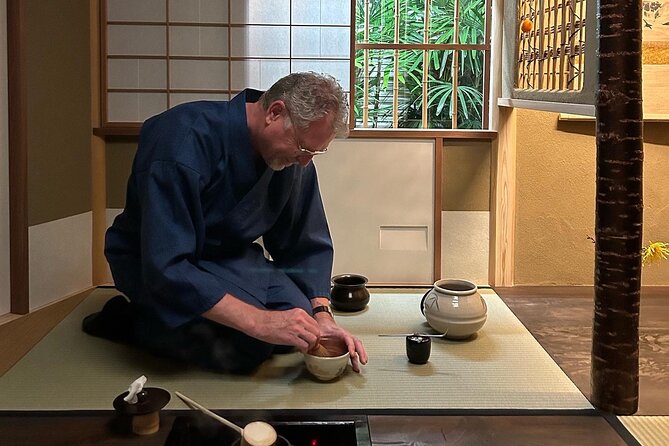
At $99.08 per person for about one hour, the price is in the “private experience” category. That means you’re paying for something most tea ceremonies don’t offer: quiet, direct instruction in a small setting rather than a crowded group performance.
Here’s why I think it can be good value:
- You get hands-on matcha preparation, not just observation.
- You receive three types of wagashi and two bowls of matcha included.
- You get a tea etiquette booklet you can keep.
- You’re taught by a tea master in a private home setting, which usually costs more than a public workshop.
Could it be overpriced for you? If you want a big show or a long itinerary, this isn’t that. It’s a focused, short ritual. But if you want real technique and meaning—plus a souvenir guide—this price can make sense.
One budgeting note: group discounts are available, so it can get more attractive if you’re not traveling solo (the experience is still private for your group). Also, booking is typically made about 48 days in advance on average, so earlier planning can help.
Who Should Book This Tea Ceremony (and Who Might Not Love It)
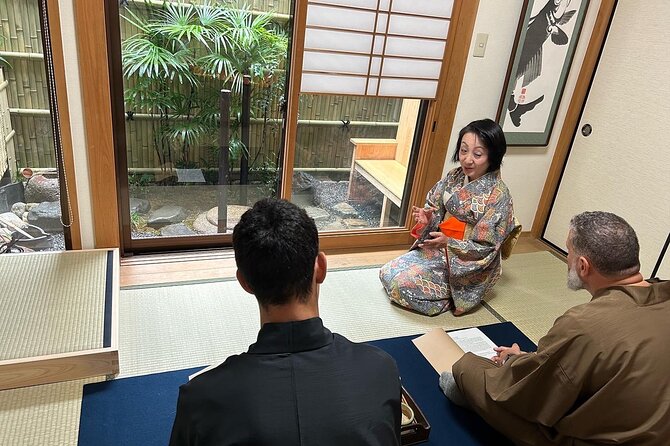
This experience is best for you if you:
- Prefer quiet cultural moments over big tourist attractions
- Enjoy learning etiquette you can actually practice
- Want to make matcha yourself and not just take photos
- Appreciate dietary accommodations, since the wagashi are noted as gluten-free and vegan
It’s also a good match if you’re the type who likes small craft details—tea bowls, the purpose of each step, why the atmosphere matters.
It may not be the right fit if:
- You need a child-friendly program (children 13 and under can’t join)
- You’re not willing to follow dress and scent rules
- You don’t like sitting through etiquette explanations in a quiet room
From the reviews, Aya-sensei’s teaching style is a big reason people leave happy: clear English, patience, and a warm welcome that makes the ritual feel human instead of stiff.
If you’re a first-timer, you’ll be fine. If you’ve studied tea elsewhere, you might still appreciate seeing how Kyoto etiquette is handled in a home setting.
Should You Book Sakura Experience Japanese Culture Nijo Home?
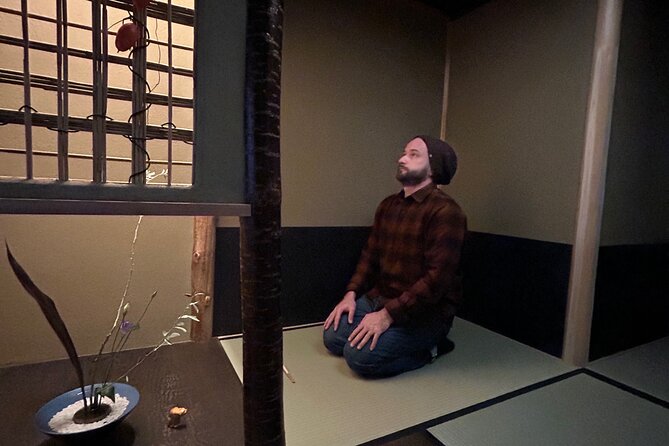
Yes—if you want the kind of tea ceremony that feels like you’re being taught by a craftsperson, not entertained by a script. The biggest selling point for me is the combination of private instruction, hands-on matcha preparation, and included wagashi that fits more diets than you’d expect.
I’d book this if you:
- Have one open hour in Kyoto (and can show up on time)
- Want a memorable cultural activity you can repeat at home
- Like respectful, calm experiences where you’re guided step by step
I’d think twice if you’re hoping for kimono, a party vibe, or a long deep itinerary. This is refined and quiet, and the house rules are not optional.
If you do book, do yourself a favor: plan your outfit in advance, bring socks (or buy them early), keep fragrance off your body, and arrive with a little patience. Tea rewards the calm you bring with you.
FAQ
What’s the duration of the Kyoto private tea ceremony?
It lasts about 1 hour.
How much does it cost?
The price listed is $99.08 per person.
Is this experience private?
Yes. It’s a private tour/activity, and only your group participates.
What’s included during the tea ceremony?
You’ll have seasonal three types of handcrafted wagashi, a tea ceremony booklet, demonstration and hands-on matcha preparation, and two bowls of matcha made with the original blended matcha from Uji.
Are the sweets suitable for dietary restrictions?
The overview notes the wagashi are gluten-free and vegan.
Do I need to wear socks?
Yes. Socks are required for hygiene and to protect the tatami mats. If you forget, socks are available for purchase on site.
What should I wear?
Long pants or a long skirt is required, and a top with sleeves. Sleeveless tops, shorts, and mini skirts aren’t permitted.
Is kimono rental included?
No. Kimono rental is not included.
What’s the age policy?
Children aged 13 and under are not permitted to join this class.
Is there free cancellation?
Yes, you can cancel for a full refund up to 24 hours in advance of the experience start time.