REVIEW · TOKYO
Asakusa: Geisha Performance and Tea House Experience
Book on GetYourGuide →Operated by 料亭都鳥 · Bookable on GetYourGuide
A geisha show is one thing. Meeting the people behind it is another. In Asakusa, Miyakodori’s ozashiki tea house puts real geisha up close with live shamisen music, plus a playful game and tea service built for conversation.
I especially like the blend of elegance and interaction. You watch a graceful dance performance, then you’re guided into ozashiki-asobi and the laughter tends to feel easy, not scripted.
One consideration: you’ll need to order one drink per guest (alcoholic or non-alcoholic) in addition to the complimentary matcha, so plan your budget with that in mind.
In This Review
- Key things you should know before you go
- A private Asakusa tea house where the evening has a rhythm
- Who you’ll meet: geisha performance, not a costume show
- The welcome, the seating, and why the room matters
- The dance show and live shamisen: what to look for
- Konpira Fune Fune: a fun game that teaches etiquette
- Matcha and seasonal sweets: tasting the pause between moments
- Drinks and budgeting: one order per person
- The keepsake photo: how to get the most out of it
- Price and value for a 75-minute Asakusa experience
- Who this experience suits best
- Should you book this Asakusa geisha tea house experience?
- FAQ
- How long is the geisha performance and tea house experience?
- Where does it take place?
- What is included in the 75-minute experience?
- Do I need to order drinks during the experience?
- Is there English support?
- What if I’m visiting with a small group?
- How far in advance can I cancel?
Key things you should know before you go
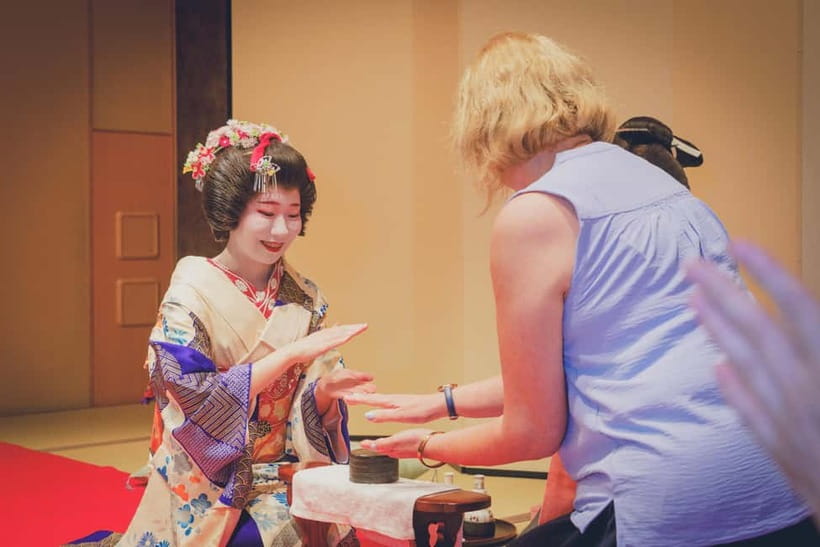
- Real geisha + live shamisen: the performance isn’t recorded or staged for a screen.
- Konpira Fune Fune game: you don’t just observe; you play ozashiki-asobi.
- Matcha and seasonal sweets: tea is part of the pacing, not an afterthought.
- A commemorative photo: you leave with a keepsake, not just photos from your phone.
- English support: the host/greeter is English, and interaction is designed to be accessible.
A private Asakusa tea house where the evening has a rhythm
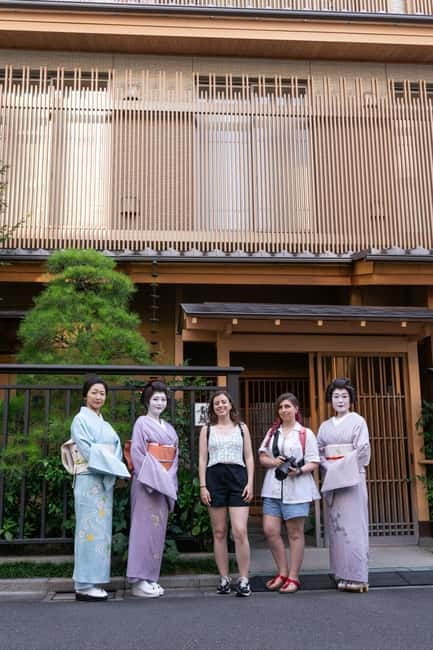
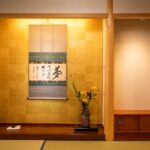
Asakusa is where Tokyo slows down into tradition. This experience takes place in a tea house setting at Miyakodori (料亭都鳥), and the whole point is that you’ll experience the performance in a room meant for culture—low seating, calm pacing, and the kind of hospitality that feels measured.
The duration matters. At 75 minutes, the evening moves with purpose: welcome, performance, game, sweets and matcha, then photo. It’s not a long lecture. It’s an evening you can fit into a Tokyo day without burning hours.
I also like the scale. One recent group described the size as about 16 people, which usually means you get closer to the action and the performers can actually interact with you, not just across-the-room entertain.
You can also read our reviews of more tours and experiences in Tokyo.
Who you’ll meet: geisha performance, not a costume show
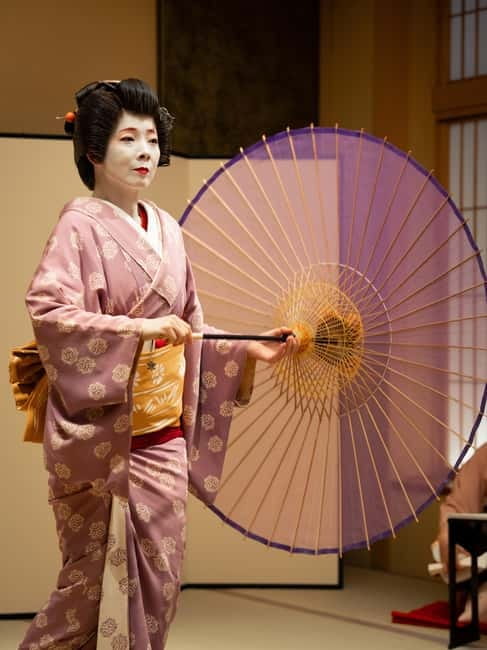
The headline is simple: you meet real geisha. You’re not watching a generic stage act from far away. The setting is closer, and the structure makes room for questions.
In sessions like this, performers you may meet can include geiko Chizuru and maiko Tamaaki, with shamisen music from Shisa. Names can vary by night, but the key is consistent: you’re in front of trained artists who can dance, play instruments, and also communicate through a translator and English support.
This is also where expectations need a quick reset. You’re not walking into a museum. You’re entering a cultural performance with rules of respect—so your best approach is curiosity with calm manners. If you want to ask about training, costumes, music, or daily life, keep your questions polite and direct, and listen as much as you speak.
The welcome, the seating, and why the room matters
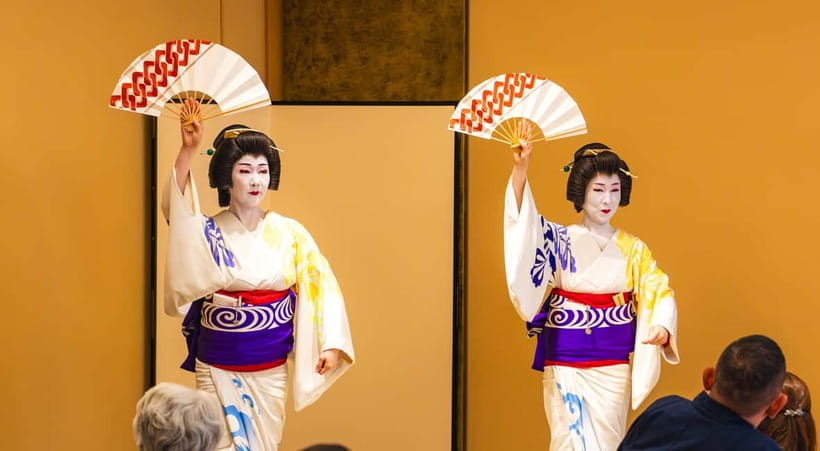
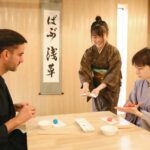
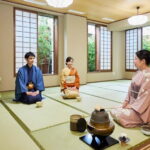
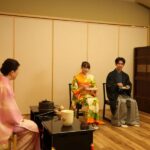
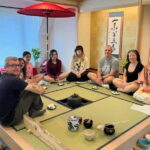
Even before the dance starts, the room sets the tone. One participant noted the entry can feel discreet—like a hidden door—and then the owner meets you. Another mentioned moving into a banquet area with low stools, which is typical of how these spaces are designed for ozashiki-style hosting.
Why this matters for your enjoyment: low seating and close placement shift the energy. It’s harder to stay in phone-mode, and you’ll notice the small details—timing, costume movement, and the way shamisen strings cut through the room.
Because this is an ozashiki setting, the tea and sweets aren’t treated like a break. They’re part of the flow, helping you slow down and interact without rushing.
The dance show and live shamisen: what to look for
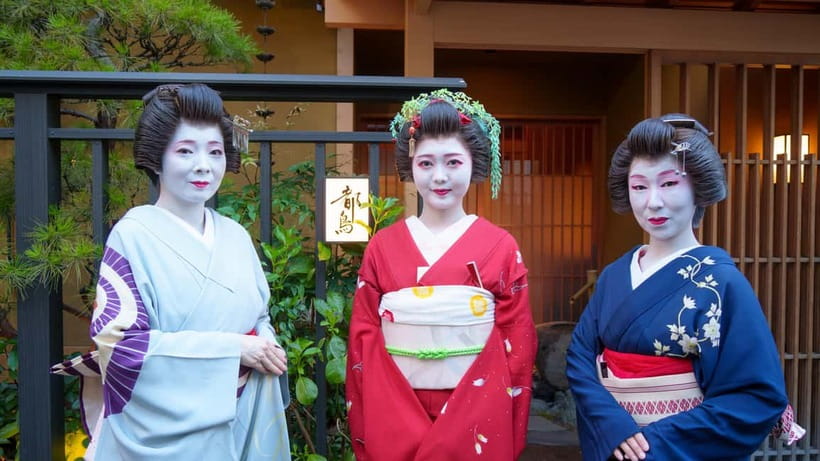
The performance centers on a graceful dance, accompanied by live shamisen music. This isn’t just background noise; the shamisen is the heartbeat of the act. When it’s live, you’ll hear the texture—sharp plucks, quick accents, and the way notes carry through the room.
You’ll likely notice the precision quickly. One participant called the performers highly trained, and you can feel that in the control of posture and the way each movement lands.
Also pay attention to the fact that the performers don’t treat the audience like furniture. People shared that there’s time to ask personal questions afterward and that the performers are funny and interactive. Even if you’re shy, you should feel welcomed into the rhythm of the room.
Konpira Fune Fune: a fun game that teaches etiquette
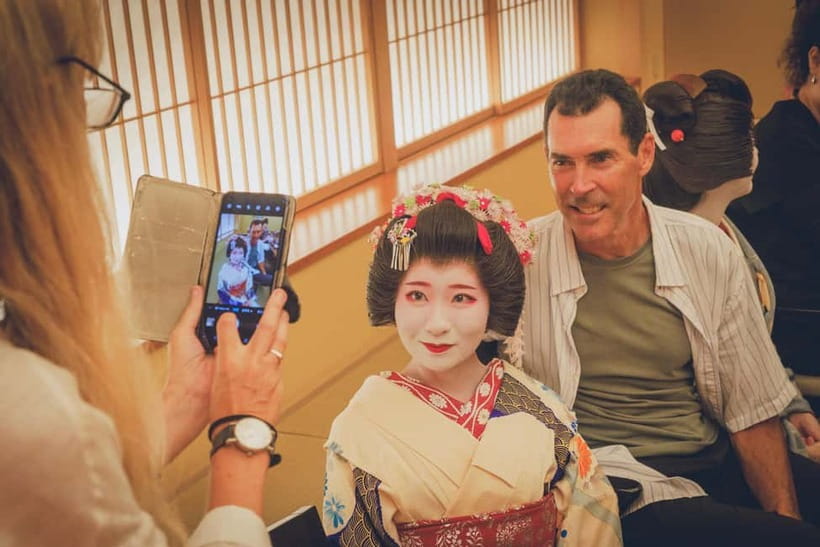
After the dance, you’re guided through ozashiki-asobi, specifically Konpira Fune Fune. This is one of those cultural traditions that’s easy to enjoy because you’re not studying theory—you’re playing a shared game.
Here’s the practical part: you don’t need to know how to play in advance. The host guides you, and the translator/English support helps you stay with what’s going on. The payoff is that the game becomes the bridge between performance art and everyday interaction.
One review mentioned a rousing drinking game later in the evening, tied to the social energy around the table. That connects to the real reason these games matter: ozashiki-asobi is about bringing people together in a respectful, lighthearted way. Even if you skip alcohol, you’ll still likely join the laughter and participation.

Matcha and seasonal sweets: tasting the pause between moments
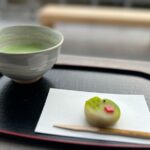
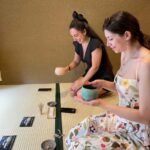
You’ll get freshly whisked matcha, plus seasonal Japanese sweets. The matcha is complimentary, and it shows up as part of the experience, not as a separate upsell.
What I like about this setup is that tea gives your evening structure. After dance and a game, your body wants to settle. Matcha does that. It also gives you a shared taste point to talk about with the group, especially if the conversation turns to the performers and their world.
Seasonal sweets add variety, but the more important point is freshness and pacing. You’re meant to eat and drink while the evening’s atmosphere shifts from performance energy to conversation.
Drinks and budgeting: one order per person
Here’s the math you should plan for. The experience includes complimentary matcha, but you must order one drink per guest (alcoholic or non-alcoholic) in addition to that.
This is worth thinking through before you book. If you don’t drink alcohol, choose a non-alcoholic option and keep it simple. If you do drink, decide whether you want to go along with the social vibe. Either way, budgeting with the required drink order helps you avoid that after-booking surprise.
The keepsake photo: how to get the most out of it
A commemorative photo with the geisha is included. This is one of the rare experiences where the photo feels like part of the program, not a rushed permission slip.
To make it work for you, treat it like a small presentation moment. Wear something you can sit comfortably in—low seating can make stiff shoes and tight outfits annoying. If you have questions about what to do during the photo moment, ask the host/greeter; English support is available.
Keep your expectations realistic. This is a cultural experience first, photography second. The point is the connection and the memory of being in that intimate setting with real performers.
Price and value for a 75-minute Asakusa experience
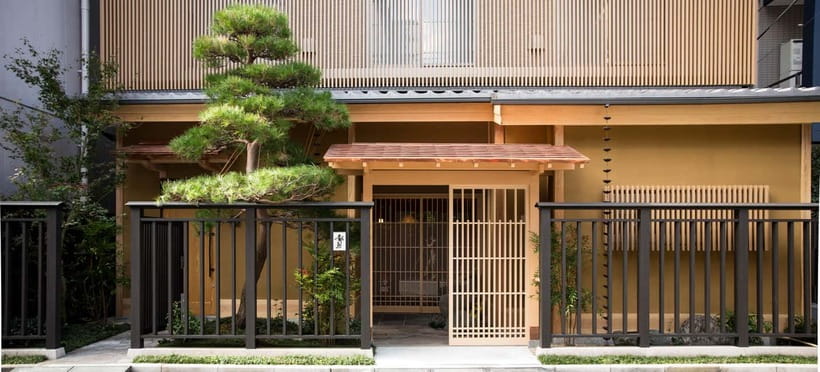
At $106 per person for 75 minutes, you’re paying for access: trained performers, live music, guided participation, and a tea service in a formal setting.
So what’s the value? You’re not just buying a seat for a show. You’re buying proximity and interaction—meeting geisha, playing Konpira Fune Fune, tasting matcha and seasonal sweets, and getting a photo. Add live shamisen and an English host/greeter, and the experience becomes closer to a private cultural evening than a generic ticketed performance.
Is it expensive? Compared with a regular performance ticket, yes. But compared with what you’d spend for a comparable level of access and guided interaction in Tokyo, it can feel fair—especially if you value direct conversation and not just watching from a distance.
Who this experience suits best
This works well for:
- Solo travelers who want a structured way to talk with performers and learn through conversation
- Couples who want something elegant but not stiff
- Small groups that will actually participate in the game
It’s also a good fit if you like arts that mix technique and people skills. The dance and shamisen are the core. The game and tea are what make it feel human.
If you want something that’s fully hands-on, Konpira Fune Fune is a big deal. If you prefer quiet observation, you can still enjoy the show and the tea, but the tone is designed for participation.
Should you book this Asakusa geisha tea house experience?
I think you should book it if you want an Asakusa night that feels personal, culturally specific, and well-paced. The combination of real geisha, live shamisen music, ozashiki-asobi (Konpira Fune Fune), matcha and seasonal sweets, plus the included photo is a rare bundle.
I’d skip it if you’re trying to minimize extra spending beyond the headline price, because the required drink order per guest is part of the experience. And if you dislike any kind of structured interaction, the game component may not be your favorite moment.
If you’re curious about traditional performance and you enjoy respectful conversation, this is the kind of Tokyo activity that can become one of your trip anchors.
FAQ
How long is the geisha performance and tea house experience?
It lasts 75 minutes.
Where does it take place?
The experience happens in Asakusa, a district in Tokyo.
What is included in the 75-minute experience?
You get a cultural tea house experience with a meeting with real geisha, a dance performance, live shamisen music, an ozashiki-asobi game (Konpira Fune Fune), seasonal Japanese sweets, freshly whisked matcha, and a commemorative photo with the geisha.
Do I need to order drinks during the experience?
Yes. One drink order is required per guest in addition to the complimentary matcha. The drink can be alcoholic or non-alcoholic.
Is there English support?
Yes. The host or greeter is English.
What if I’m visiting with a small group?
This experience is suitable for solo travelers, couples, and small groups.
How far in advance can I cancel?
You can cancel up to 24 hours in advance for a full refund.
You Might Also Enjoy
 Samurai Show, Tea Ceremony, Japanese Traditional Activities
 Xiao Long Bao, Chicken vermicelli with mushroom and sesame oil, Tofu strips salad, Bubble milk tea. Taiwan Traditional Delicacies Experience-A (Taipei Cooking Class)
 Dubai Frame with the Afternoon Tea at Burj Al Arab with transfers
 London: Afternoon Tea Bus Tour & London Eye Option