REVIEW · OSAKA
Samurai Show, Tea Ceremony, Japanese Traditional Activities
Book on Viator →Operated by 道-michi- · Bookable on Viator
Samurai, tea, and calligraphy in one place. This Osaka experience strings together tea ceremony practice, calligraphy, a guided samurai-style performance, and traditional music—all inside a big facility—so you’re not just watching. If you like culture that’s hands-on and a little theatrical, this works fast.
Two things I really liked: you get to actually do the tea ceremony steps (including making and drinking green tea), and calligraphy is taught in a way that gets you producing something rather than just looking. The main thing to consider is the “costume reality”: samurai armor and kimono are listed as not included, and some people feel the samurai segment is more playful than serious, plus the event can run longer than the stated 2.5 hours.
In This Review
- Key Highlights You’ll Want to Know
- Samurai Show Meets Tea Ceremony: The Osaka Format
- The Full Flow: Tea, Calligraphy, Samurai, and Music
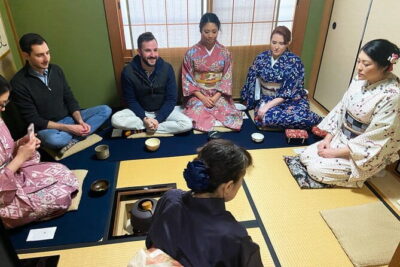
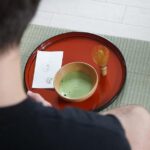
- Tea Ceremony: More Than Drinking Tea
- Calligraphy: Writing That Actually Means Something
- Samurai Show: Action, Coordination, and Safety
- Traditional Music: Try Instruments, Not Just Watch
- Optional Dress-Up: Kimono and Samurai Attire Costs
- Price and Value: Why $44.92 Can Make Sense
- Logistics in Osaka: Meeting Near Shinsaibashi
- Who Should Book This Samurai-Tea Workshop
- My Booking Advice: When It’s Worth It
- FAQ
- FAQ
- What’s included with the Samurai Show, Tea Ceremony, and Traditional Activities ticket?
- Is the samurai armor included?
- Is a kimono included?
- How long does the experience last?
- Where do I meet for the tour?
- Is there a maximum group size?
- Will I need real sword weapons during the samurai part?
- Do I get a mobile ticket?
- Is good weather required?
- What’s the cancellation policy?
Key Highlights You’ll Want to Know
- Made-in-Japan craft for the armor: the samurai armor is tied to Marutake Industries’ craftsmanship.
- Hands-on tea ceremony: you learn the flow and make a cup of green tea.
- Calligraphy you can take home: you practice and leave with a personalized item.
- Music stations, not just a show: you can try instruments like a harp, plus other traditional instruments.
- Small group size: capped at 20 people, so you’re not lost in a crowd.
- Friendly staff with names you’ll hear: people specifically mention Yui and Miyu for help and warmth.
Samurai Show Meets Tea Ceremony: The Osaka Format
This is the kind of Osaka activity that’s built for short attention spans and big curiosity. You move through stations: a performance phase, then workshops where you touch instruments, write calligraphy, and do tea steps. It’s also set up to be doable even if your Japanese is limited, because staff support in English is part of the flow.
You’re not choosing between entertainment and learning here—you get both. The samurai show brings the drama and choreography, while the tea and calligraphy parts slow the pace so you can understand the cultural logic behind them. And if you’re visiting on a rainy day, the “big facility” setup helps you stay comfortable.
One more practical note: the ticket price sits at $44.92 per person, which is low compared to the number of distinct activities you get in one block of time. Your best value comes if you’re willing to participate in the hands-on parts rather than treating it like a spectator show.
You can also read our reviews of more tours and experiences in Osaka.
The Full Flow: Tea, Calligraphy, Samurai, and Music
Your experience runs about 150 minutes on the schedule, but plan for more like 3 hours (or up to around 3.5–4) because you’ll likely spend extra time at the stations. The pacing matters here: it’s not “run through everything and leave.” You’re taught, you try, and you get corrected.
Here’s what the sequence feels like in practice:
- Start with the performance energy (samurai-style action).
- Rotate into workshops: tea ceremony and calligraphy are the big anchors.
- Add traditional music performances and instrument practice during the same block.
- End where you began, near the meeting point area.
The best part of this format is that you leave with more than photos. You’ll have learned procedures (tea steps), a written character/item (calligraphy), and the memory of trying instruments yourself.
Tea Ceremony: More Than Drinking Tea
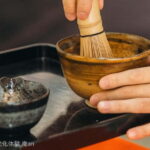
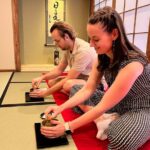
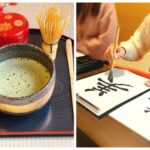
The tea ceremony portion is one of the most practical cultural lessons you can do in a couple of hours. You’re shown how to do the steps correctly, then you get to participate rather than only watching. That means you experience why the ritual is methodical: movements are purposeful, and the sequence shapes the flavor and mood.
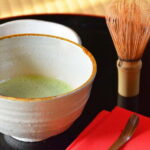
You also make and drink green tea, and that tiny “I did it” moment lands harder than you’d expect. It’s also a great fit if you don’t know where to start with Japanese tea culture, because the instruction is structured and paced. Even if your first attempt isn’t perfect, you’ll get the idea of what matters.
One small tip: go in ready to slow down. This isn’t a fast selfie activity. If you treat it like a workshop, you’ll get more out of it.
Calligraphy: Writing That Actually Means Something
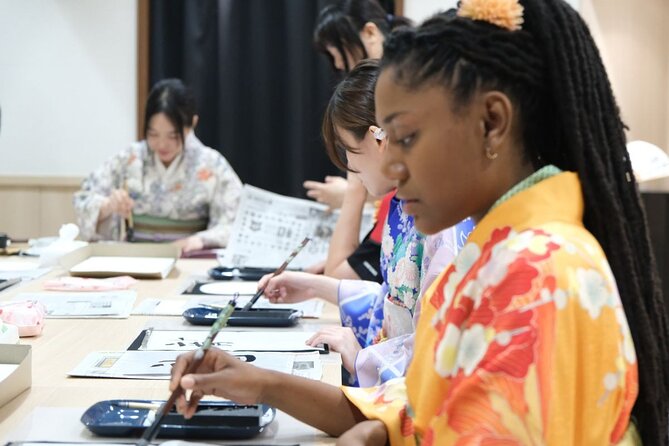
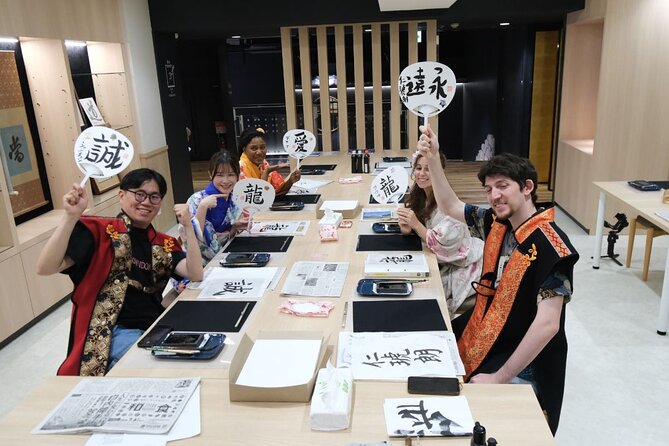
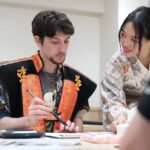
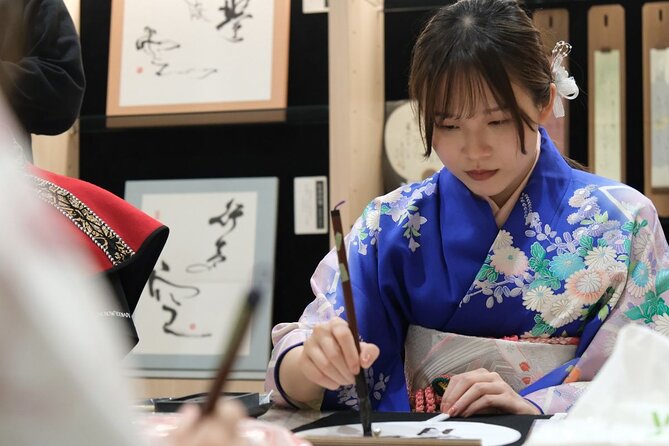
Calligraphy here isn’t just tracing practice. You’re taught and then you write—then you take home your result. That’s a big deal because it turns the class from a performance into a personal artifact of your trip.
The tone from people’s feedback is consistent: calligraphy feels approachable because staff help you through the process, and the experience doesn’t feel like you’re being rushed. If you’ve ever wanted to try calligraphy but worried you’d need advanced skills, this is the kind of setting where you can start from zero and still finish with something.
The other practical upside: calligraphy is quiet and focused. It gives your brain a break between the louder, more dramatic samurai segment and the music stations.
Samurai Show: Action, Coordination, and Safety
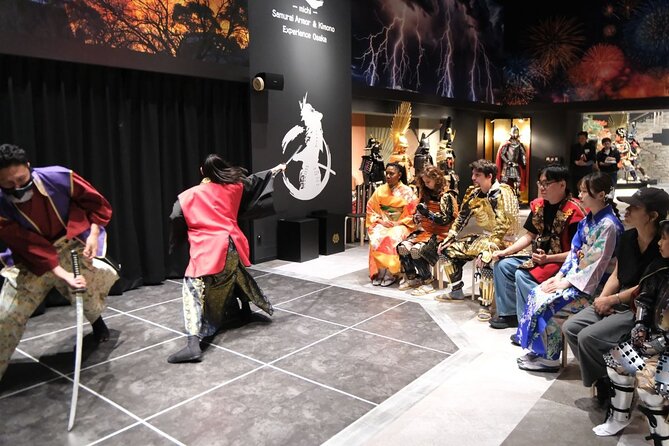
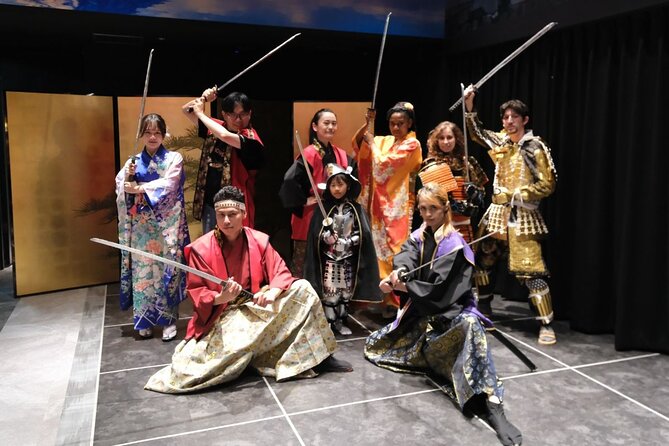
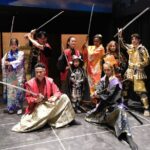
The samurai portion is dramatic and fun, but it’s also not built like a weapons event. The key detail: any sword action is staged, and it’s not using real blades. People also call out that it’s more playful than “serious combat,” which can be a benefit if you’re traveling with kids or just want something energetic.
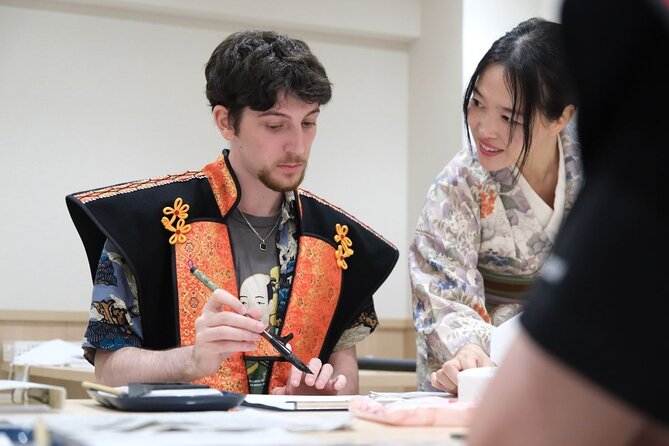
What you’ll get is performance + participation. The show is followed by a chance to practice samurai-style moves, so you get to join the “battle” choreography in a safe, guided way. The humor element is real too—some people highlight that the instructor is funny, and it helps kids and adults both stay engaged.
Here’s the possible drawback to keep in mind: one person felt the samurai segment was a bit lame and that the pieces were reproductions. That doesn’t mean it’s bad, but it does suggest you should treat it as a cultural performance and movement workshop, not an authentic weapon-and-armor museum exhibit.
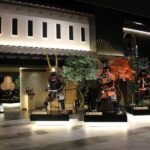
Also, samurai armor itself is listed as not included. If you’re hoping to wear full armor, you’ll want to check what upgrade options exist for you ahead of time.

Traditional Music: Try Instruments, Not Just Watch
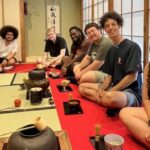
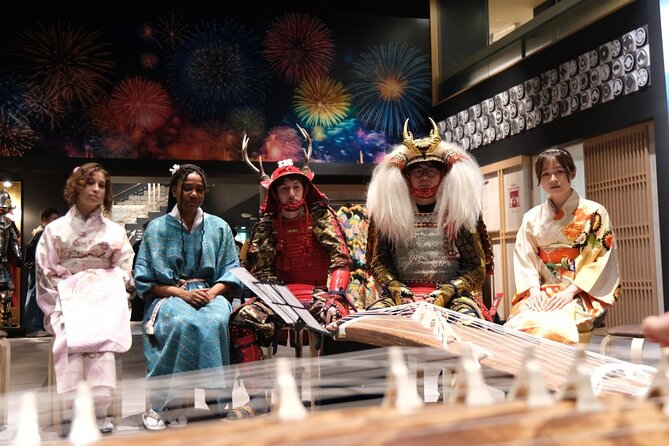
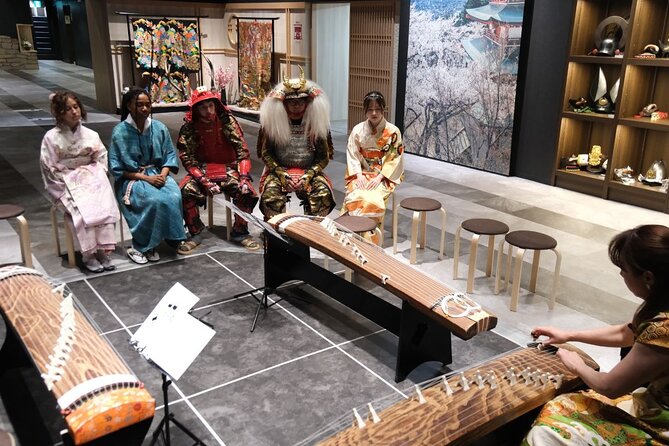
If you’re the type who learns by doing, you’ll like the music part. You can see Japanese traditional instruments performed, then you get coached as you try them. That means you don’t just watch a musician—you try to make a sound (and usually laugh at your first effort).
From feedback, the instruments people mention include a harp, Japanese guitar, and other traditional instruments (including one person who joked they’d be working on the Japanese flute for a while after the trip). There’s also mention of a complex Japanese-style keyboard instrument.
This is valuable because it shows you how sound is shaped by technique, not talent alone. Even if you only manage a short practice moment, you come away with a better sense of what makes each instrument feel distinct.
And yes, the music is part show and part instruction, so it works if you’d normally skip “just a concert.”
Optional Dress-Up: Kimono and Samurai Attire Costs
One of the reasons this experience can feel “great value” is that the base ticket focuses on performances and workshops. But if you want costumes, expect add-ons.
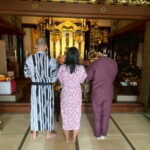
The information you have here clearly says samurai armor, kimono, and ninja are not included in the standard offering. Still, there’s evidence of optional upgrades. For example, one person mentions a kimono upgrade of 5,000 yen, with help from attendants for dressing and photo moments. They also noted you keep the socks and undergarments from the outfit setup.
There’s also mention of an option to dress in samurai attire. If costume photos matter to you, factor time for dressing and picture stops so you don’t feel rushed.
Practical advice: do the math based on what you truly want. If you mostly want the tea, calligraphy, and music, the base ticket covers the essentials. If you care about the full visual experience, bring your budget for costume options.
Price and Value: Why $44.92 Can Make Sense
At $44.92 per person, this ticket price is low for what you’re getting: multiple activities (tea, calligraphy, music, and a samurai performance) inside one coordinated program. The “value” only holds if you actively participate in the hands-on parts.
The real financial win is that you don’t have to pay separately for tea instruction, calligraphy coaching, and music practice. It’s bundled, timed, and supported with English help. With a schedule like this, you’re also buying convenience: you don’t have to research individual workshops across Osaka and coordinate timing.
Is it perfect value for everyone? If you only want a calm museum style experience with zero participation, you may feel like the samurai show and instrument practice are more about fun than depth. But if you like doing things with your hands and moving your body, it’s a bargain.
Logistics in Osaka: Meeting Near Shinsaibashi
You meet at Shinsaibashi ARTY Inn, 2-chōme-17-3 Nishishinsaibashi, Chuo Ward, Osaka. The activity ends back at the meeting point, so you don’t have to worry about a complicated drop-off.
This area is well-located for Osaka sightseeing. Dotombori is also referenced in the experience details, which is handy if you plan to combine this with an evening stroll for street lights and food.
Transport is listed as near public transportation, which matters because Osaka can involve lots of walking between neighborhoods. This setup keeps the “getting there” headache small.
Also, you’ll receive confirmation when you book, and the tour uses a mobile ticket. That’s a small thing, but it helps when you’re bouncing around Osaka with luggage and multiple plans.
Who Should Book This Samurai-Tea Workshop
This experience fits best if you want:
- hands-on cultural activities (not just watching),
- a mix of performance + workshop,
- short, structured learning in a single afternoon block.
It’s also a good pick if you’re with kids or a multi-age group. People specifically mention family-friendly fun and patience from staff when working with larger groups.
It may be less satisfying if you’re a strict historian who wants highly literal, museum-grade authenticity, especially for the samurai segment. In that case, consider it more like cultural entertainment with instruction than a formal documentary experience.
My Booking Advice: When It’s Worth It
Should you book? I’d say yes—if you go in ready to participate. The big win is that you’ll leave with a tea memory (and a cup experience), calligraphy you can keep, and at least a couple of moments where you tried something new with coaching.
If you want to maximize your return:
- plan for extra time beyond 2.5 hours,
- decide early whether you want the kimono or costume option and budget for it,
- bring a flexible mindset for the samurai show style (safe, staged, and playful).
If you’re short on time in Osaka and want one organized cultural block, this is the kind of plan that pays off.
FAQ
FAQ
What’s included with the Samurai Show, Tea Ceremony, and Traditional Activities ticket?
The included parts are the tea ceremony experience, calligraphy experience, traditional Japanese music, and a samurai performance.
Is the samurai armor included?
No. Samurai armor is listed as not included.
Is a kimono included?
No. Kimono is listed as not included. There may be upgrade options depending on your booking.
How long does the experience last?
It’s listed at about 2 hours 30 minutes (about 150 minutes), though you may want to set aside extra time to complete everything comfortably.
Where do I meet for the tour?
You meet at Shinsaibashi ARTY Inn, 2-chōme-17-3 Nishishinsaibashi, Chuo Ward, Osaka, 542-0086, Japan.
Is there a maximum group size?
Yes. The experience has a maximum of 20 people.
Will I need real sword weapons during the samurai part?
The experience is described as a show and practice, and it’s not real swords in the way a weapons demonstration would be.
Do I get a mobile ticket?
Yes. The tour uses a mobile ticket.
Is good weather required?
Yes, it requires good weather. If it’s canceled due to poor weather, you’ll be offered a different date or a full refund.
What’s the cancellation policy?
Cancellation is free up to 24 hours in advance of the experience start time for a full refund. If you cancel less than 24 hours before, the amount paid is not refunded.