REVIEW · OSAKA
Samurai dress-up and shows, plus Tea Ceremony & Calligraphy
Book on Viator →Operated by 道-michi- · Bookable on Viator
Osaka’s culture hits hard, in armor. This 3-hour indoor stop pairs samurai armor with sword performances and live traditional music, and it lands just a short walk from Dotonbori. What I like most is the chance to slow things down with a real tea ceremony instead of just watching from the sidelines.
I also really like the calligraphy lesson, where you get taught how to form characters rather than doing a random craft. Hosts like Roi and Maya make the whole thing feel personal and clear. One consideration: the optional kimono is not included and costs ¥19,800 per person, so budget for it if that’s your plan.
In This Review
- Key things you’ll notice right away
- Samurai Armor, Tea, and Calligraphy in One Clean Package (3 Hours)
- Where It Is: Shinsaibashi Area, Easy from Dotonbori
- Samurai Dress-Up and Sword Performances: What You’re Really Paying For
- Tea Ceremony: A Nice Reset from the Show Energy
- Japanese Calligraphy: Writing With Guidance (Not Guesswork)
- Traditional Music Moments: Why They Matter
- Price and Value: Is $123.87 Worth It?
- What’s Included (and What’s Not) so You Can Plan
- Who This Fits Best in Osaka
- Quick Tips to Make the Day Easier
- Should You Book This Samurai Armor, Tea, and Calligraphy Experience?
- FAQ
- How long is the Samurai dress-up and shows experience?
- Is the experience indoors?
- What’s included in the price?
- Is kimono included?
- How close is it to Dotonbori?
- Is free cancellation available?
Key things you’ll notice right away
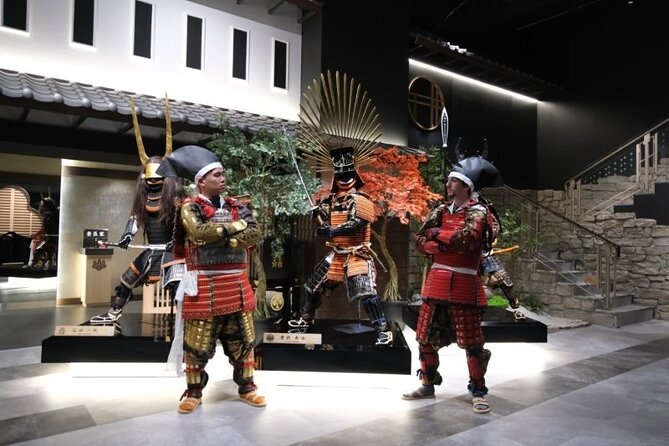
- Samurai armor + performances together so your photos and the story match
- Tea ceremony included with coffee/tea and water provided
- Calligraphy instruction that turns a lesson into something you can take home
- Live traditional music running alongside the show scenes
- Indoors the whole time which makes it a safe bet in any season
Samurai Armor, Tea, and Calligraphy in One Clean Package (3 Hours)
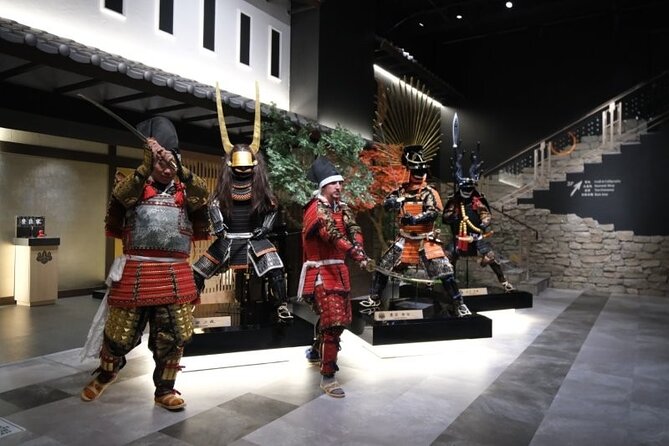
This is the kind of Osaka experience that saves you time. Instead of juggling separate museums, workshops, and show tickets, you get one indoor session where the themes connect: warrior culture, refined manners, and hand skills.
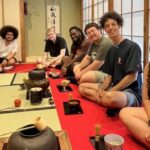
You’ll spend most of the time in a setting built for doing things, not just sitting. The schedule moves from dressing and watching, to a hands-on tea moment, to writing calligraphy, and then back into performance energy with sword-style demonstrations and live music.
You can also read our reviews of more tours and experiences in Osaka.
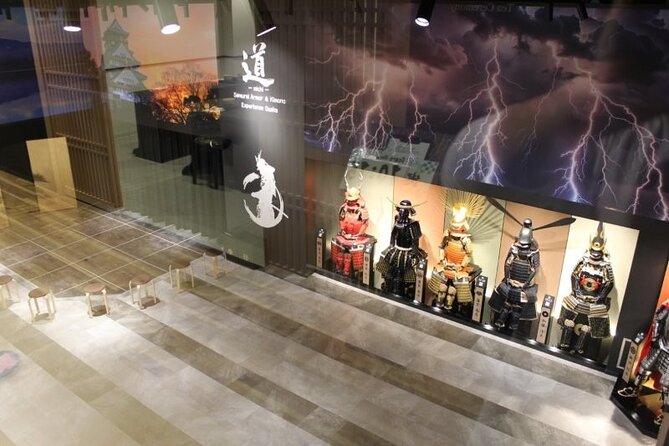
Where It Is: Shinsaibashi Area, Easy from Dotonbori
The meeting spot is in the Shinsaibashi area (Shinsaibashi ARTY Inn), and it’s about a 5-minute walk from Dotonbori. That matters because Dotonbori is where most first-timers end up, and you don’t have to fight transit logistics just to add one more cultural stop.
You’re also supported by public transportation being nearby, with stations in the Namba/Shinsaibashi area within roughly a 10-minute walk. Add the mobile ticket, and you can keep your plans simple without a paper scramble.
Samurai Dress-Up and Sword Performances: What You’re Really Paying For
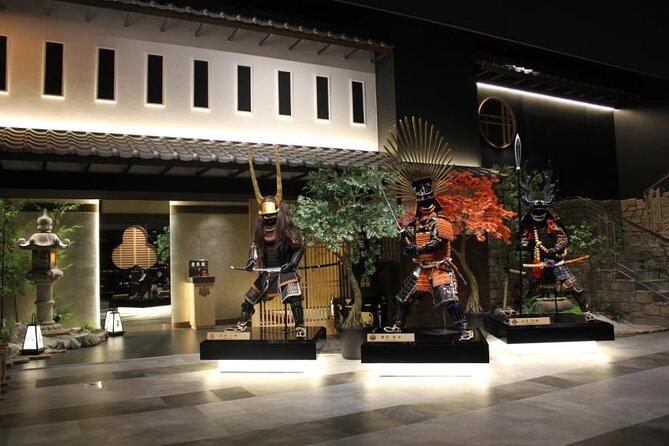
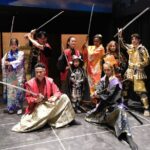
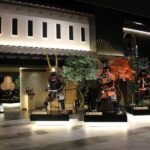
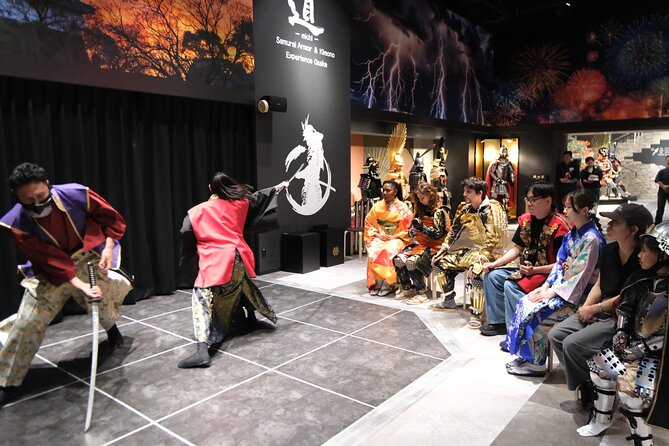
The headliner is the samurai set: you dress in traditional-style armor and then connect that look to sword performances. This part works because it’s both visual and structured. You get the drama of the presentation, but the armor dress-up helps you understand what the performance is aiming to communicate.
A practical note for your comfort: armor-style costumes usually mean you’ll want to wear easy clothing under it. I’d plan for a bit of fitting time, and I’d keep any bags minimal so you can focus on the experience.
The sword work plus live traditional music is a strong pairing. Music in this context isn’t just background noise; it helps pace the scenes and makes the performance feel like a coordinated event, not a random demo.
Tea Ceremony: A Nice Reset from the Show Energy
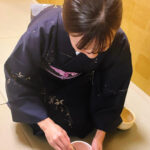
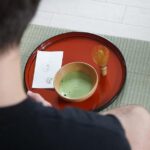
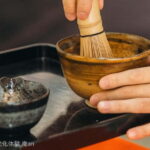
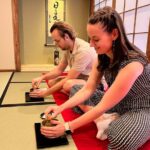
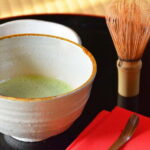
After the action-heavy parts, the tea ceremony gives you a calmer rhythm. Tea is a great counterpoint to armor and sword displays because it shifts the focus from force to control, patience, and attention to details.
You’ll also have coffee and/or tea available, plus hot or cold water and tea. That small comfort matters in practice, because it keeps the experience from feeling like a nonstop show marathon.
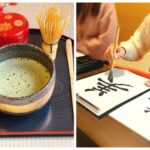
If you’ve ever felt tea ceremonies are too formal or too hard to follow, this format helps. You’re guided to participate, and that turns the cultural idea into something you can actually do, even as a beginner.
Japanese Calligraphy: Writing With Guidance (Not Guesswork)
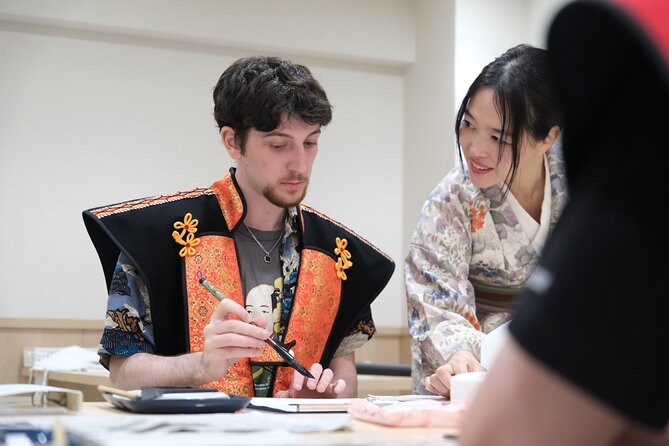
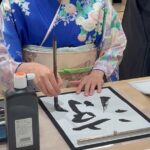
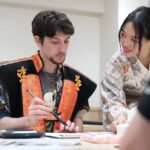
Calligraphy is where a lot of cultural tours fall flat: either it’s a quick demo, or it’s a free-for-all craft. Here, the calligraphy is presented as a real lesson tied to the bigger cultural theme, and it’s designed so you can participate.
You’ll learn how to approach the writing, and the value is in the instruction. Even if your first character doesn’t look like a museum piece, you’re practicing a skill with structure, and that’s what makes it memorable.
I also like that calligraphy is a takeaway. It gives your day in Osaka a physical souvenir that isn’t just another photo.

Traditional Music Moments: Why They Matter
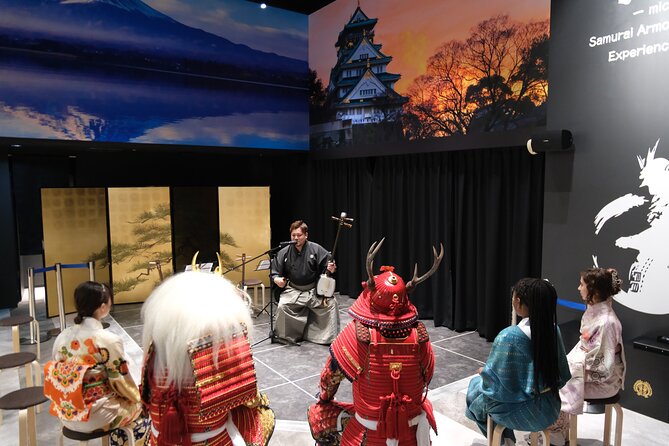
Live traditional music shows up alongside the samurai and sword themes, so the sounds stay connected to what you’re seeing. That’s useful because it prevents the “random entertainment” feeling some tours have.
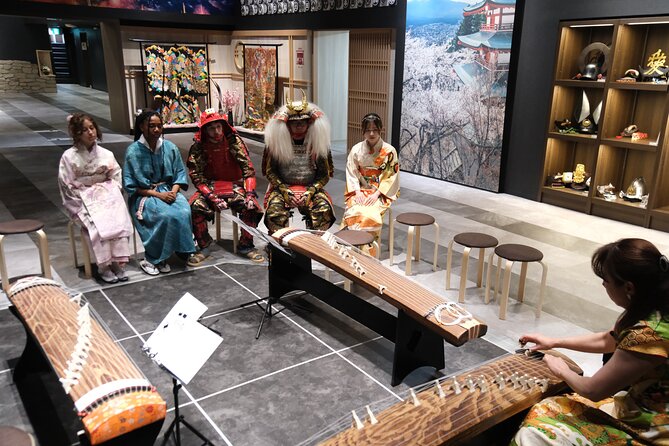
There’s also a good chance you’ll get a music-focused component as part of the program flow. The overall result is that you’re not only watching a performance, you’re experiencing the atmosphere that surrounds Japanese arts and ceremony.
In other words: you’re learning the context. That’s the part that’s hard to do on your own when you’re just walking around Osaka.
Price and Value: Is $123.87 Worth It?
At $123.87 per person for about 3 hours indoors, this sits in the middle of the range for Osaka cultural experiences. The math improves because the ticket covers multiple distinct activities, not just one show.
Here’s what your price is doing for you:
- Samurai armor dress-up and related sword performances
- Tea ceremony participation
- Calligraphy instruction
- Traditional music included with the program
- Coffee/tea and hot/cold water
- Locker support and WiFi
- Easy access to public transit corridors (near Namba/Shinsaibashi)
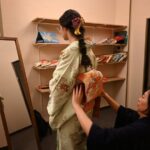
So you’re paying for convenience and coaching, not just entertainment. The big “cost bump” to consider is the kimono option: wearing kimono is not included and costs ¥19,800 per person if you want that look.
If you’d otherwise pay separately for a workshop and a cultural show, the bundled format is the value. If you’re only interested in one element (like just tea or just music), you might feel the price more than someone aiming to do all of it.
What’s Included (and What’s Not) so You Can Plan
Included with your experience:
- Coffee and/or tea complimentary
- Hot/cold water and tea
- WiFi on board
- Locker use
- Public transportation within about a 10-minute walk from stations in the Namba/Shinsaibashi area
Not included:
- Kimono rental/wearing (¥19,800 per person)
That last line is the one to take seriously when budgeting. If kimono photos are important to you, decide early and treat it as part of the total cost.
Who This Fits Best in Osaka
This works well if you want a structured cultural block without losing your whole day to separate bookings. It’s also a great pick for weather, since all activities take place indoors.
You’ll probably enjoy it most if you like hands-on learning. The tea ceremony and calligraphy mean you do things, not just watch. And if you’re a fan of performance, the samurai armor + sword demonstrations + live traditional music keep momentum.
If you’re short on time and trying to hit Osaka highlights, it also makes sense as a near-Dotonbori add-on. You can treat it as a “culture reset” between the louder parts of the city.
Quick Tips to Make the Day Easier
- Plan comfortable clothing under costumes. Armor-style fittings can feel snug, and you’ll appreciate anything flexible.
- Keep your bag small. You’ll have locker support, but less gear still helps.
- Decide about the kimono before you go. The optional cost is big enough that it changes the budget.
- Bring a charger plan. You’re using WiFi, but you’ll still want enough battery for calligraphy photos and armor pics.
Also, the program is designed so most people can participate. That’s good news if you’re traveling solo or in a group where some folks like workshops and others prefer shows.
Should You Book This Samurai Armor, Tea, and Calligraphy Experience?
I think you should book it if you want one efficient 3-hour cultural experience near Dotonbori that includes both performance and hands-on participation. The combo of samurai dress-up, tea ceremony practice, and guided calligraphy is the real draw, and the fact that it’s indoors makes it easier to plan confidently.
Skip it or rethink it only if you’re mainly after one single activity (like just tea) or if kimono photos are a must and you don’t want to add the ¥19,800 cost. If you’re okay with a layered cultural day rather than a long itinerary, this is a practical way to do Osaka right.
FAQ
How long is the Samurai dress-up and shows experience?
The duration is about 3 hours.
Is the experience indoors?
Yes. All activities take place indoors, so it runs comfortably in any season.
What’s included in the price?
The experience includes coffee and/or tea, hot and cold water and tea, WiFi, a locker, and access that’s supported by nearby public transportation. The cultural activities include the samurai dress-up and shows, tea ceremony, calligraphy, and traditional music.
Is kimono included?
No. Wearing kimono costs ¥19,800 per person and is not included.
How close is it to Dotonbori?
It’s about a 5-minute walk from Dotonbori.
Is free cancellation available?
Yes. You can cancel up to 24 hours in advance for a full refund.
If you want, tell me your travel dates and whether you’re planning to add the kimono, and I’ll help you decide if this fits better than doing a single workshop or show.