REVIEW · OSAKA
Discover Japanese Tea Blending Techniques in Osaka
Book on Viator →Operated by When in Japan · Bookable on Viator
Tea blending turns Osaka into a classroom you taste. This hands-on class gets you brewing Japanese teas and then tasting a tea cocktail that mixes tradition with a fun modern twist. The setting is small and relaxed, so you can actually ask questions and adjust to your taste.
I love how the format is personal. You don’t just watch someone pour—your preferences guide what you make and how you drink it, from green tea(sencha) to roasted hojicha and creamy matcha.
One thing to consider: it’s about 2 hours, so there’s a lot to pack in. If you want a long sit-down tea session or multiple full drink rounds, this may feel quick.
In This Review
- Key Things You’ll Notice in This Tea Blending Workshop
- Japanese Tea Blending in Osaka: Why This Workshop Feels Different
- Getting There: Namba Yasaka Jinja and a 3:00 pm Start
- What You Actually Learn: Sencha to Matcha Brewing Basics
- Sencha (green tea): clean, grassy, and temp-sensitive
- Wakocha (Japanese black tea): deeper and more rounded
- Oolong: balanced and layered
- Hojicha (roasted tea): warm, toasty, and forgiving
- Matcha: the texture lesson
- The Tea Ritual Part: History Without the Boring Lecture
- The Hands-On Twist: Tea Blending and Tea Cocktails
- Why the “Personalize Your Tea” Angle Actually Matters
- The Osaka Setting: A Chiller Tea-House Side of the City
- Price and Value: Is $54.46 a Good Deal for 2 Hours?
- What You Leave With: Samples, Recipes, and How to Use Them
- Who This Workshop Suits Best (and Who Might Want Something Else)
- Should You Book It?
- FAQ
- What is the duration of the Japanese tea blending workshop in Osaka?
- What time does the experience start?
- Where does the workshop meet?
- How many people are in the group?
- What types of Japanese tea will I learn about?
- Will I be making tea cocktails or just tasting tea?
- Are there food items included?
- What will I take home after the workshop?
- Is there free cancellation?
Key Things You’ll Notice in This Tea Blending Workshop

- Small-group feel (max 3 travelers) means you’ll get more hands-on time instead of crowding around a counter
- Multiple tea styles are covered: sencha, wakocha (Japanese black tea), oolong, hojicha, and matcha
- Real brewing technique, including temperature and tool handling, so you can repeat it at home
- Tea cocktails plus sweets, where fruit flavors and even alcohol show up in the modern side of Japanese tea culture
- Take-home samples and recipes, so the workshop keeps working after your flight out of Osaka
Japanese Tea Blending in Osaka: Why This Workshop Feels Different
Osaka is great for eating, sure. But this experience gives you something rarer: a practical skill you can use at home. You’ll learn how to brew several Japanese tea types properly, then you’ll turn those same flavors into drinks that feel playful rather than overly formal.
The best part is that the class mixes two worlds. You start with traditional tea rituals—history, tools, and correct brewing methods—then you move into a more modern playground where tea becomes the base for cocktails. That blend of old and new is exactly why this works for both tea nerds and first-timers.
And since the group is capped at 3, it’s not the typical “tour as performance” setup. You can slow down, ask why something tastes a certain way, and tweak your own brewing.
You can also read our reviews of more tours and experiences in Osaka.
Getting There: Namba Yasaka Jinja and a 3:00 pm Start
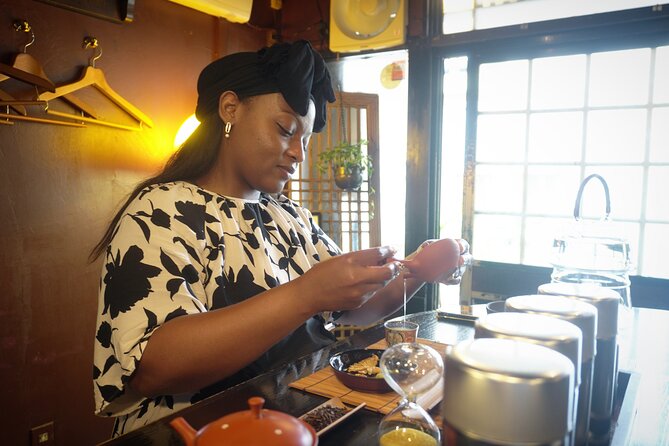
The workshop starts at Namba Yasaka Jinja 2-chōme, listed at 2-chōme-9-19 Motomachi, Naniwa Ward. It also notes you’re near public transportation, which matters in Osaka because you’ll want a simple route after the rest of your day’s sightseeing.
Start time is 3:00 pm, and it ends back at the meeting point. That’s handy for planning. You don’t need to gamble on how you’ll get home afterward or rearrange dinner plans too much.
Practical tip: since it’s only about 2 hours, arrive a bit early. You want your brain in tasting mode, not transit mode.
What You Actually Learn: Sencha to Matcha Brewing Basics
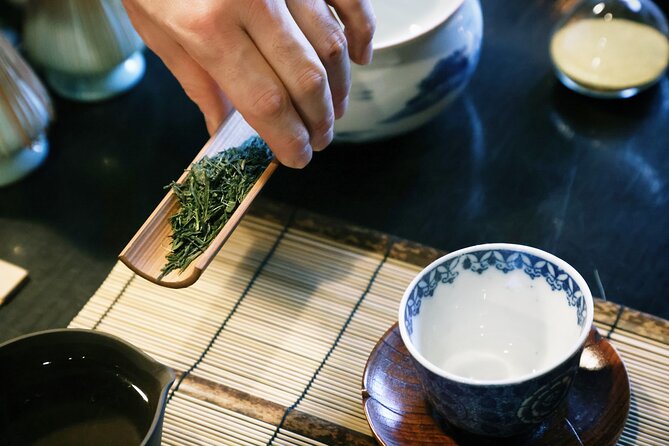
You’ll cover five tea types, and each one is treated as its own thing rather than interchangeable “green tea.” That’s important. Japanese tea styles aren’t just different flavors—they call for different handling.
Here’s what you can expect to learn through the brewing process:
Sencha (green tea): clean, grassy, and temp-sensitive
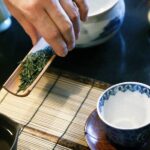
You’ll get basic knowledge like brewing temperatures and technique, plus how to handle the tools. Sencha is often where people learn fastest, because under- or over-brewing pushes it toward bitterness or dullness.
Wakocha (Japanese black tea): deeper and more rounded
The class includes Japanese black tea (wakocha). This gives you a contrast to green tea. When you taste them side by side, you’ll understand how processing and brewing style shape the body and finish.

Oolong: balanced and layered
Oolong sits in the middle ground—more complexity than green tea, less heavy than some darker styles. In a hands-on setting, you’ll learn that small changes can shift aroma and aftertaste.
Hojicha (roasted tea): warm, toasty, and forgiving
Hojicha is roasted, so it tends to taste cozy rather than sharp. It’s also one of the most approachable teas for people who find matcha too intense or green tea too grassy.
Matcha: the texture lesson
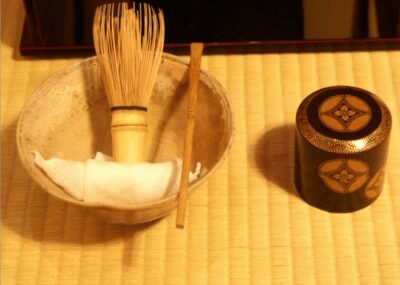
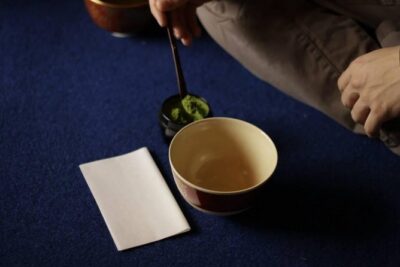
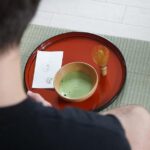
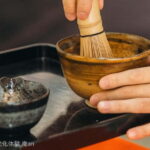
Matcha is included, and the workshop treats it as a brew you need to understand, not just a “powder drink.” Expect technique discussion tied to tools and handling. You’ll also get a sense of how matcha can be both traditional and adaptable in modern drinks.
Across all of these, you’re learning the “why,” not only the “how.” That’s what makes it repeatable.
The Tea Ritual Part: History Without the Boring Lecture
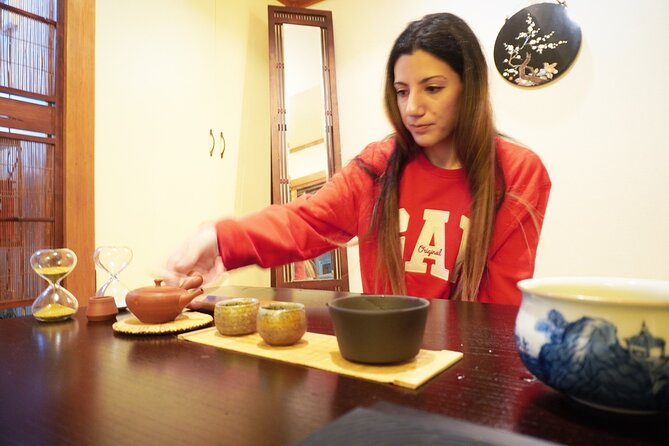
The class doesn’t just teach steps. It also explains the philosophy behind Japanese tea culture and the historical significance of tea in Japan. The goal is to help you taste with context.
You’ll hear about how tea rituals helped shape how the country developed cultural habits around refinement, mindfulness, and hospitality. It’s not presented as a museum lecture. It’s tied to what you’re doing with the tea in front of you.
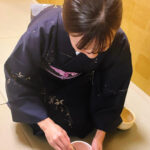
Also, you’ll learn the handling details—the kind that sounds small until you taste the difference. In the experience, people mention things like the correct way to hold a teapot and why it matters. That kind of instruction is exactly what separates a “watch me” demo from real skill-building.
The Hands-On Twist: Tea Blending and Tea Cocktails
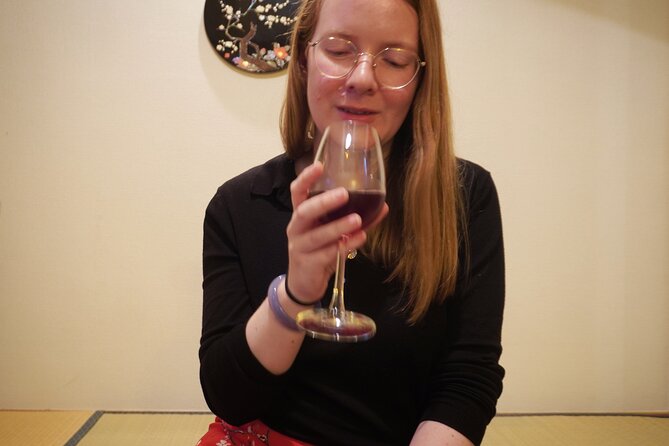
After the core brewing education, you switch from straight tea to mix-and-taste mode. This is where the workshop becomes more than tea tasting.
You’ll make tea drinks using natural ingredients like fruit, and you’ll infuse them with alcohol. That doesn’t mean it’s a party gimmick. The point is to learn how tea flavors interact with other ingredients—sweetness, acidity, and aroma—and how to keep the drink tasting intentional instead of random.
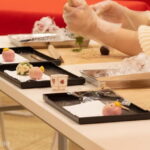
You’ll also sample a tea cocktail during the session, along with traditional Japanese sweets. For me, this is where you get the most fun-to-learning payoff. You taste your work, then you understand how the brewing choices carry over into the final drink.
If you like food experiments but prefer them grounded in real technique, this is a great match. And if you prefer non-alcohol options, the description is focused on infusing with alcohol, so it’s worth asking what options are available during your booking or check-in.
Why the “Personalize Your Tea” Angle Actually Matters
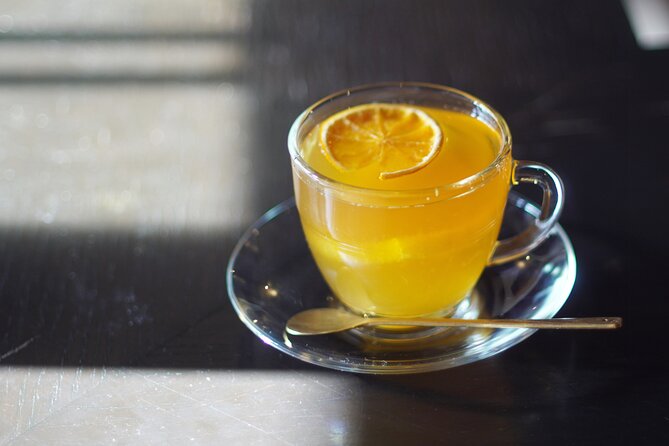
The workshop says you’ll personalize your tea experience based on your tastes and preferences. That’s not just marketing fluff.
In practice, it usually means you’re encouraged to pay attention during tasting, then adjust what you make. Maybe you lean toward lighter, fresher profiles. Maybe you like roasted, toasty flavors. Maybe you want the sweetness level to feel right when you move into cocktails.
That personalization is also useful because the class covers multiple tea styles. If you’re not a matcha-only person, you still get to enjoy the parts that fit your palate.
And because the group is small (max 3), there’s more time for you to ask questions and connect what you’re tasting with what you’re doing.
The Osaka Setting: A Chiller Tea-House Side of the City
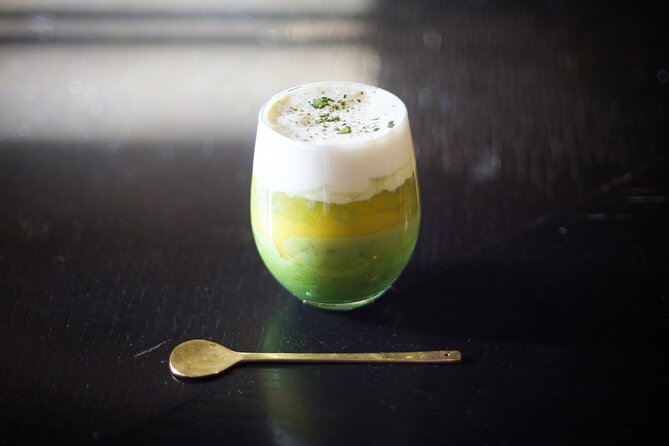
One of the underrated perks is the location outside the usual tourist churn. The experience is described as showing you a charming area of Osaka beyond the main hub.
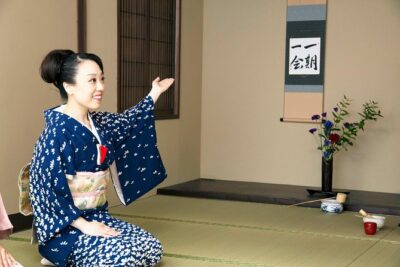
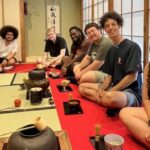
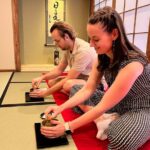
In the reviews linked to this experience, the space is described as calm and cozy, with an intimate, tea-house feel rather than a classroom vibe. You might notice antique items on display, and that kind of atmosphere matters. It keeps the workshop from feeling like a rushed stop. It feels like someone invited you into their tea world.
You’ll also get the vibe that the host makes it friendly, even funny, not stiff. That matters because tea is technical, and you’re more likely to retain the technique when the tone feels relaxed.
Price and Value: Is $54.46 a Good Deal for 2 Hours?
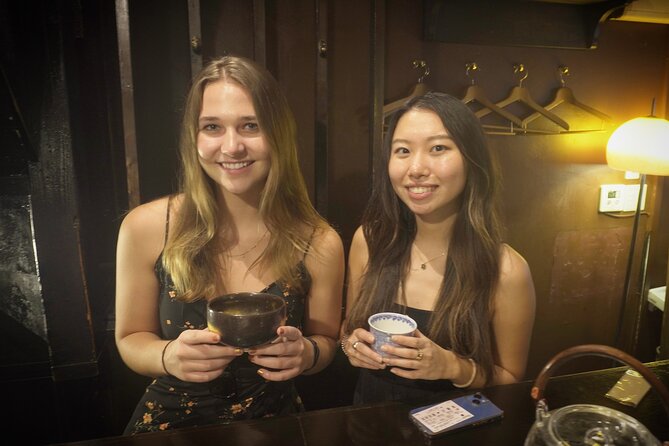
At $54.46 per person for about 2 hours, you’re paying for a mix of three things:
- A small-group, hands-on skill class (not a mass tasting).
- Multiple tea types (sencha, wakocha, oolong, hojicha, matcha), including brewing instruction.
- Food and drink elements: tea cocktails and traditional Japanese sweets, plus samples and recipes to take home.
If you compare it to “just taste teas” experiences, this one has more moving parts. You’re learning technique—brewing temperatures, tool handling, and how to adjust the drink through blending. That’s what turns it from a one-time souvenir into something practical.
Also, it’s booked on average 60 days in advance, which usually means the experience fills up. If you’re aiming for a specific week, plan ahead rather than assuming you can walk in.
What You Leave With: Samples, Recipes, and How to Use Them
By the end, you’ll get recipes and samples for the beverages you make. That’s a big deal for value, because it keeps the experience from ending when the session ends.
You’ll be able to brew on your own and recreate the flavor profile you liked. And because you were taught basics like brewing temperatures and technique, you’re not stuck doing guesswork.
Practical tip for taking advantage of this: when you get the recipes, jot down your own notes right away. For example, which tea you liked best, and what felt too strong or too mild to you. Your future self will thank you.
Who This Workshop Suits Best (and Who Might Want Something Else)
This tea blending experience is a strong fit if you:
- Want hands-on training and not just sightseeing
- Like learning how flavors work, not only eating the result
- Enjoy the idea of tea cocktails and fruit-infused drinks
- Want to bring home a real skill and a few servings of tea samples
It may be less ideal if you:
- Want a long, slow meal-style tea session (this is around 2 hours)
- Prefer big group energy with lots of people talking over each other
- Are only interested in one tea style (this class spans several)
That said, even if you have one favorite tea, the class can still be worth it because you’ll learn what makes it taste the way it does.
Should You Book It?
I’d book it if you want an experience that’s both authentic-feeling and actually useful. The small-group setup, hands-on brewing, and the mix of traditional tea ritual with modern tea cocktail making is a rare combo.
If you’re the type who always buys souvenirs that you later forget about, this is different. You’ll leave with samples and recipes and the confidence to brew properly at home. For $54.46, that’s the kind of value that sticks.
FAQ
What is the duration of the Japanese tea blending workshop in Osaka?
It runs for about 2 hours.
What time does the experience start?
The start time is 3:00 pm.
Where does the workshop meet?
The meeting point is Namba Yasaka Jinja 2-chōme-9-19 Motomachi, Naniwa Ward, Osaka, 556-0016, Japan.
How many people are in the group?
The experience has a maximum of 3 travelers.
What types of Japanese tea will I learn about?
The workshop covers sencha, wakocha (Japanese black tea), oolong tea, hojicha (roasted tea), and matcha.
Will I be making tea cocktails or just tasting tea?
You’ll do hands-on activity and sample tea drinks, including a tea cocktail made with natural ingredients like fruit, and infusing it with alcohol.
Are there food items included?
Yes. You’ll sample traditional Japanese sweets along with the tea and cocktails.
What will I take home after the workshop?
You can take home recipes and small tea samples from the beverages you learn to make.
Is there free cancellation?
Yes, free cancellation is available. You can cancel up to 24 hours in advance for a full refund.