REVIEW · KYOTO
Authentic Kyoto Tea Ceremony: Camellia Flower Teahouse
Book on Viator →Operated by Camellia · Bookable on Viator
Quiet matcha time in Kyoto is real. This hands-on session at Camellia Flower Teahouse in Higashiyama puts you right inside a centuries-old ritual, with a friendly English-speaking instructor guiding you through utensils, etiquette, and the look of the room. I love that you finish by making your own frothy matcha bowl, and I also like how the host explains the symbolism behind the steps, not just the mechanics. The main thing to watch: it is not wheelchair accessible, even though chairs and tables are available.
You’ll spend about 45 minutes total, in a small group (maximum 8). Photos and short videos are permitted, and the atmosphere is quiet enough that it feels like a reset after Kyoto sightseeing. Kimono rental is optional for an extra charge if you want the extra-authentic look.
In This Review
- Key Highlights You’ll Care About
- Camellia Flower Teahouse: a calm Kyoto experience that’s easy to fit in
- The 45-minute flow: what actually happens from welcome to your final sip
- Utensils, precision, and why this isn’t just whisking powder in a cup
- Sweets, room layout, and the etiquette that changes how you taste
- Hands-on matcha: the part you’ll want to repeat at home
- Kimono rental: when it’s worth paying extra
- Seating comfort: floor tradition vs chairs and tables
- Price and value: is $36.48 fair for a Kyoto tea lesson?
- Who should book this tea ceremony (and who might not)
- Should you book Camellia Flower Teahouse?
- FAQ
- FAQ
- Where does the tea ceremony take place in Kyoto?
- How long is the Camellia tea ceremony experience?
- How many people are in each group?
- Is it wheelchair accessible?
- Are chairs available?
- Do you get to make your own matcha?
- Are photos and videos allowed?
- Is kimono rental included?
- Are children allowed?
- What if the weather is bad or I need to cancel?
Key Highlights You’ll Care About
- Small group, max 8: more attention when you’re whisking matcha.
- Make your own bowl: you’re not just watching; you’re doing it.
- English-speaking instructors: fluent guidance throughout the steps.
- Floor or chair seating: you can choose what feels best for you.
- Optional kimono rental: often worth it if you’re after maximum authenticity.
- Tea utensils provided: bowls, scoops, and whisks are included.
Camellia Flower Teahouse: a calm Kyoto experience that’s easy to fit in
If your Kyoto day already has temples, lanes, and crowds, a tea ceremony can be the perfect counterweight. Camellia Flower Teahouse sits in Kyoto’s Higashiyama Ward, where you can usually connect fast with public transportation. The meeting point is clearly listed at Tea Ceremony Camellia, 349-13 Masuyachō, and the whole experience loops right back there when you’re done.
One smart reason this format works for most visitors: the session is timed to be digestible. About 45 minutes means you can plan it between other plans without scrambling your schedule. The group size stays small (maximum 8), so you’re less likely to feel rushed or lost while learning a ritual that depends on slow, careful movements.
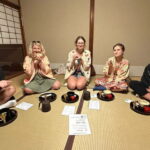
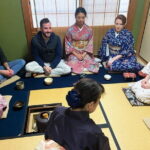
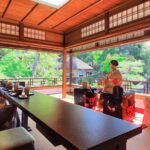
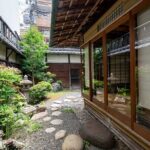
You should also know the room setup is flexible. Many ceremonies typically involve sitting on the floor, but chairs and tables are available if you prefer not to sit on the tatami-style surface. Photos and short videos are allowed, which helps if you want a memory without turning the event into a photo shoot.
You can also read our reviews of more tours and experiences in Kyoto.
The 45-minute flow: what actually happens from welcome to your final sip
The session is built around one core idea: learn the ritual through doing, not through a lecture. It starts with a host welcoming you and giving a short introduction to the world of matcha. You’ll get context for why tea ceremonies matter in Japanese culture and how the details connect to history, architecture, and flavor.
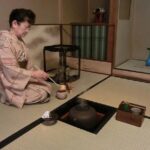
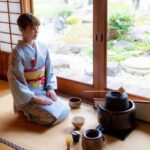
Next, your instructor walks you through the ceremony steps. They explain what each utensil is for, why the movements are done in a specific order, and how the room’s decoration and layout affect the experience. That’s not just trivia. When you understand the purpose behind the ritual, your attention slows down naturally, and the tea tastes more intentional.
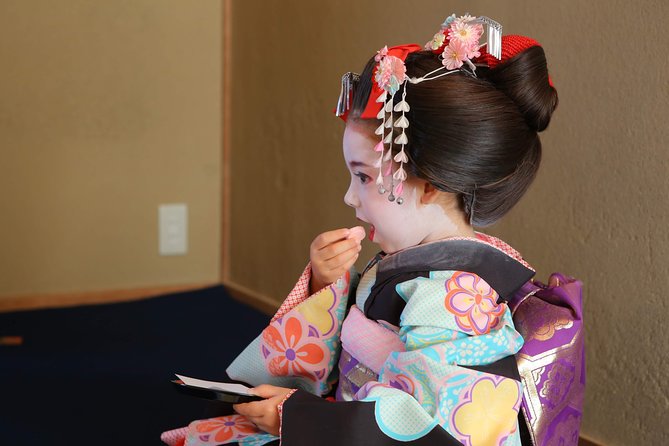
Then comes the pause part: a seasonal sweet with your tea. This gives you a moment to settle in and taste while the instructor encourages questions and conversation. Many people find this is when the experience shifts from activity to meaning—especially if it’s your first time in Kyoto.
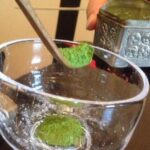
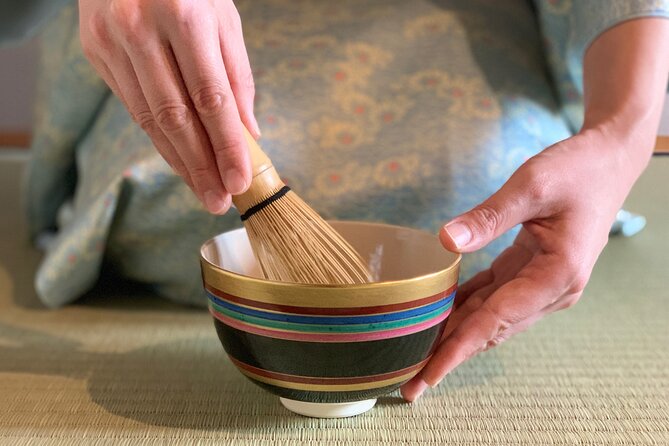
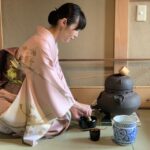
Finally, you get the hands-on moment. The ceremony ends with you making your own bowl of frothy matcha. That last step is the payoff: you don’t leave only knowing the story—you leave with the skill basics.
Utensils, precision, and why this isn’t just whisking powder in a cup
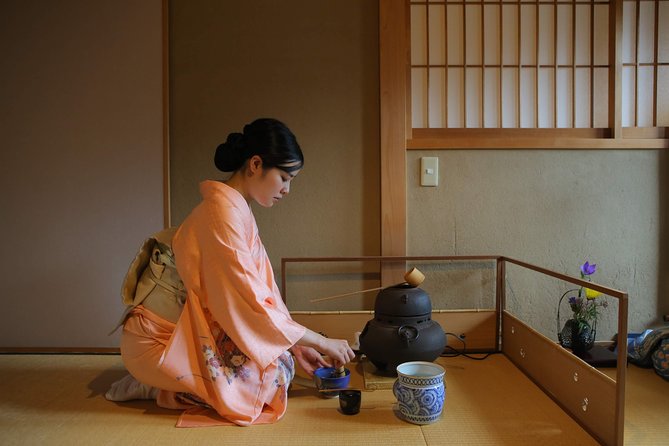
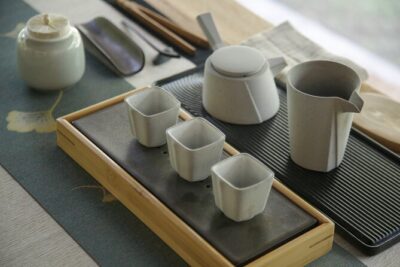
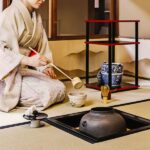
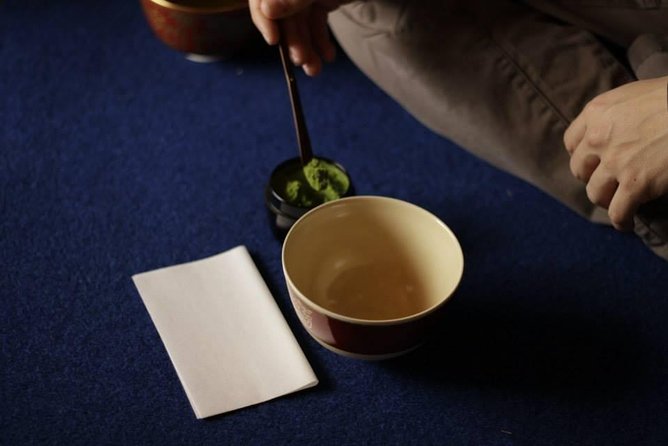
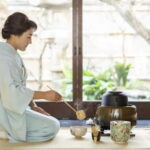
Tea ceremony sounds simple until you try it. That’s exactly why this kind of lesson is worth your time. You’re provided with the tools you need—tea bowl, tea scoop, and tea whisk—so you aren’t worrying about gear or measuring.
What I like about this setup is that the instructor doesn’t treat utensils as props. They explain how each item supports the steps. One review highlights how the process feels precise and how explanations helped with understanding the procedure for tea making. That kind of precision matters because matcha is both delicate and easy to mess up: too much powder, too little water, or the wrong whisking technique changes the texture and the overall experience.
Another small but important detail: you’re taught the “why” behind motions, not only the “how.” That includes respecting the ritual and the person for whom the tea is prepared. Some guests specifically call out explanations about cleansing with water and respect as part of what makes the ceremony feel spiritual, not theatrical.
In short, the lesson helps you understand that good matcha isn’t an accident. It’s attention.
Sweets, room layout, and the etiquette that changes how you taste
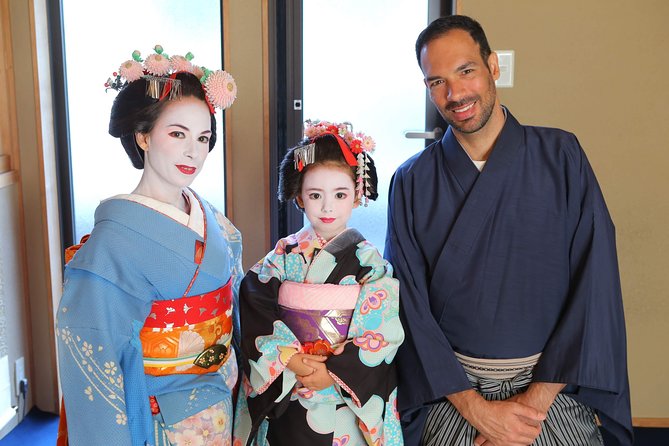
The ceremonial parts that most people remember aren’t the tools. It’s the atmosphere and the meaning tied to small actions. Your instructor explains the importance of the room’s decoration and layout, which helps you see why a tea ceremony isn’t staged in a random corner. It’s designed to guide the senses.
You’ll also have a seasonal sweet with your tea. That matters because matcha doesn’t taste like coffee or juice—it’s grassy, vegetal, and textured. The sweet plays a balancing role and gives you a rhythm to follow. It’s also a built-in “breather” between learning steps and practicing your own bowl.
Etiquette is part of the package. Based on guest experiences, you may hear about cleansing with water and the idea of preparing tea with respect for the person receiving it. Even if you’ve never studied Japanese culture before, these explanations help the ritual feel grounded instead of mysterious.
If you’re the type who likes learning what symbols mean—why things are done in a certain order—this ceremony style is a strong match.
Hands-on matcha: the part you’ll want to repeat at home
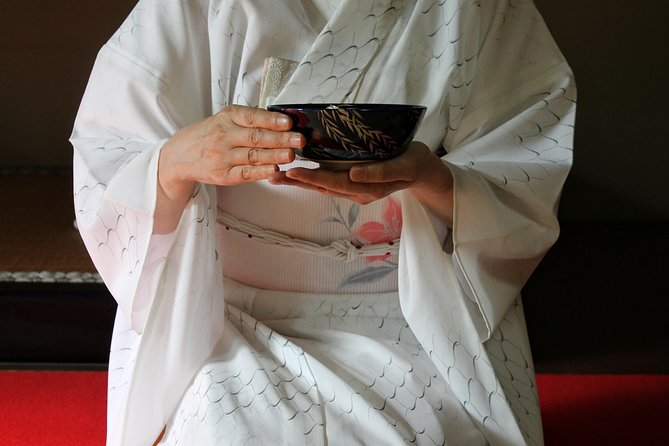
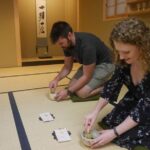
Most tea lessons end with tasting. This one makes sure you create your own. You have the opportunity to make your own bowl of frothy matcha at the end, and it’s not just a token try—you’re guided through the basics so you can actually whisk with confidence.
This is one of the experience’s best value points for practical travelers. You’ll leave with a mental checklist of steps and a feel for what “good foam” looks and feels like. Several reviews mention enjoying the chance to master the basics and practice, and that even gives a real sense of why the craft takes training.
Also, instructors speak English fluently and come from one of Kyoto’s three main schools of tea ceremony. That’s meaningful because you get more than a generic explanation. You get a structured approach tied to a specific tradition, which keeps the lesson coherent.
Want to take it home? Many people take inspiration from what they learn here—some even mention buying a tea set afterward to keep the ritual going.
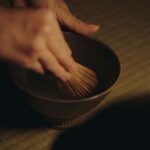
Kimono rental: when it’s worth paying extra
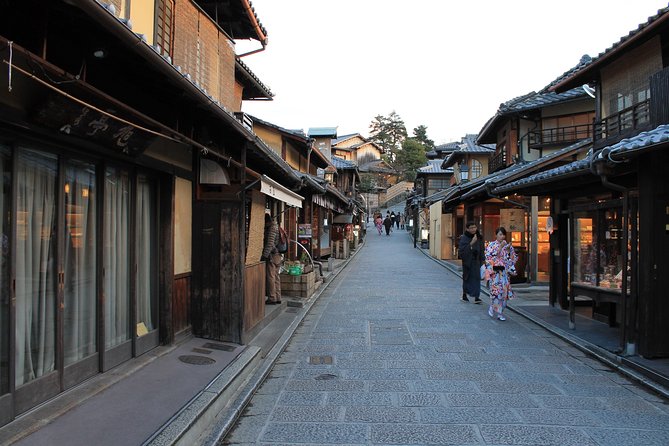
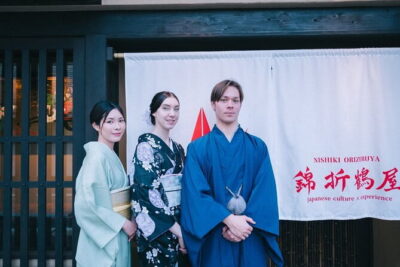
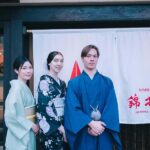
Kimono rental is available by request for an additional charge. It’s not included automatically, so you have to decide if you want that added layer of authenticity.
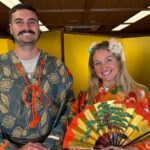
From the reviews, kimono rental consistently comes up as a highlight. People describe it as elevating the experience and making it feel more authentic, and one review even says making sure to wear kimonos is part of the experience because staff help with dressing and an updo.
If you’re planning several photos in Kyoto, the kimono option can also be practical. You’ll look more “in scene” for a traditional room and a culture-focused activity. Just remember: if you’re tight on time or prefer not to wear additional clothing, the ceremony still stands on its own because the instruction and matcha practice are the core.
Seating comfort: floor tradition vs chairs and tables
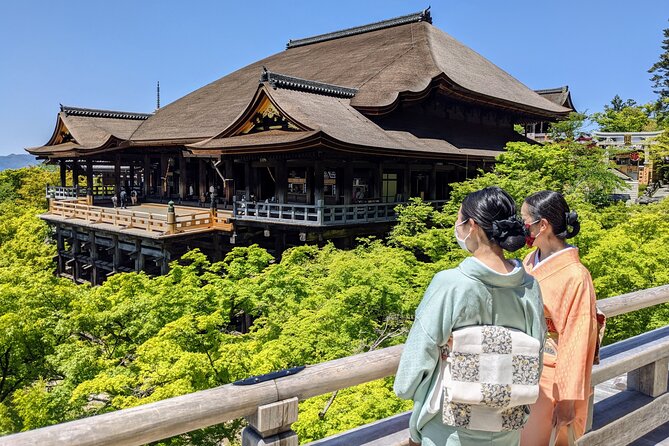
A classic tea ceremony often means sitting on the floor. This experience usually follows that style, but chairs and tables are available if you prefer. That’s a big deal if you have knee or back issues, or if you simply don’t want to spend the whole 45 minutes lowering yourself and rising again.
At the same time, there’s an important limitation: the experience is not wheelchair accessible. Even with chairs available, the venue setup may still pose barriers. If mobility is a concern, it’s worth checking details with the operator before you book.
As for age, this is for all ages—but children under 6 can’t join. If you’re traveling with kids, you’re likely in good shape if they’re school-age and curious about cultural activities. One family even mentions kids ages 7 and 8 loving the experience.
Price and value: is $36.48 fair for a Kyoto tea lesson?
At $36.48 per person, the price can feel like a “culture splurge.” Here’s why it’s more than just paying for a drink.
First, the session isn’t passive. You’re taught the steps, encouraged to ask questions, and you end by making your own frothy matcha. Second, the most annoying parts of tea learning—finding utensils and figuring out technique—are handled for you. Bowls, scoops, and whisks are provided.
Third, you’re paying for English instruction and group attention. With a maximum of 8, the instructor can correct your whisking approach and explain the ceremony flow without treating everyone like background noise.
You also get a seasonal sweet included with the tea. That’s small, but it makes the experience feel complete rather than like a quick demo.
If you want the most value, consider skipping the “photo-only” mindset. This works best when you treat it like a lesson you can practice, even if you’re new to Japanese customs.
Who should book this tea ceremony (and who might not)
This is a great pick if you want a calm, meaningful activity that doesn’t require museum stamina. I’d especially recommend it for:
- First-timers in Kyoto who want a structured intro to one of Japan’s most iconic rituals
- People who like hands-on learning (you’ll whisk and make matcha)
- Travelers who value English guidance and thoughtful explanations
It may be less ideal if:
- You need wheelchair access (the experience is not wheelchair accessible)
- You dislike sitting on the floor for any portion of the session and you want full certainty about comfort without any floor time
- You’re looking for a long “show” or a big performance with multiple acts (this is a focused 45-minute ceremony)
Should you book Camellia Flower Teahouse?
I’d book it if you want a small-group matcha lesson that ends with you holding the whisk. The combination of clear instruction, English-speaking guidance, provided utensils, and the hands-on matcha-making is exactly the kind of experience that turns into a real memory instead of a quick checkbox.
If you’re deciding based on logistics, keep two things in mind: it’s not wheelchair accessible, and it’s short—about 45 minutes—so plan it when you can slow down after. If kimono rental is part of your style, request it early so it fits your timing.
FAQ
FAQ
Where does the tea ceremony take place in Kyoto?
The meeting point is Tea Ceremony Camellia, 349-13 Masuyachō, Higashiyama Ward, Kyoto, 605-0826, Japan. The activity ends back at the same meeting point.
How long is the Camellia tea ceremony experience?
Plan for about 45 minutes.
How many people are in each group?
The experience has a maximum of 8 travelers per group.
Is it wheelchair accessible?
No, the experience is not wheelchair accessible.
Are chairs available?
Yes, chairs and tables are available as an option.
Do you get to make your own matcha?
Yes. You’ll be instructed and then each guest makes their own bowl of frothy matcha.
Are photos and videos allowed?
Photos and short videos are permitted.
Is kimono rental included?
No. Kimono rental can be requested by message for an additional charge.
Are children allowed?
This experience is for all ages, but children under 6 years old cannot join.
What if the weather is bad or I need to cancel?
You can cancel for free. If it’s canceled due to poor weather, you’ll be offered a different date or a full refund.