REVIEW · KYOTO
Kimono Tea Ceremony Experience at Kyoto Oritzuruya, Nishiki
Book on Viator →Operated by LINKTIVITY Inc. · Bookable on Viator
Kimono and matcha, without the stress. At Kyoto Oritzuruya in Nishiki, you get expert help dressing in a real kimono, then you learn matcha the traditional way with a small group.
I like that you can pick from 200+ kimono designs, and the staff take real care with the fit, accessories, and (for women) complimentary hair styling. I also like that the tea portion is structured and learnable, not just passive watching.
One thing to consider: this experience can feel a bit tourist-friendly for some people—if you want a slow, deeply spiritual tea moment with lots of dialogue, you may wish there were more time for discussion.
Key highlights at a glance
- Up to 10 guests means you can actually pay attention during dressing and the tea lesson
- Kimono selection from 200+ designs lets you choose your own look
- Matcha prep guidance using a traditional bamboo whisk (chasen)
- Wagashi and the matcha you make give you something tangible to take away
- Optional calligraphy adds a personal souvenir beyond photos
- Kimono time after the ceremony is a big part of why this feels special in Kyoto
In This Review
- Nishiki Check-In at Orizuruya: Where the Morning Starts
- Choosing a Kimono from 200+ Designs (Yes, You Really Get to Pick)
- Dressing Staff, Hair Styling, and the Obi Details You’ll Notice
- Inside the Tea Room: Matcha, Purification, and Real Technique
- Wagashi Pairing: Your Sweet and Your Matcha Together
- Optional Calligraphy Add-On: A Souvenir You Actually Made
- Kimono Time After the Ceremony: Walking the Nishiki Area in Style
- Price and Value: What $50.87 Buys You (and What It Doesn’t)
- Group Size and Timing: Why Up to 10 Guests Works
- Who Should Book This Tea Ceremony and Kimono Experience?
- Should You Book Kyoto Oritzuruya’s Kimono Tea Ceremony?
- FAQ
- How long is the kimono and matcha tea ceremony experience?
- What is the group size limit?
- What’s included in the price?
- Is calligraphy included?
- Where do I meet for the experience?
- Do I need my smartphone for check-in?
- What happens if I need to cancel, or if weather is poor?
Nishiki Check-In at Orizuruya: Where the Morning Starts
Your experience begins at Nishiki Orizuruya, at 452 Jūmonjichō, Nakagyo Ward. This location matters. You’re in the part of Kyoto where you’ll recognize the rhythm of the city right away—busy streets nearby, but your time inside is calmer and more controlled.
Plan to arrive a few minutes early. The day has a clear flow: check-in, dressing, hair/accessories, then the tea room portion. People tend to get nervous about not knowing what to do in a ceremony like this. The good news: everything is guided. You’re not expected to wing it.
Also, this is a “show up and follow the cues” experience, not a self-guided museum stop. If you like structure, you’ll feel comfortable fast.
Choosing a Kimono from 200+ Designs (Yes, You Really Get to Pick)
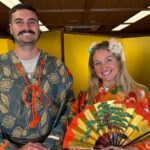
This is one of the biggest draws. You select your kimono from a huge range—over 200 designs—and the staff assist you while you choose. That means you’re not stuck with whatever is on the rack. You’re building a look that feels like you.
From what I see people love most, the fun isn’t only wearing a kimono. It’s the decision-making: color, pattern, and the little details that make it feel correct for the moment.
Practical tip: think about what you want to photograph and how you want to feel walking afterward. Some patterns pop more in bright daylight; others look elegant in softer indoor light. If you care about comfort, tell the staff your priorities early—so you can make smart choices before the dressing becomes more complex.
And if you’re worried about fit—don’t be. One of the recurring themes in feedback is that the venue handles different body types well, with a wide enough selection to make you feel included. If you have specific concerns, mention them at check-in so they can steer you toward suitable options.
You can also read our reviews of more tours and experiences in Kyoto.
Dressing Staff, Hair Styling, and the Obi Details You’ll Notice
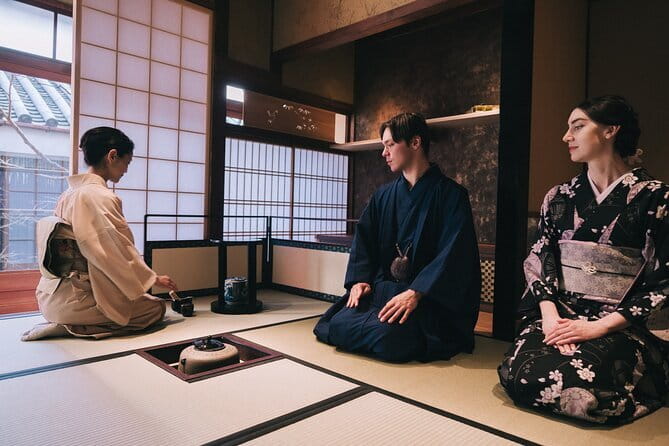
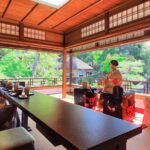
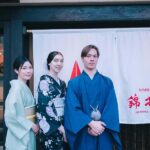
Once your kimono is chosen, the dressing process becomes its own mini-ritual. Staff help you put everything on, and for women, complimentary hair styling is included. That includes a simple style, plus traditional finishing touches like hair pins and hair accessories.
What I found most useful to consider is that kimono dressing changes how you move. Your posture, your turns, even how you sit down—all of it becomes “kimono-aware.” That sounds trivial until you’re actually wearing it. You’ll want to go slow at first and follow the staff’s cues.
Also watch your footwear and how you handle stairs. You’ll slide into sandals designed for the kimono, and you may move through spaces where the floor is different from a normal street surface. The staff will guide you, but your body will still need a minute to adjust.
If you have knee issues, plan to take it seriously. Some people have reported accommodations like a small table/chair setup for older guests who can’t sit fully on the floor. Still, you should assume you’ll spend time standing while getting dressed and then sitting during tea. If mobility is a concern, tell them early so they can set you up properly.
Inside the Tea Room: Matcha, Purification, and Real Technique
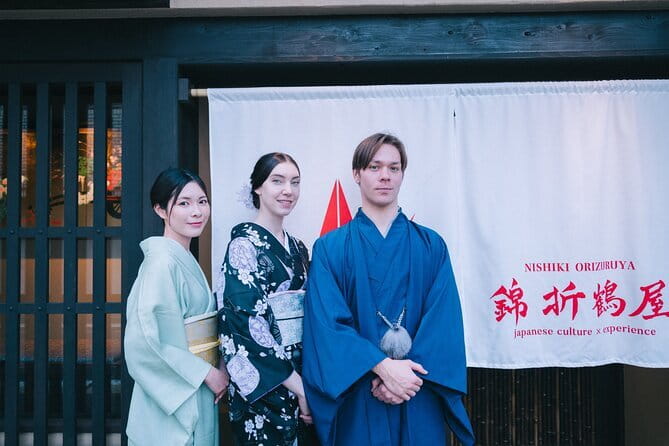
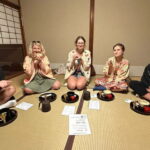
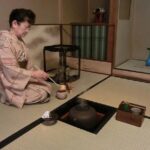
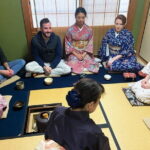
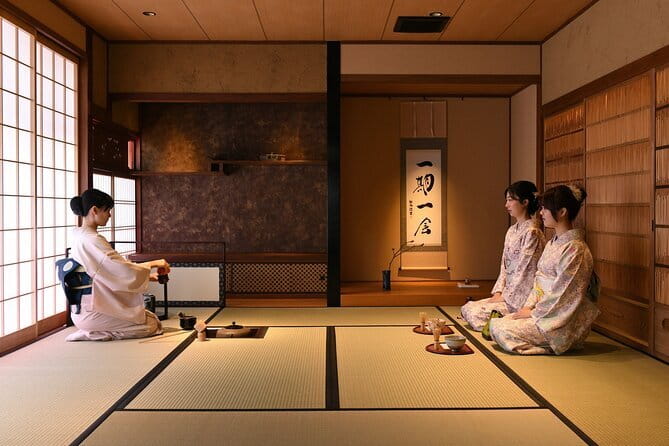
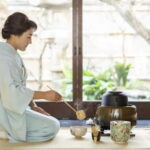
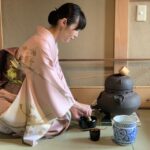
After you’re dressed, you head into the tea room portion where an experienced instructor guides you through the tea ceremony. This is where the experience becomes more than costume play.
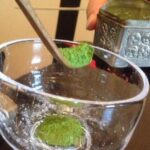
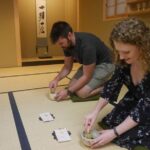
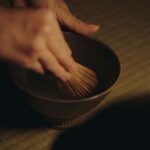
You’ll learn the graceful techniques behind preparing matcha using a traditional bamboo whisk (chasen). In plain terms: you’re taught how to mix so the drink tastes right and looks like it should. Then you get to make your own bowl.
A key detail: there’s also a purification step. Some feedback highlights that the process includes meaningful preparation before the tea is served. That’s useful context for you. If you only think of tea as drinking something green, you’ll miss why the ceremony emphasizes order and intention. The purification part is how the mood shifts from everyday to ritual.
What you should expect during the actual tea instruction:
- You’ll follow the instructor’s pacing and hand movements
- You’ll practice whisking/mixing techniques
- You’ll be part of the portion where you make and then drink what you created
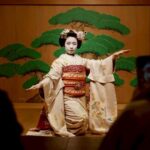
One caution: a small number of people felt the ceremony leaned more toward a staged performance than deep participation. The most common “real talk” takeaway from that criticism is time. The ceremony doesn’t run forever. If you want long explanations about meaning, this may not be the best fit. But if you want to learn the hands-on matcha steps and experience the calm setting, it usually lands well.
Wagashi Pairing: Your Sweet and Your Matcha Together
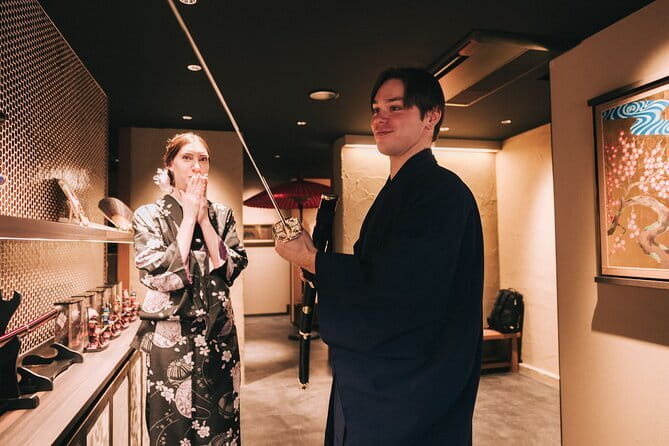
You’re not left to just learn technique and walk away. Snacks are included: wagashi and matcha.
Wagashi matters because it’s not a random sweet. It’s part of the rhythm of tea. The ceremony gives you something to taste that matches the moment: sweet, delicate, and designed to work alongside tea rather than overpower it.
If you’re the type who thinks you don’t like matcha, try this way before you decide. Several people describe it as a calming, enjoyable activity where the flavors make sense because you made the matcha yourself. You’ll be able to tell the difference between a rushed mix and the technique you practiced.
Optional Calligraphy Add-On: A Souvenir You Actually Made
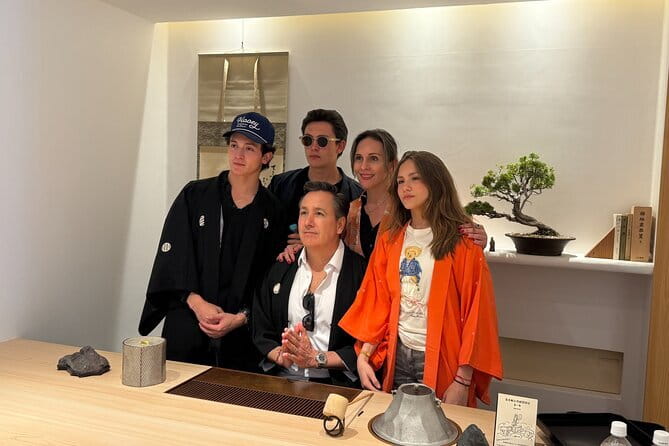
If you want a deeper memory than photos, add the calligraphy session. It’s optional, and it comes with instruction and time to create your own piece to take home.
People who loved this add-on tended to say it gave the activity a personal finish. Dressing is one creative part. Matcha is a sensory lesson. Calligraphy becomes your written result—your one tangible item that doesn’t just live on your camera roll.
There’s also a practical reason to do it: it helps you slow down. After the bustle of picking kimono patterns, you get a different kind of focus. If your brain likes hands-on craft rather than only demonstrations, you’ll likely enjoy it.
If you’re deciding between tea-only vs tea + calligraphy, think about what you want to carry out of Kyoto: a drink lesson, or a written keepsake.
Kimono Time After the Ceremony: Walking the Nishiki Area in Style
One of the most fun parts of this experience is what happens after tea. You can continue wearing the kimono outside for the rest of the afternoon until the venue closes (noted by many as around 18:00).
This changes the value equation. A lot of kimono experiences end as soon as the ceremony ends. Here, you get time to enjoy the look in real Kyoto streets—so your photos feel less like a quick changeover and more like part of your day.
A simple strategy:
- Wear it thoughtfully. Walk slower than usual.
- Take pictures in places that match the calm mood of tea.
- If you’re shopping nearby, keep it easy on yourself—kimono sleeves and bags can be awkward.
You’ll get a feel for why Nishiki is such a strong base for this. It’s central, visual, and lively enough to feel “Kyoto,” but you can still step back into quiet moments when you need a break.
Price and Value: What $50.87 Buys You (and What It Doesn’t)
At $50.87 per person, you’re paying for more than matcha. You’re paying for:
- Kimono costume inclusion
- Hairstyling (simple style) for women
- Wagashi and matcha
- Utensils
- All fees and taxes
- A licensed guide
- The guided tea ceremony instruction
That’s the real value: you’re not arranging the clothing, the ceremony, and the tools yourself. You’re showing up, getting handled, and leaving with a skill. The skills are the part that justifies the price for me. You learn matcha technique you can repeat later.
What’s not included is also part of the math. Transportation isn’t included, and hotel pickup/drop-off isn’t included. You’ll have to get to Nishiki Orizuruya on your own. For most people staying in central Kyoto, that’s manageable. But if you’re far out, build that travel time into your schedule.
Bottom line: this price feels fair if your goal is a hands-on cultural experience with real dressing and a clear lesson outcome.
Group Size and Timing: Why Up to 10 Guests Works
The group max is 10 travelers. That’s not a small detail. In a kimono setup, everyone needs space to dress and adjust. In a tea room, everyone needs to follow the instructor’s timing.
With up to 10, you’re less likely to feel shoved around or lost in the shuffle. The experience stays focused on what you’re doing, not just watching someone else do it.
The duration is about 1 hour 30 minutes. That’s a sweet spot for most schedules: enough time to dress, learn, make matcha, and enjoy the ceremony—without devouring half a day.
Who Should Book This Tea Ceremony and Kimono Experience?
This is a great fit if you want:
- A structured way to experience Japanese tea culture without stressing over etiquette
- A hands-on matcha lesson you can repeat
- The visual payoff of wearing a kimono and enjoying Kyoto streets afterward
- A small-group format that doesn’t feel overwhelming
It may be less ideal if:
- You want a long, deeply philosophical tea conversation
- You dislike anything that feels more “experience package” than quiet tradition
Most people land in the happy middle: calm tea, mindful steps, plus a lot of joy in dressing up.
Should You Book Kyoto Oritzuruya’s Kimono Tea Ceremony?
I’d book it if your travel style includes learning through doing. The combination of kimono dressing + guided matcha + included sweets is the strongest argument. You’re not just renting a costume. You’re learning a technique and stepping into a ritual with clear pacing.
If you care about making it feel more meaningful, strongly consider the calligraphy add-on. It gives you a take-home result that matches the calm focus of the tea room.
And if you’re picky about authenticity meaning deep participation: go in expecting a guided, time-limited ceremony that emphasizes the craft and the steps. You’ll still walk away with a skill, a souvenir (if you add calligraphy), and a real Kyoto memory that looks good and tastes even better.
FAQ
How long is the kimono and matcha tea ceremony experience?
It lasts about 1 hour 30 minutes (approximately).
What is the group size limit?
The experience has a maximum of 10 travelers.
What’s included in the price?
It includes snacks (wagashi and matcha), a kimono costume, utensils, hairstyling (simple style), all fees and taxes, and a licensed guide.
Is calligraphy included?
Calligraphy is optional. You can add a calligraphy session if you want.
Where do I meet for the experience?
Meet at Nishiki Orizuruya, 452 Jūmonjichō, Nakagyo Ward, Kyoto, 604-8121, Japan. The activity ends back at the meeting point.
Do I need my smartphone for check-in?
Yes. You must click the link in your voucher from after purchase, open the website page on your smartphone, and present the screen to staff. Screenshots or printed tickets won’t be accepted.
What happens if I need to cancel, or if weather is poor?
Free cancellation is available up to 24 hours in advance for a full refund. The experience requires good weather, and if canceled due to poor weather you’ll be offered a different date or a full refund.
You Might Also Enjoy
 From Colombo: Pinnawala & Tea factory with Kandy Hotel Drop
 Kimono Tea Ceremony at Kyoto Maikoya, Karasuma Shijo
 Experience all of Japanese culture and Japanese food experience classes “origami, udon, Japanese food, green tea, calligraphy” in 4 hours
 Sunset camel ride in Agadir with transport, tea and cakes.