REVIEW · KYOTO
Kimono Tea Ceremony at Kyoto Maikoya, Karasuma Shijo
Book on Viator →Operated by Maikoya · Bookable on Viator
Matcha tastes better when you make it. At Kyoto Maikoya in Karasuma Shijo, you start with a real kimono dressing flow and step into a guided green tea ritual that feels calm, not chaotic. I love how well the staff sets you up first, so you feel neat and confident before you touch the tea tools.
Next, the matcha part is hands-on in the best way. You’ll watch the steps, learn what the tools mean, then whisk your own bowl of high-quality green tea with your tea master coaching your movements and etiquette. In past sessions, the English support has included hosts named Yuki and Miki, which helps if you want the story behind each step, not just the motions.
One thing to consider: this experience moves on a tight 1 hour 30 minutes rhythm, so photo time is not endless. Photo and video rules can limit when you shoot, and tripods aren’t allowed, so you’ll want to be ready to follow the tea master’s timing and cues.
In This Review
- Key things that make this kimono tea ceremony worth your time
- Kyoto Maikoya (Karasuma Shijo): location and what that means for your day
- The 90-minute flow: what happens in order
- Kimono dressing at Maikoya: the part most people underestimate
- Tea room basics: tools, etiquette, and why the steps matter
- Making your own bowl of matcha: where the learning clicks
- Snacks after the ceremony: a small food moment that helps the whole experience
- Price and value: is $65.39 a fair deal?
- Logistics that actually matter: what to know before you go
- Who should book this Kyoto kimono tea ceremony
- Should you book Kimono Tea Ceremony at Kyoto Maikoya?
- FAQ
- How long is the Kyoto kimono tea ceremony at Kyoto Maikoya?
- What’s included in the price?
- How many people are in the group?
- Are children allowed?
- Can I take photos or videos?
- What’s the cancellation window?
Key things that make this kimono tea ceremony worth your time
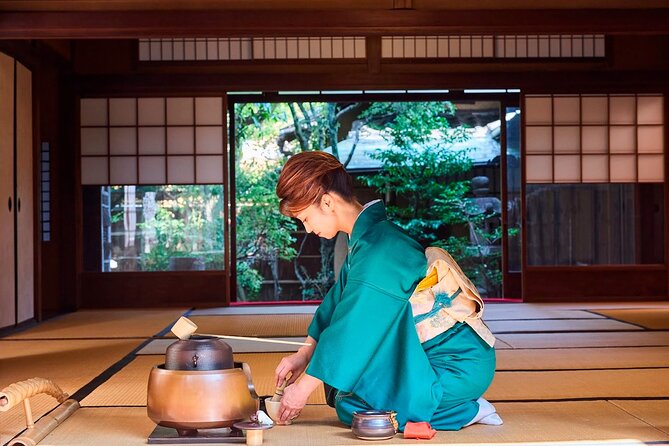
Kimono fitting plus simple hairstyling so you leave looking like you belong in old Kyoto
Hands-on matcha whisking with step-by-step coaching, not a sit-and-watch show
A small group (max 4) that keeps the room from turning into a selfie line
Traditional snacks after the ceremony to round out the flavor experience
Practical etiquette lessons you can actually use the next time you see matcha in Japan
Photo rules to know upfront so you don’t waste time asking at the wrong moment
Kyoto Maikoya (Karasuma Shijo): location and what that means for your day
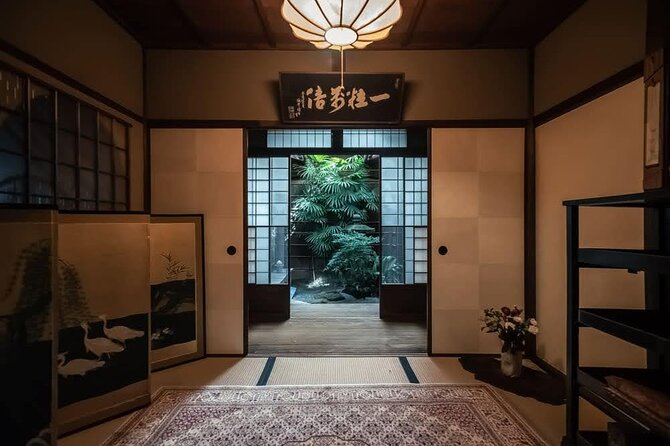
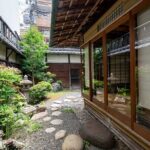
Kyoto Maikoya is set up for visitors who want classic Kyoto without adding stress. The meeting point is at Kimono Tea Ceremony MAIKOYA Karasuma Shijo, 220 Itoyachō in Shimogyo Ward. You meet there and the experience ends back at the same spot, so you’re not forced into a confusing hopscotch route across town.
You’ll also be near public transportation, and that matters in Kyoto, where getting from one neighborhood to the next can eat time. The experience includes a mobile ticket, which makes your arrival simple: you show your confirmation and get pointed to the dressing area and then to the tea room.
You can also read our reviews of more tours and experiences in Kyoto.
The 90-minute flow: what happens in order
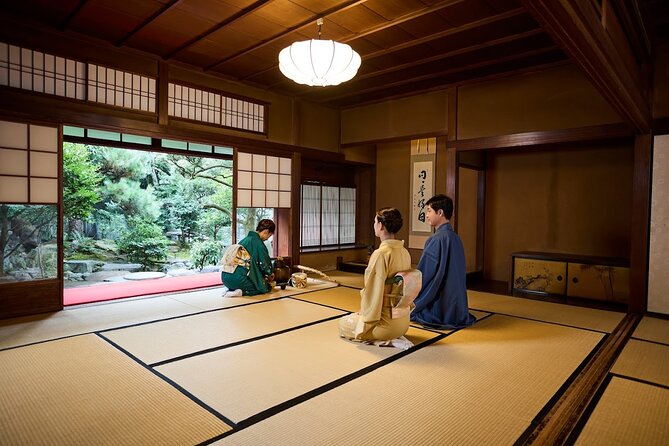
This is not a half-day ceremony with long pauses. It’s a focused, well-paced 1 hour 30 minutes session that aims to fit two big Kyoto favorites into one smooth block of time: dressing in a kimono and learning matcha etiquette through doing.
Here’s the flow you should expect:
- You arrive at the Maikoya space and get guided through kimono selection and dressing.
- You get a simple hairstyle, plus help with details like shoes and how to move in a kimono.
- You transition to the tea ceremony room, where the tea master explains the tools, gestures, and etiquette.
- You observe the preparation first, then you make your own bowl of matcha.
- After the ceremony, you taste green tea and traditional snacks.
Because the timing is compact, the host will keep you moving between steps. That’s good for staying engaged, but it also means you should plan to be present and follow instructions quickly—especially if you care about getting good photos at the right moments.
Kimono dressing at Maikoya: the part most people underestimate
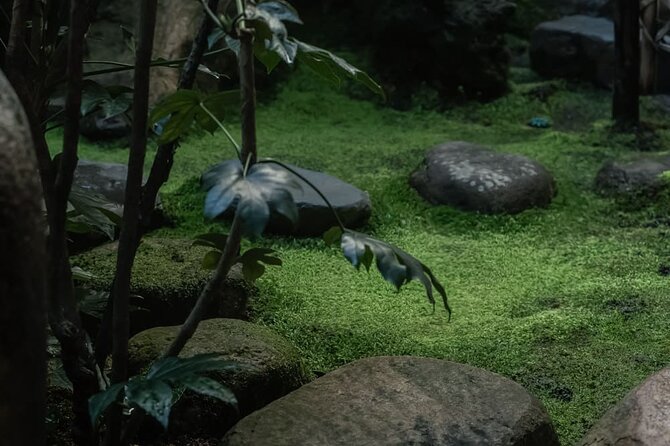
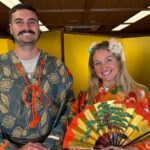
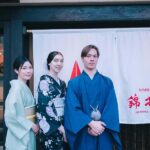
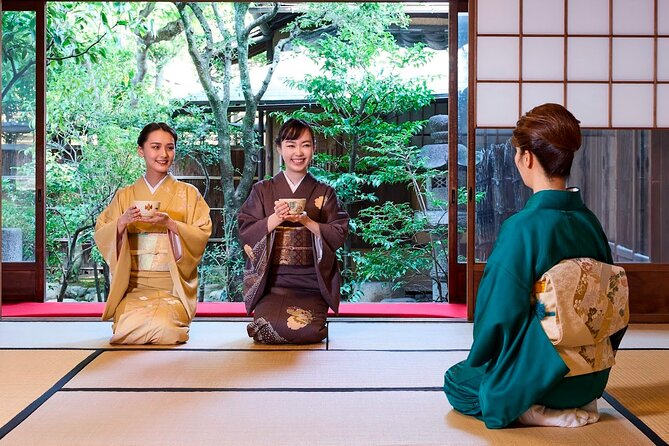
The kimono portion is not just a quick change of clothes. It’s staged like a mini-experience: you select from an elegant set of kimonos, staff assist you with dressing so you look refined, and they do a simple hairstyle to match your outfit.
This matters more than it sounds. When your sleeves sit right, your hair looks intentional, and you’re shown how to walk and sit, the tea ceremony feels less like a performance and more like participation. You also avoid the common frustration of arriving dressed in something uncomfortable and then trying to concentrate through the discomfort.
If you’re worried about fit, plan to rely on their help. The process is designed for visitors, and multiple guests have praised the professionalism of the ladies who handle dressing and hairstyling. You’ll also get more photo opportunities than you might expect, because the kimono moment is treated as part of the day—not an awkward prelude.
Tea room basics: tools, etiquette, and why the steps matter
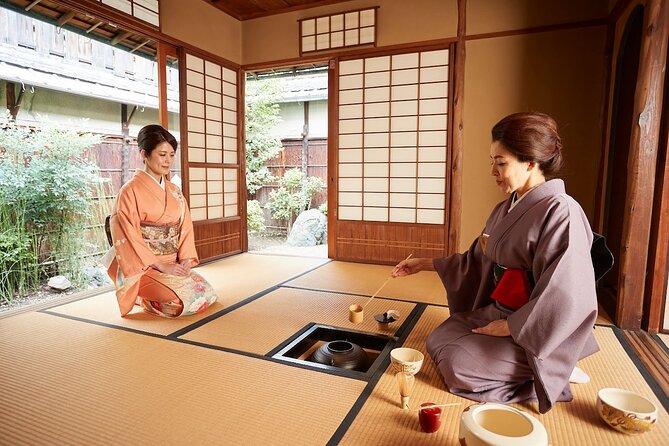
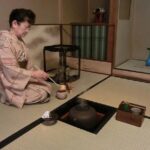
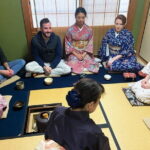
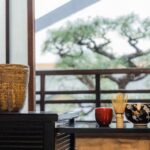
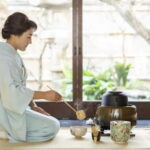
Once you’re in the tea space, you shift from wardrobe mode to ritual mode. A professional tea master guides the ceremony and explains what each step means—tools, movements, and proper behavior that’s been passed down through generations.
You’ll learn the significance behind the way Japanese green tea is prepared. Even if you’ve heard the basics before, you’ll usually pick up practical etiquette: how to hold yourself, when to pause, and how to treat each bowl as something more than a drink.
The ceremony also ties into Kyoto’s cultural identity. You’ll hear context about tea culture in Kyoto, and you’ll see why the whole process is designed to slow you down. The room setting encourages careful attention, and the structure of the ceremony keeps it from feeling random.
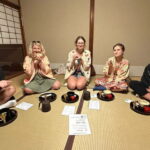
One practical note: tea seating is done traditionally on tatami. That’s part of the atmosphere, but it can be hard on some bodies. You might be offered small chairs, depending on the session and your comfort level, and that’s a useful detail to keep in mind if you don’t love sitting on the floor.
Making your own bowl of matcha: where the learning clicks
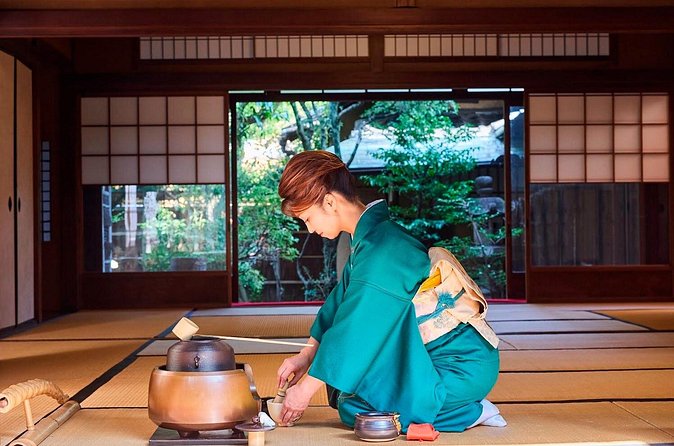
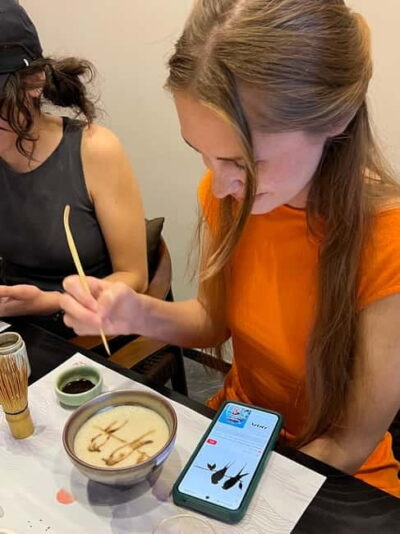
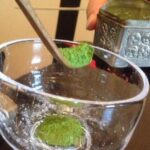
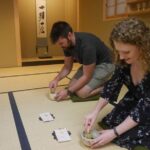
The matcha part is the core value here. You don’t just watch someone else whisk. You’ll prepare your own bowl of matcha, guided by the tea master, using high-quality green tea and traditional utensils.
This is the section where most people feel the biggest difference between a ceremony and a museum-style demo. When you whisk, you understand the rhythm: focus, pressure, and timing. You also learn why the tea is treated with care.
And even if you don’t drink matcha often, the etiquette lessons help you read the drink. Guests have said they enjoyed it even when they don’t usually choose matcha, largely because the ritual explains both the how and the why. You leave with the knowledge to order or handle matcha in a respectful way later, not just a photo in a kimono.
Snacks after the ceremony: a small food moment that helps the whole experience
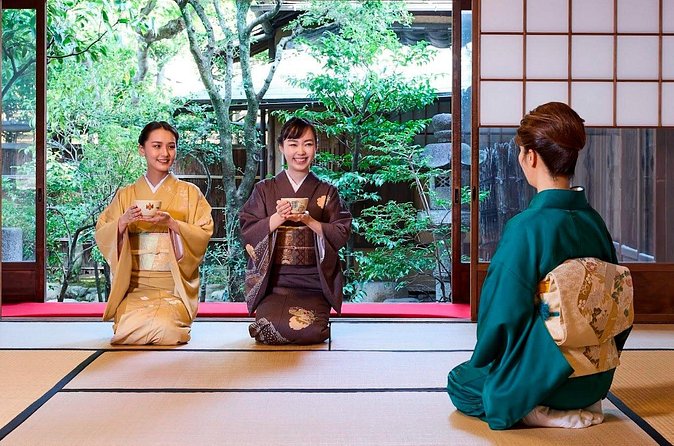
After you finish the tea steps, you’ll enjoy tasting green tea and traditional snacks. This matters because it ties the learning to real flavors. Tea ceremonies in Kyoto are often about balance—taste and manners, not speed.
The snacks are included, so you’re not left hunting for food immediately after. That’s a small but real value point if you’re planning a full Kyoto day with temples, neighborhoods, and photo stops. It also makes the ceremony feel complete, like a full course of the experience rather than a quick activity.
Price and value: is $65.39 a fair deal?
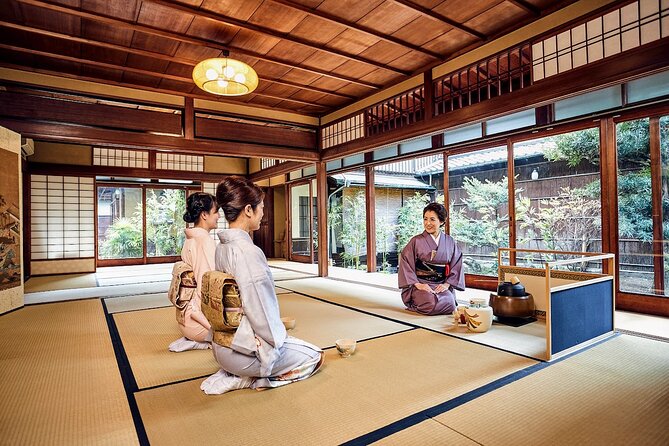
At $65.39 per person, you’re paying for a combo that’s hard to replicate cheaply if you book components separately.
What you’re getting for the price:
- Kimono costume rental
- Green tea plus utensils
- Hairstyling (simple style)
- Traditional snacks
- A professional tea master guiding the ceremony
If you’ve ever priced kimono rental in Kyoto alone, you know it can add up quickly, especially once you factor in staff help and a hairstyle. Here, you’re not only renting clothing—you’re using it to access a structured tea lesson that includes utensils, instruction, and a hands-on moment making matcha.
You’re also paying for the small group size (maximum 4 travelers). In a crowded group, it’s easy to feel rushed or overlooked. Here, the format is designed to keep attention on each person, which makes the learning easier to follow and the atmosphere more relaxed.
Logistics that actually matter: what to know before you go
You should plan to handle transportation on your own. The activity does not include hotel pickup or drop-off, and transportation is not included. The upside is you don’t have to wait around for a vehicle at a hotel. You can just navigate to the meeting point and go in.
Also note:
- Children under 6 are not permitted.
- Tripods are not allowed during the ceremony.
- Photo and video recording may be limited, so follow the tea master’s instructions.
That last part is key. Don’t show up with the mindset that you’ll film every second. Instead, aim for a few good shots during the permitted windows, and let the rest be part of the calm focus. If you want photos of the kimono and dressing time, that tends to be where you’ll have the most room to shoot.
One more practical tip: make sure your booking details match your party size. There have been cases where the group count didn’t match the stated limit and the staff adjusted after the issue was recognized. You can avoid any awkward start by double-checking how many people are in your session before you arrive.
Who should book this Kyoto kimono tea ceremony
This experience is a great fit if you want Kyoto culture in a form that’s active, structured, and Instagram-friendly without being empty.
You’ll likely love it if:
- You’re excited to wear a kimono but don’t want to do it alone and figure out everything yourself.
- You want matcha etiquette you can actually remember and repeat.
- You prefer small groups and clear guidance.
- You enjoy traditional experiences that teach manners, not just facts.
It might not be the best match if:
- You can’t handle floor seating comfortably and you’re not comfortable asking about chair options.
- You’re expecting lots of filming freedom; tripod-free and limited video are part of the setup.
- You want a super slow, long ceremony. This one is designed to be focused in 90 minutes.
Should you book Kimono Tea Ceremony at Kyoto Maikoya?
If you want a Kyoto activity that feels both meaningful and well-organized, I’d book this. The combination of kimono dressing, professional instruction, and hands-on matcha preparation gives you real participation, not just a photo opportunity. And the small group size (max 4) helps you feel like your time matters.
My only hesitation is timing: it’s not a leisurely, hour-after-hour ritual. But if you’re okay following cues, keeping your tripod packed away, and staying present, you’ll likely come away with a new respect for matcha and Kyoto tea culture—and a kimono look that makes your photos better without needing a second outfit change.
FAQ
How long is the Kyoto kimono tea ceremony at Kyoto Maikoya?
It lasts about 1 hour 30 minutes.
What’s included in the price?
Kimono costume, green tea, utensils, simple hairstyling, and snacks are included.
How many people are in the group?
The experience has a maximum of 4 travelers.
Are children allowed?
Children under 6 are not permitted.
Can I take photos or videos?
Tripods are not allowed. Photo and video recording may be limited, and you should follow the tea master’s instructions about timing and manners.
What’s the cancellation window?
You can cancel for a full refund up to 24 hours before the experience’s start time.