REVIEW · KYOTO
Experience a tea ceremony in an authentic tearoom, in Kyoto!
Book on Viator →Operated by Japanese Cooking Class Roujiya · Bookable on Viator
A Kyoto tea ceremony is a quiet reset. This one happens inside a 130-year-old townhouse, with a calm host teaching the real flow of matcha, step by step. You’ll also get an easy way to carry the ritual home, even if you don’t own tea tools.
What I love here is the setting and the hands-on format. You’ll start with a viewing of the ritual in a traditional tea room, then you’ll make your own matcha right after. A small group (up to 10) keeps things personal, which matters for learning details without feeling rushed.
One thing to consider: this is a short experience (about 45 minutes). If you expect a full costume moment like kimono included in the price, you might feel a little underwhelmed, and the sweet portions are deliberately small.
In This Review
- Key points before you go
- A Kyoto tea ceremony in a 130-year-old townhouse
- The flow: from garden entry to your first sweet
- Your host: calm guidance with clear English
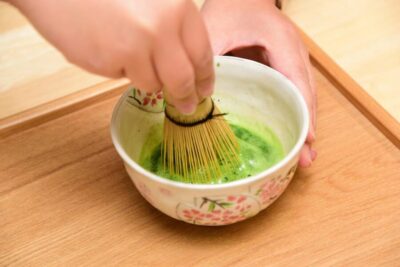
- Making your own matcha: the real payoff
- Sweets, matcha, and how to actually taste them
- Seating comfort: the small detail that matters
- Price and value: is $39.63 worth it?
- Location in Kyoto: Nakagyo Ward, near transit
- Who this Kyoto tea ceremony fits best
- Should you book this tea ceremony?
- FAQ
- How long is the Kyoto tea ceremony?
- What’s included in the experience?
- Where does the experience take place?
- How big is the group?
- Is this experience beginner-friendly?
- Is English available?
- When will I get confirmation after booking?
- Is there free cancellation?
- FAQ
- Can I cancel and get a full refund?
- What if I need a seat because of knee or mobility issues?
- Does the experience include a kimono?
Key points before you go
- 130-year-old townhouse tea room: a setting that makes the ritual feel real, not staged.
- Sneak-in vibe from the garden: the entry helps you slow down before anything starts.
- Hands-on matcha for beginners: you’ll learn how to make it yourself, not just watch.
- Historic sweets + matcha pairing: you’ll taste dried sweets designed for actual tea ceremony moments.
- Short, focused timing: plan your day so you’re not sprinting for the start time.
- Comfort option: a stool may be available if sitting in the traditional style is hard on your knees.
A Kyoto tea ceremony in a 130-year-old townhouse
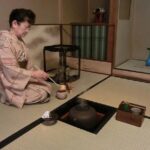
Kyoto has lots of tea experiences. What makes this one feel different is the building itself: a 130-year-old Kyoto townhouse. You enter from the garden into an authentic tea room, and that small shift in setting does the heavy lifting. Your eyes adjust. Your breathing slows. The ritual starts to make sense as a way of life, not just a performance.
This matters for your first tea ceremony. If you only do one in Japan, you want one that teaches how it works: the order of actions, the mood, and how to drink properly. Here, the goal is practical understanding. You’ll learn how to appreciate matcha and what to do when you’re holding the bowl and drinking.
It’s also a good match for repeat visitors. Even if you’ve done a tea lesson before, the focus on making matcha and tips for enjoying it at home can give you fresh takeaways.
You can also read our reviews of more tours and experiences in Kyoto.
The flow: from garden entry to your first sweet
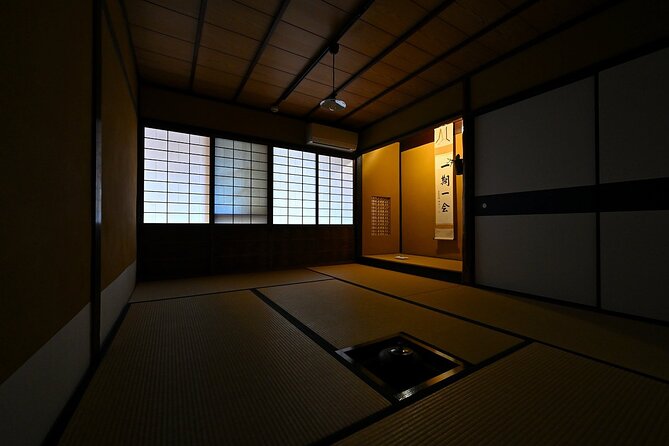
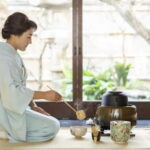
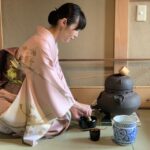
The experience begins with a small moment of arrival. You basically slip into the tea room from the garden, which helps you leave the street-level pace behind. That calm start sets you up for what comes next: an instructor-led demonstration.
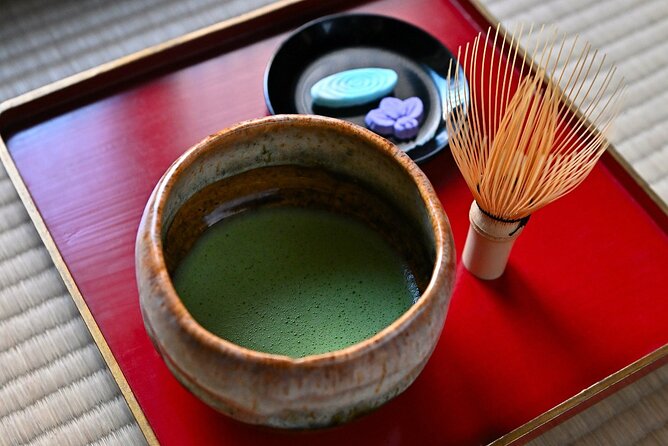
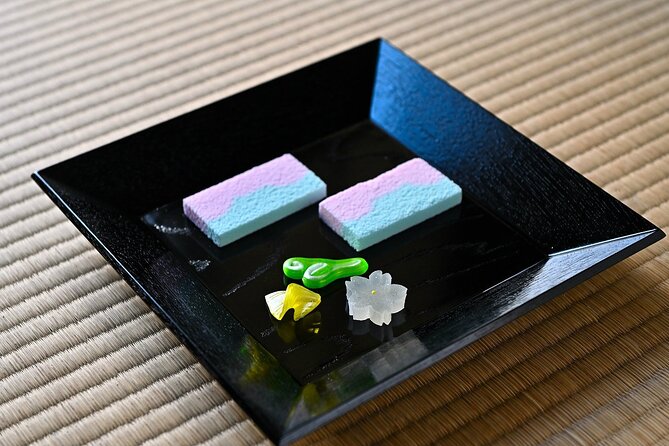
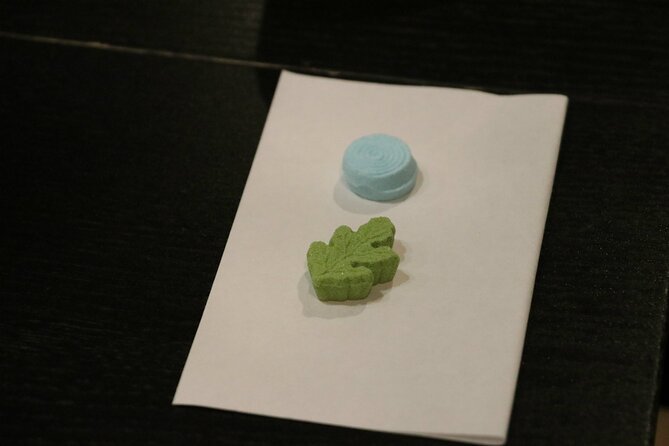
Before you make your matcha, you’ll watch the tea-making demonstration and taste dried sweets. These aren’t random snacks thrown in. They’re tied to the ceremony tradition, and the sweets are linked to a long-established Kyoto confectionery: Shioyoshi-ken (塩芳軒). One of the nice things about that pairing is that it gives you a texture contrast before you focus on the green bitterness and umami of matcha.
Timing stays tight. With a duration of about 45 minutes, you won’t get lost in details that won’t matter later. Instead, you’ll follow the ceremony steps in order, so the lesson clicks in your head the way it should.
Your host: calm guidance with clear English
A big part of a good tea ceremony is the person leading it. Here, the host is described as welcoming and calming, and English communication is a strong point. In the responses from the host, you’ll see the name Kaori, and her tone shows up repeatedly in the way she explains the process.
Why this matters: matcha can feel intimidating if you’ve only ever bought it in a latte. Clear instruction reduces that fear. You’re not left guessing about whisking, pouring, or how to hold the bowl. You get the “do this, then this” guidance that lets you actually participate.
You’ll also get space for questions. If something about the steps feels confusing, the approach is patient and supportive—especially for first-timers who may not know what the tools do or why the ritual matters.
Making your own matcha: the real payoff
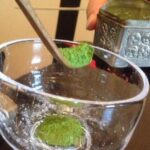
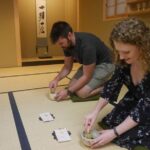
This tour is worth your time because you don’t just observe. After the demonstration, you make your own matcha green tea. The experience is structured for beginners, with detailed instructions that explain what to do and why it matters.
In plain terms, you’re learning three things at once:
- how matcha fits into the ceremony mindset
- how to appreciate and drink it correctly
- how to reproduce the basics later at home
You also get helpful context that makes the ritual feel purposeful. The ceremony isn’t only about taste—it’s about attention. That idea shows up in the pace and in the careful way each step is handled. The instructor’s guidance helps you pick up the rhythm, so you can do the steps without turning it into a stress test.
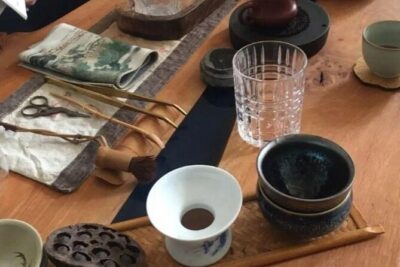
And yes, you’ll leave knowing what to try next at home. One of the practical promises here is advice for enjoying matcha without tea utensils, which is huge. Most people don’t travel with a whisk set, and not every traveler wants to order tools right away.
Sweets, matcha, and how to actually taste them
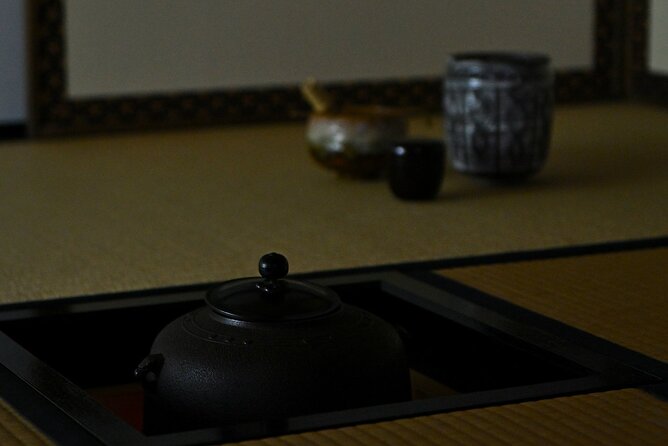
Matcha isn’t just a drink. The ceremony teaches you a tasting habit. You’re encouraged to slow down enough to notice taste and aroma. That becomes especially useful after you’ve visited Kyoto’s tea stores and cafés where matcha often gets blended into bigger flavors.
The sweets help too. Since you’ll have a small portion of traditional dried sweets first, your palate has a reference point. You’re also less likely to treat the matcha like a sugary beverage. Instead, you can taste the green tea character and let it be what it is.
If you’re picky about sweetness, keep expectations realistic. The sweets are small by design, not meant to replace dessert. That can be a plus if you want a ceremony snack, but a letdown if you expect a big sugar fix.
Seating comfort: the small detail that matters
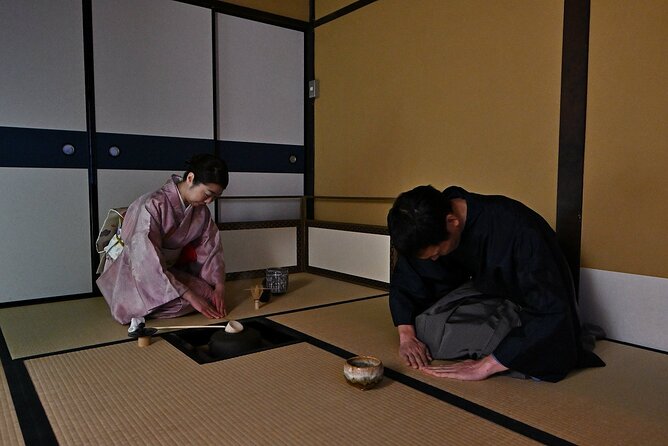
Tea rooms are often built around traditional seating. That can be hard for knees and hips, especially in an older townhouse. Here, there’s a practical note: a stool may be available if you have trouble sitting in the traditional style.
So if you have bad knees, plan for it. Don’t suffer through silence hoping it will get better. Ask for comfort options at the start, the same way you would ask for a seat on a long bus ride. You’ll get more out of the lesson if you’re comfortable enough to focus.
This is also a reason the small group size helps. When the group is tiny, the host can respond more easily to individual needs without turning it into a logistical shuffle.
Price and value: is $39.63 worth it?
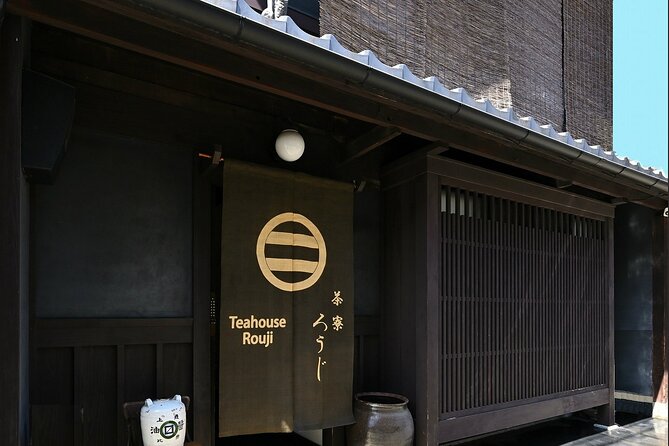
Let’s talk value. At about $39.63 per person for roughly 45 minutes, you’re paying for a specific type of experience:
- a real tea room inside a 130-year-old townhouse
- a guided demonstration of the ceremony
- hands-on matcha making
- tasting historic Kyoto sweets and matcha from a historic shop
- beginner-friendly instructions, including practical tips for later
If you compare this to a big food tour, it’s not the same category. You’re not leaving with a pile of meals. This is about learning and doing something cultural in a small, controlled setting.
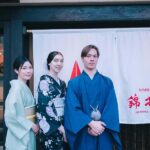
Where people can feel disappointed is when they expect additional add-ons, like kimono included or a longer ceremony with extra stages. In the provided information, kimono isn’t listed as an included element, so if that’s your expectation, confirm it before you book.
If your goal is an authentic intro to Kyoto tea culture, and you want a clear takeaway you can use back home, the price can feel fair. Especially if you’re the kind of traveler who likes shorter, high-impact cultural classes over long sit-down shows.
Location in Kyoto: Nakagyo Ward, near transit
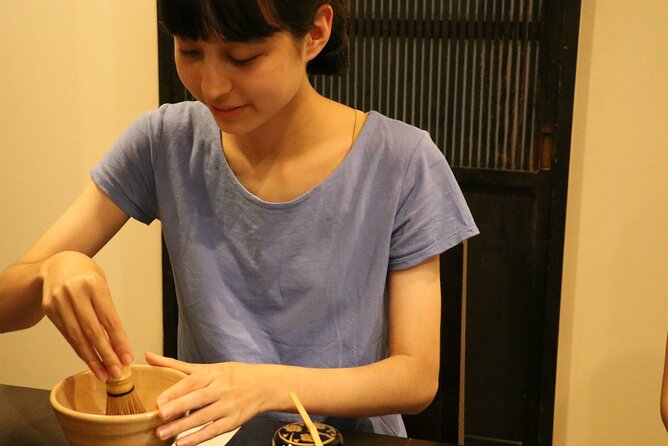
The meeting point is in Nakagyo Ward at 22-26 Nishinokyō Ikenouchichō, Kyoto (604-8375, Japan). The experience notes that it’s near public transportation, which is what you want in Kyoto. You don’t need a car, and you don’t want to spend your energy on the last mile when your head should be in calm mode for the ceremony.
Because the address is a specific townhouse location, use the address copy in your maps app and double-check your route the same day. Kyoto neighborhoods can look similar, and tea rooms aren’t always obvious from the street.
Also remember the timing. The ceremony is about 45 minutes, so arriving late can be more than just inconvenient—it can interrupt the flow of what you’re learning.
Who this Kyoto tea ceremony fits best
This is a strong match if you:
- want a beginner-friendly tea lesson without feeling lost
- like quiet, structured cultural experiences more than big group activities
- want a real setting in a traditional townhouse, not a modern demo room
- care about practical follow-through, like how to enjoy matcha at home without owning tools
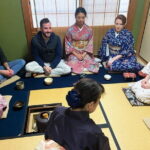
It’s also a good choice for families and small groups because the group size is capped at 10 travelers, and the vibe tends to feel intimate. If you’re traveling with someone who’s not sure about ceremonies, the hands-on matcha component makes it more approachable.
If you’re chasing spectacle, costume, or a long multi-course ceremony, you might want a different format. Here, the focus is on clarity, participation, and leaving with knowledge you can use.
Should you book this tea ceremony?
Book it if you want a straightforward, authentic Kyoto tea ceremony in a real 130-year-old townhouse, with real learning and a hands-on matcha moment. The combination of historic sweets, matcha tasting, and beginner instructions is exactly the kind of cultural experience that pays off when you’re back home making tea for yourself.
Skip—or at least confirm expectations—if you’re hoping for kimono included or a longer ceremony with more stages. Also, if you have mobility issues, plan to ask about seating options right away so you can actually enjoy the lesson.
For most people doing Kyoto for the first time, this hits a sweet spot: short enough to fit into a day, meaningful enough to remember.
FAQ
How long is the Kyoto tea ceremony?
The tea ceremony is about 45 minutes (approx.).
What’s included in the experience?
You can expect a demonstration in an authentic tea room, tasting dried sweets and matcha, and instructions for making matcha yourself. You’ll also learn about tea ceremony history and culture and tips for enjoying tea at home.
Where does the experience take place?
The meeting point is at 22-26 Nishinokyō Ikenouchichō, Nakagyo Ward, Kyoto, 604-8375, Japan. The activity ends back at the meeting point.
How big is the group?
This activity has a maximum of 10 travelers.
Is this experience beginner-friendly?
Yes. The experience description states that you’ll receive detailed instructions on how to make matcha even for beginners.
Is English available?
English is indicated through the experience materials, and the provided feedback includes notes that the instruction and explanations were in strong English.
When will I get confirmation after booking?
Confirmation is received within 48 hours of booking, subject to availability.
Is there free cancellation?
Yes. Free cancellation is offered if you cancel at least 24 hours before the experience’s start time.
FAQ
Can I cancel and get a full refund?
Yes. You can cancel up to 24 hours in advance for a full refund.
What if I need a seat because of knee or mobility issues?
The information provided notes that a stool may be available if needed, which can help if traditional sitting is difficult.
Does the experience include a kimono?
Kimono isn’t listed as an included feature in the provided tour information. If kimono is important to you, you may want to confirm details before booking.