REVIEW · SHANGHAI
Shanghai: Song Dynasty Tea-making Class
Book on GetYourGuide →Operated by EtoJourney · Bookable on GetYourGuide
Song Dynasty tea whisking is oddly calming, and you’ll learn it hands-on. I like that this class mixes real practice with a clear explanation of the Song Dynasty tea tradition, so it doesn’t feel like a lecture. Another thing I like: you’re guided through the process by an expert tea master, not just handed a prop and sent away to figure it out. One consideration: you’re meeting at a set spot in Putuo and there’s no hotel pickup, so plan your transit before you book.
You’ll start with a historical introduction to how tea fit into Chinese life, then move to tools and technique. The main event is making powdered tea the Song way—whisking until you get that foamy texture and aroma you’re after. If you like culture that you can actually do with your hands, this is a good fit.
The small group feel helps, and the format is built for different language speakers—Chinese, English, Japanese, and Korean. You’ll meet the guide at the mall entrance (look for a white hat with a red Eto logo), make your tea, and finish right back where you started.
In This Review
- Key highlights you’ll feel right away
- Powdered Tea Whisking in Shanghai: What This Class Really Is
- Meet in Putuo: Finding the Guide and Staying Sane on Transit
- The Song Dynasty Tea Story: How the Class Frames What You’re Doing
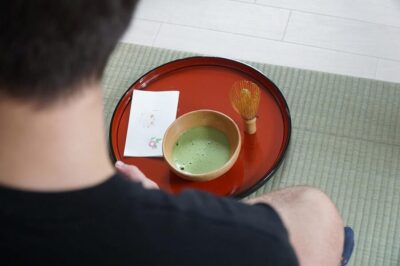
- Tools of the Trade: Tea Bowl, Whisk, Powder Scoop, and Tray
- Hands-On Whisking: What You’ll Practice Step by Step
- Why It Feels Meditative (and How to Not Rush It)
- Included Extras That Make It Worth the Time
- Is $80 Worth It? A Practical Value Check
- Who This Tea Class Fits Best in Your Shanghai Plans
- A Few Tips So You Get the Most Out of It
- Should You Book This Song Dynasty Tea-Making Class?
- FAQ
- What is the meeting point for the Shanghai tea-making class?
- Is there hotel pickup or drop-off included?
- What languages are available during the class?
- How much does the experience cost?
- What’s included in the class materials and experience?
- Is tipping included, and are there any added payment rules?
Key highlights you’ll feel right away
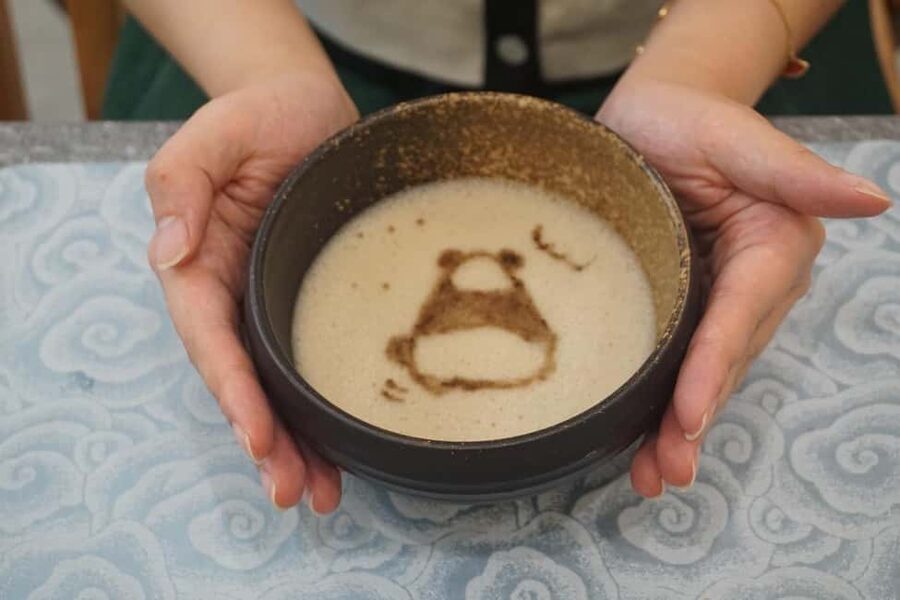
- Song Dynasty powdered tea method: learn the whisking technique that creates the froth and aroma
- Expert tea master guidance: get corrections while you’re doing it, not after
- Traditional tools included: tea bowl, whisk, scoop, tray, kettle, tea cloth
- You taste what you make: freshly whisked tea instead of just watching
- Cultural context built in: why this ritual mattered in daily life and high society
- Add-on hands-on fun: symbol painting and a small take-home gift (based on class experiences)
Powdered Tea Whisking in Shanghai: What This Class Really Is
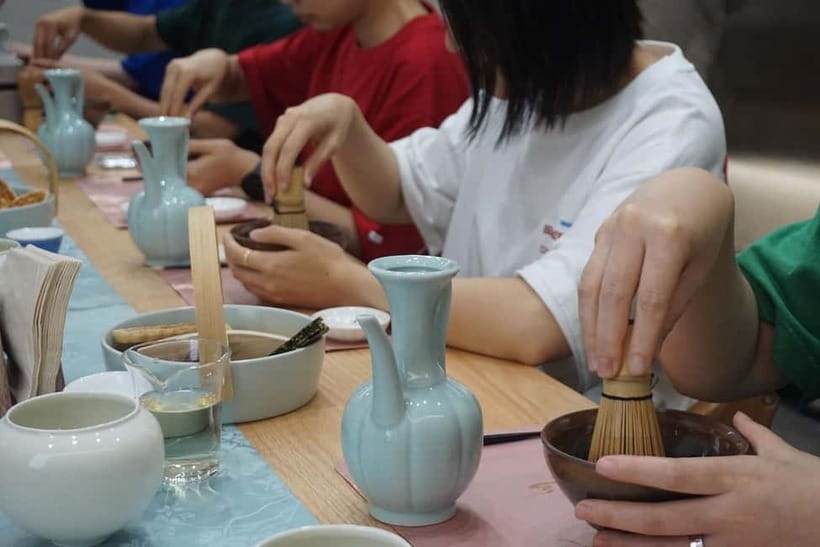
This isn’t a fast “see and sip” show. It’s a practical tea-making session focused on the powdered style associated with the Song Dynasty (960–1279 AD). The idea is simple: you learn the tools, you learn the motion, and then you experience the difference a correct whisk makes in taste and aroma.
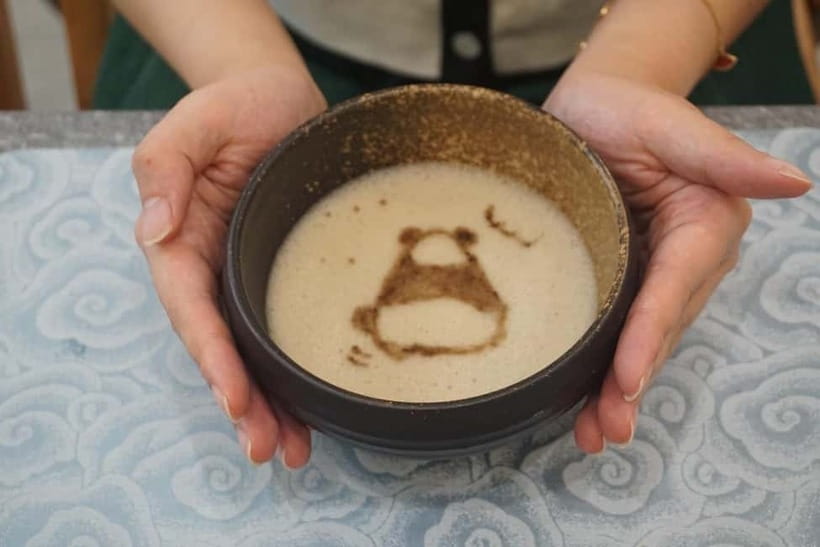
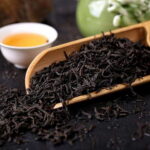
Powdered tea has a character of its own. You’re not steeping leaves and waiting for flavors to seep in. You’re whisking powder with hot water, which means texture matters, and timing matters. When you get it right, the drink turns frothy and fragrant in a way that feels more ceremonial than casual.
You also get context: the class includes a cultural introduction to tea’s role in Chinese culture, with special emphasis on the Song Dynasty period—when tea wasn’t just common, but also tied to refinement and social life. That background helps you understand why the ritual style persists, even now.
You can also read our reviews of more tours and experiences in Shanghai.
Meet in Putuo: Finding the Guide and Staying Sane on Transit
The meeting point is set and easy to miss if you don’t read it carefully. You’ll meet at the Main Entrance of the Mall, 168 Aomen Rd, Putuo, Shanghai, 200071. Look for your guide wearing a white hat with a red Eto logo.
The tour ends back at the meeting point. That matters because it keeps your afternoon predictable—you don’t have to wonder how you’ll get back. Still, since pickup/drop-off isn’t included, you’ll want to plan your own route to Putuo District in advance. If you’re staying far away, give yourself buffer time. Chinese malls can be big, and finding one entrance quickly is harder when you’re rushing.
Language support is also part of the “logistics”—this is offered in Chinese, English, Japanese, and Korean. If you’re traveling with friends and different language comfort levels, this kind of setup usually keeps the group moving without long gaps.
The Song Dynasty Tea Story: How the Class Frames What You’re Doing
Before you touch any tools, you get a historical and cultural introduction. The class centers tea’s significance in Chinese life, specifically spotlighting the Song Dynasty era. That time period matters because tea wasn’t just a beverage. It was part of daily rhythm and also an activity that showed taste and sophistication in higher circles.
You’ll get a sense for what that tradition looked like: careful preparation, a focus on the senses, and a slower pace. It’s not just “where tea comes from,” but why people treated it like a ritual. That’s helpful because when you whisk the tea yourself, you’ll understand the point isn’t only flavor—it’s the method.
In a world where most tea is grab-and-go, this kind of framing is refreshing. You stop treating the drink like a product and start treating it like an experience.
Tools of the Trade: Tea Bowl, Whisk, Powder Scoop, and Tray
One reason this class feels authentic is the tool set. You’re not learning with random kitchen substitutes. The experience includes:
- Tea bowl
- Tea whisk
- Powdered tea
- Tea scoop
- Tea tray
- Hot water kettle
- Tea cloth
- Experience photos
That list tells you what the session prioritizes: technique and presentation. The tea whisk and bowl are especially important because powdered tea depends on how the whisk interacts with the water and powder. If the whisk motion is off, you’ll notice it right away in texture and aroma.
The tray and tea cloth are also practical. Tea rituals tend to be tidy because the process is hands-on and paced. Having the right equipment makes the learning curve less frustrating. You won’t spend your time worrying about spills or where to put things.
Hands-On Whisking: What You’ll Practice Step by Step
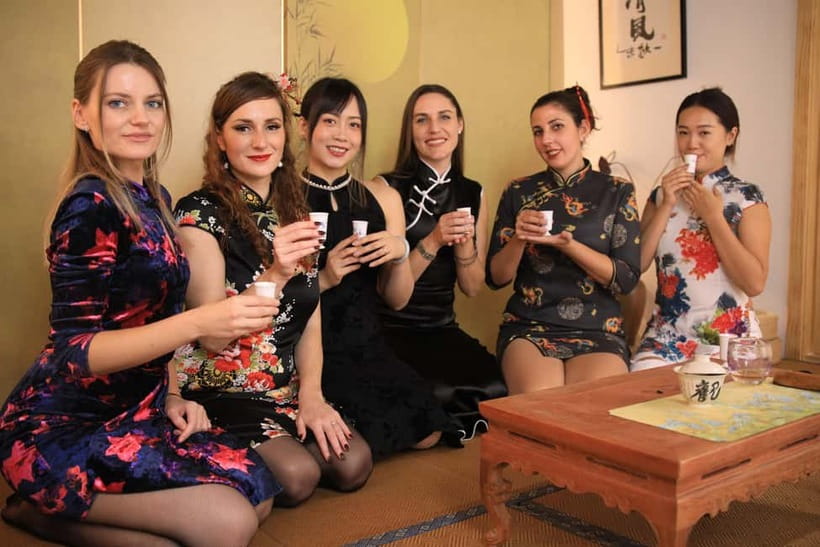
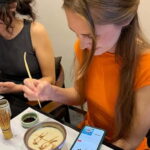
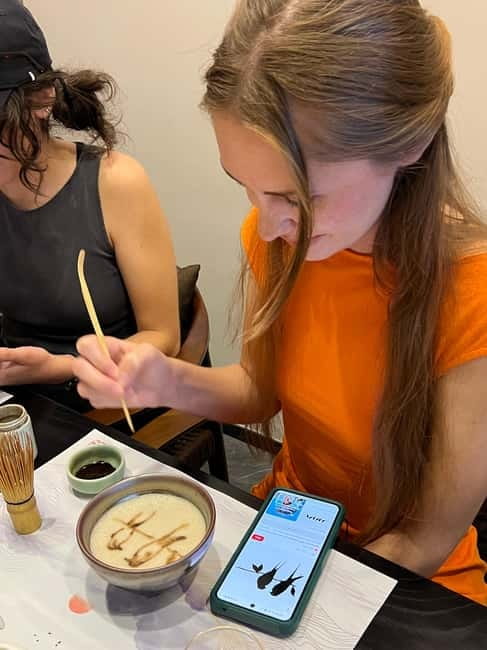
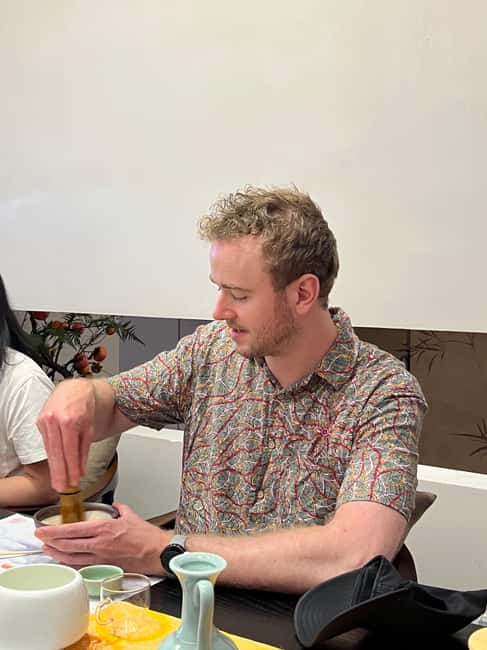
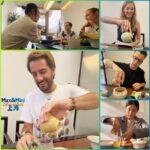
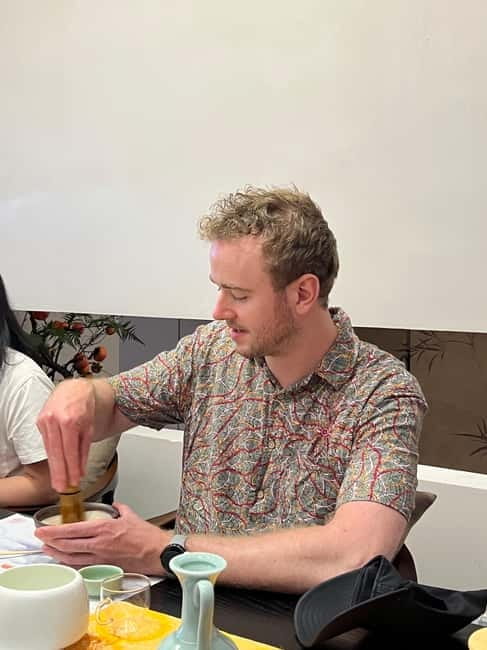
This is where the class becomes memorable. You’ll be shown how to use the traditional tools, then you’ll try the whisking yourself under guidance from the tea master. The goal is froth and fragrance—those are the two sensory targets that tell you whether the method is landing.
Here’s what that typically means for you:
- You learn the feel of whisking the powdered tea with hot water
- You watch how the mixture changes as you whisk
- You get corrections while you’re doing it (so you improve during the class)
You’ll also taste the tea you made. That’s key. Tea classes can turn into performance—someone else makes it, you sip, and you go. Here, the tasting is the result of your own technique. It’s also a great way to connect what you see and do with what you smell and taste.
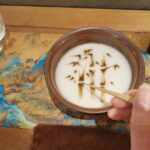
One more nice detail from class experiences: there’s time for extra hands-on artistic fun, including symbol painting. If you like taking something home that’s personal (not just photos), this adds a “make it yours” moment. Some classes also include a small gift at the end—again, based on class experiences.

Why It Feels Meditative (and How to Not Rush It)
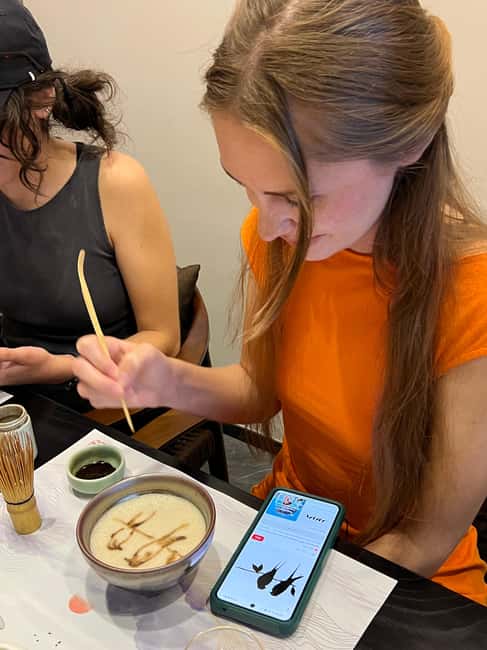
Song-style whisking is physical, but it doesn’t need to be tense. The class is structured so you slow down. You’re concentrating on motion, texture, and aroma—three things that naturally reduce “travel brain.”
That meditative feel isn’t magic. It happens because:
- You repeat a controlled motion
- You wait for texture to develop
- You smell the tea and notice changes
If you tend to over-plan on trips, this kind of activity can be a relief. It’s also a good reset after a day of busy streets and photo stops.
Still, keep one thing in mind: tea whisking has a learning curve. Even if you’re coordinated, you may not nail the “perfect froth” on the first attempt. That’s normal. The value is that you get coached while you try, so you leave with real understanding—not just a drink.
Included Extras That Make It Worth the Time
This class lists the included items clearly, and you can use that to judge value. In addition to the actual tea-making, you get:
- Expert tea master guidance
- Tea tools (bowl, whisk, scoop, tray, kettle, cloth)
- Powdered tea
- Experience photos
- You learn the cultural significance of tea during the Song Dynasty
Not included items are also worth noting: there’s no pickup or drop-off from your hotel, and tipping isn’t included. If you’re budgeting, plan for your own transport and leave room for a tip if you feel the service deserves it.
The photo element is more useful than it sounds. In practice, people remember the taste and the technique, but photos help you document what you did—especially if you want to show friends back home that you actually made the tea.
Is $80 Worth It? A Practical Value Check
At $80 per person, you’re paying for more than tea. You’re paying for:
- A guided experience led by a tea master
- Traditional tools and powdered tea
- Time spent learning a specific historical method
- Photos and hands-on extras like symbol painting and a small gift (based on class experiences)
If you compare this to typical Shanghai activities, you might wonder whether it’s “just” a ceremony. It’s not, because powdered tea whisking requires skill, and you’re learning it with coaching. That makes the cost easier to justify, especially if you’re the type who likes workshops and wants something you can do again later at home.
Price alone won’t tell you everything. Here’s the quick value test I use:
- If you’d happily spend time learning a craft, this is a fair deal.
- If you only want a quick cultural stop with minimal effort, look for something shorter or free-form.
For the right traveler, $80 buys a calm, guided, hands-on cultural skill with real payoff in the cup.
Who This Tea Class Fits Best in Your Shanghai Plans
This experience is ideal for:
- Tea lovers who want more than tasting
- People who enjoy history but prefer it through action
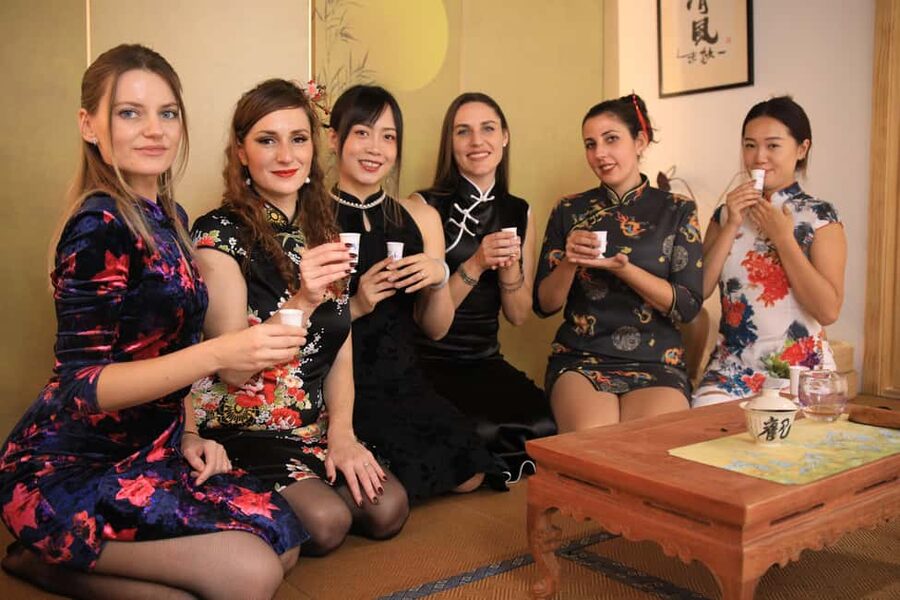
- Families and teams looking for cooperative, educational fun
- Travelers who like something chill and photo-worthy without being a full-day event
It’s also good if you want a break from the busiest parts of the city. The pace is slower. The setting is focused. Your hands and senses stay busy, which keeps the experience from turning into “sit and listen.”
If you’re traveling solo, it can still work well—tea whisking is a skill you can practice without needing a group dynamic. If you’re traveling with friends, it’s even better because you’ll compare how everyone’s whisking affects the froth and flavor.
A Few Tips So You Get the Most Out of It
You don’t need special prep, but these small choices help:
- Arrive a few minutes early so you start calmly. Finding the correct entrance is the only real “race” risk.
- Go in curious, not competitive. The goal is learning, not winning a whisking contest.
- Take a moment to smell the tea before you drink. Powdered tea’s aroma is part of the point.
- If you’re with a mixed-language group, use the offered language options to keep instructions clear. That helps a lot during the technique portion.
Should You Book This Song Dynasty Tea-Making Class?
I’d book it if you want a Shanghai experience that feels hands-on, calm, and culturally specific. The biggest selling points are the expert tea master coaching, the fact that you learn the Song Dynasty powdered tea whisking method, and the included tools that make the learning real.
Skip it if you mainly want a passive attraction and you’re short on time. This is a learning session, and it works best when you’re willing to slow down and practice a skill.
If that sounds like you, go for it.
FAQ
What is the meeting point for the Shanghai tea-making class?
You meet at the Main Entrance of the Mall, 168 Aomen Rd, Putuo, Shanghai, 200071, Putuo District, Shanghai. Look for the guide wearing a white hat with a red Eto logo. The activity ends back at this same meeting point.
Is there hotel pickup or drop-off included?
No. Hotel pickup and drop-off service is not included.
What languages are available during the class?
The experience is offered in Chinese, English, Japanese, and Korean.
How much does the experience cost?
The price is listed as $80 per person.
What’s included in the class materials and experience?
Included items are experience photos, an expert tea master, a tea bowl, a tea whisk, powdered tea, a tea scoop, a tea tray, a hot water kettle, and a tea cloth.
Is tipping included, and are there any added payment rules?
Tipping is not included. The experience also offers reserve & pay later, which means you can book your spot and pay nothing today.