REVIEW · SHANGHAI
Shanghai Mahjong Experience in Local Tea Bar
Book on Viator →Operated by Hippo Tour Shanghai · Bookable on Viator
Mahjong in a tea bar beats a classroom. This Shanghai Mahjong experience trades lecture time for real play, in a local spot tucked inside the Former French Concession. The best part for me is the professional English translation, so beginners can follow both the rules and the why behind them.
I also like that you jump onto electronic Mahjong tables pretty quickly, instead of only practicing with tiles on a mat. One consideration: coffee/tea (and alcohol) aren’t included, so plan to drink before or bring a non-alcohol option if you’re the type who needs a warm cup to focus.
If you want something social, low-pressure, and very Shanghai—this hits the sweet spot: learning that turns into a relaxed afternoon with people who actually play. And afterward, you’re well placed to wander toward Tianzifang nearby for a change of pace.
In This Review
- Key highlights worth your attention
- A Local Tea Bar Way Into Shanghai Mahjong
- What the 3-Hour Session Really Covers (And Why It Works)
- Electronic Mahjong Tables: The Shortcut From Confusion to Participation
- The English Translator: How Support Changes the Lesson
- Learning Shanghai Mahjong With Real People (Not a Script)
- Where You Start in Shanghai (So You Don’t Lose Time)
- After the Class: Former French Concession + Tianzifang Stroll
- Price and Value: Is $95 Worth It?
- Who This Mahjong Class Suits Best
- Practical Tips So Your Afternoon Goes Smoothly
- Should You Book This Shanghai Mahjong Experience?
- FAQ
- How long is the Shanghai Mahjong experience?
- Where does the experience meet?
- What’s the price per person?
- Is English translation included?
- Do I need prior Mahjong experience?
- Do we use electronic Mahjong tables?
- What’s included in the class?
- Are drinks included?
- Is this a private activity?
- What is the cancellation policy?
Key highlights worth your attention
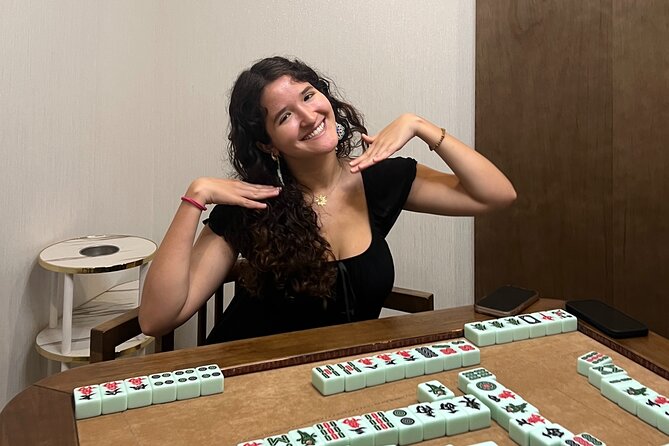
- English support built in so Mahjong rules don’t turn into a guessing game
- Electronic/automatic table practice that speeds you from beginner to participant
- A local tea bar setting in the Former French Concession area, not a tourist-style venue
- Hands-on instruction with worksheets/handouts, helpful if you learn by seeing the steps
- Group-friendly pace designed for complete beginners and mixed skill levels
- Cultural context that explains what Mahjong means in daily Chinese leisure
A Local Tea Bar Way Into Shanghai Mahjong
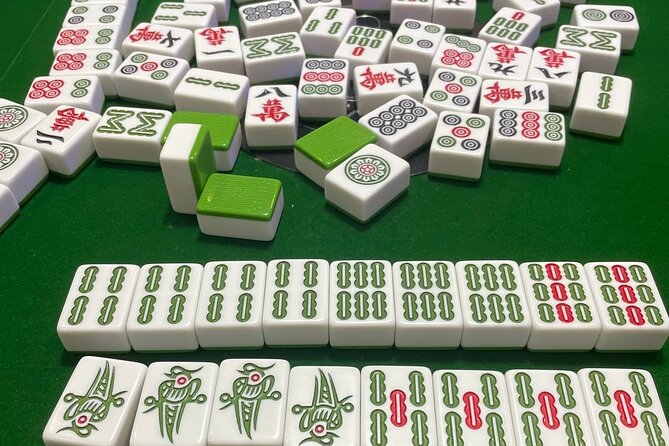
Shanghai has a way of turning everyday life into a real experience—if you step off the main streets and into the places locals actually relax. This class does that on purpose. It takes place in a Chinese tea bar in a real neighborhood in the Former French Concession area, which changes the feel immediately. Instead of walking into a room of strangers waiting for a performance, you’re joining a small, friendly atmosphere where tea-bar conversation and Mahjong go together.
That setting matters more than you might think. Mahjong isn’t just a game of tiles; it’s also a social rhythm. When you learn it in a casual tea bar environment, the rules feel less like homework and more like something you can see people doing around you. You’re still learning the structure, but the vibe supports staying relaxed while you pick it up.
Also, you’re not left alone with the game. Instruction is led with a professional instructor, and an English translator is provided so key ideas land clearly. In my experience, this is often the difference between a fun activity and a frustrating one—especially for Mahjong, where a few terms can confuse you fast if language support is weak.
You can also read our reviews of more tours and experiences in Shanghai.



What the 3-Hour Session Really Covers (And Why It Works)
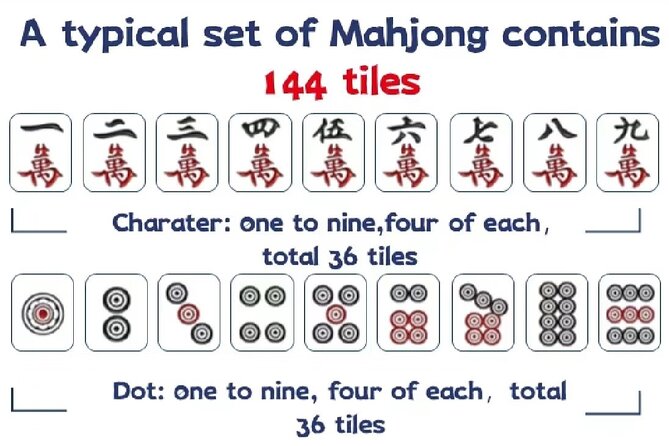
The timing is a big clue: at roughly 3 hours, you get enough time to learn the basics and play, without turning it into a half-day commitment. You’re not expected to become competitive. You’re expected to become comfortable.
Here’s what you can expect during the session flow:
- Start with Mahjong basics
You’ll get guided through the rules, how turns work, and how sets are formed. This is ideal if you’ve never played before.
- Use clear instruction materials
Multiple people in the experience have shared that handouts or instruction sheets are provided, which helps you follow along even when things move quickly.
- Play hands-on with support
The class doesn’t stop at explanation. You sit down to play using electronic/automatic Mahjong tables.
- Learn the cultural meaning, not just the mechanics
You’ll hear about Mahjong’s history and how it became a popular leisure activity, and why it remains socially important.
Why this structure works for you: Mahjong can look intimidating because there are many rules and patterns. But a guided sequence—rules first, then practice right away—helps your brain connect the dots while the game is fresh. The cultural talk also gives the activity a sense of purpose. It’s not only tile math; it’s a window into how people socialize through a familiar pastime.
Electronic Mahjong Tables: The Shortcut From Confusion to Participation
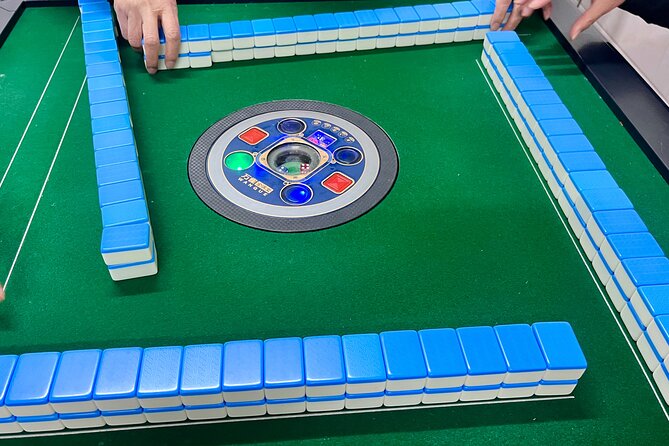
Most people approach Mahjong thinking they’ll need to learn everything before they can really play. These electronic Mahjong tables change that. They’re commonly used for casual and competitive play, and using them during your class means you’re not stuck figuring out the table mechanics on top of the game rules.
For you, that means:
- You spend more time learning the game and less time wrestling with the setup.
- The pace stays lively because you can start practicing sooner.
- You still get the real feel of Mahjong without needing a full self-guided experience.
One of the most practical advantages is that the class stays beginner-friendly. Even if you’re slow with terminology at first, you’re interacting with the game while the instructor and English translator help connect each step.
The English Translator: How Support Changes the Lesson
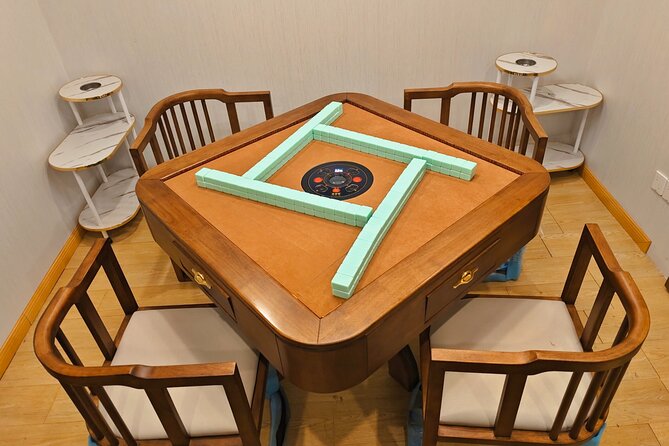
Mahjong rules have a way of turning into a wall of unfamiliar words. Here, English translation is built into the experience, which makes the class significantly more accessible for non-Chinese speakers.
From what you should take away, the translator isn’t just repeating instructions. The goal is understanding: the game rules, strategies, and the cultural context behind Mahjong’s place in everyday Chinese leisure. That’s why beginners tend to feel more confident. You’re not guessing your way through the turns—you’re understanding what you’re doing and why.
If you’re the type who learns best by asking questions, this setup also gives you a better shot at clearing confusion on the spot. If you’re quiet, you still benefit because the translated explanations keep you from getting lost.
Learning Shanghai Mahjong With Real People (Not a Script)
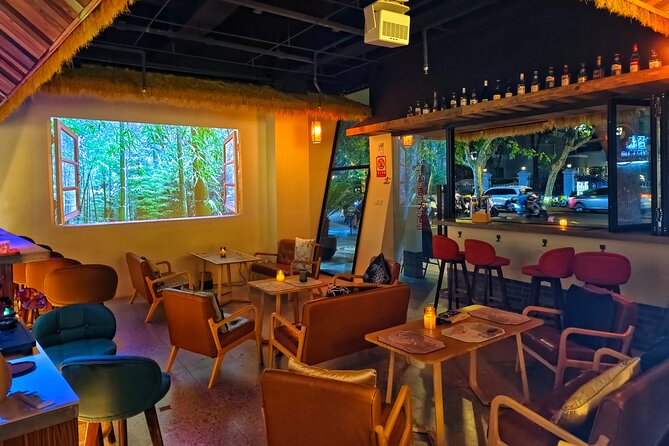
This is a private format tied to your group only, which usually means the experience is less rigid than a large class. You’re not waiting for everyone to catch up. That flexibility tends to help beginners, and it also makes the atmosphere friendlier if you’re curious about how Mahjong fits into local life.
The tea-bar environment contributes too. You’re learning in a place that feels like it belongs to the neighborhood—not like it was created for tourists. That’s part of what makes the experience feel authentic: you’re watching and participating in a leisure activity inside a real everyday setting.
One practical plus: the class includes instruction from a professional Mahjong instructor, and there’s a clear effort to keep it hands-on. Even if you don’t have prior knowledge, you should leave understanding the basics well enough to recognize what’s happening when you see people play.




Where You Start in Shanghai (So You Don’t Lose Time)
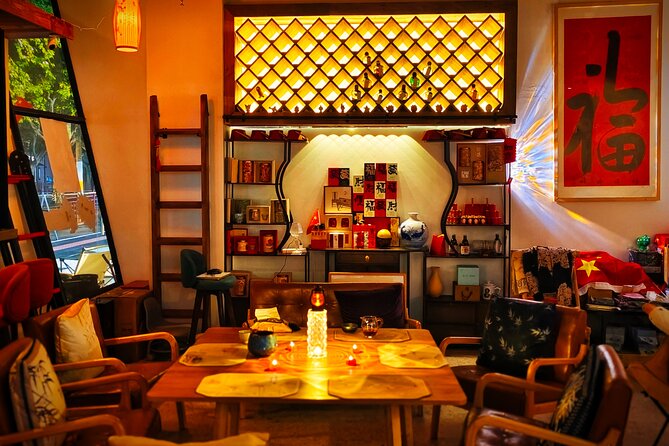
You meet at 327 Shan Xi Nan Lu, Huang Pu Qu, Shanghai, 200031. It’s near public transportation, which matters because you don’t want your “3-hour experience” chewed up by transit stress.
I’d treat this as your first job:
- Get your directions sorted before you head out.
- Build in a few minutes buffer so you can settle in at the tea bar.
This is especially important if you’re in Shanghai for a busy schedule. A smooth arrival lets you focus on the lesson instead of worrying about being late.
After the Class: Former French Concession + Tianzifang Stroll
One of the best perks is location. The experience sits in the Former French Concession area, and that means your time doesn’t end when Mahjong does. You can tack on a walk afterward—Tianzifang is nearby—where the vibe shifts from tea-bar calm to arts-and-streets energy.
What you’ll likely enjoy about that pairing:
- You finish a game that’s social and rule-based.
- Then you move into a neighborhood that rewards wandering, browsing, and snack stops.
- You get the feeling of being in Shanghai after dark starts to roll in (depending on the time of your class).
Keep it flexible. If you’re tired from learning a new game, you can take it slow. If you’re energized, it’s an easy area to extend your afternoon.
Price and Value: Is $95 Worth It?
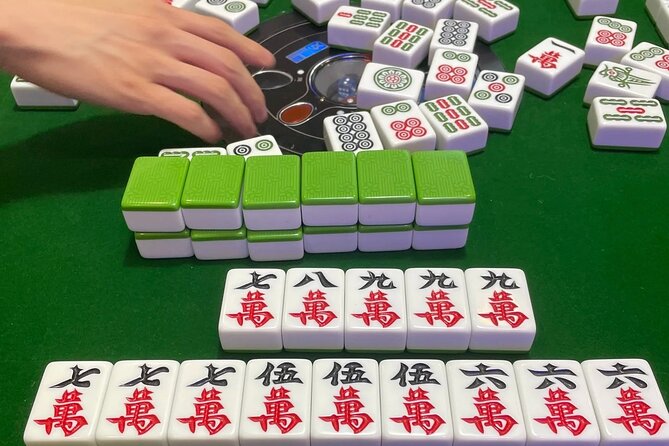
At $95 per person for about 3 hours, you’re paying for more than tiles and a seat at a table. The value here is in the combination:
- Professional Mahjong instruction
- English translation
- Use of an electronic Mahjong table
- Hands-on practice plus cultural context
If you tried to recreate this on your own—finding a reliable instructor, getting translation, and locating a setup where electronic tables are used—it would take time, and you might still end up with a half-structured experience. Here, those pieces are bundled into a single block, so your afternoon has a clear shape.
The one cost-related caution: drinks (including coffee/tea) and alcohol aren’t included. If you like to pair activities with a beverage, that’s the main “surprise” expense to plan for.
Also, the experience offers group discounts and uses a mobile ticket, which can make booking simpler if you’re coming with friends.
Who This Mahjong Class Suits Best
This tour style fits best if you:
- Want a hands-on Shanghai Mahjong introduction (not a lecture)
- Are a complete beginner and need English support
- Like social, local-feeling activities
- Prefer learning in a neighborhood setting over a formal classroom
It’s also a good pick if you’re traveling for conferences or busy days and want a real Shanghai activity that doesn’t require a full day plan.
If you already know Mahjong very well, you might still enjoy it for the table format and cultural context—but you may want to see if the class pace matches your skill level. Based on how it’s designed, it sounds especially friendly to newcomers.
Practical Tips So Your Afternoon Goes Smoothly
A few small things can make a big difference with Mahjong learning:
- Arrive a few minutes early so you’re settled before instruction starts.
- Wear comfortable clothing and shoes. You’ll be sitting and leaning in, and the session is active.
- Come with a curious mindset, not a performance mindset. The goal is understanding and playing, not winning.
- If you rely on warm drinks, plan ahead since coffee/tea aren’t included.
And here’s a simple strategy: follow the instruction sheet/handout closely at first, then play. Once you start playing, your understanding will speed up because you’re learning by doing.
Should You Book This Shanghai Mahjong Experience?
I’d book this if you want a genuine afternoon in Shanghai where learning happens naturally, not through a staged tourist script. The pairing of a local tea bar setting, hands-on electronic table play, and English translation makes it one of the more practical ways to try Mahjong without getting stuck.
Skip it only if you’re mainly looking for a long cultural walking tour, or if you’re uncomfortable learning games with lots of rules (even with translation, Mahjong takes a little attention). If you want a social, easy entry into Mahjong in a real neighborhood, this is a strong choice.
FAQ
How long is the Shanghai Mahjong experience?
It’s about 3 hours.
Where does the experience meet?
The meeting point is 327 Shan Xi Nan Lu, Huang Pu Qu, Shanghai, 200031.
What’s the price per person?
The price is $95.00 per person.
Is English translation included?
Yes. You’ll have a professional English guide/translator during the class.
Do I need prior Mahjong experience?
No. The experience is designed for beginners, and you’ll learn the basics from the instructor.
Do we use electronic Mahjong tables?
Yes. The experience includes use of an electronic Mahjong table.
What’s included in the class?
Included items are the electronic Mahjong table, the workshop instruction, and the professional English guide/translator.
Are drinks included?
No. Alcoholic beverages and other drinks aren’t included, and coffee/tea are also not included.
Is this a private activity?
Yes. Only your group will participate.
What is the cancellation policy?
You can cancel for a full refund if you cancel up to 24 hours in advance of the experience start time. If you cancel less than 24 hours before, the amount paid won’t be refunded.