REVIEW · SHANGHAI
Shanghai 3-Hour Afternoon Tea Tasting and Dessert Tour
Book on GetYourGuide →Operated by Shanghai Foodie · Bookable on GetYourGuide
Shanghai dessert walks hit different. This one mixes mooncakes, a real tea ceremony, and icy Cantonese sweets in 3 hours.
I like that it feels local and seasonal, not stuck in a museum loop. Mid-Autumn mooncake shops and a teahouse stop make the flavors connect to the time of year.
Two things I’d highlight: the guided comparison of Hangzhou green and Fujian black tea, and the final stretch of creamy, cold desserts like milk pudding with purple sticky rice and almond tofu. One possible drawback: this is a tasting-heavy route, so if you’re hunting big sightseeing landmarks, you may feel a bit sweet-food focused.
In This Review
- Key highlights to know before you go
- Why Huaihai Road is the right setting for mooncakes and tea
- The 2:00 PM start and the meet-up spot that keeps things easy
- Mooncake tasting at two local pastry shops (and what they mean)
- Tea ceremony in a Shanghai teahouse: green from Hangzhou, black from Fujian
- Cantonese dessert restaurant: cold, creamy, and fruit-forward
- How English-speaking guides keep it fun and personal
- Skip-the-line style entry and why it matters on food tours
- Price and value: is $77 really fair for 3 hours?
- Who this tour suits best (and who should skip it)
- Getting the most out of your 3 hours
- Should you book this Shanghai Afternoon Tea Tasting and Dessert Tour?
- FAQ
- What is the meeting time for the tour?
- Where do I meet the guide?
- What languages is the tour guide available in?
- What’s included in the price?
- Are hotel pick-up and drop-off included?
- What kinds of food and drinks do we taste?
- Is there skip-the-line access?
- What’s the cancellation policy?
Key highlights to know before you go
- Mid-Autumn mooncakes from two local pastry shops, including the family-reunion meaning behind the gift
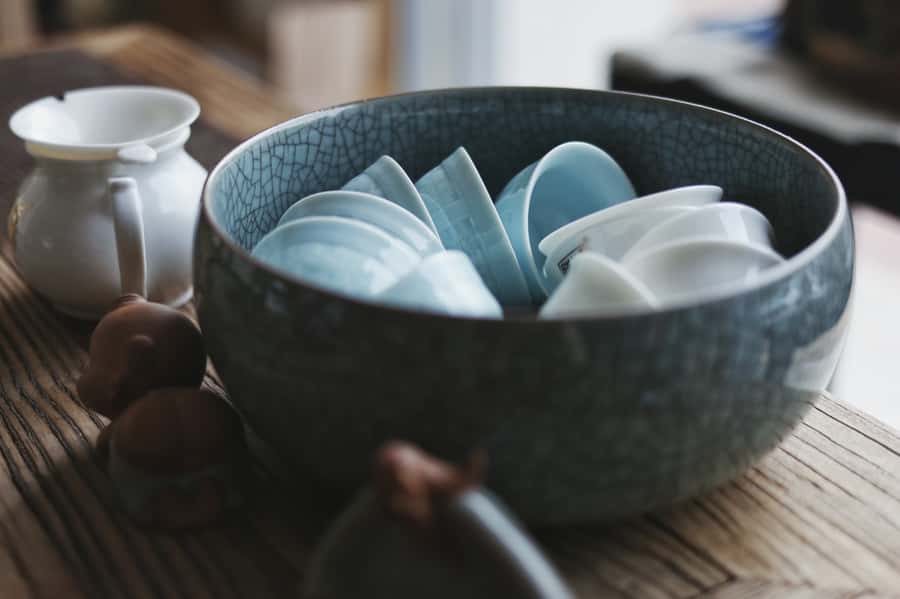
- A traditional Chinese tea ceremony with green tea from Hangzhou and black tea from Fujian
- Icy Cantonese desserts such as milk pudding with purple sticky rice and fruit or sago-style toppings
- A guide-led walking route along Huaihai Road, with explanations that connect the food to everyday Shanghai culture
- English, Chinese, and Korean support from a live guide, with attention to what you like (I’ve seen guides like Jade and Jim praised for this)
Why Huaihai Road is the right setting for mooncakes and tea
I like tours that feel like you’re spending an afternoon with someone who actually knows the neighborhood. Here, the vibe comes from walking a busy commercial strip and then slipping into smaller food spaces where people actually eat, not just pose for photos.
This route works because it follows a simple logic: start with Mid-Autumn mooncakes, move into tea for a calm reset, then finish with cold desserts when your appetite is warmed up by walking. In other words, you get variety without feeling like you’re sprinting from one stop to the next.
It also helps that Shanghai’s dessert culture is deeply practical. People don’t treat tea and sweets as an afterthought. They treat them like a full mini-experience: how the tea is served, how the flavors balance, and how cold desserts cool you down after an afternoon outdoors.
You can also read our reviews of more tours and experiences in Shanghai.
The 2:00 PM start and the meet-up spot that keeps things easy
You meet at 2:00 PM and start walking right away. That timing is smart: late enough to dodge the early-day crowds, but early enough to enjoy daylight before evening.
Your meeting point is Metro Line 1: South Huangpi Road Station, Exit 2. If you arrive a few minutes early, you’ll have time to orient yourself and get your group together without rushing. Also note: hotel pick-up and drop-off aren’t included, so plan to use the metro and meet your guide on the street.
The tour duration is about 3 hours, which makes it a good fit if you want something focused but not exhausting. It’s also helpful if you’re pairing this with other Shanghai plans—your afternoon won’t disappear into a long full-day outing.
Mooncake tasting at two local pastry shops (and what they mean)
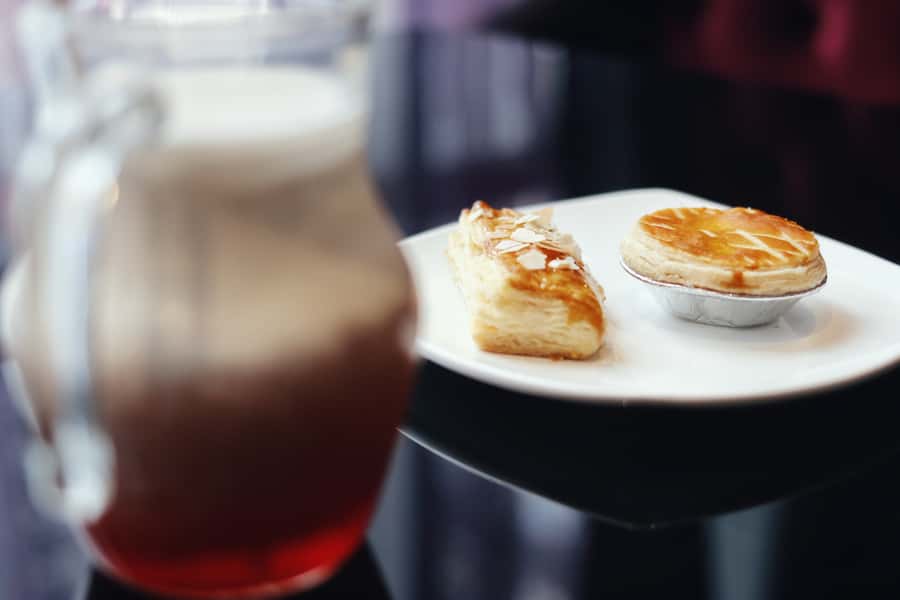
The tour starts with mooncake sampling at two local pastry shops. Mooncakes are often treated like a holiday snack, but the Mid-Autumn idea is bigger: these are festival gift pastries meant for sharing, symbolizing family reunion.
That meaning matters because it changes how you taste them. You’re not just eating a sweet. You’re tasting a cultural object that shows up at the center of a specific season, then gets packaged as a gift. It also means shop choices tend to reflect local tastes and traditional fillings.
What I like about having two shops is the comparison. You can feel differences in sweetness levels, pastry texture, and filling style. And because mooncakes are popular, you’ll likely notice how shops compete: packaging, presentation, and the variety of flavors they’ll offer around the festival season.
A small consideration: if you already know you don’t enjoy mooncakes (for instance, heavy fillings or strong salted elements), you might want to mentally budget for at least a couple of bites. This stop is a core part of the experience, not an optional add-on.
Tea ceremony in a Shanghai teahouse: green from Hangzhou, black from Fujian
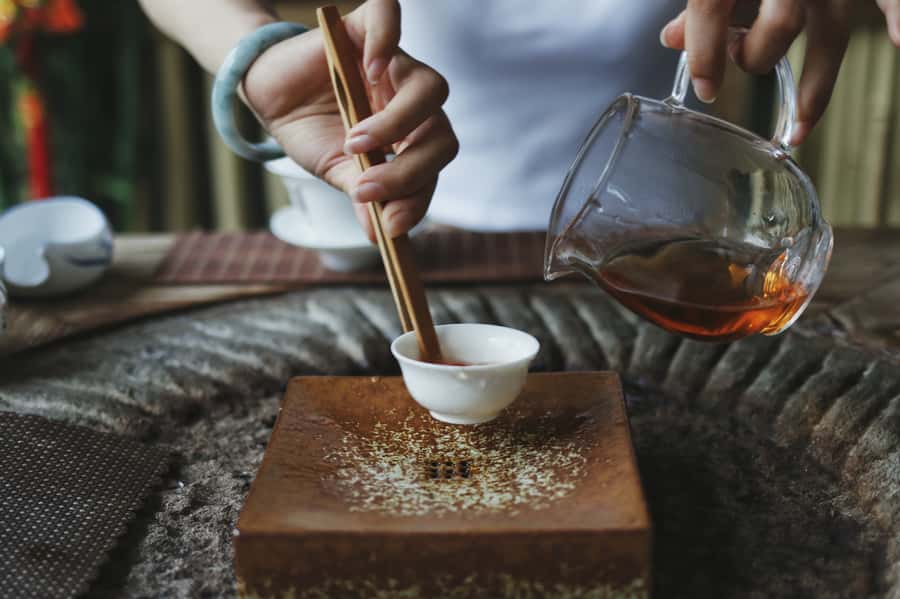
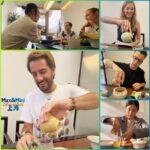
After the mooncake tastings, you’ll slow down at a teahouse and enjoy a traditional Chinese tea ceremony. This is where the tour changes pace. The goal isn’t speed; it’s learning how tea is made, served, and appreciated.
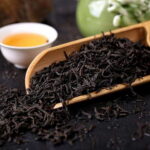
Here’s the standout part: you’ll taste green tea from Hangzhou and black tea from Fujian. Those origins aren’t random. They point you toward two different tea styles and flavor directions—one usually lighter and grassier (green), the other often deeper and more rounded (black).
The ceremony itself is valuable even if you’re not a tea expert. It gives you a script for what to notice: aroma first, then how the taste changes with each step. It’s the kind of guided moment that makes you feel less like you’re buying a drink and more like you’re participating in a local ritual.
One practical note: tea ceremonies can run a little differently depending on the teahouse, but the tour’s promise is consistent—you’ll get a proper tea tasting tied to the two regions. So you’ll finish this section with something you can compare later, rather than just remembering a single flavor.
Cantonese dessert restaurant: cold, creamy, and fruit-forward
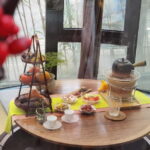
Once you’ve had tea, the tour moves into a Cantonese dessert restaurant for a range of sweet flavors—especially icy desserts. This is the “cooling off” phase, and it’s a smart ending, because you’ve already been walking and tasting warmish festival pastries.
A few of the dessert types you can expect include:
- Milk pudding with purple sticky rice
- Sweet fruit-based options like papaya and mango puree
- Sago style add-ins
- Almond tofu, which is smooth and softly sweet rather than chewy
What I like here is that the lineup isn’t only one-note. Purple sticky rice pudding brings a starchy, comforting base. Fruit options add brightness and chew from chunks or pearls. Sago-style toppings bring texture and a playful spoonful feel.
If you’re someone who gets bored with heavy, super-sugary desserts, the fruit and tea break help. You’re tasting with a bit of contrast: the tea prepares your palate, then the desserts give you a different kind of satisfaction—cold and creamy, with toppings that feel designed for Shanghai’s afternoon heat and humidity.
A possible consideration: this section is dessert-first. If you’re on the fence about sweets, you may find the variety a lot even in 3 hours. In that case, go with a lighter approach—slow down, take small bites, and focus on texture and contrast rather than chasing maximum sweetness.

How English-speaking guides keep it fun and personal
You’ll have a live guide who can speak English, Chinese, or Korean. That matters more than it sounds. Dessert and tea culture comes with tiny details—why a shop does things a certain way, why tea is served in a certain order, what makes one texture feel right.
From past experiences with guides on this exact theme, I’ve seen a strong pattern: guides like Jade and Jim are praised for being friendly and for checking what you actually enjoy. That’s useful because everyone’s comfort level with mooncakes, tea strength, and “icy dessert” textures varies.
If you want the experience to match your taste, come with a simple plan in mind:
- If you like tea, tell them you want to focus on the differences between the two regions.
- If you’re not sure about mooncakes, ask for guidance before you commit to any filling type.
- If you’re more fruit than pastry, prioritize the mango or papaya-style desserts first.
This kind of tuning is where a food tour stops feeling like a fixed script and turns into a real neighborhood introduction.
Skip-the-line style entry and why it matters on food tours
This tour includes skip-the-line access through a separate entrance. In practice, that can save you the kind of small frustration that ruins an otherwise good afternoon—queue time, waiting in a crowded doorway, or feeling stuck while everyone else gets served.
Even if you’re not normally sensitive to lines, food stops can get busy around festival season. Having a separate entrance keeps the flow of the tasting smooth, and it protects your total 3-hour schedule.
Also, you’re not just walking into one place. You’re doing multiple food stops plus the tea ceremony. So anything that prevents time-loss at each stage adds up.
Price and value: is $77 really fair for 3 hours?
At $77 per person for 3 hours, this isn’t the cheapest snack tour in Shanghai—but it also isn’t “pay for a view” pricing. You’re paying for three things that cost time and coordination: guided walking, structured tastings, and a real tea ceremony rather than a quick cup at the counter.
Here’s what makes the value feel solid for the right person:
- Multiple stops (two mooncake shops, a teahouse ceremony, then a dessert restaurant)
- A guided tea tasting with region-specific teas (Hangzhou green + Fujian black)
- A dessert variety that isn’t just one item, but multiple textures and flavors
When it might not feel like a bargain:
- If you already dislike mooncakes or strong tea flavors, you may not consume enough to justify the price.
- If you want major sights or long photo stops, the short 3-hour focus on food may feel limiting.
The tour is best seen as a guided cultural eating route. If that’s your idea of a fun afternoon, the price lands in the “worth it” zone.
Who this tour suits best (and who should skip it)
This is a strong match if you want:
- An easy food-and-culture afternoon without a big commitment
- A chance to taste mooncakes in a seasonal context, not just from a tourist counter
- Guided tea tasting, especially if you like learning how tea changes in your mouth
- Cold desserts that feel like part of everyday Shanghai dessert culture
It may not be your best fit if:
- You want landmark sightseeing more than tasting
- You’re not interested in mooncakes at all
- You prefer savory meals over desserts and sweets
One more practical fit check: if you’re traveling with someone who’s picky, the ability of the guide to respond to preferences helps. You can steer toward fruit-forward desserts and keep your bites light where needed.
Getting the most out of your 3 hours
You’ll enjoy this tour more if you treat it like a tasting menu, not a race. A few tips that make a difference:
- Pace yourself after the mooncakes so tea and dessert don’t feel overwhelming.
- Use the tea tasting moment to notice aroma and aftertaste. It makes the ceremony feel more meaningful.
- If you have dessert preferences (fruit-heavy vs creamy vs chewy), tell your guide early. You’ll get better matches.
Also, wear comfortable shoes. Even though it’s only 3 hours, you’re walking between multiple spots along the neighborhood.
Should you book this Shanghai Afternoon Tea Tasting and Dessert Tour?
Book it if you want a genuinely local-style food afternoon: mooncakes for the season, tea for the ritual, and icy Cantonese desserts to finish cleanly. The mix of hangzhou green and fujian black tea plus a structured dessert lineup makes the $77 price feel more like an organized experience than a simple snack stop.
Skip it if your idea of Shanghai is mostly big-picture sights, or if mooncakes and sweet desserts don’t sound appealing. In that case, you’ll likely feel like the tour is too centered on flavors.
If you’re in the middle—curious about tea culture and excited about dessert variety—this is the kind of 3-hour plan that gives you stories you’ll remember long after the last bite.
FAQ
What is the meeting time for the tour?
The tour meets at 2:00 PM and lasts about 3 hours.
Where do I meet the guide?
Meet at Metro Line 1: South Huangpi Road Station, Exit 2.
What languages is the tour guide available in?
The live tour guide is available in English, Chinese, and Korean.
What’s included in the price?
The price includes the local guide, the afternoon tea/tea ceremony, and desserts.
Are hotel pick-up and drop-off included?
No. Hotel pick-up and drop-off aren’t included.
What kinds of food and drinks do we taste?
You’ll taste mooncakes at two pastry shops, enjoy a tea ceremony with green tea from Hangzhou and black tea from Fujian, and sample icy Cantonese desserts such as milk pudding with purple sticky rice, papaya, sago or mango puree, and almond tofu.
Is there skip-the-line access?
Yes. The tour includes skip-the-line through a separate entrance.
What’s the cancellation policy?
You can cancel up to 24 hours in advance for a full refund. The activity also offers reserve now & pay later to keep plans flexible.