REVIEW · HA GIANG
Tea Tour and Ha Giang Loop 4D/3N on Motorbikes
Book on Viator →Operated by Hagiang Loop - Tea Tours (Easy Riders - Private - Jeep - Car - Trekking Tours) · Bookable on Viator
Tea first, then the epic Ha Giang loop.
This 4-day ride mixes a tea tour in Ha Giang with the classic mountain circuit through the Dong Van Karst Plateau Geopark, where passes, rice terraces, and limestone views keep coming back like a greatest-hits album.
I like how the days are built around real local life, not just photo stops. You’ll see tea harvest work up close, then ride past ethnic minority villages where daily routines are part of the trip. The second big win is the guiding, including Hieu, who answers questions and takes safety seriously.
One thing to plan for: the days are long (around 12 hours on Days 1–3), and you’ll need a moderate physical fitness level plus comfort on motorbike roads.
In This Review
- Key highlights you should know before you go
- Why this Tea Tour + Ha Giang Loop combo makes sense
- Price and value: what $249 gets you for 4 days
- Day 1: Tay Con Linh tea harvesting, processing steps, and a local homestay
- Day 2: Du Gia village time, trails, streams, and a waterfall stop
- Day 3: Dong Van Karst Plateau Geopark and Ma Pi Leng Pass views
- Day 4: Return via National Highway 4C—Tham Ma Pass, Yen Minh, and Quan Ba
- Guides, safety, and why Hieu’s name keeps showing up
- What long days feel like (and how to pack smart)
- How the tour handles tickets, timing, and weather reality
- Who this Ha Giang tea-and-loop tour fits best
- Should you book this tour?
- FAQ
- How much does the Tea Tour and Ha Giang Loop cost?
- How long is the tour?
- Where does the tour take place?
- Is pickup included?
- Is it a private tour?
- What days and main stops are included?
- Are admission tickets included?
- What physical level do I need?
- What about timing and confirmation?
- What if the weather is bad?
Key highlights you should know before you go
- Tay Con Linh tea areas: watch locals harvest tea leaves and follow the tea processing steps
- Private, only-your-group setup: English-speaking guidance with pickup and a mobile ticket
- Du Gia’s nature + village rhythm: trails, streams, rice terraces, and a Du Gia Waterfall stop
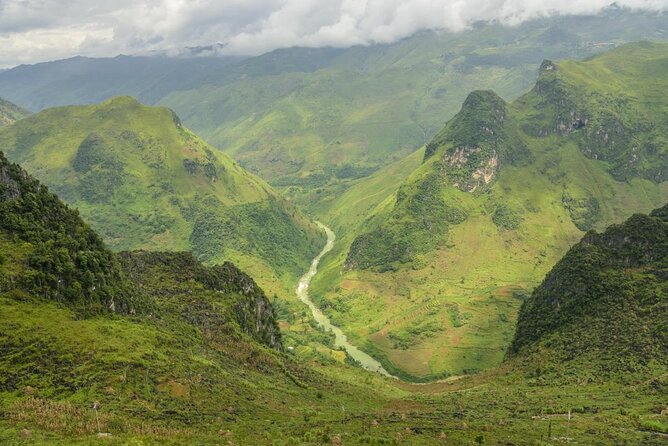
- Dong Van Karst Plateau Geopark: includes Ma Pi Leng Pass and panoramic views over the Nho Que River
- Day 4 return route via NH4C: Tham Ma Pass, Yen Minh, and Quan Ba’s Twin Mountains (Fairy Bosom)
- Guide care that shows: Hieu is specifically praised for handling everything and keeping you safe
Why this Tea Tour + Ha Giang Loop combo makes sense
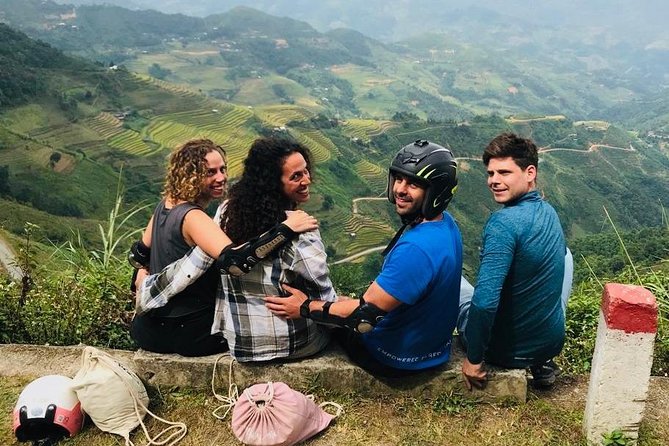
Ha Giang is famous for the road. But this itinerary also gives you a slower, more human start. Day 1 anchors the trip in tea-growing work in the Tay Con Linh mountain range, so when the motorbikes hit the bends later, you understand the hills better.
I also like that the trip stays connected to the people who live there. You’re not just passing through ethnic minority villages as a quick look-see. You get time to learn about lifestyle and culture, which makes the “scenery” feel earned.
If you want the best of both worlds—food-and-farming context in the morning, then big-pass views by afternoon—this is the kind of pairing that works.
Price and value: what $249 gets you for 4 days
At $249 per person for a 4-day / 3-night style loop, the value comes from a few practical inclusions. The tour lists pickup offered and uses a mobile ticket, which reduces the hassle once you arrive.
It also flags admission ticket free for the main stops across the route. That matters because Ha Giang trips can quietly add up with entry fees, guides, and “optional” access costs. Here, the big blocks of the program are already mapped in.
The other value lever is the format: this is a private experience with only your group participating. You’re not squeezed into a large crowd while you’re trying to understand tea processing, or catch a view at a busy pass.
Day 1: Tay Con Linh tea harvesting, processing steps, and a local homestay
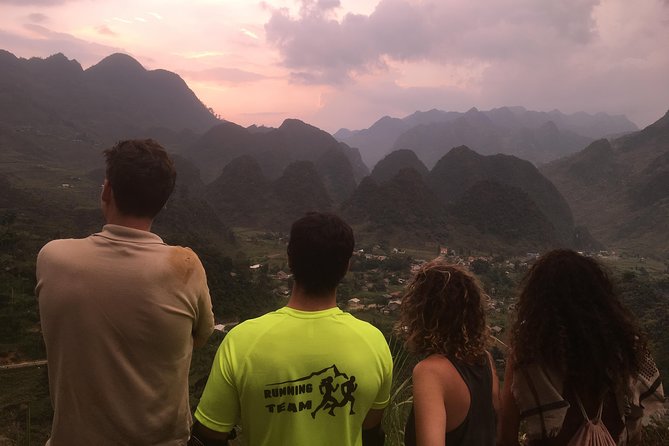
Day 1 starts west of Ha Giang City, heading toward the Tay Con Linh mountain range, an area known for ancient tea zones. You’ll get a chance to observe how locals harvest tea leaves and then learn about tea processing steps. This is the part many Ha Giang loops skip, and it’s why this one feels different right away.
What to expect on this day is a gentle shift from city life into rural routine. You’ll likely get the most meaning out of asking questions as you watch the steps. Tea work is full of small decisions—timing, handling, and processing choices—and those details are often where the culture shows up.
You’ll also stay at a local household. That’s a big deal for understanding Ha Giang beyond the road. In the reviews, guides like Hieu are praised for taking care of details and safety, and that same kind of attention usually helps a homestay day run smoothly (especially if you have questions).
Possible drawback to consider: the day is listed as about 12 hours, so treat it like a full program, not a short activity. You’ll want to be ready for a long day that blends learning with travel.
Day 2: Du Gia village time, trails, streams, and a waterfall stop

On Day 2, the ride brings you to Du Gia, described as a place with untouched beauty and peaceful mountain surroundings. The day centers on a mix of nature and village life: terraced rice fields, crystal-clear streams, chances to explore local culture, and time for trekking on trails.
A highlight here is the Du Gia Waterfall. It’s the kind of stop where your timing matters. If you go in the middle of the day, you’ll usually get the energy of movement and sound. If your schedule shifts, you might get calmer light and fewer people. Either way, plan to slow down and enjoy the soundscape.
This is also the day where the cultural side can feel most tangible. You’ll be in an area where ethnic minority communities are part of the everyday scene, not staged entertainment. If you like asking practical questions—daily work, seasonal changes, what people do when it’s not festival time—this is a good day for it.
What might be challenging: trekking and motorbike travel in one day can be tiring. If you’re not used to long days, pace your breaks. Bring water and treat the trekking portion as time to step away, not a race to “complete” everything.
Day 3: Dong Van Karst Plateau Geopark and Ma Pi Leng Pass views
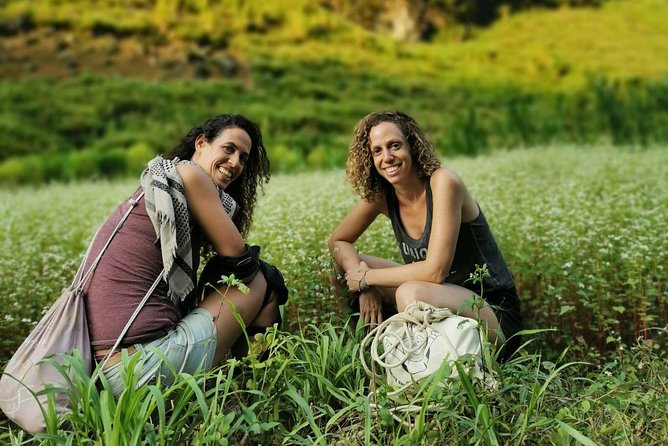
Day 3 is the big-ticket day for many people, and it’s not just because of the fame. You’ll enter the Dong Van Karst Plateau Geopark, a major geoheritage site and a UNESCO Global Geopark. That matters because the geology is the star: limestone mountains, karst plateaus, deep valleys, and winding passes all connect into one dramatic system.
The highlight route includes Ma Pi Leng Pass, sometimes called the King of Vietnamese Passes. The reason it earns that kind of title is the panoramic view over the Nho Que River, which snakes through rugged terrain far below. This is the kind of sight where your brain goes quiet for a second, and you forget how long you’ve been in the car or on the bike.
Along the way, you’ll also pass ethnic minority villages and terraced rice areas. So it’s not just “look at rocks.” It’s the link between people, farming, and the ground they work on.
A practical consideration: this is also a long day (about 12 hours). If you’re the type who needs lots of “reset time,” build that in mentally. Don’t treat every stop as a sprint. Take breaks when you feel them.
In the reviews, Hieu is specifically praised for answering questions and handling everything, including safety. On a pass day, that’s exactly what you want: calm guidance and a plan for the road.
Day 4: Return via National Highway 4C—Tham Ma Pass, Yen Minh, and Quan Ba
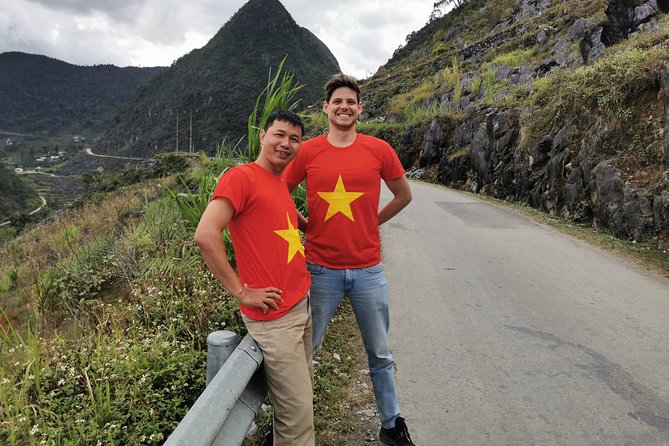
Day 4 is the return leg, and it’s designed to keep the views coming as you head back toward Ha Giang City. Instead of just turning around, the route uses National Highway 4C.
You’ll ride through Tham Ma Pass, known for winding roads and strong viewpoints. That’s followed by Yen Minh, where you can expect pine forests and rolling hills. Then comes Quan Ba, famous for the Twin Mountains, also called the Fairy Bosom.
The return stretch is described with terraced fields, peaceful valleys, and ethnic villages. This makes Day 4 feel like a slow fade from the wildest parts of the loop into more settled countryside.
Day 4 is listed as about 5 hours, which is a relief after the longer days. Still, plan for the day to end later than you might hope, since road travel always takes longer when you’re stopping to look and photograph.
Guides, safety, and why Hieu’s name keeps showing up
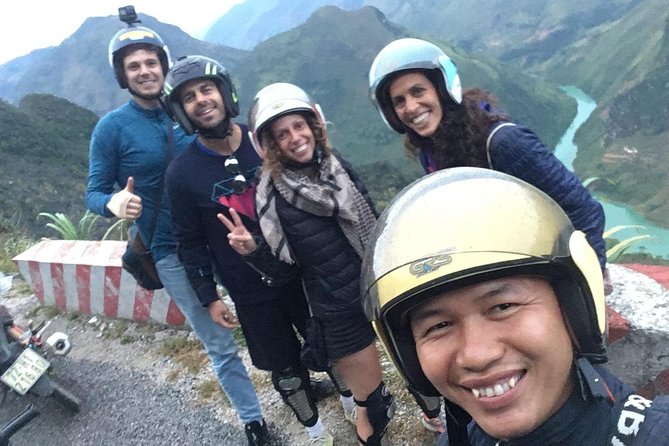
One of the strongest signals in the feedback is the quality of the guide. Hieu is mentioned as knowledgeable, quick to answer questions, and very attentive to safety. That shows up in how people describe the trip: he doesn’t just lead the route; he manages the ride like a real responsibility.
For you, that matters because Ha Giang is not a “relax and scroll” destination. Roads are curvy, schedules can shift based on conditions, and motorbike comfort can change by weather. A guide who keeps you oriented and prioritizes safe handling reduces stress.
If you care about understanding what you’re seeing, this kind of guide partnership also adds value. Tea harvesting, minority village culture, and geopark features each have details you’ll miss if you only look and don’t ask.
What long days feel like (and how to pack smart)
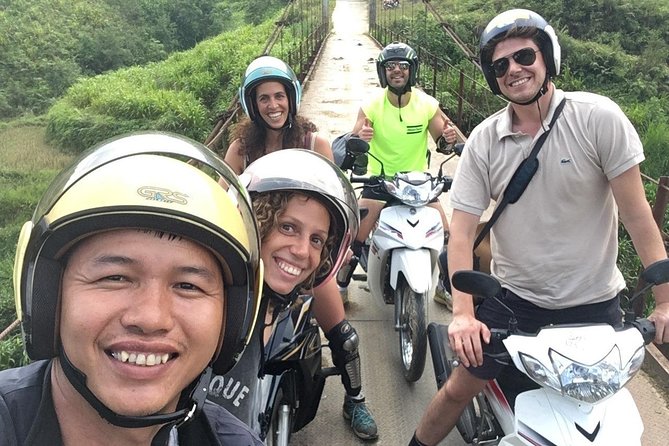
This itinerary is structured around long riding blocks, with Days 1–3 listed at about 12 hours each. That means you need to think about comfort more than usual.
Pack for the basics that matter on a motorbike circuit:
- Sun protection (you’ll be exposed more than you expect)
- A layer for cooler mountain air
- Something for motion discomfort if you need it
- Reusable water and simple snacks for the in-between moments
Also, keep your expectations realistic. You’ll see a lot, but it’s impossible to linger everywhere. Your best move is to pick the moments that matter most to you—tea work on Day 1, Ma Pi Leng Pass on Day 3, and Quan Ba’s Twin Mountains on Day 4—and treat the rest as flow.
If you’re used to quick group tours, this may feel more intense. If you like road trips with real stops, you’ll probably enjoy the pace.
How the tour handles tickets, timing, and weather reality
The tour uses a mobile ticket, and it says confirmation is received at booking time. It also lists the start time as 12:00 am, so do check your confirmation message carefully so you know the real pickup timing.
It also requires good weather. That’s not a small detail in Ha Giang. Roads and views depend on conditions, and poor weather can change the day’s feasibility. The good news is that if the trip is canceled due to weather, you’ll be offered a different date or a full refund.
Because this is a private experience, weather changes can feel more personal than on a big group departure. That’s why flexible planning mindset helps.
Who this Ha Giang tea-and-loop tour fits best
This is best for you if you want more than a fast photo circuit. If you care about rural Vietnam—tea work, village culture, and geology—this route gives you multiple angles.
It’s also a strong fit if you like having an English-speaking guide who can explain things and keep you safe. Reviews consistently mention Hieu’s care, his willingness to answer questions, and his ability to handle the day-to-day.
You should think twice if you want a very relaxed vacation. The days are long, and you need moderate physical fitness plus comfort with motorbike travel.
Should you book this tour?
Book it if you want a Ha Giang loop that starts with tea culture and ends with classic pass-country views. The combination of Tay Con Linh tea learning, Du Gia’s village-and-waterfall day, and the Dong Van Karst Plateau Geopark with Ma Pi Leng Pass gives you variety that’s hard to match on a standard loop.
Skip it (or ask questions first) if you’re not comfortable with long riding days or if you need lots of downtime. Also, since the tour depends on good weather, be ready for a date adjustment if conditions aren’t right.
If you’re curious about Ha Giang beyond the roads, and you want a guide like Hieu who pays attention to safety while answering your questions, this is a smart choice.
FAQ
How much does the Tea Tour and Ha Giang Loop cost?
It’s listed at $249.00 per person.
How long is the tour?
The tour is about 4 days (4D/3N).
Where does the tour take place?
The tour takes place in Ha Giang, Vietnam.
Is pickup included?
Yes, pickup is offered.
Is it a private tour?
Yes. It’s private, meaning only your group participates.
What days and main stops are included?
You’ll include a tea area in Ha Giang on Day 1, Du Gia on Day 2, the Dong Van Karst Plateau Geopark (with Ma Pi Leng Pass) on Day 3, and a return route via National Highway 4C (Tham Ma Pass, Yen Minh, and Quan Ba) on Day 4.
Are admission tickets included?
The itinerary lists admission ticket free for the main stops.
What physical level do I need?
The tour notes a moderate physical fitness level.
What about timing and confirmation?
Confirmation is received at booking time, and the listed start time is 12:00 am (based on the experience info).
What if the weather is bad?
The experience requires good weather. If it’s canceled due to poor weather, you’ll be offered a different date or a full refund.