REVIEW · SHANGHAI
Shanghai: Chinese Tea Ceremony Experience
Book on GetYourGuide →Operated by Shanghai Glopen Travel Agency · Bookable on GetYourGuide
Tea lessons in Shanghai should feel this personal. In this small-group Chinese tea ceremony, you slow down with a tea expert and learn how to taste by aroma, texture, and technique—not just by guessing what’s in the cup.
I especially liked the blind tasting setup, which pushes you to rely on your senses instead of labels. I also enjoyed the hands-on Song Dynasty-style whisking and brewing, where you get to practice the moves that make tea feel like a ritual rather than a drink.
One consideration: it isn’t suitable for wheelchair users, and it’s not a good fit if you have a food allergy.
In This Review
- Key things I’d mark as must-know
- A 3-hour Chinese tea ceremony that actually teaches you to taste
- Welcome and the blind tasting mindset
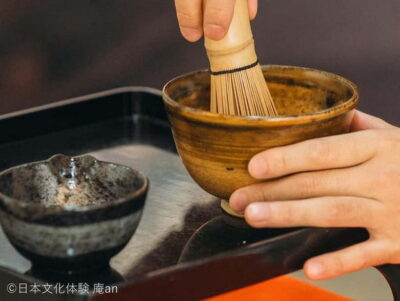
- Song Dynasty whisking and brewing in a hands-on workshop
- Comparing China’s three tea categories sip by sip
- The tasting order and how to get the most out of 3 hours
- Snacks, pacing, and why the small group matters
- Price and value: what $143 covers, and what you should budget for
- Practical tips for what to bring (and what to avoid)
- Who should book this and who might skip it
- Should you book this Shanghai Chinese tea ceremony?
- FAQ
- How long is the Shanghai Chinese tea ceremony experience?
- How big is the group?
- What languages are offered by the instructor?
- What’s included in the ticket price?
- How do I get there, and is transportation included?
- Can I cancel if my plans change?
Key things I’d mark as must-know
- Small group (max 8) keeps the pace calm and the guidance personal
- Blind tasting trains your nose and palate fast
- Song Dynasty whisking and brewing gives you a hands-on technique you can repeat later
- Three major tea categories help you compare flavor and aroma in a structured way
- Snacks included make the 3 hours feel relaxed, not rushed
A 3-hour Chinese tea ceremony that actually teaches you to taste
This is a three-hour program in East China that focuses on the practical side of tea culture: how to notice what’s happening in the cup. You’ll work with an English/Chinese tea expert guide, taste an assortment of Chinese teas, and learn techniques connected to Song Dynasty tea traditions.
The format matters. A class where you simply watch can be fine, but this one makes you participate through tasting and whisking. With a small group limited to 8, the guide can adjust explanations and answer questions instead of flying through everything.
You can also read our reviews of more tours and experiences in Shanghai.

Welcome and the blind tasting mindset
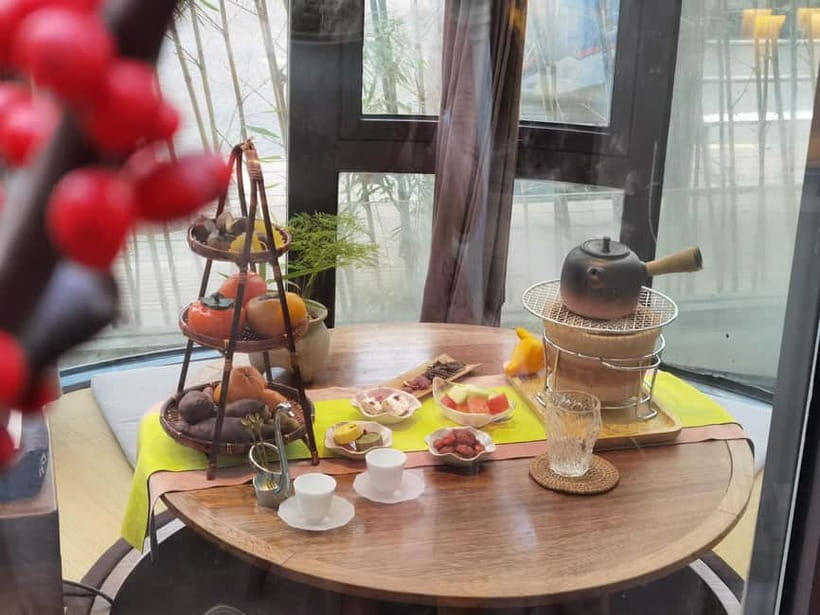
You start with a guided welcome rooted in traditional hospitality, and from the beginning you’re encouraged to use your senses in an organized way. Then comes the part that many people remember most: the blind tasting.
Blind tasting sounds simple, but it changes how you experience tea. Without labels, you can’t rush to identify it. Instead, you focus on what you can reliably detect—aroma first, then flavor, then texture. Even if you’re a beginner, it’s a great way to build real tea-tasting habits in a short time.
One smart tip: go easy on perfumes. The program explicitly recommends avoiding strong scents so your nose can pick up tea aromas more clearly.
Song Dynasty whisking and brewing in a hands-on workshop
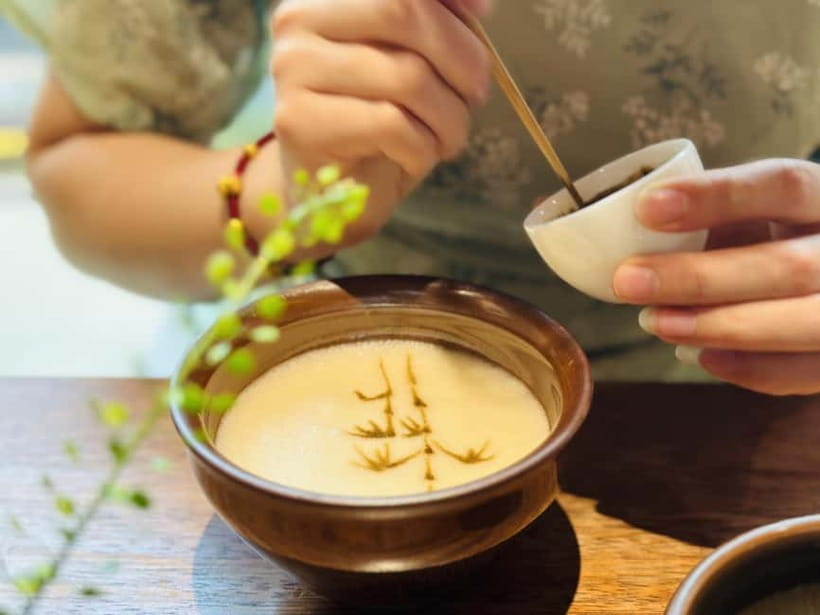
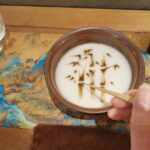
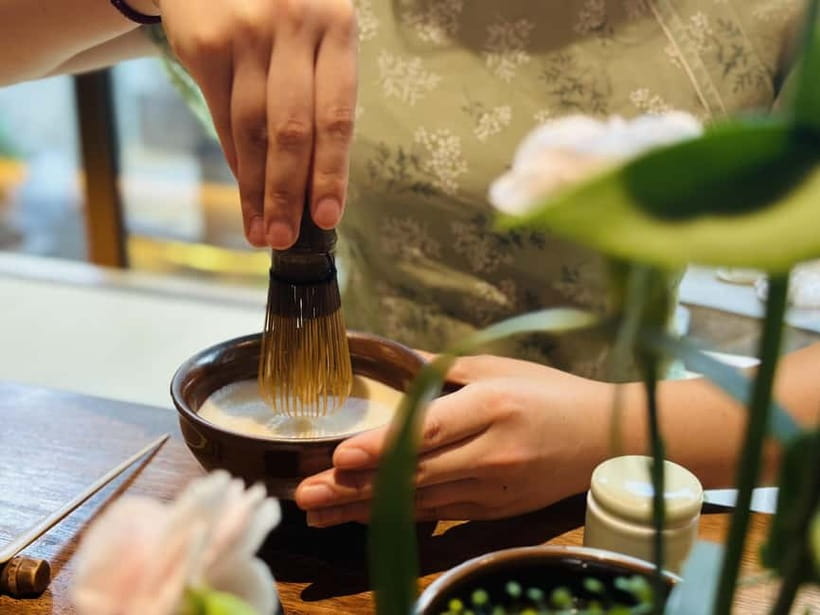
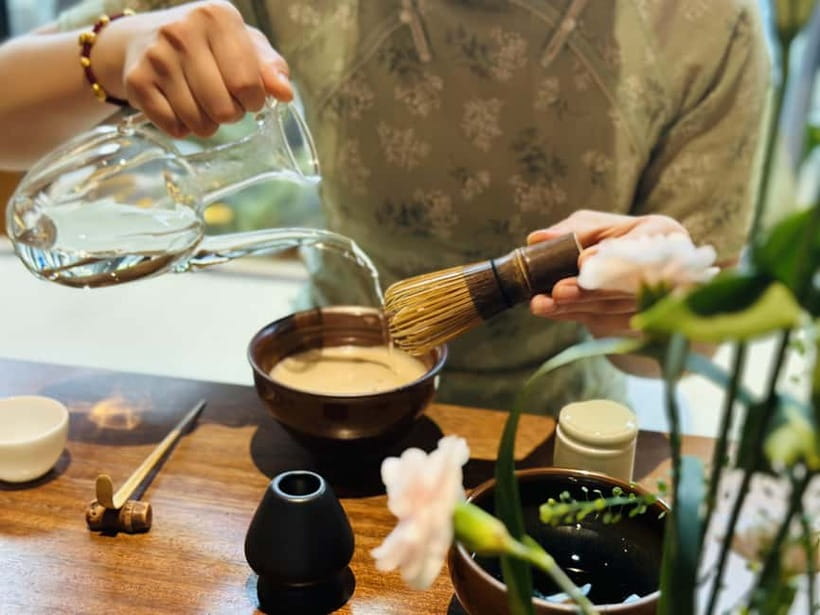
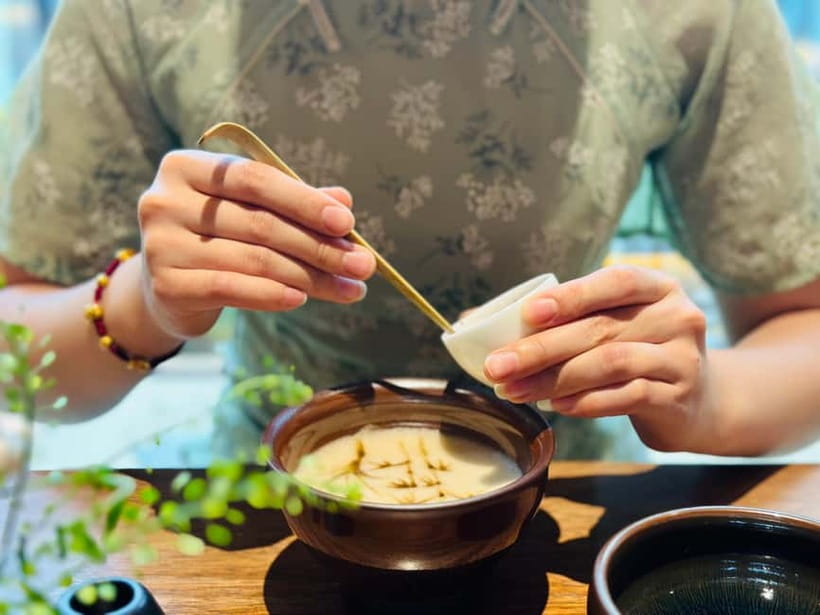
A big reason this experience feels special is that you’re not only tasting—you’re learning a technique. The workshop centers on Song Dynasty tea whisking and brewing, practiced in a small group setting.
Why I think this is worth your time: whisking is where tea culture turns from explanation into doing. You get a feel for how preparation connects to the cup’s outcome. Even if you don’t leave knowing every tea detail, you’ll leave understanding the logic of the method—why steps matter and how careful handling changes what you taste.
This is also where the small group size pays off. With only up to 8 participants, you’re more likely to get personal attention while you practice. You’re not stuck watching someone else do the work.
Comparing China’s three tea categories sip by sip
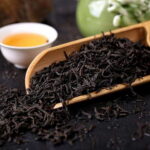
Another core piece of the ceremony is exploring China’s three major tea categories. You’ll taste and savor each sip, using the same “notice first” approach you practiced during the blind tasting.
The value here is not memorizing names. It’s learning how categories often behave differently in the cup. You’ll pay attention to flavor direction (how the tea tastes as you move through sips) and aroma (what you notice before you even take that first drink). You’ll also notice texture—how a tea can feel lighter or heavier, smoother or more gripping—without needing technical jargon.
If you’ve ever had tea that tasted great in one place and flat somewhere else, this part helps you understand why. You start seeing tea as a sensory system, not a lucky coincidence.
The tasting order and how to get the most out of 3 hours
Your time is tight: three hours goes by quickly if you treat it like a quick show. But if you slow down, it gives you enough repetition to learn.
Here’s how I’d approach it during the ceremony:
- Take a moment to smell before you sip, even if it feels awkward at first.
- After you sip, think in three buckets: aroma, flavor, and texture.
- Don’t overthink identification. Instead, describe what you like and why in simple terms.
That’s what makes the blind tasting and the three tea categories work together. You’ll end up with a personal map of what you enjoy, not just a list of teas you tried once.

Snacks, pacing, and why the small group matters
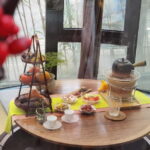
Snacks are included, and that detail matters more than you might think. Tea tasting can make you focus intensely for a while, and food breaks the concentration in a way that keeps the experience comfortable.
The program structure also stays relaxed because it’s capped at 8 participants. In a larger class, you often spend time waiting your turn. Here, the pacing can stay more conversational, so you’re actually learning while you’re participating.
If you’re sensitive to long sits or prefer a fuller break, bring comfortable clothes and plan to stay present. The experience encourages calm, sensory attention, so showing up rested helps.
Price and value: what $143 covers, and what you should budget for
At $143 per person for a 3-hour experience, you’re paying for more than a single tasting flight. This price supports:
- A tea expert guide (English and Chinese)
- An assortment of Chinese teas for tasting
- Snacks included
- A small-group setup (max 8)
- Hands-on Song Dynasty whisking and brewing practice
So, where does the value land? In the mix of instruction and participation. You’re not only sampling tea—you’re learning how to assess it and how a historic preparation method works in practice. For many people, that’s the difference between “I tried some tea” and “I learned something I can use.”
What’s not included: transportation to and from the activity, plus personal expenses. Make sure you budget for how you’ll get there. The exact meeting point is provided after booking and is near the marked location.
Practical tips for what to bring (and what to avoid)
The program’s guidance is straightforward, and following it will make your tea tasting better.
Bring:
- Comfortable shoes (you’ll be walking)
- A camera if you want photos
- Comfortable clothes
- Snacks (the activity suggests bringing some, even though snacks are included)
Avoid:
- Smoking
- Alcoholic drinks in the vehicle
- Strong perfumes, since they can interfere with tea aroma perception
If you have any dietary needs or allergies, inform the organizer ahead of time. Also note the key limitation: this experience is not suitable for people with food allergies.
Who should book this and who might skip it
This is a great fit if you want a hands-on introduction to Chinese tea culture without getting lost in overwhelming details. You’ll enjoy it if you like tasting experiences where you can learn the why behind the cup, not just the taste.
It’s especially good for:
- First-timers who want a guided way to notice aroma and texture
- People who enjoy small-group instruction
- Anyone curious about Song Dynasty tea whisking and brewing as a technique
Skip it if:
- You use a wheelchair (it’s not suitable)
- You have a food allergy (it’s not suitable)
Should you book this Shanghai Chinese tea ceremony?
If you’re the type who likes learning with your hands and your senses, I’d book it. The combination of blind tasting, three tea categories, and Song Dynasty whisking is a smart way to learn tea in only three hours.
If you’re mainly looking for sightseeing or photos, this might feel like less of a “tour” and more like a guided workshop. But if you want quiet focus, careful tasting, and a technique you can talk about later, it’s a strong choice.
One final note from the experience vibe: some people also enjoy an optional dress-up for photos. If that sounds fun to you, it’s worth taking advantage of while you’re there.
FAQ
How long is the Shanghai Chinese tea ceremony experience?
It lasts 3 hours.
How big is the group?
It’s a small group limited to 8 participants.
What languages are offered by the instructor?
The instructor speaks English and Chinese.
What’s included in the ticket price?
The experience includes a tea expert guide, an assortment of Chinese teas, and snacks.
How do I get there, and is transportation included?
Transportation to and from the activity is not included. The exact meeting point is provided after booking and is near the marked location.
Can I cancel if my plans change?
Yes. You can cancel up to 24 hours in advance for a full refund.