REVIEW · OSAKA
Osaka: Traditional Tea Ceremony Experience
Book on GetYourGuide →Operated by B.B.Advisors Inc. AN OSAKA · Bookable on GetYourGuide
Thirty minutes, one calm ritual. It’s a simple Osaka tea break where you make your own matcha, learn the flow, and then sip it at a relaxed pace. I like that the experience uses single-origin special matcha and that you get the classic sweet, Ohigashi, right alongside your cup. One thing to plan for: there’s no elevator, so you’ll need stairs to reach the rooms.
This is a good value format if you want culture without losing half your day. You’ll get a short lecture, a matcha-grinding demo, and then the tea-ceremony experience itself, all wrapped up by the time you’re ready to rejoin Osaka sightseeing. With a reported 30-minute duration and hands-on participation, it’s easy to fit between stops.
The instruction is Japanese, but English translation is provided as much as possible. That matters, because one recent booking highlighted that the teacher explained how to prepare and drink matcha in English and kept things patient and comfortable. If you’d prefer extra English support, the provider says you can contact them to add it.
In This Review
- Key things to know before you go
- 30 minutes of Osaka tea: the exact flow you’ll experience
- The matcha moment: single-origin, made with your own hands
- Ohigashi and balance: snacks that make the tea taste better
- Where to meet in Osaka: Higobashi, Watanabebashi, Yodoyabashi, and more
- Price and value around $7: what you’re really paying for
- Language, group vibe, and what to expect when you arrive
- Who should book this Osaka tea ceremony (and who might skip it)
- Should you book? My straight take
- FAQ
- FAQ
- How long is the Osaka traditional tea ceremony experience?
- What does the experience cost?
- What’s included in the tea ceremony?
- Is a completion certificate included?
- What language is the instruction?
- Are there any accessibility limits?
- Where is the meeting point?
- What are the operating hours?
- What if I arrive late?
- Who can enter the venue?
Key things to know before you go
- Hand-ground matcha: you’ll do more than just watch.
- Single-origin quality: the matcha is described as special and single-origin.
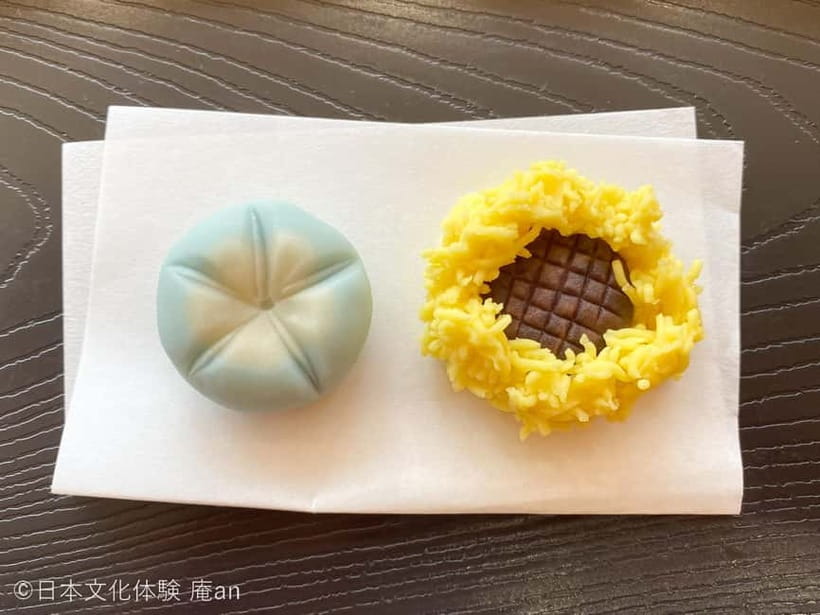
- Ohigashi included: you’ll snack on Japanese sweets with your tea.
- Short and structured: lecture → grinding demo → tea practice → photos → time to eat and drink.
- Near several train lines: multiple station options make it easy to navigate.
- Stairs required: plan your route accordingly since there’s no elevator.
30 minutes of Osaka tea: the exact flow you’ll experience
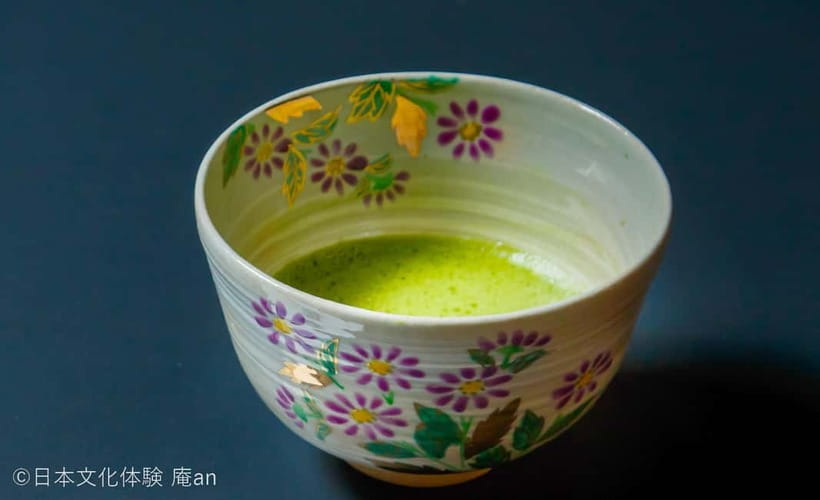
The full session runs about 30 minutes. That’s the big appeal: you get a real ritual, not just a quick demo, and then you can keep moving around Osaka.
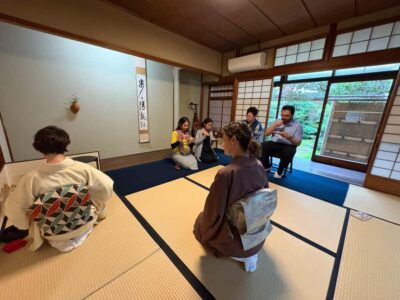
At the start, you’ll begin with a short orientation and an explanation of tea—enough to understand what you’re about to do and why each step matters. Then you’ll see a matcha grinding demonstration. Even if you’ve had matcha before, this part helps you connect the dots between the powder, the water, and the finished drink.
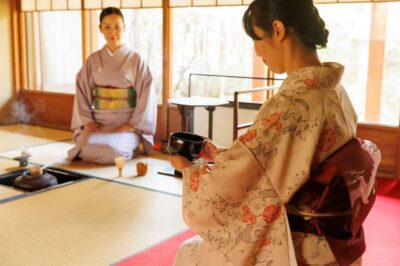
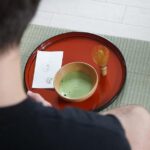
Next comes the tea-ceremony experience. This is where you slow down and practice the basics as part of the session, using the OTE-MAE set that’s included. Expect a guided pace rather than a strict performance. You’re there to learn, not to pass a test.
Then there’s picture time around the later portion of the session. After that, you’ll have time for the eating and drinking—your matcha plus the included Japanese sweets, Ohigashi. The room departure happens right at the end of the 30-minute window.
A practical tip: with a tight schedule, arrive a few minutes early so you don’t rush your brain. If you’re late, they won’t hold the event to accommodate delays.
You can also read our reviews of more tours and experiences in Osaka.
The matcha moment: single-origin, made with your own hands
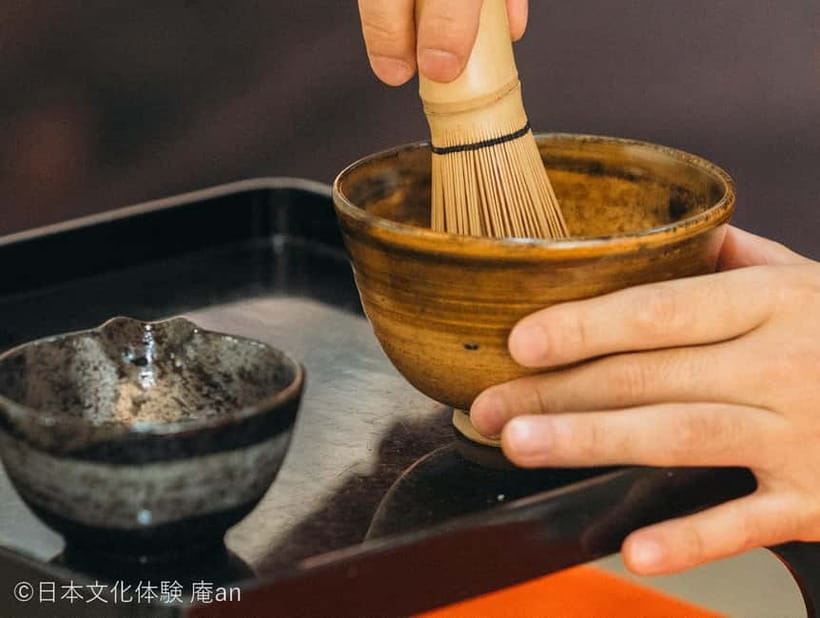
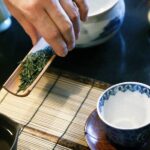
Matcha is the star here, and the format keeps it friendly. The highlights call out single-origin special matcha, plus a casual way to enjoy it. In plain terms, you’re getting quality tea and a clear path to make it yourself.
The hands-on part is key. You’ll start with a grinding demonstration, then you’ll participate in the tea-ceremony experience. Even if you’re not obsessed with tea terminology, you’ll leave with practical muscle memory: how the matcha should look when it’s properly prepared, and how to drink it so it tastes balanced instead of harsh.
Single-origin matcha matters because it tends to be more distinctive than generic blends. That’s not a promise that every cup will taste the same day to day, but it usually means you’re paying for character rather than anonymity. And since the session is short, you don’t want to waste your only tea lesson on something basic.
One more nice point from the experience style: it’s structured so you can learn without feeling judged. A booking described the teacher as patient and someone who explained the preparation and drinking process in English, which is exactly what you want if you’re new to tea ceremonies.
Ohigashi and balance: snacks that make the tea taste better
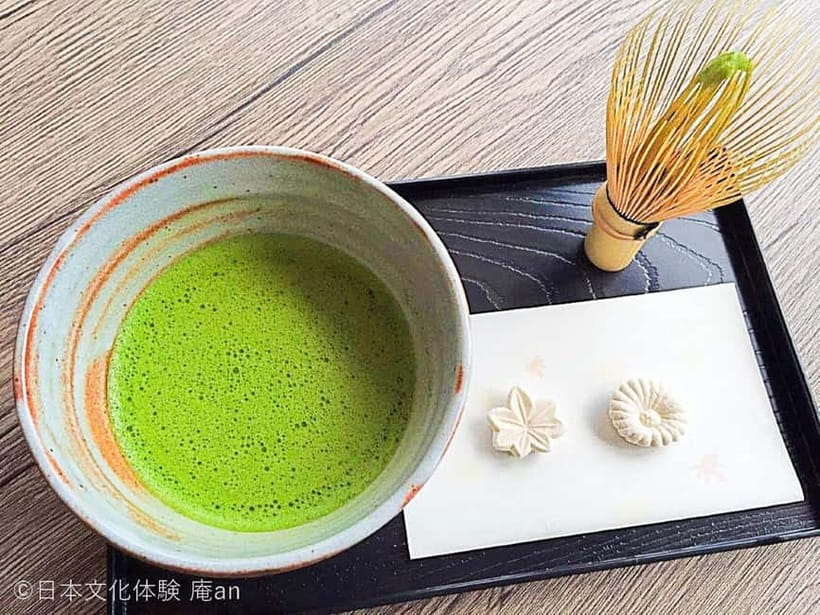
You’ll get Japanese sweets called Ohigashi with the experience. This is one of those small details that turns matcha from a drink into a full moment.
Ohigashi is typically designed to complement the flavor profile of tea—helping smooth the edges of matcha’s natural bitterness and giving you something sweet to anchor the experience. Since you’ll have eating and drinking time at the end, you’re not just tasting in a rush. You can actually pause and experience the pairing.
The session also includes picture time, which usually pairs well with the snack-and-sip part. In other words, you’ll likely leave with both a memory and a taste.
If you’re the kind of person who likes food as part of culture—not just culture as a show—this included sweet is a big win for the price.
Where to meet in Osaka: Higobashi, Watanabebashi, Yodoyabashi, and more
Getting there is straightforward, and you’ve got multiple station choices. The meeting point is:
- 1 minute walk from Exit 10 of Osaka Metro Yotsubashi Line Higobashi Station
- 5 minutes walk from Exit 7 of Keihan Nakanoshima Line Watanabebashi Station
- 7 minutes walk from Exit 10 of Osaka Metro/Keihan Line Yodoyabashi Station
- 10 minutes walk from Exit 11-5 of JR Tozai Line Kitashinchi Station
- 15 minutes walk from South Central Gate of Osaka Station
If you like options, pick the station that fits your route that day. Personally, I’d aim for the closest one—Higobashi is the tightest walk—and then build the rest of your Osaka sightseeing from there.
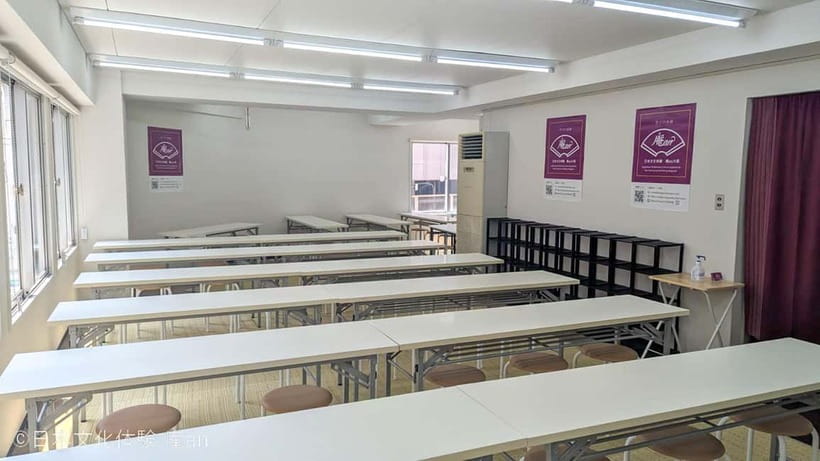
You’ll also want to know: there’s no elevator. You’ll be taking stairs to reach each venue. If you’re traveling with a lot of luggage or you have mobility concerns, plan your approach accordingly.
For navigation, the provider shares a Google map link and coordinates: 34.6911523, 135.4958628.
Price and value around $7: what you’re really paying for
At about $7 per person for 30 minutes, this is one of the lower-cost ways to get hands-on Japanese culture in Osaka. The value is in what you receive:
- a tea-ceremony experience set (OTE-MAE)
- matcha preparation and drinking as part of the session
- the included Ohigashi sweets
- a structured teaching moment that fits into a tight schedule
You’re not paying for a long, formal ceremony that takes up most of your day. You’re paying for a focused lesson you can actually repeat later on your own.
There is an extra note: the experience completion certificate costs 300 JPY and isn’t included. If a certificate helps you remember the moment, that’s an optional add-on. If you don’t care about paperwork, you can skip it and still get the full practical experience.
The biggest value argument, though, is the time. You can do this and still enjoy the rest of Osaka the same day—especially if you time it for late morning or mid-afternoon.

Language, group vibe, and what to expect when you arrive
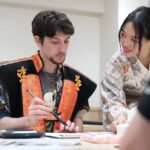
The instructor is Japanese. English translation is provided as much as possible, and the provider notes you can contact them if you want to add English translation.
This matters because tea-ceremony etiquette can feel intimidating if you don’t understand what someone is guiding you through. One booking specifically mentioned the teacher explained how to prepare and drink matcha in English. Another described the experience as a good time even though it was in Japanese, with an instructor who was humorous. That combination—clarity plus a relaxed tone—is exactly what helps beginners succeed.
Also note a simple rule: those who do not participate in the experience can’t enter. So if you’re traveling with someone who’s just watching, they’ll need to either join in or wait outside.
The session format also works for both solo travelers and groups. The experience description mentions you can go from one person up to a group and everyone can easily experience tea ceremony.
Who should book this Osaka tea ceremony (and who might skip it)
This experience is ideal if you want:
- a short cultural stop while sightseeing in Osaka
- a practical matcha lesson you can remember
- single-origin matcha and Ohigashi included
- a guided format that stays comfortable for beginners
It’s also a solid choice if you enjoy food and drink as part of culture. The snack-and-sip time at the end turns it into a full small break, not just a lecture.
Who might consider skipping:
- If stairs are difficult for you, the provider notes there’s no elevator, so you’ll need to take stairs.
- If you’re hoping for a very long, deeply formal ceremony, this is a 30-minute experience. It’s designed to fit into a busy schedule, so it won’t feel like an all-day tea retreat.
Should you book? My straight take
Book it if you want a low-stress, hands-on taste of tea culture that fits into your Osaka day. For the price, you’re not just watching matcha—you’re learning the basics, grinding steps are shown, you’ll take part in the tea-ceremony experience, and you’ll actually eat and drink afterward with Ohigashi.
Skip it only if stairs are an issue for you, or if you know you only want very long, traditional formats. Otherwise, this is a smart add-on: it gives you something you can’t easily replicate by accident in a regular restaurant, and it helps you slow down in the middle of city momentum.
FAQ
FAQ
How long is the Osaka traditional tea ceremony experience?
The experience lasts about 30 minutes.
What does the experience cost?
The price is listed as $7 per person.
What’s included in the tea ceremony?
You’ll get the tea ceremony experience set (OTE-MAE), plus matcha that you prepare and drink during the session, and Japanese sweets called Ohigashi.
Is a completion certificate included?
No. The completion certificate costs 300 JPY and isn’t included.
What language is the instruction?
The instructor speaks Japanese. English translation is provided as much as possible, and you can contact the provider to add English translation.
Are there any accessibility limits?
There is no elevator in the building, and you’ll need to take stairs to reach each venue.
Where is the meeting point?
It’s near several stations: 1 minute from Osaka Metro Yotsubashi Line Higobashi Station Exit 10, 5 minutes from Keihan Nakanoshima Line Watanabebashi Station Exit 7, 7 minutes from Yodoyabashi Station Exit 10, 10 minutes from JR Tozai Line Kitashinchi Station Exit 11-5, or about 15 minutes from Osaka Station South Central Gate.
What are the operating hours?
The operation hours are 10:00 to 17:00.
What if I arrive late?
The provider says they can’t hold the event to accommodate delays.
Who can enter the venue?
Those who do not participate in the experience aren’t allowed to enter. Children who sit on their parents’ lap are free of charge (under 2 years old only).