REVIEW · OSAKA
Osaka: Tea Ceremony, Calligraphy, and Kimono Experience
Book on GetYourGuide →Operated by Japan Culture Experience -Sazanka Osaka- · Bookable on GetYourGuide
Kimono, tea, and calligraphy in one calm 3-hour block. I like that you actually do the hands-on parts: you’ll be fitted in a kimono and guided through Japanese calligraphy (kanji included) with patient coaching. You also end with a traditional tea ceremony where the rituals feel explained, not just performed.
One thing to plan for: this is inside a studio above street level, and the entrance can be tricky to spot the first time. Some people said the entry wasn’t obvious, though landmarks like a nearby Lawson and a visible kimono on the stairs help.
In This Review
- Key Things That Make This Experience Special
- What Makes Osaka’s Kimono, Tea, and Calligraphy Combo Worth It
- Starting in the Studio: Kimono Selection, Dressing, and Simple Hair
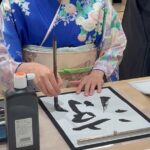
- Calligraphy With a Brush: Kanji Practice and a Take-Home Keepsake
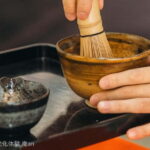
- Tea Ceremony in a Peaceful Room: Matcha Practice and Rituals You Can Explain
- Small Group, English Guidance, and Real Support From Guides
- Price and Value: What $96 Includes and What You’ll Pay Separately
- Getting There Near Tanimachi 9-chome or Osaka Uehommachi
- Practical Tips Before You Go
- Should You Book This Osaka Tea and Kimono Experience?
- FAQ
- How long is the Osaka tea, calligraphy, and kimono experience?
- What’s included in the price?
- Is transportation or pickup included?
- What languages do the guides speak?
- Is this beginner-friendly?
- What’s the group size?
- Is it suitable for young children?
- Where is the meeting point in Osaka?
- Can I cancel for a full refund?
Key Things That Make This Experience Special
- Kimono selection and dressing care that adjusts for comfort, fit, and the full look.
- Calligraphy coaching that stays beginner-friendly, even if your brush control feels shaky.
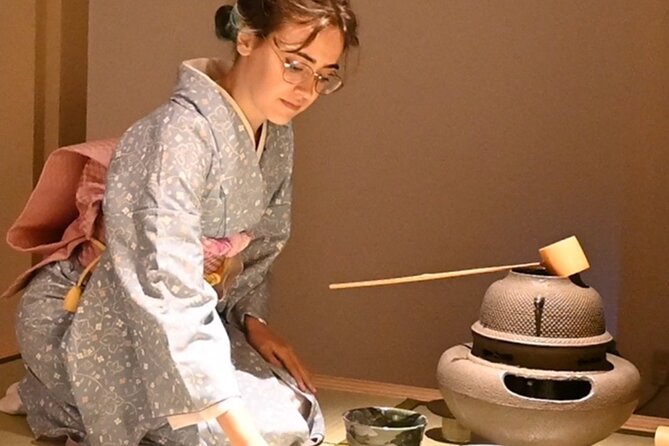
- Matcha practice during the tea ceremony, not just watching.
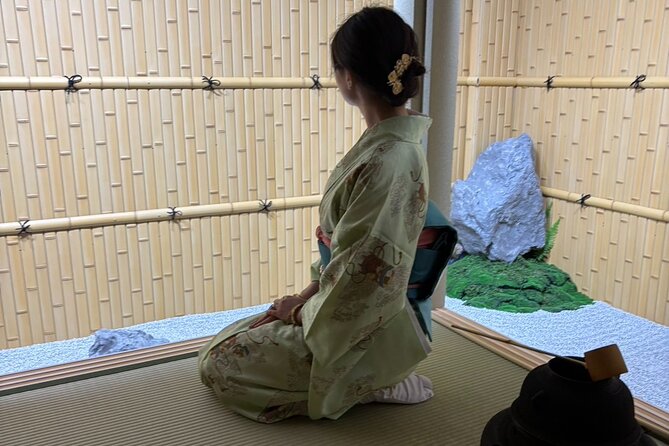
- A calm, studio setting in downtown Osaka, with tea held in a typical room and even a small garden view.
- Small group format (up to 8), with guides like Meiji, Mika, and Nokko-san noted in past sessions.
What Makes Osaka’s Kimono, Tea, and Calligraphy Combo Worth It
Osaka is loud in the best way, but this experience gives you the opposite. You step into a quiet studio and spend 3 hours on three classic arts that connect to the same idea: slowing down and paying attention.
I especially like how it’s not one-and-done. The kimono fitting matters because it changes how you move and sit. The calligraphy matters because you’re making something personal with a brush. And the tea ceremony matters because you get to handle the process yourself, not just admire it.
If you want a cultural souvenir that isn’t a postcard or a tchotchke, this hits the spot. You leave with a calligraphy piece, plus a clear understanding of what the tea ritual is trying to teach through routine and respect.
You can also read our reviews of more tours and experiences in Osaka.
Starting in the Studio: Kimono Selection, Dressing, and Simple Hair
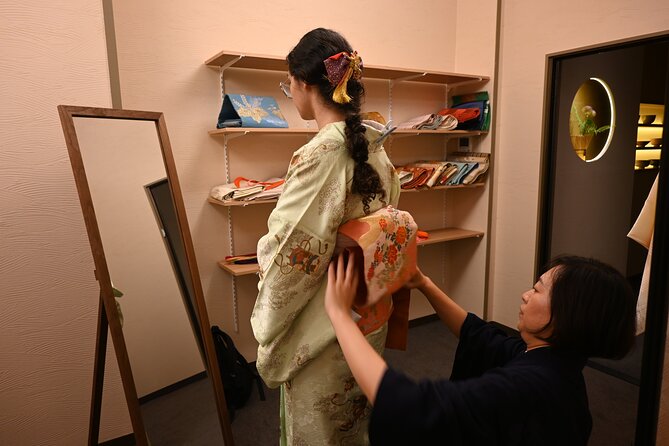
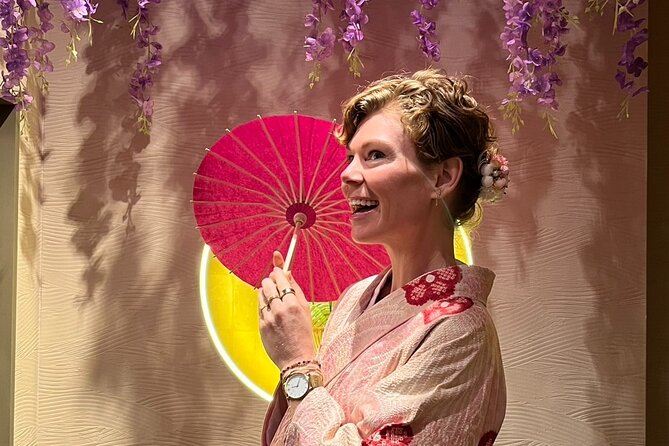
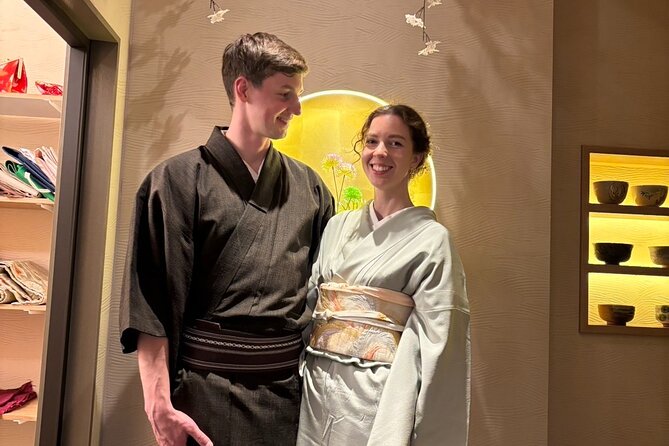
The first big moment is choosing a kimono. You’ll have a selection of kimonos to pick from, and staff help you get dressed correctly. Past participants also noted that the process feels detailed without feeling stressful, even when it’s your first time.
Expect help with the layers of the look and an obi/overall fit that’s adjusted to you. One review specifically mentioned being supported when choosing a kimono for a larger size so the garment length worked properly. That kind of tailoring is a big part of why people walk away feeling comfortable, not like they got dressed in someone else’s costume.
You’ll also get simple hairstyling as part of the included package. In reviews, guests described hair being done gently and with care, and a few mentioned the final look includes accessories chosen to match the kimono color and style.
Practical reality: kimono can feel different from your usual clothes, especially around posture and how you sit. That’s normal. Wear flats or shoes that are easy to slip on and off, and plan to move slower for the first few minutes.
Calligraphy With a Brush: Kanji Practice and a Take-Home Keepsake
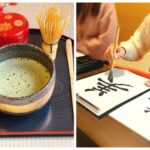
Calligraphy is the part that often wins people over, even if they thought they’d be bad at it. You get a guided session with time to practice, and the teaching style is described as patient and encouraging.
You’ll learn through doing. Many guests specifically mentioned writing characters such as kanji, not only copying simple strokes. The instruction is paced so you’re not rushed, which matters when you’re learning brush control for the first time.
A standout detail: some participants noted that the calligraphy session includes a handmade gift, in addition to the work you create. Even without getting fancy with art talk, that’s a smart value add because it turns your lesson into more than a photo-op.
Here’s the best part for your memory bank: you’ll leave with something you made. Reviews repeatedly call out that their own calligraphy became the lasting keepsake they could show later and explain.
If you’re traveling with kids or teens, calligraphy often works better than you’d expect. It’s hands-on, quiet, and structured, which helps people focus for the full 3 hours.
Tea Ceremony in a Peaceful Room: Matcha Practice and Rituals You Can Explain
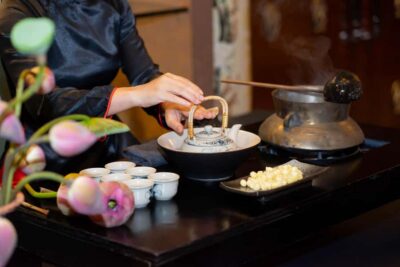
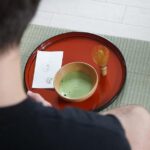
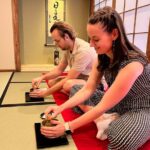
After the kimono and calligraphy, the experience settles into tea. The tea ceremony is described as calm, respectful, and educational, with guides walking you through the history, rituals, and philosophy behind the practice.
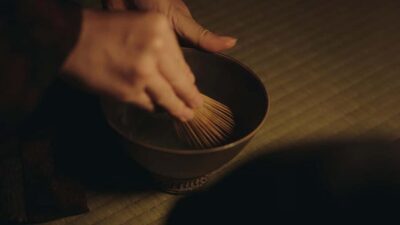
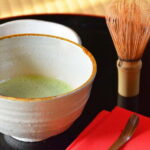
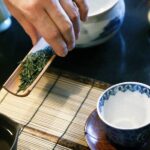
The important practical part is this: it’s interactive. Multiple reviews mention making tea and having a turn using the correct technique to make matcha. That means you’re not just watching someone whisk. You’re learning the steps and feeling how the ritual is built around timing, attention, and etiquette.
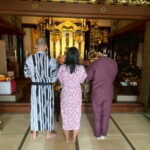
The setting helps too. Guests described the tea being held in a typical Japanese room, and at least one mentioned a small external garden. Even if you’re not a scenery person, that kind of room instantly changes your pace and mindset.
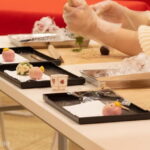
You’ll be served sweets as part of the included experience. In Japan, sweets during tea are usually meant to balance the flavor and the moment, so it’s not random sugar. It also gives you a brief reset between the explanation and the hands-on practice.
If you’re the type who likes to understand what you’re doing, this section is where the experience starts to feel like a story you can retell. You’ll walk away knowing not only how to make matcha, but why the process is treated like a small ritual of respect.
Small Group, English Guidance, and Real Support From Guides
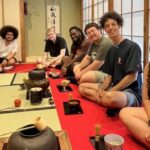
The group size is limited to 8 participants, and you’ll have a live guide. Languages offered include English, Japanese, and Chinese, so you should be able to follow comfortably regardless of your comfort level.
One reason people rated this so highly is the human scale. Reviews describe guides like Meiji, Mika, and Nokko-san (along with others such as Nikko, Miko, and Suzu) as patient, friendly, and willing to answer questions. You’re not shuffled along on a conveyor belt.
There’s also flexibility built into the guidance. Guests mention help with kimono selection, hair styling, and calligraphy technique. If you’re nervous about writing or worried you’ll mess up, this is the kind of activity where corrections feel encouraging instead of critical.
A practical note: a couple of reviews mentioned that with a group up to 7 people, some guests had to split during parts of the experience because the rooms hold around 5. That’s not a dealbreaker, but it’s good to know if you hate losing time with your partner or family member.


Price and Value: What $96 Includes and What You’ll Pay Separately
At $96 per person for a 3-hour experience, the value comes from the combination. You’re getting kimono costume, simple hairstyling, guided calligraphy, a Japanese tea ceremony, and sweets.
So you’re not paying for one activity. You’re paying for three supported cultural skills plus the outfit and the small comforts (like having sweets during tea). That bundle is exactly where the value shows up compared with piecemeal lessons where you’d often spend similar money for just one part.
What isn’t included is also important: transportation. Pickup and drop-off services aren’t provided either, so you’ll need to handle getting to the studio yourself. You may also want to budget for souvenirs if you decide you want more than your calligraphy keepsake.
If your trip to Osaka includes only one hands-on cultural workshop, this is one of the better all-in-one choices. If you already have kimono dressing and tea ceremony plans from other places in Japan, consider whether calligraphy is the missing piece for your itinerary.
Getting There Near Tanimachi 9-chome or Osaka Uehommachi
This experience is downtown Osaka, but it’s in a studio setting that’s a few steps above street level. That matters because you want to arrive a few minutes early, especially the first time you’re in the area.
Two station routes are provided:
From Tanimachi 9-chome Station (Osaka Metro):
- Exit via Exit 11
- Walk straight for about 3 minutes
- Look for a Lawson as your landmark
- Find the building with MixyHearts beauty salon on the first floor
- Go to the second floor using the stairs
From Osaka Uehommachi Station (Kintetsu Line):
- Exit via the East Exit
- Walk left for about 7 minutes
- Look for the MixyHearts beauty salon on the first floor
- Take the stairs to the second floor
One review mentioned the entrance door wasn’t clearly labeled, so I’d treat this as a “follow the landmarks” situation, not a “spot it instantly” situation.
Practical Tips Before You Go
Wear comfortable basics under your kimono session. Even though the studio handles the costume, you’ll be changing and sitting upright for parts of the experience, so comfort is your friend.
Bring your patience. The kimono and hair portion takes time because it’s supposed to look right and feel right. The calligraphy portion is similar: brush technique improves with small corrections and practice, not speed.
If you love photos, ask for pictures during the key transition moments. Several guests mentioned guides being willing to take many photos, which makes the dressing and calligraphy parts feel less like an awkward stage and more like a real memory.
Lastly, if you’re traveling with kids or you’re doing this as a family activity, keep expectations simple. You’re not aiming for perfect art. You’re aiming for the process, the calm, and the story you’ll take home with your calligraphy.
Should You Book This Osaka Tea and Kimono Experience?
Book it if you want a 3-hour cultural experience that mixes show-and-tell with real doing. The combination of kimono dressing, guided calligraphy, and a tea ceremony with matcha practice is exactly the kind of activity that stays with you after the trip photos fade.
Skip it if you want something purely fast and casual. You’re spending time getting dressed properly and learning step-by-step, so this is best for travelers who like structure and attention to details.
Overall, I think this is a strong pick for couples, small groups, and families who want a meaningful Osaka moment without needing to already know Japanese culture basics. If you’re craving a quieter side of the city and a hands-on souvenir, it’s easy to justify the $96 price tag.
FAQ
How long is the Osaka tea, calligraphy, and kimono experience?
It lasts 3 hours.
What’s included in the price?
Kimono costume, simple hairstyling, calligraphy, Japanese tea ceremony, and sweets are included.
Is transportation or pickup included?
No. Transportation, and pickup and drop-off services are not included.
What languages do the guides speak?
The live tour guide is available in English, Japanese, and Chinese.
Is this beginner-friendly?
Yes, it’s described as beginner-friendly and suitable for first-timers.
What’s the group size?
It’s a small group limited to 8 participants.
Is it suitable for young children?
It’s not suitable for children under 2 years old, and babies under 1 year old.
Where is the meeting point in Osaka?
The studio is reachable from Tanimachi 9-chome Station (Exit 11) or Osaka Uehommachi Station (East Exit), with directions pointing you to a building with MixyHearts beauty salon on the first floor and the studio on the second floor.
Can I cancel for a full refund?
Yes. Free cancellation is available up to 24 hours in advance for a full refund.