REVIEW · OSAKA
Osaka: Japanese Traditional Sweets Making and Tea Ceremony
Book on GetYourGuide →Operated by B.B.Advisors Inc. AN OSAKA · Bookable on GetYourGuide
Your afternoon ends with tea you made.
This Osaka workshop mixes Nerikiri Japanese sweets making with an Uji Matcha tea ceremony, using Kyoto-produced white/red bean paste and a single-origin matcha. I love that you’re not just watching: you actively color bean paste and shape seasonal sweets, then finish with the pairings you created. I also like the focus on process, from a matcha grinding demo to actually having your own tea with the sweets.
One thing to plan for: there’s no elevator in the building, so you’ll take stairs, and the session won’t be held for late arrivals. If your Japanese is limited, you’ll still get English translation as much as possible, but you should expect the class language to be Japanese at times.
In This Review
- Key things to know before you go
- Nerikiri + matcha: why this Osaka combo works
- Your 95 minutes: the exact workshop rhythm
- Making two seasonal Nerikiri sweets (and why it matters)
- Step 1: coloring the bean paste
- Step 2: shaping Nerikiri
- What you’ll likely notice when you eat them
- Matcha with Uji roots and a grinding demonstration
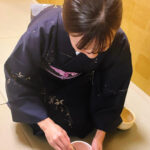
- The tea ceremony portion: what you’ll do, not just watch
- Price and value: what $18 gets you (and what costs extra)
- Getting there: near Higobashi, Watanabebashi, and Yodoyabashi
- Language expectations: how to make the class feel easy
- Timing rules and the stairs issue
- Who this Osaka workshop is best for
- Tips to get the most out of Nerikiri and matcha
- Should you book this Osaka wagashi and tea ceremony class?
- FAQ
- How long is the Osaka Nerikiri and tea ceremony experience?
- What is included in the price?
- What sweets will I make in the class?
- What matcha do you use?
- Where is the meeting point near train stations?
- Is there an elevator in the building?
- Is English translation available?
- Are there extra charges for anything?
- What time does the experience run?
Key things to know before you go
- Kyoto white/red bean paste used for your Nerikiri (not generic ingredients)
- Two seasonal sweets crafted during the class, not just one sample
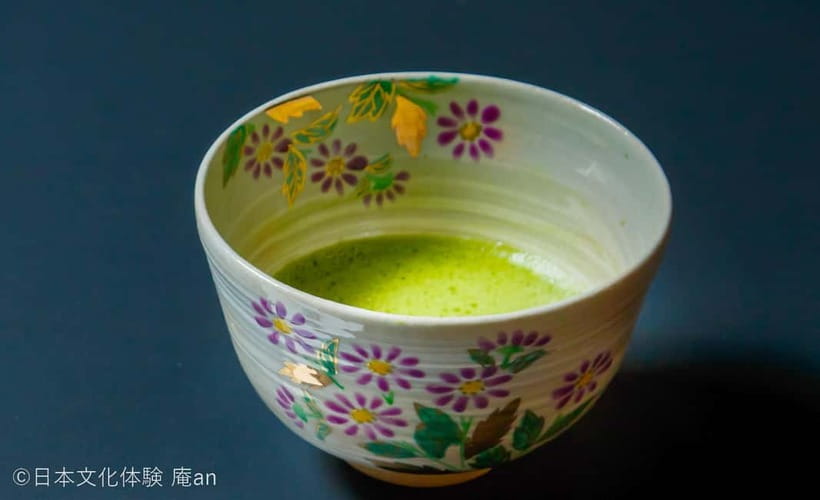
- Uji Matcha with a grinding demonstration before you drink
- Nerikiri starts with coloring the white bean paste, so your choices matter
- A short, clear 95-minute flow with eating/drinking time at the end
- Extra items are optional: take-out box and a completion certificate cost extra
Nerikiri + matcha: why this Osaka combo works
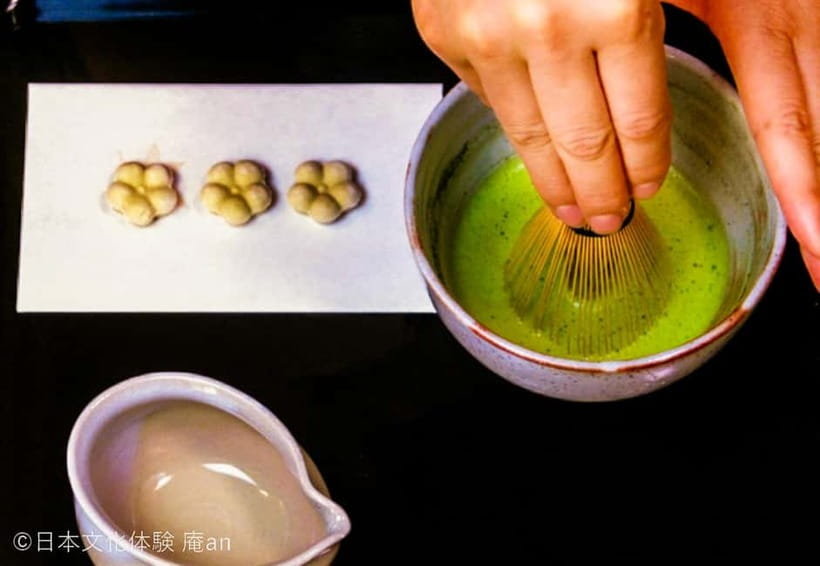
Osaka has no shortage of food experiences, but this one is special because it teaches two linked parts of Japanese culture: wagashi (traditional sweets) and tea. You don’t just taste. You learn the steps that make the sweets and the tea feel like a single ritual.
The Nerikiri lesson is hands-on art. You begin by coloring white bean paste and then shape it into seasonal flower/fruit forms. It’s a craft class disguised as dessert, which is exactly why it feels different from a typical “eat this, then move on” stop.
Then you switch gears to tea. You’ll hear about the tea ceremony, see matcha being ground, and take part in the tea-ceremony experience. By the time you sit down to enjoy what you made, the matcha doesn’t feel like a random drink. It feels like the finishing step.
You can also read our reviews of more tours and experiences in Osaka.
Your 95 minutes: the exact workshop rhythm
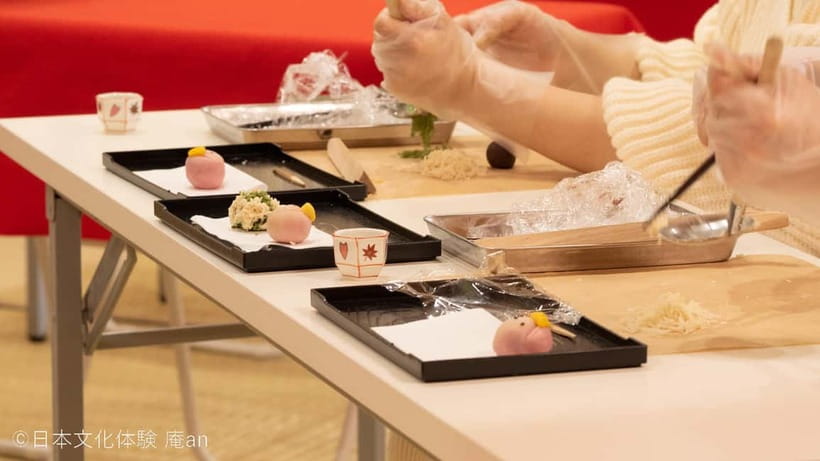
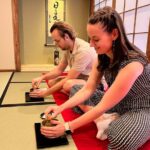
The class is 95 minutes, built around two blocks: sweets first, tea second.
- Start (about 0 minutes): You begin with an explanation of Japanese traditional sweets. This isn’t just trivia; it sets the mood for why Nerikiri looks the way it does.
- Nerikiri making (about 0 to 55 minutes): You’ll make your sweets from colored bean paste. The activity focuses on shaping a high-grade style sweet called Nerikiri. The timing is designed so you get enough guidance to produce something you’ll actually want to eat.
- Break (about 55 to 65 minutes): A short pause before the tea portion.
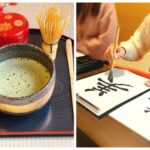
- Tea portion (about 65 to 85 minutes): You’ll get an explanation of tea. Then there’s a matcha grinding demonstration. After that comes the tea-ceremony experience.
- Picture time (about 85 minutes): You’ll have a moment for photos.
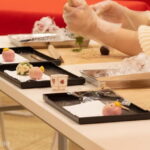
- Eat and drink (about 85 to 95 minutes): This is your chance to enjoy the sweets you prepared alongside your own matcha.
- Departure (about 95 minutes): Room departure.
If you like classes that feel structured but not rushed, this pacing is a good fit. And because the class ends with eating time, it avoids the common problem of “great workshop, but you don’t really taste what you made.”
Making two seasonal Nerikiri sweets (and why it matters)
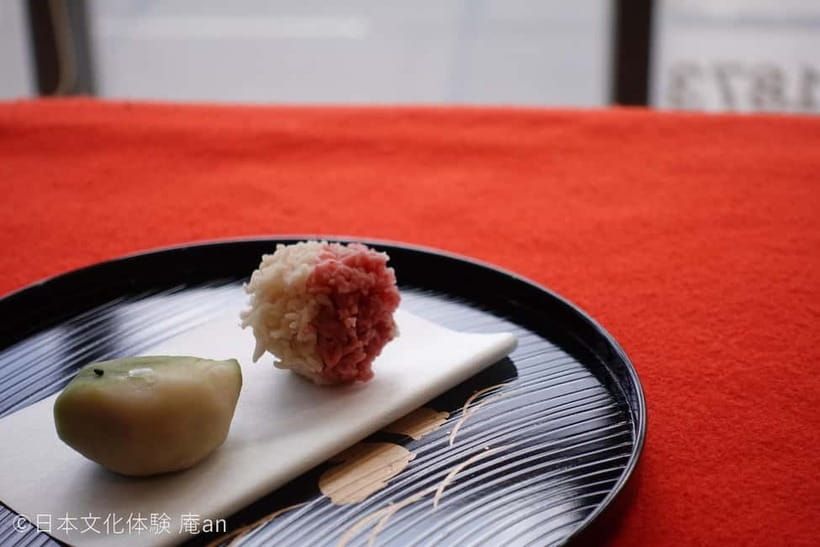
The highlight here is that you make two Japanese traditional sweets that match the season. That seasonal element matters because Nerikiri is designed to look like flowers or fruits tied to the calendar, not just to taste good.
Step 1: coloring the bean paste
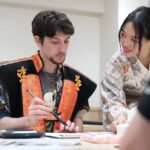
You start with the coloring of white bean paste. This is where the workshop becomes creative. You’re not just assembling a product; you’re participating in the look of the sweets.
The class uses white/red bean paste produced by long-established shops in Kyoto. That’s a meaningful detail. Better bean paste gives the sweets a cleaner flavor and a smoother balance with matcha. Nerikiri can be very “bean-forward” if the paste quality is low, so using Kyoto-made paste helps keep the flavor refined.
Step 2: shaping Nerikiri
You’ll craft flower-shaped Nerikiri sweets. The goal is to create sweets that reflect seasonal imagery, using colored bean paste crafted into forms that look intentionally made.
Some sessions also reference making something called Kinton Nerikiri. Either way, the emphasis is the same: careful shaping and attention to detail, not speed.

What you’ll likely notice when you eat them
Once the tea portion begins, the class theme becomes clear: the sweet’s flavor is meant to pair with matcha. The sweet’s high-quality white/red bean paste is designed to balance the taste of the matcha, so you’re not stuck with an overly sweet cup or a bitter one that steamrolls the dessert.
Matcha with Uji roots and a grinding demonstration
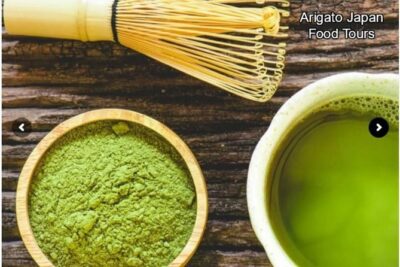
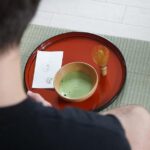
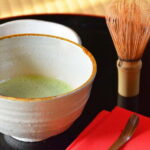
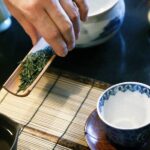
The matcha here is single-origin special Matcha, specifically described as Uji Matcha. You’ll get a matcha grinding demonstration, which is one of the best parts for first-timers.
Grinding matters because it turns matcha from something you’ve maybe seen in a bottle into a real, fresh-prepared ingredient. You’ll also understand why matcha isn’t just “green tea powder,” but a tea you prepare in a specific way.
From what you’re told during the tea explanation, the workshop aims to connect you to the ceremony through practical steps. You’ll learn how matcha is prepared and served, then you’ll get to experience the tea ceremony as part of the class.
And yes, the class ends with you drinking the matcha alongside the sweets you made. That pairing is the real payoff: you can taste how your Nerikiri choices affect the balance of the cup.
The tea ceremony portion: what you’ll do, not just watch
After the Nerikiri break, the experience shifts to tea.
You’ll get:
- an explanation of tea (so the ceremony doesn’t feel random)
- a matcha grinding demonstration
- a tea-ceremony experience where you take part
- time for pictures
- time to enjoy sweets and tea
A few details are worth paying attention to:
- The class language is Japanese, with English translation provided as much as possible.
- Your guide/instructor is Japanese.
- If you’re the kind of person who asks questions, this class seems to handle them well. In other sessions, instructors have been praised for answering questions in both English and Japanese.
Instructors you might encounter include Maiko and Jun, and names like Mihiko show up as well. The common thread in praise is patience and clarity, not perfection from you. This is good news if you’re worried about not knowing the right Japanese terms.
Price and value: what $18 gets you (and what costs extra)
At $18 per person for 95 minutes, the value comes from two things: time and ingredients.
You’re getting:
- hands-on Nerikiri making (with Kyoto-produced bean paste)
- two seasonal sweets to eat
- Uji Matcha, including a grinding demonstration
- a tea-ceremony experience
- the tools you need for the workshop
What’s not included:
- sweets take-out box: 100 JPY (optional)
- experience completion certificate: 300 JPY (optional)
That means your base price is focused on the actual experience and the edible payoff. If you care most about tasting and learning, the extras aren’t necessary. If you want a souvenir feel, the certificate and take-out box are simple add-ons.
Also, this class is priced in a way that competes well with “tea tasting” experiences that don’t include the craft component. If you enjoy making things with your hands, you’re paying for participation, not just consumption.
Getting there: near Higobashi, Watanabebashi, and Yodoyabashi
The meeting point is very walkable from multiple train lines:
By train:
- 1 minute walk from Exit 10 of Osaka Metro Yotsubashi Line Higobashi Station
- 5 minutes walk from Exit 7 of Keihan Nakanoshima Line Watanabebashi Station
- 7 minutes walk from Exit 10 of Osaka Metro/Keihan Line Yodoyabashi Station
- 10 minutes walk from Exit 11-5 of JR Tozai Line Kitashinchi Station
- 15 minutes walk from South Central Gate of Osaka Station
There’s also coin parking nearby if you drive.
One practical note: the location can be a little tricky if a map preview doesn’t match what you see on the street. Give yourself a few extra minutes, especially the first time you try to find it.
Language expectations: how to make the class feel easy
This is a Japanese-taught experience, but it’s not “hands-off.” English translation is provided as much as possible. If you want more English support, you can contact them ahead of time to request it.
What to expect in real life:
- Some instructors do a great job mixing Japanese and English naturally.
- If you end up with lighter English support, you’ll still be able to follow because the steps are practical and visual.
- The key is that you participate. The rules state that those who do not participate in the experience won’t be allowed to enter, so treat it like a doing-class, not a viewing-class.
If your Japanese is near zero, don’t panic. Your job is to shape bean paste, watch the matcha steps, and ask questions if you can. You’ll get the meaning through the rhythm of the activity.
Timing rules and the stairs issue
Two practical considerations can affect your experience.
First: the event won’t be held to accommodate delays. If you’re running late from another Osaka stop, you’ll want a buffer.
Second: there’s no elevator, and you’ll need to take stairs to reach each venue. If you’re hauling a heavy bag or you have mobility concerns, factor this into your plan.
Also note: operation hours are 10:00 to 17:00. So you’ll want to align your day so you can arrive within that window.
Who this Osaka workshop is best for
This class is a strong fit if you want an activity that’s calm, structured, and actually ends with you eating something you made.
You’ll likely enjoy it if:
- you’re into tea culture and want something more hands-on than a tasting
- you want to try wagashi even if you’ve never heard of Nerikiri before
- you like making food art rather than just sampling food
- you travel with kids who enjoy crafts (a couple of families with 10- and 12-year-olds have been happy with how engaging it was)
It’s also a good choice for couples because it’s short, focused, and designed for a shared “we made this” moment—especially once you sit down for sweets and matcha.
If you’re allergic or have strict dietary needs, the provided details don’t list ingredients beyond bean paste and matcha. If that’s your situation, you should confirm specifics before booking.
Tips to get the most out of Nerikiri and matcha
These are small habits that help you enjoy the process more, especially if your schedule is tight.
- Arrive a few minutes early. Between stairs and the need to start on time, you’ll feel better if you’re not rushing.
- Watch the first steps closely. Coloring and shaping are easier once you see the instructor’s pace.
- Ask questions if you can. Several instructors have been praised for answering in both English and Japanese, including matcha-related questions.
- Plan to slow down at the end. The goal isn’t only making—there’s a real eating and drinking segment near the end.
- Consider the take-out box only if you want it. It’s optional and costs extra, so decide based on whether you truly need to bring sweets with you.
Should you book this Osaka wagashi and tea ceremony class?
I’d book it if you want a clear, teachable craft experience at a fair price, with Kyoto bean paste and Uji matcha as the core ingredients. The biggest wins are practical: you make two seasonal Nerikiri sweets, you get a matcha grinding demo, and you finish by enjoying the pairing you created.
Skip it (or at least think twice) if stairs are a major issue for you or if you strongly need an entirely English-led experience. The workshop is designed to function in Japanese, with English support provided as much as possible, so your comfort with language will shape how smooth it feels.
FAQ
How long is the Osaka Nerikiri and tea ceremony experience?
The total duration is 95 minutes.
What is included in the price?
The price includes the experience and the use of required tools.
What sweets will I make in the class?
You will make two Japanese traditional sweets (Nerikiri) that match the season.
What matcha do you use?
The experience includes Uji Matcha and also describes the matcha as single-origin special Matcha.
Where is the meeting point near train stations?
It’s about a 1-minute walk from Exit 10 of Higobashi Station, 5 minutes from Exit 7 of Watanabebashi Station, 7 minutes from Exit 10 of Yodoyabashi Station, 10 minutes from Exit 11-5 of Kitashinchi Station, and about 15 minutes from Osaka Station’s South Central Gate.
Is there an elevator in the building?
No. There is no elevator, and you’ll need to take stairs to reach each venue.
Is English translation available?
English translation is provided as much as possible. If you want to add English translation, you should contact them.
Are there extra charges for anything?
A sweets take-out box costs 100 JPY, and an experience completion certificate costs 300 JPY.
What time does the experience run?
Operation hours are from 10:00 to 17:00.