REVIEW · OSAKA
Osaka: Tea Ceremony Experience
Book on GetYourGuide →Operated by The Osaka&Tokyo · Bookable on GetYourGuide
Tea ceremony in Osaka feels like a small pause button. I love how this one is hands-on and not just a show, and I also love the tatami-room calm even though you’re near the energy of Dotonbori. The instructors are Japanese, they guide in clear English, and the whole session is built around making matcha with traditional tools.
One heads-up: this is a formal, quiet activity. If you want to snack, talk loudly, or bring a stroller, you’ll run into the rules fast.
Another bonus is the variety of instructors you might get. Names that have led sessions include Yuki, Akiko, Ayaka, Kazu, Mayumi, and Kana, and each brings their own gentle pacing.
In This Review
- Key highlights to look for
- Why this Osaka tea ceremony works as a quick culture reset
- Where to meet: finding the second-floor room near Dotonbori
- Welcome and introduction: what you learn before you start
- The demonstration: how the ritual is paced and why it matters
- Hands-on matcha making: your bowl, your technique
- Seasonal sweets pairing: how it changes the matcha
- About the room rules: what you can and can’t do
- Who should book this and who might skip it
- Price and value: is $25 fair for 45 minutes?
- Practical tips so you get the best experience
- Final verdict: should you book Osaka tea ceremony?
- FAQ
- How long is the Osaka tea ceremony experience?
- Do the instructors speak English?
- Can I watch the ceremony only, or do I make matcha too?
- What is included in the $25 price?
- Where is the meeting point?
- Are strollers allowed?
- Are children allowed?
- What are the cancellation and payment options?
Key highlights to look for
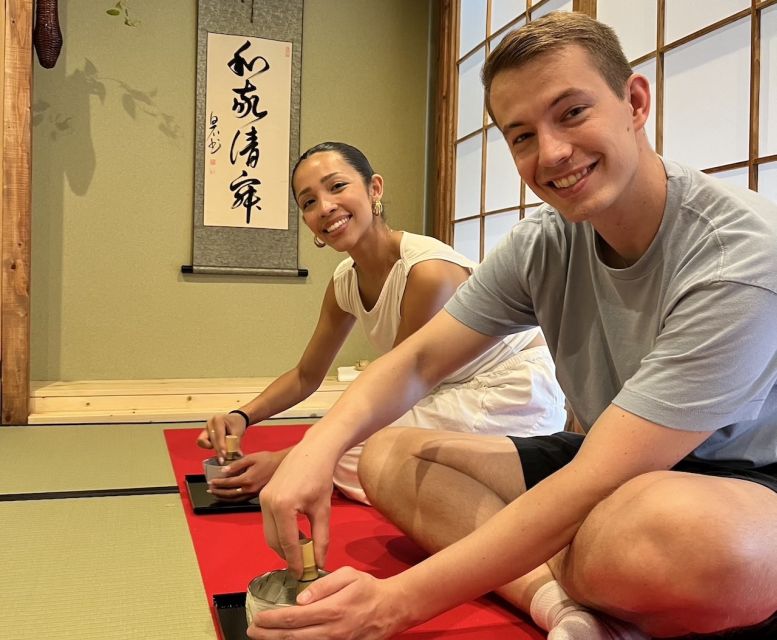
- English-led by Japanese instructors in traditional kimono
- Hands-on matcha making using authentic tea tools
- Peaceful tatami-room setting for a slower pace in busy Osaka
- Seasonal sweets pairing designed to go with matcha
- Demonstration first, so you know what you’re doing before you try
- 45 minutes total, easy to fit between sightseeing plans
Why this Osaka tea ceremony works as a quick culture reset
Osaka is loud in the best way, but sometimes you need a break that isn’t a shopping stop or a fast museum lap. This tea ceremony is short, structured, and intentionally quiet. In 45 minutes, you get a real taste of how Japanese hospitality shows up in small details: how tools are handled, how tea is prepared, and how serving manners create a calmer mood for everyone.
I also like the teaching style. The session is led by Japanese instructors who speak English clearly, so you’re not left guessing what’s happening. You’re also not stuck watching the entire time; you actually make a bowl of matcha yourself after seeing the demonstration.
The sweet part (literally) is that you don’t just get matcha. You also get seasonal Japanese confections made to pair with it. Matcha can be grassy and strong if you’ve only had the bottled stuff. The sweets help you experience why the bitterness and sweetness are often served together.
You can also read our reviews of more tours and experiences in Osaka.
Where to meet: finding the second-floor room near Dotonbori
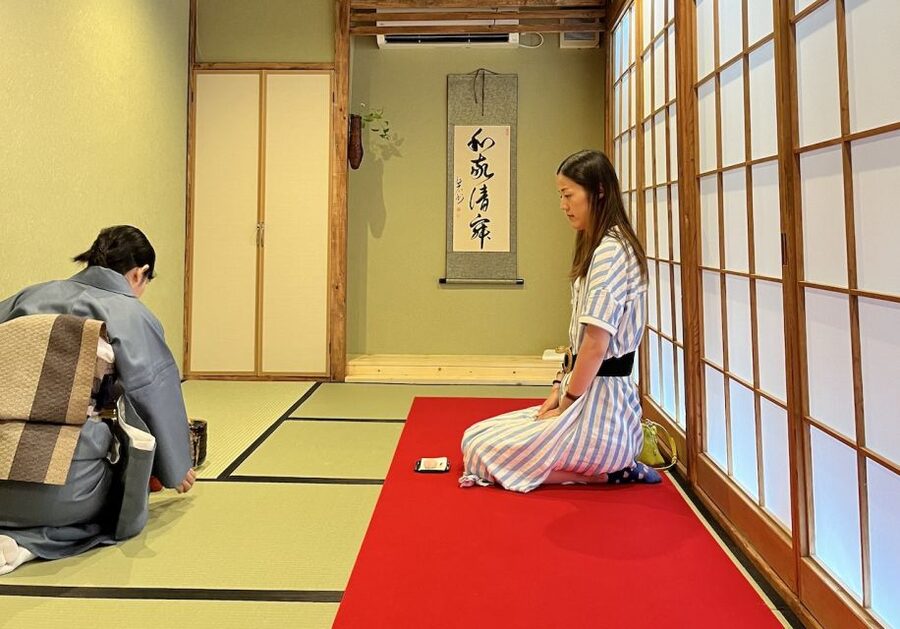
Location matters with this one. The meeting point is in central Osaka, and you should use Google Maps to search for tea ceremony Osaka the osaka. The address listed is 大阪市中央区道頓堀1丁目東5-26, and it’s on the second floor.
Here are the coordinates in case you’re using a map app:
- 34.66885079999999, 135.5063291
A practical tip: arrive with plenty of time, because very occasionally someone may not be able to make it and the schedule can shift. Also, this isn’t the kind of activity where you want to be hunting for the right door at the last minute. Quiet timing is part of the experience.
Welcome and introduction: what you learn before you start
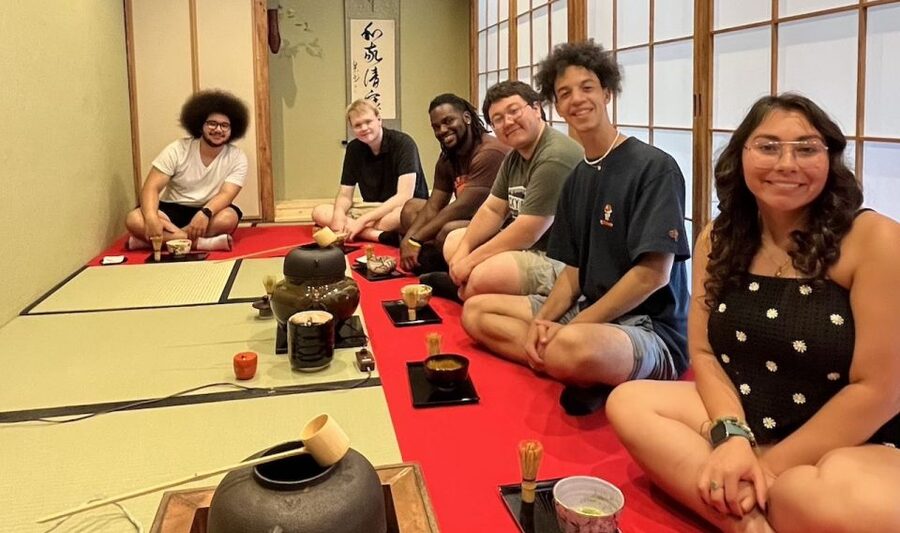
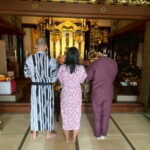
The session begins with a warm welcome in a traditional Japanese room—think tatami, simple spacing, and a soft shift in pace the moment you step inside. Your instructor explains the meaning and history of the tea ceremony before you touch anything.
That intro isn’t fluff. It frames what you’re about to do. Tea ceremony isn’t just about drinking matcha—it’s about attention: to the tools, to the guest, and to the ritual itself. Once you know that, the small actions during the ceremony start to make sense instead of feeling random.
You’ll also get basic manners of tea serving explained. In other words, you learn the “rules of the moment” so you can participate respectfully from the start, even if it’s your first time in a tea room.
The demonstration: how the ritual is paced and why it matters
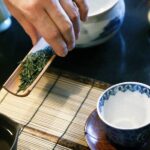
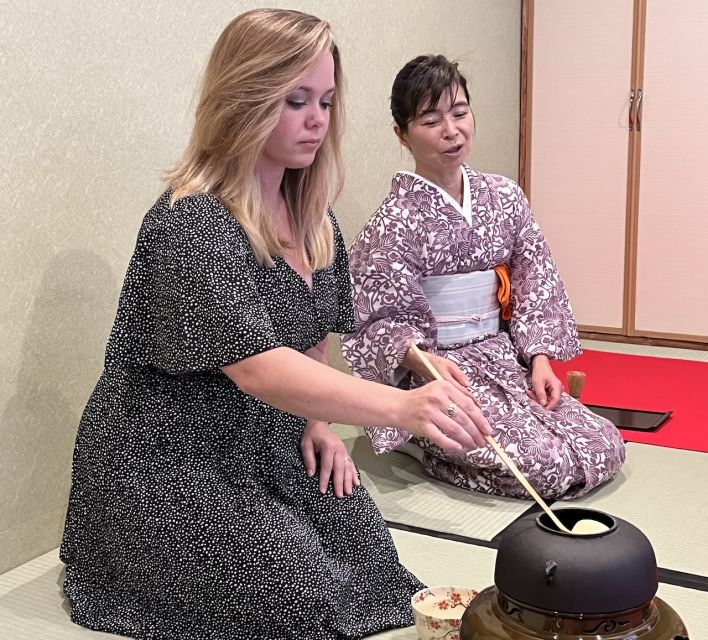
After the introduction, you watch a live demonstration. The instructor shows you how to use the tools and how the steps flow. This is where many people find the most value, because the demo teaches your brain what to expect.
Pay attention to:
- Tool handling: how items are picked up and placed back
- Step order: what happens first and what comes after
- Pacing: the ceremony moves slowly on purpose
The instructor is wearing a traditional kimono, and if there’s an assistant, they’re in traditional attire too. That visual detail isn’t just for show—it reinforces how formal and careful the process is meant to feel.
Because the demo comes before you make your own matcha, you’re not learning blindly. You get to copy the motion, not just follow instructions.
Hands-on matcha making: your bowl, your technique
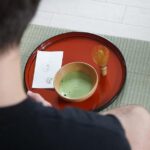
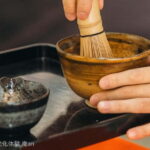
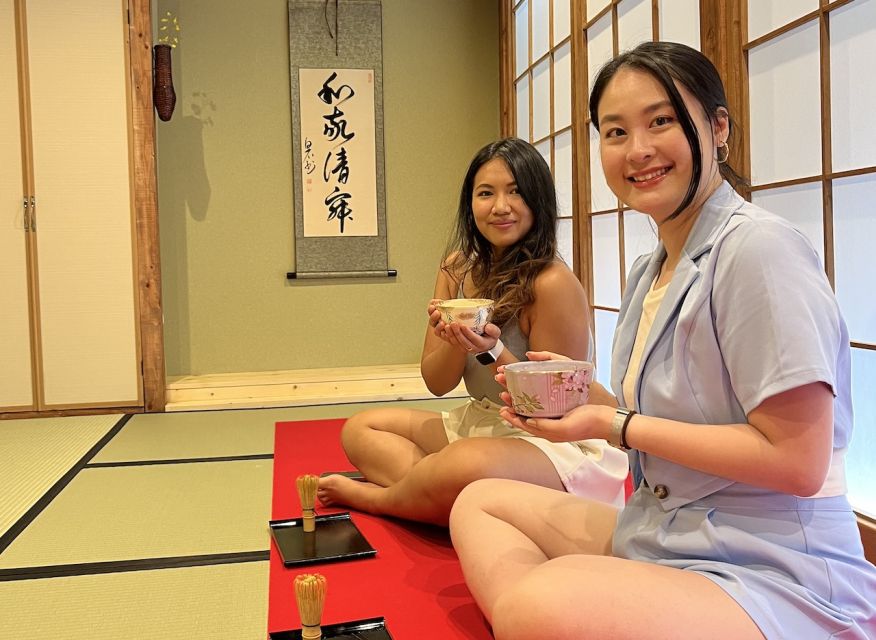
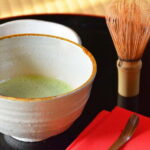
This is the part I consider the main event: you make your own matcha bowl using traditional tea tools. The instructor guides you through the steps, and then you drink what you make.
Matcha isn’t just tea powder. It needs the right approach with the tools, and that’s why having someone show you matters. Even if you mess up a tiny detail, the point is learning the rhythm and method—how you mix, how you handle the whisk, and how you aim for a satisfying bowl.
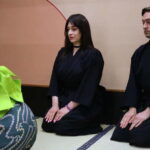
Also, you’re in a peaceful setting. This isn’t a rushed “do it for the photo” moment. You’re seated in a traditional tatami room while you learn. That quiet helps you focus on the process, not the clock.
Once the matcha is prepared, you taste it right away. Many sessions include tasting the tea at least once as part of the ritual, and in some cases you may even get a second chance to drink matcha during the flow. Either way, you leave with a real sensory memory—not just a lesson.


Seasonal sweets pairing: how it changes the matcha
Matcha has a strong character. Even sweet matcha drinks can miss the real thing—freshly prepared matcha can taste more intense, with a slightly bitter edge.
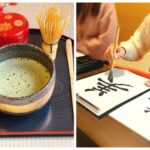
That’s why the seasonal Japanese confections matter. You’ll be served traditional sweets that are meant to pair with matcha. The sweetness and texture can soften the bitterness and make the flavors feel more balanced.
In practice, this pairing helps you understand why tea ceremony treats food like part of the ritual, not an optional snack. You’re learning a Japanese approach to taste: contrast, balance, and restraint.
If you’re curious about Japanese desserts beyond the big-name chains, this is a low-pressure way to try a treat designed specifically for matcha.
About the room rules: what you can and can’t do
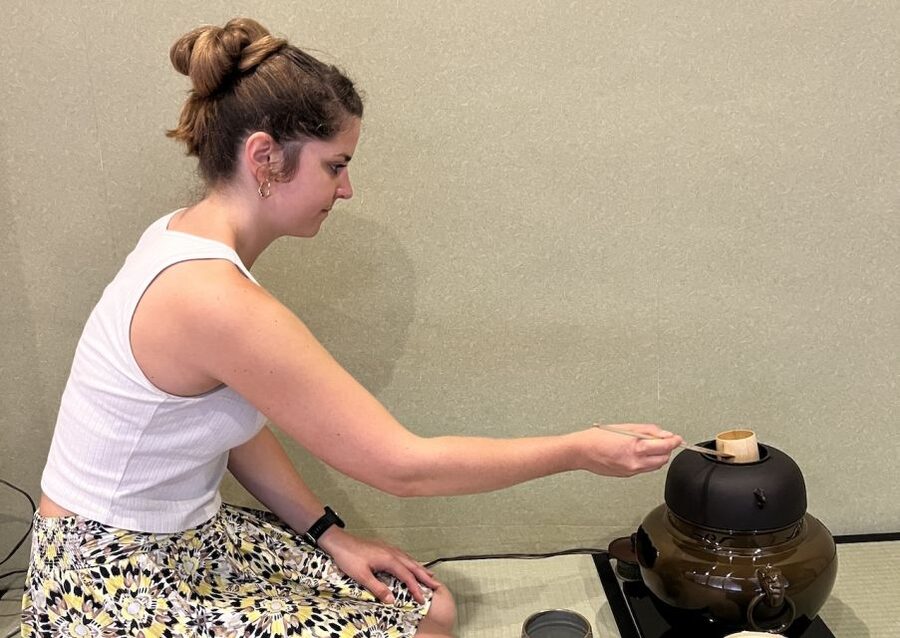
This tea ceremony is quiet by design. The listed restrictions are firm:
- No jumping
- No making noise
- No food
- No baby strollers / baby carriages
So plan for a calm, seated experience. If you’re traveling with kids, it’s especially important to match the age rules. The guidance says entry may be refused for children under 5. If you’re bringing a child aged 5 and above, they need their own ticket. For children under 4, you should contact in advance.
This is also one reason the session feels meaningful. The room stays respectful and focused, which makes learning easier.
Who should book this and who might skip it
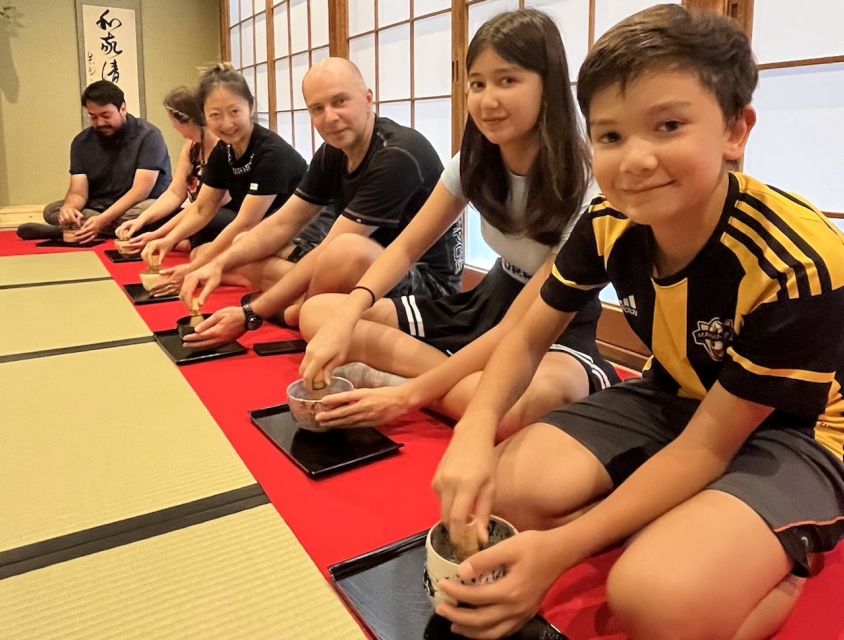
I’d book this if you:
- Want a short activity that still feels authentic
- Prefer learning by doing, not only watching
- Like calm experiences between busier Osaka plans
- Want a clear English guide and a gentle pace
I’d think twice if you:
- Need to eat during the session (food isn’t allowed)
- Want a casual, noisy hangout vibe
- Have a stroller you planned to bring
It’s a strong choice for solo travelers, couples, and small groups who want something quiet and different. And for anyone who loves tea culture in theory but hasn’t had a chance to actually make matcha, this turns curiosity into a skill.
Price and value: is $25 fair for 45 minutes?
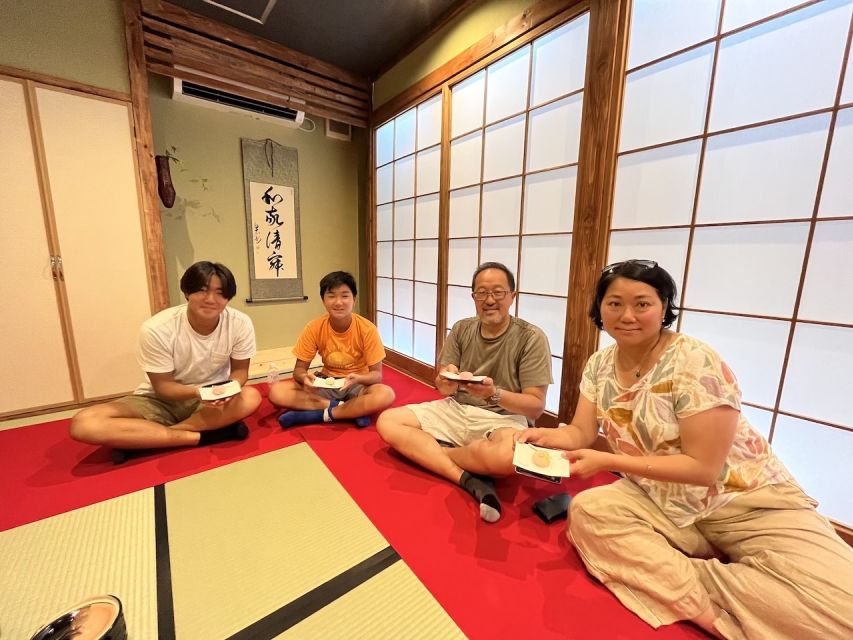
At $25 per person for 45 minutes, this works out as good value because the essentials are included:
- Entrance fee
- Matcha (powdered green tea)
- Confections
You’re also paying for the human part: instruction in clear English from Japanese instructors with many years of experience, plus time spent guiding your hands through traditional tools. In a city where many activities charge extra for “just watching,” this gives you participation—matcha making is the centerpiece.
The other value factor is convenience. You’re not spending half a day getting to the activity or hunting for supplies. It’s a compact cultural stop that still feels complete: intro, demonstration, hands-on making, then tasting matcha with sweets.
Practical tips so you get the best experience
A few things will help this go smoothly:
- Arrive early and confirm the second-floor entrance on arrival.
- Be ready to sit on the floor/tatami style. If you’re sensitive to that, plan accordingly.
- Keep your voice low and follow the room rules. This matters here.
- Come with curiosity. The steps look simple, but the meaning is in the details.
If you’re a matcha fan already, you’ll still benefit because you’ll learn the method, not just the result. If you’re new to matcha, the sweets pairing helps you enjoy the flavor instead of bracing for it.
Final verdict: should you book Osaka tea ceremony?
Yes, if you want a calm, respectful experience that includes real participation. The strongest reasons to book are the hands-on matcha making, the English guidance, and the peaceful tatami setting with seasonal sweets designed for pairing.
Skip it if you’re looking for a casual, food-on-the-go activity, or if your group can’t follow the quiet-room rules. But if you can lean into the ritual, this is an easy way to add something genuinely Japanese to an Osaka day—without burning hours.
FAQ
How long is the Osaka tea ceremony experience?
The experience lasts about 45 minutes.
Do the instructors speak English?
Yes. The host or greeter provides English, and the audio guide is also in English.
Can I watch the ceremony only, or do I make matcha too?
You’ll watch a live demonstration first, then you’ll make your own bowl of matcha using traditional tools, and you’ll drink it afterward.
What is included in the $25 price?
The price includes the entrance fee, matcha (powdered green tea), and confections (seasonal sweets).
Where is the meeting point?
Use Google Maps to search tea ceremony osaka the osaka. The listed address is 大阪市中央区道頓堀1丁目東5-26, on the second floor.
Are strollers allowed?
No. Baby strollers (and baby carriages) are not allowed.
Are children allowed?
The age rules are strict. Children under 5 are not allowed, and children aged 5 and above need their own ticket. If you’ll be traveling with a child under 4, contact in advance.
What are the cancellation and payment options?
You can cancel up to 24 hours in advance for a full refund, and there’s an option to reserve now and pay later.
If you want, tell me your travel dates and whether you’re visiting with kids, and I’ll suggest the best time of day to fit this into a typical Osaka sightseeing day.