REVIEW · CHIANG MAI
Best Places in Chiang Rai White, Blue, Big Buddha, Tea Plantation
Book on Viator →Operated by tourhubasia · Bookable on Viator
Three temples, one long day. If you want Chiang Rai’s wow-factor without the hassle of sorting transport, this day trip is built for exactly that, with a tight plan that hits the White Temple, the Blue Temple, and the giant Buddha complex. I also like the comfort side of it: hotel pickup/drop-off, an air-conditioned vehicle, and a small group that makes the day feel less chaotic. Still, plan for a long day and possible extra roadside stops that can chip away at temple time if you’re picky about what you want to see.
You’ll start early (around 7:15am) and you’re out roughly 11 hours. The best way to enjoy it is to treat it like a highlight reel: great if your schedule is tight, less ideal if you want slow wandering and lots of quiet time at each site.
In This Review
- Key things I’d focus on before you go
- Why this Chiang Rai day trip feels easier than DIY
- Morning setup: pickup, timing, and how the day starts moving
- Stop 1: Wat Rong Khun (White Temple) and its unforgettable visuals
- Stop 2: Wat Rong Suea Ten (Blue Temple) for contrast and scale
- Stop 3: Wat Huay Pla Kang and the giant Buddha complex
- Midday pattern: lunch and the comfort-stop rhythm
- Stop 4: Singha Park tea plantation (and why it’s more than a field)
- The extra stops issue: what to watch for
- Guide quality can make or break a day like this
- Physical comfort tips for an 11-hour temple-and-drive day
- Price and value: what $54-ish buys you here
- Who should book this tour (and who should skip)
- Should you book Best Places in Chiang Rai White, Blue, Big Buddha, Tea Plantation?
- FAQ
- What time does this tour start?
- How long is the day trip?
- Is hotel pickup and drop-off included?
- How many people are in the group?
- Which attractions are included?
- Is lunch included?
- Are the attraction tickets included?
- Is the Long Neck Village included?
- What should I wear for temple visits?
- What if the weather is bad?
- Can I cancel and get a full refund?
Key things I’d focus on before you go
- Small group size (max 12): fewer people means you’re less likely to feel totally herded through the temples
- White Temple + Blue Temple combo: you’ll see two of Chiang Rai’s most famous styles back to back
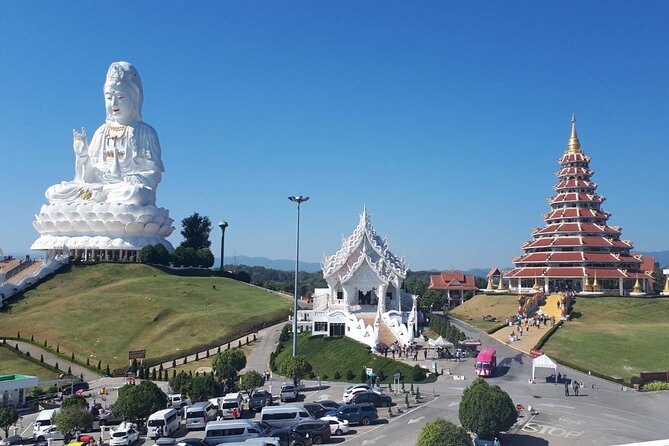
- Wat Huay Pla Kang’s giant Buddha and pagoda complex: it’s a big, visual stop with multiple structures
- Tea plantation at Singha Park: a scenic break that mixes views with a Lanna-style showcase
- Shoe and clothing rules at temples: you’ll need to remove shoes at Wat Rong Khun, so wear easy-to-handle footwear
- Expect a full day rhythm: you’ll be moving, stopping, eating, and moving again
Why this Chiang Rai day trip feels easier than DIY
The practical win here is simple: you don’t have to figure out Chiang Mai to Chiang Rai transport, parking, or how to sequence multiple temple visits in one day. With pickup and drop-off, you’re basically handed a plan and a driver, and you get to spend your energy on looking, not logistics.
The small-group setup also matters more than it sounds. When the group is capped at 12, it’s easier for the guide to manage timing, answer questions, and keep everyone together without rushing everyone into a single-file line. You’ll still be on a schedule, but the pace feels more controlled than the big-bus approach.
One more note: this is a “best-of” itinerary, so it’s not trying to replace staying in Chiang Rai. If you really love temple architecture and want time to sit with it, you’ll get more from a multi-day stay. If you only have a day, this is a sensible way to get the iconic sights without turning the trip into a jigsaw puzzle.
You can also read our reviews of more tours and experiences in Chiang Mai.

Morning setup: pickup, timing, and how the day starts moving
Expect to meet early, around 7:15am, with pickup offered. This early start is what makes the itinerary work. It also helps you avoid some of the later-day crowds and gives you more daylight for photos.
You’ll ride in an air-conditioned vehicle and you’ll have at least one comfort break halfway through the long drive out and back. Lunch is included, and the tour includes an English-speaking guide plus insurance. For most people, that combo is what turns a long-distance day trip from stressful into manageable.
What to wear to avoid headaches:
- Dress in a way that doesn’t feel overly revealing. Temples are strict about this.
- Wear shoes you can easily slip off. At Wat Rong Khun (White Temple), you will be required to remove your shoes before entering.
If you’re sensitive to heat, bring water and plan to keep sipping. Several tour-day complaints in general travel feedback are heat-related, and a morning start won’t eliminate the need for hydration once you’re out in the sun.
Stop 1: Wat Rong Khun (White Temple) and its unforgettable visuals
Wat Rong Khun is famous because it looks like nothing else on the usual Thailand temple circuit. It’s bright, surreal, and a bit strange in a way that’s hard to explain until you’re there. The main thing is the visual impact: lots of white surfaces, intricate details, and a modern-feeling fantasy vibe.
Your time here is about 40 minutes in the planned schedule. In practice, that can feel like enough to see the main areas and get a photo set done, but not enough to wander forever. If you want the best photos, arrive calm, pick your viewpoints early, and don’t wait until the last ten minutes to move.
One practical tip: this is the temple where shoe removal matters most. Make it easier on yourself—slip-on sandals or shoes you can manage quickly save time and stress.
Stop 2: Wat Rong Suea Ten (Blue Temple) for contrast and scale
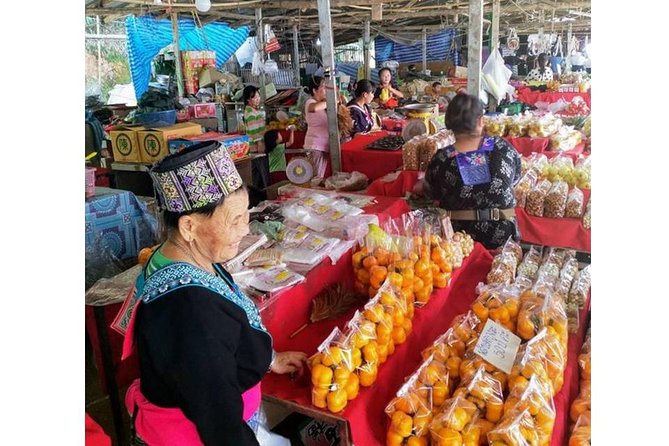
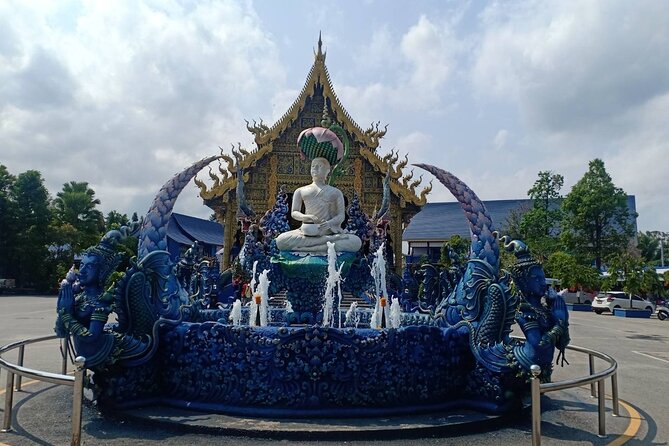
Right after the White Temple, the Blue Temple can feel like a visual reset. Wat Rong Suea Ten is known for its striking sapphire-blue tone and its strong decorative style. It’s still Buddhist temple architecture, but with an artistic look that feels more like a themed art space than a sleepy old shrine.
Planned time is around 40 minutes. Some schedules run tighter here, so if you’re photographing, choose a couple of target angles and focus. You’ll likely have time to walk around and see the key features, but you won’t have a “half-day” experience at this stop.
What I like about placing Blue Temple second: it keeps you from feeling overwhelmed. Your brain processes what you just saw at White Temple, then you get a clear contrast in color, detail, and mood.
Stop 3: Wat Huay Pla Kang and the giant Buddha complex
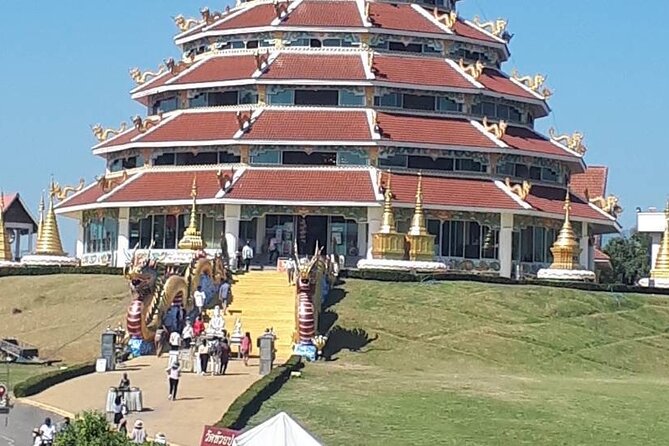
This stop is the one that feels most like a “temple museum complex.” Wat Huay Pla Kang features a nine-floor pagoda, twelve surrounding structures, and a giant Buddha. Even if you’re not the kind of traveler who reads every plaque, these shapes are hard to miss.
You’re allocated about 40 minutes here. Based on how people describe their experience, it can be enough to absorb the main highlights and take in the scale, especially if you move purposefully. If you like big sightlines—wide views, symmetrical buildings, dramatic statue angles—this is a strong match.
A drawback to be aware of: you may want more than one round of photos and slow looking. With a day trip, that luxury is limited. Still, the architecture here gives you a lot to work with even in a shorter window.
Midday pattern: lunch and the comfort-stop rhythm
Lunch is included. From a value point of view, that’s a win because you don’t have to hunt for food after a long drive and temple walking.
Even with a plan, the day usually includes at least one roadside comfort break. Some tour schedules also add short stops like hot-spring areas or coffee/tea garden breaks. The key is to treat these as “reset points,” not the main attractions. If you dislike souvenir stops or quick tourist detours, keep your expectations realistic.
What I’d do if you want to protect temple time:
- Go to the bathroom before you board for the next drive segment.
- Have your water ready so you don’t end up buying drinks at the last second.
- If an extra stop is optional, decide quickly—don’t let indecision eat your schedule.
Stop 4: Singha Park tea plantation (and why it’s more than a field)
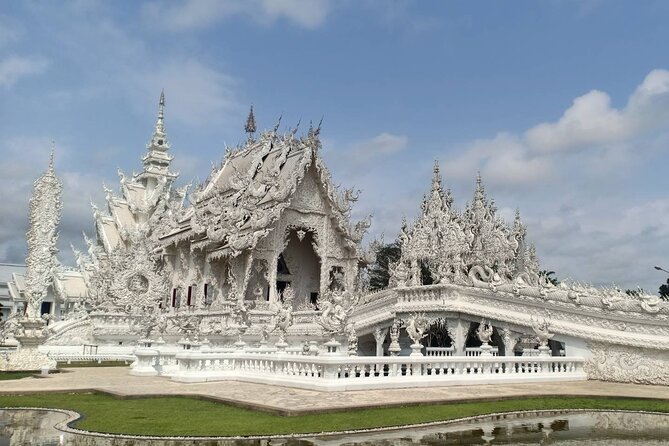
After temples, Singha Park breaks up the day with an outdoor change of pace. Singha Tea Plantation is one of the larger tea plantations in northern Thailand, and the visit is designed as a showcase, not just a quick photo stop.
The planned stop is about 40 minutes, but again, real timing can feel shorter or longer depending on the day. Either way, you’ll see a Lanna-culture style presentation with big built features: a nine-story pagoda, twelve surrounding structures, and a giant Buddha.
The tone here is different from the temples. It’s more scenic and relaxed, and you get a chance to look at the plantation while taking a breath from temple details. It’s a good moment to reset if you’ve been walking and looking for hours.
One detail that shows up in real-world tour chatter: the tea operation is sometimes described with local branding connections (including a mention of Shangrila beer). Even if those brand details aren’t your focus, you’ll still get what matters most: views, a strong visual environment, and the plantation setting.
The extra stops issue: what to watch for
Not every trip will feel identical. Some people report extra roadside stops such as:
- hot-spring area breaks (often more like a viewing stop than an actual soak),
- café stops like Lalita/Lolita-style refreshment breaks,
- souvenir or shop stops.
This is where you need to decide what matters to you. If your top priority is only the temple sites, you may feel that time gets diluted. If you’re okay with quick “reset” breaks and don’t mind looking in shops for a few minutes, the extra stops may not bother you much.
The clearest way to protect your experience is to know about the Long Neck Village situation. This is listed as optional. Still, some tours can include a short pass or a prompt. If you do not want it, say so clearly at the start, and keep an eye on timing so you aren’t stuck waiting.
Guide quality can make or break a day like this
The tour experience depends heavily on the guide’s communication style. English-speaking guides are included, but in real-world outcomes, clarity can vary. People have described guides who explained the sites well and others who didn’t share much context.
On a tight itinerary, explanations matter because they help you recognize what you’re seeing. If you’re the type who likes understanding symbolism and design choices, bring that energy. Ask simple questions on arrival at each stop: what am I looking at, and why does it matter?
Also, guides can influence how smooth the day feels. Several descriptions highlight guides who were friendly and organized, with clear meeting points and time signals. Names like Rainy and Cookie come up in experiences shared by other travelers, and those reports share one theme: the guide helped make the day feel family-friendly and manageable.
Physical comfort tips for an 11-hour temple-and-drive day
Even if you’re in good shape, this is still a long day. Expect:
- lots of sitting in between stops,
- walking through temple grounds and paths,
- waiting briefly for group photo timing or shoe removal routines.
A moderate physical fitness level is recommended. I’d pack like you’re doing a full-day walking itinerary, not just museum hopping.
Practical packing ideas:
- a refillable water bottle,
- light layers for heat,
- socks you don’t mind removing shoes with,
- a small snack if you get hungry between the drive segments.
If you’re heat-prone, choose breathable clothing, and don’t plan to skip water.
Price and value: what $54-ish buys you here
At about $54.59 per group (for up to 1 person in the pricing shown), you’re paying for transportation, driver time, hotel pickup/drop-off, a small-group cap, an English-speaking guide, lunch, and the included attraction fees. That’s the heart of the value.
Could you do Chiang Rai cheaper by DIY? Sometimes, yes. But DIY often costs you time and stress: figuring out routes, paying for multiple rides, and managing your own temple sequence. This tour trades some flexibility for convenience.
Also, temple entrance fees are included for the main stops in the core plan. That matters on day trips, because surprise add-ons are what make DIY feel more expensive once you add it up. Here, you’re budgeting one number and getting the major highlights covered.
Who should book this tour (and who should skip)
This tour fits best if:
- you’re short on time in northern Thailand and want the iconic temples in one day,
- you don’t want to handle transport logistics,
- you like structured itineraries with clear stop timing.
You might want to skip or adjust your expectations if:
- you prefer slow travel and lots of time to linger,
- you hate shop stops and roadside detours,
- you want deep, on-the-spot interpretation at every single monument (a day trip’s timing can limit that).
If you’re traveling with older family members, solo, or as a couple who wants the temples plus a scenic tea break, this is a practical way to turn a long distance into a smooth day.
Should you book Best Places in Chiang Rai White, Blue, Big Buddha, Tea Plantation?
I’d book it if you want a high-impact Chiang Rai day without needing a plan spreadsheet. The combination of White Temple, Blue Temple, and Wat Huay Pla Kang gives you three very different visual experiences, and the tea plantation stop helps break up the intensity.
I’d hesitate if your main goal is quiet, long temple wandering. The day is long, and the schedule leaves less room for lingering. If you book, go in with a mindset of highlights first, questions second, and extra stops last.
If you do book, I recommend you:
- arrive well-rested,
- ask the guide how the time works at each stop,
- be clear about any optional village stop you don’t want,
- wear easy-off shoes for Wat Rong Khun.
FAQ
What time does this tour start?
The start time is listed as 7:15am.
How long is the day trip?
It runs for approximately 11 hours.
Is hotel pickup and drop-off included?
Yes. Pickup and drop-off are offered, which means you don’t need to find a meeting point.
How many people are in the group?
The tour has a maximum of 12 travelers.
Which attractions are included?
The core stops are Wat Rong Khun (White Temple), Wat Rong Suea Ten (Blue Temple), Wat Huay Pla Kang, and Singha Park (Tea Plantation area).
Is lunch included?
Yes. Lunch is included.
Are the attraction tickets included?
Admission tickets for the listed stops are included.
Is the Long Neck Village included?
No. Long Neck Village is optional if you desire to go, and it is not included.
What should I wear for temple visits?
You should avoid revealing clothing. Also, you’ll need to remove your shoes before entering the White Temple.
What if the weather is bad?
The experience requires good weather. If it’s canceled due to poor weather, you’ll be offered another date or a full refund.
Can I cancel and get a full refund?
Yes. You can cancel for a full refund if you cancel at least 24 hours before the experience’s start time.