REVIEW · OSAKA
Premium Kimono Dressing, Tea Ceremony, Calligraphy, Samurai show
Book on Viator →Operated by 道-michi- · Bookable on Viator
This is culture you can touch. At -michi- in Osaka, you’ll do hands-on classics like kimono dressing and calligraphy, all wrapped into a short, well-paced 3-hour program. You’ll also get a tea ceremony experience and a samurai-focused show moment, plus time in a serene courtyard-style setting where photos feel natural instead of staged.
I especially like the way the staff walk you through each step, including what things mean, not just what to do. I also like that you’re not stuck watching from afar: it’s built for participation, from the tea ritual to putting ink on paper. One consideration: the included kimono dressing is Women Only, and samurai armor dressing is not included (and a souvenir cost may apply).
In This Review
- Key highlights to know before you go
- Entering -michi- Osaka: A short cultural block that works
- Kimono dressing in Osaka (Women Only) and the photo-ready courtyard
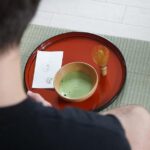
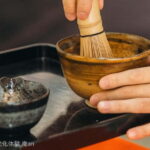
- Tea ceremony and making your own matcha
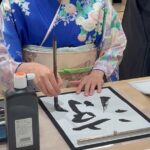
- Calligraphy practice: ink, meaning, and a take-home feel
- Traditional music and the samurai sword show moment
- Optional armor dressing and the souvenir cost you should plan for
- Price and value: is $123.49 a good deal?
- Who should book this Osaka experience
- Should you book? My straight answer
- FAQ
- How long is the experience?
- What activities are included?
- Where does the experience start?
- Is samurai armor dressing included?
- Is this a mobile ticket?
- What is the cancellation window?
Key highlights to know before you go
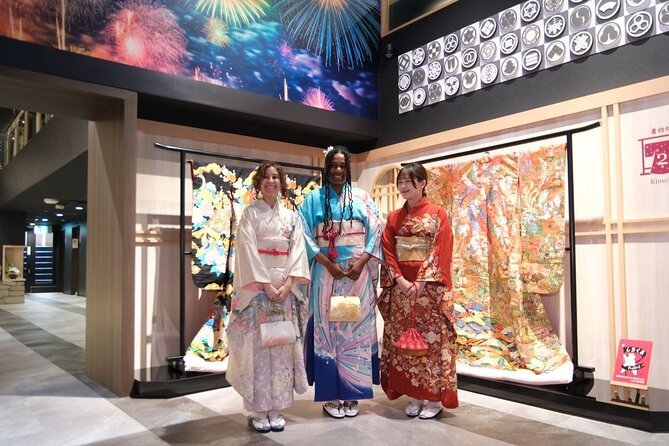
- Women-only kimono dressing is included, with instruction through each step
- Tea ceremony with hands-on matcha preparation is part of the program
- Japanese calligraphy practice with guidance, and a chance to finish your piece neatly
- Traditional music and samurai sword performance add energy to the cultural flow
- Courtyard and historical gallery time makes photos and atmosphere easy to enjoy
- Optional samurai armor dressing is available for an extra cost
Entering -michi- Osaka: A short cultural block that works
This experience is designed for one thing: getting you comfortable with Japanese traditions fast, without needing to plan three separate stops. It runs about 3 hours, which is long enough to learn, try, and take photos, but short enough to fit neatly into a first-time Osaka day.
The session happens at Shinsaibashi ARTY Inn, and the location is near public transportation, which matters in Osaka where you can waste time if you pick a far-off venue. You’ll also get a mobile ticket, so you can keep everything simple and not fuss with printouts.
What I like about the setup is the balance: you get calm, focused activities (kimono dressing, tea ceremony, calligraphy), then a more dramatic cultural performance moment (samurai sword show and traditional music). It feels like stepping into a living cultural studio, not collecting boxes on a checklist.
You can also read our reviews of more tours and experiences in Osaka.
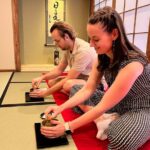
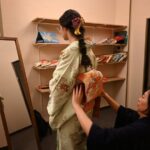
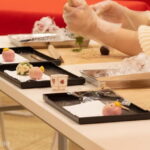
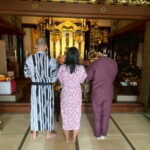
Kimono dressing in Osaka (Women Only) and the photo-ready courtyard
The biggest draw here is the kimono dressing itself, and yes, it’s Women Only for the included portion. If that matches you, this is one of those experiences where the staff basically do the heavy lifting: they help you get into the kimono and guide you through the steps so you’re not left guessing what goes where.
In the best cultural experiences, clothing isn’t just costume. Here, the kimono moment is treated like a real ritual—something you prepare carefully, wear correctly, and then use to slow down and pay attention to the rest of the program. After you’re dressed, you’ll have a chance to enjoy the setting around the courtyard-style space and the historical gallery area, which is perfect for photos because it doesn’t feel like you’re interrupting anything.
Practical note: this is not a casual outfit try-on. Plan to treat the kimono session as the main event of the first part of your visit, with a mindset of learning. If you love taking photos, wear shoes that are easy to walk in before you change, because you’ll want to move comfortably once you’re finished.
Tea ceremony and making your own matcha
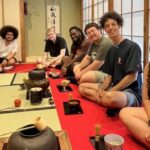
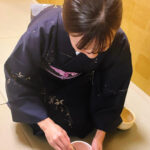
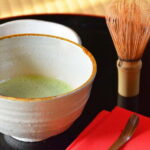
The tea ceremony is included, and it’s not presented like a quick tasting flight. The program includes a chance to create your own matcha, which changes the whole experience from watching to doing.
That hands-on part is where the value lives. You learn the basics of how the ritual works, but you also get to feel the pace: the pause, the careful movements, and the attention to small details. Tea ceremonies are often misunderstood as overly formal or unapproachable. In this setup, you’re guided step-by-step, so you leave with a clearer sense of why the ceremony is structured the way it is.
And because it’s only about 3 hours total, you get the tea experience without the long time commitment that some tea-focused activities require. It’s also a great reset point if you’ve been sightseeing all morning. Sit, focus, and enjoy something quietly Japanese before heading into the more theatrical parts of the show.
Calligraphy practice: ink, meaning, and a take-home feel
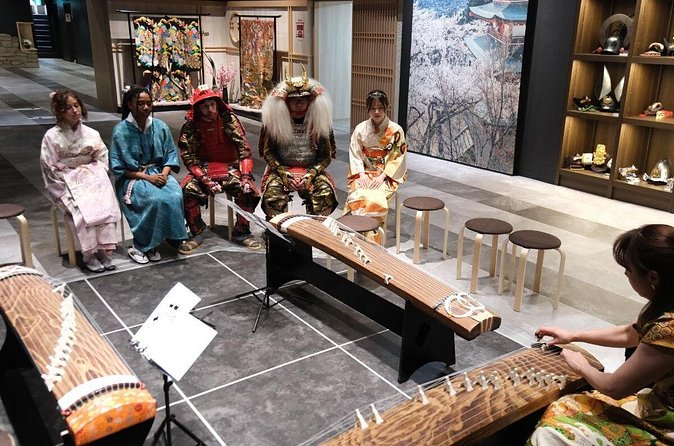
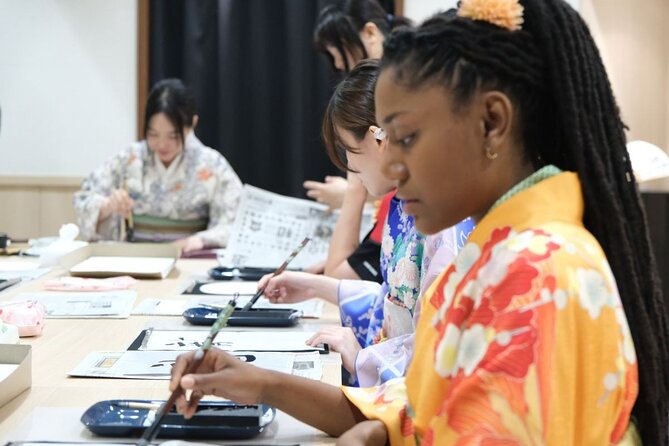
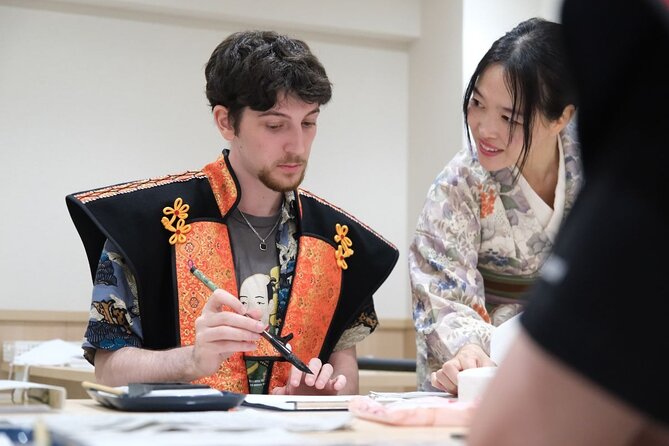
Next up is Japanese calligraphy, another activity that turns passive sightseeing into real participation. The staff guide you through the process, including explanations tied to the meaning behind what you’re doing. That matters because calligraphy can look like art magic if nobody explains the logic. Here, you get the cultural context along with the technique.
The reviews highlight that guests remember the calligraphy lesson as a standout, and I can see why. When you write something yourself—especially with guided instruction—it clicks in a way that photos and museum signs never will. Even if your first strokes are far from perfect, that’s part of the learning curve.
Also, calligraphy is one of those activities that naturally creates a souvenir moment. One guest noted getting their amateur calligraphy efforts framed. Even if you don’t go that far, you’ll still walk away with the satisfaction of having created something with your own hands during your Osaka trip.
Traditional music and the samurai sword show moment
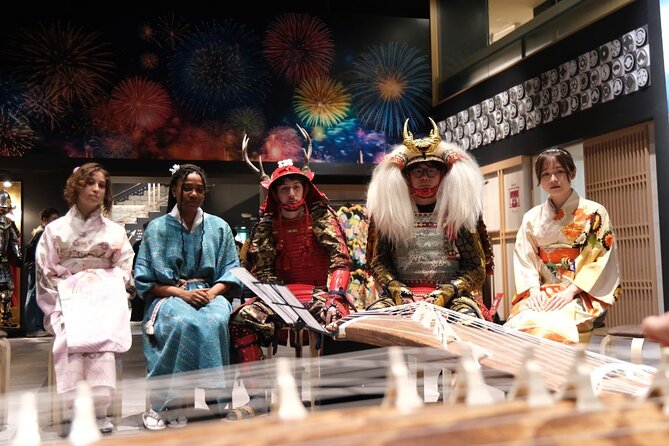
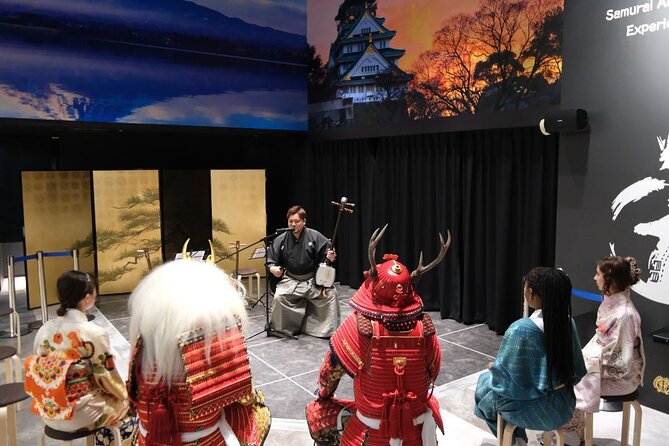
After the calmer learning parts, the program picks up with Japanese traditional music and a samurai sword performance. This isn’t just a background soundtrack. It’s built as an event moment, the kind that helps you remember the day as more than just quiet crafts.
The best part is that the flow supports different traveler moods. If you like structured cultural instruction, you get it during the dressing, tea ceremony, and calligraphy. If you prefer energy and performance, you get that too. And because you’re not just stuck watching, you’ll feel more connected to the action.
This is also where the samurai theme becomes concrete. Osaka has plenty of history you can read on your own, but shows like this turn themes into sensory experience—movement, timing, and dramatic focus. If you’re a first-time visitor and want a broad taste of samurai culture without building a whole itinerary, this is a smart way to do it in a short window.


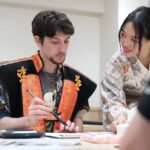
Optional armor dressing and the souvenir cost you should plan for
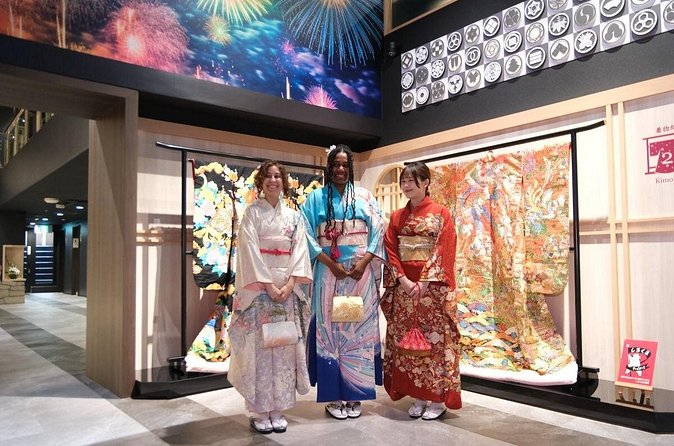
If you’re tempted by samurai armor, here’s the important part: armor dressing is not included in the base package. That means you should expect an extra cost if you want that full armor look.
You should also know that there’s a souvenir cost of ¥10,000 per person listed as not included. Sometimes these costs are for upgraded items, and sometimes they’re tied to how the experience is finished or packaged. The data doesn’t spell out exactly what that yen covers, so I recommend you confirm on-site or when you receive your booking details, so you don’t get surprised at the counter.
Don’t let this scare you off, though. Optional armor can be a major photo highlight, and the program already includes enough core culture to feel complete even without it. Just go in with eyes open: if you want armor, budget for the add-on.
Price and value: is $123.49 a good deal?
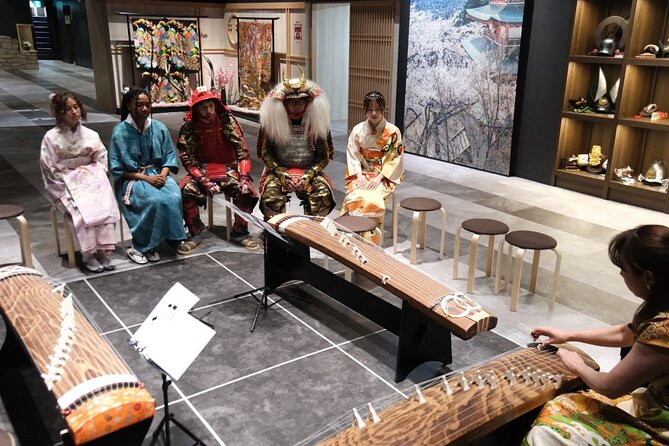
At $123.49 per person for about 3 hours, you’re paying for more than one activity. You’re bundling multiple cultural experiences: kimono dressing (Women Only), tea ceremony (including making your own matcha), calligraphy instruction, plus Japanese traditional music and a samurai performance component.
For value, what matters is not just the list—it’s the guidance. Experiences like this are only worth it when staff help you through details you’d otherwise miss. The reviews strongly emphasize warm, attentive service and explanations of meanings behind what you’re doing, and that’s exactly the difference between a quick photo op and a real cultural lesson.
The price also stays manageable because the program is timed. You’re not paying for a long activity stretching half a day. In a city like Osaka, time is money. A focused 3-hour block can be the difference between seeing one more neighborhood or losing hours to transit.
Just keep your budget honest about extras: armor dressing and the ¥10,000 souvenir cost are not included. If you plan for those possibilities up front, the base price still looks like solid value for a high-touch cultural package.
Who should book this Osaka experience
This is a great fit if you:
- Want an interactive introduction to Japanese culture in one stop
- Enjoy hands-on art and ritual (kimono dressing, tea ceremony, calligraphy)
- Like performance elements like traditional music and samurai sword shows
- Prefer a shorter program that still feels complete (about 3 hours)
It’s also a good option if you like boutique-style attention. Reviews mention staff being warm, helpful, and welcoming, with explanations that make the steps feel understandable instead of intimidating.
One more practical factor: the experience says most travelers can participate. That’s encouraging if you’re not sure how structured activities might work in a different culture. If you have specific needs, you’ll want to check with the provider ahead of time, but the program is built to be accessible.
Should you book? My straight answer
Book it if you want a hands-on Osaka cultural experience where you do real activities, not just watch. The combination of kimono dressing, tea ceremony with matcha, calligraphy, and a samurai performance moment hits a strong balance: calm + craft + show.
Skip or reconsider if you need men’s kimono dressing as part of the included experience, since kimono dressing is listed as Women Only. Also consider your budget if you’re interested in optional armor dressing and the ¥10,000 souvenir cost.
FAQ
How long is the experience?
It runs for about 3 hours.
What activities are included?
Included are kimono dressing (Women Only), the tea ceremony, calligraphy, and a Japanese traditional music performance.
Where does the experience start?
The listed meeting location is Shinsaibashi ARTY Inn in Osaka, near public transportation.
Is samurai armor dressing included?
No. Armor dressing is not included.
Is this a mobile ticket?
Yes, the experience uses a mobile ticket.
What is the cancellation window?
You can cancel for a full refund if you cancel at least 24 hours before the experience start time.