REVIEW · SRINAGAR
Srinagar Old City Heritage Walking Tour with Kahwa Tea
Book on GetYourGuide →Operated by Wildfloc Adventures · Bookable on GetYourGuide
Old Srinagar lanes teach fast. This 3-hour heritage walk from Pather Masjid helps you read Srinagar like a story, with a local historian guiding you through mosques, courtyards, and the layered past behind the streets.
I like two things most: the guide’s architecture + story connections (not just names and dates), and the built-in stop for Kashmiri kahwa where the conversation turns more personal. When the guide explains why certain designs look the way they do, you start seeing the city’s influences moving through time.
One consideration: this is walking through winding alleys, and it’s not suited for low fitness, wheelchair users, or kids under 10. If you’re hoping for a sit-down, stroller-friendly tour, this one won’t match your pace.
In This Review
- Key highlights that make this walk worth your time
- Entering the old city at Pather Masjid
- How the route moves from streets to shrines to history talk
- Khanqah-e-Budshah’s tomb and why Budshah Moala hits different
- Jamia Masjid Srinagar as the finishing point
- Markets, artisan conversations, and the shopping stop (without the pressure)
- Kahwa tea: the break that turns history into hospitality
- What the $32 price buys you in real-life terms
- Group size and language: why max 10 helps
- Who should book this and who should skip it
- Packing and etiquette so the walk stays comfortable
- Should you book this Srinagar old city heritage walk with kahwa?
- FAQ
- Where does the tour start and where does it end?
- How long is the Srinagar Old City Heritage Walking Tour with Kahwa Tea?
- What’s included in the price?
- Is transportation included?
- Are photography and videography permits included?
- What language will the guide speak?
- How big is the group?
- What should I bring?
- Who is this tour not suitable for?
- Is free cancellation available?
Key highlights that make this walk worth your time
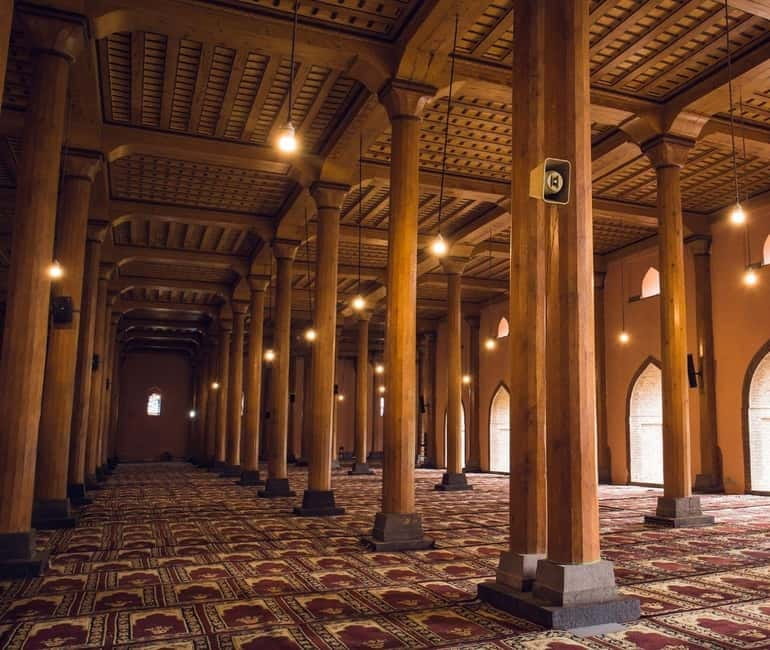
- Small group (max 10): you’ll have room to ask questions instead of getting swept along.
- Start at Pather Masjid, end at Jamia Masjid Srinagar: a route that feels intentional, not random stops.
- Khanqah-e-Budshah’s tomb is a standout: a strong focus for anyone who cares about Mughal-era design details.
- Markets plus quiet courtyards: you get both the street energy and the calmer, reflective spaces.
- Meet local artisans: you’ll see crafts and traditions still being practiced, not only displayed.
- Kahwa tea break: the drink isn’t an add-on; it’s part of the rhythm of the tour.
Entering the old city at Pather Masjid
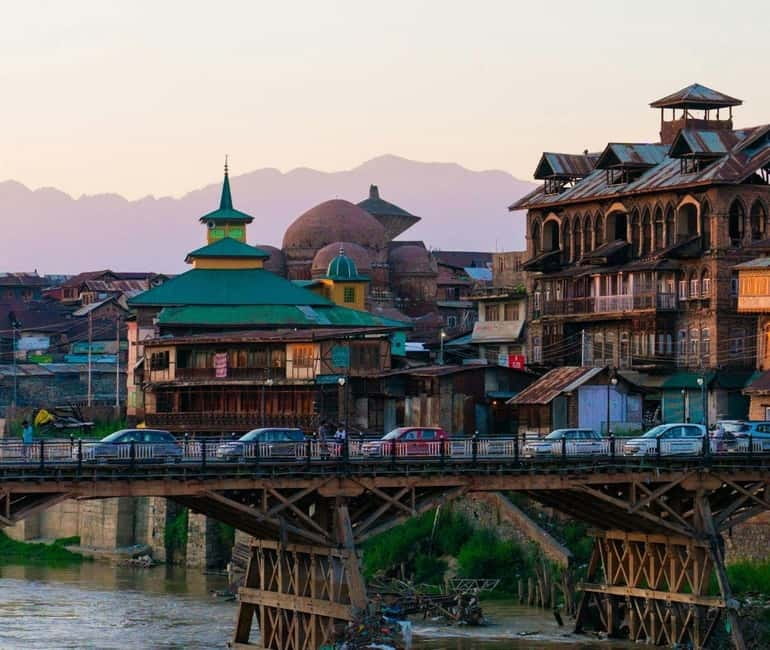
Most sightseeing starts with a big monument. This one starts with something older and closer to daily life: Pather Masjid. From the beginning, the guide frames what you’re going to see as a mix of faith, art, and neighborhood memory. That matters, because Srinagar’s old city doesn’t read like one era at a time.
The first stretch is a guided segment (about 30 minutes). You’re not just standing around; you’re getting a quick way to “map” what you’re looking at—where design choices come from, why certain spaces feel the way they do, and how the city’s influences have changed over centuries. Expect a strong focus on shrines and mosques early on, which helps the rest of the route make sense later.
How the route moves from streets to shrines to history talk
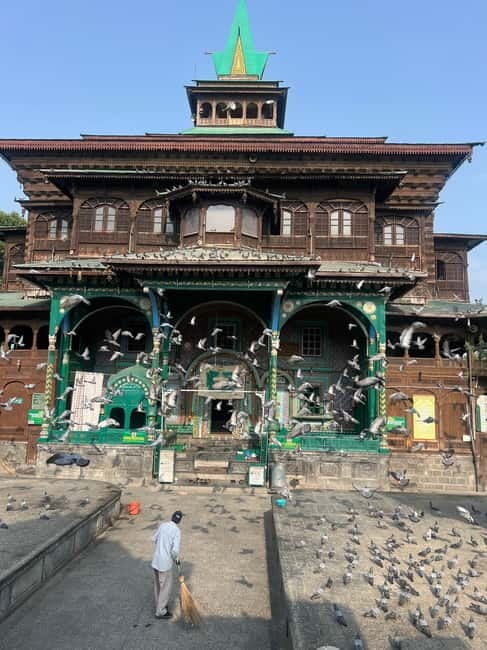
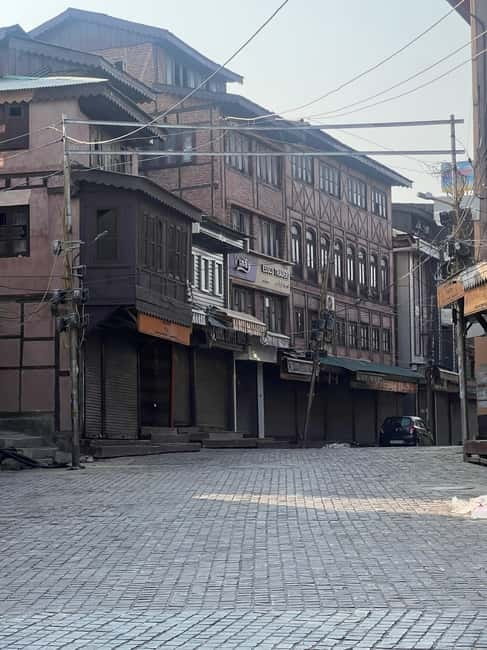
After that first orientation, the tour shifts into walking time—about 10 minutes between the first guided block and the next. This is where you’ll really feel the old city’s scale. Streets tighten. Turns appear suddenly. You start noticing small cues: an entryway, a courtyard wall, the way a space opens after a narrow passage.
Then the guide layers in more story through longer explanations—about 45 minutes for one section, followed by two shorter guided segments (around 30 minutes each). This structure is smart. It prevents the classic tour problem of “too much looking, not enough understanding.” Instead, you watch, walk, then stop to connect what you saw with why it exists.
One practical note: because it’s a heritage walk with multiple guided pauses, you’ll benefit from being comfortable standing for periods and moving at street level. Good shoes make a huge difference here.
Khanqah-e-Budshah’s tomb and why Budshah Moala hits different
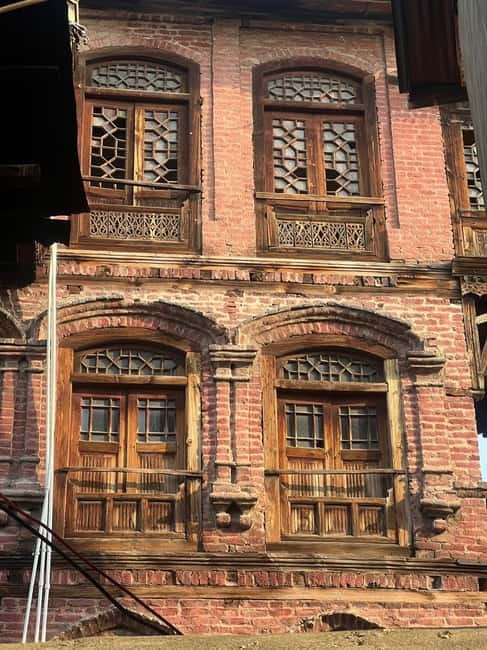
If you care about architecture, one stop gets special attention: Khanqah-e-Budshah’s tomb, also called Khanqah Moala. It’s one of the places where the city’s Persian influence and Mughal-era style show up in ways you can actually notice. Even if you’re not a design nerd, you’ll probably feel the difference—this isn’t just a landmark, it’s a focal point of spiritual storytelling.
What I like about this portion is how the guide ties physical details to the human side of the site: legends, local meaning, and the way people historically understood the space. During this part of the tour, the experience tends to feel less like a lecture and more like a guided conversation, especially when your guide is confident with English, Hindi, Urdu, or Kashmiri.
You’ll also likely hear why the tomb area and the larger Jamia Masjid connection matter to Srinagar’s history across faith communities. The tour’s overall theme is that Kashmir didn’t grow in a straight line—it collected influences: Buddhist and Hindu roots, Persian influence, and later colonial-era layers.
Jamia Masjid Srinagar as the finishing point
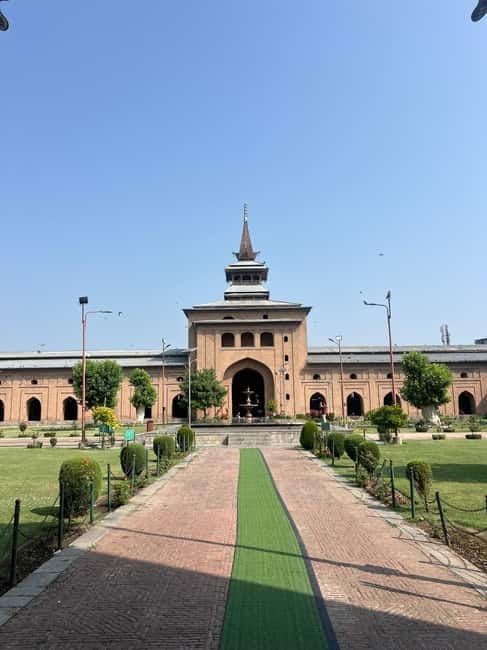
The tour ends at Jamia Masjid Srinagar, and that choice is a good one. Finishing at a major mosque gives the walk a “resolved” feeling: you leave with one big anchor point rather than wandering into the city’s noise and losing your train of thought.
Expect a guided segment here (about 30 minutes). By this time, you’ve already been taught how to notice the clues. So Jamia Masjid doesn’t just look impressive—it becomes interpretable. You understand what you’re seeing, and you can compare it to the earlier shrines and architecture you visited.
It’s also the part of the tour where you’ll likely have the easiest time asking follow-up questions. By the end of a small group tour, people stop clinging to their phones and start listening.
Markets, artisan conversations, and the shopping stop (without the pressure)
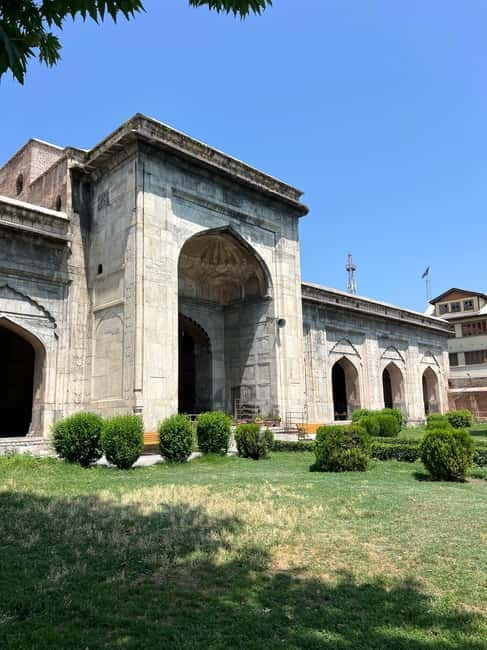
This experience includes time for busy markets as well as quiet courtyards. That balance is underrated. Markets show how people live right now—how old streets still function. Quiet courtyards give you a mental breath, and they also let the guide explain how the sacred and everyday worlds overlap.
You’ll also have a chance to meet local artisans. This is one of the best parts if you care about authenticity. Instead of treating crafts like souvenirs, the guide connects them to age-old practices and living traditions. Even if you don’t buy anything, you’ll likely leave with a better sense of what makes the craft work worth doing.
There’s also a short shopping window (about 15 minutes). It’s enough time to glance and maybe pick up something small, but it’s not so long that you feel stuck. If shopping isn’t your thing, you can keep it light and focus on the stories around what people produce.
Kahwa tea: the break that turns history into hospitality
You don’t just walk and listen here—you stop for Kashmiri kahwa at a local spot. This part works because kahwa is more than a drink; it’s a social pause. The guide usually uses the tea break to bring the conversation closer to local life, not only monuments.
Expect warmth, hospitality, and real talk. You’ll likely find it easier to connect with the guide here, because the mood softens. After hours of moving through alleys and absorbing architecture, a hot cup does something simple: it resets you.
Also, kahwa being included is good value. It’s one less expense, and it saves you from trying to guess where to stop on your own.
What the $32 price buys you in real-life terms
At about $32 per person for 3 hours, you’re paying for four main things: a live guide, a small group format (max 10), multiple stops focused on heritage sites, and the kahwa tea break.
The biggest value is the guide’s ability to connect details—shrines, Mughal-era architecture, temples you might otherwise miss, and the way the markets fit into the story of Srinagar. If you tried to do this alone, you’d either lose the context or spend extra time (and money) figuring out what to prioritize.
One more value point: guides speak English, Hindi, Urdu, and Kashmiri, which makes it easier to get the depth you want without relying on guesswork.
Group size and language: why max 10 helps
A small group isn’t just a comfort perk. It changes how the walk feels. With up to 10 participants, you’re more likely to get answers that match your interests—whether you’re focused on architecture, local legends, or the history behind specific mosques and shrines.
Language support helps too. A good guide doesn’t just translate; they explain. If you’re traveling with limited vocabulary, you’ll still get something out of the experience because the route and the visual clues do a lot of the work.
Who should book this and who should skip it
This walk is a strong fit for history buffs, culture lovers, and curious travelers who enjoy walking and learning on the move. It also suits people who like small-group pacing and a guide who can talk through architecture without turning it into a dry lecture.
It’s not a good match if you:
- need wheelchair access (it’s not suitable for wheelchair users)
- have low fitness or want minimal walking
- are traveling with children under 10
- are pregnant (not suitable)
- rely on wheelchair or visual accessibility support (not suitable for visually impaired people)
If your plan is mostly photo stops from a vehicle, this won’t feel relaxing. The whole point is the walk through the old city’s tight lanes.
Packing and etiquette so the walk stays comfortable
Bring comfortable shoes first—because this is a walking tour through winding alleys. Also pack sunglasses, a sun hat, and sunscreen. Even when you’re not out in direct sun the whole time, you’ll likely spend enough time exposed to make it worth being prepared.
Dress a bit conservatively. The tour rules mention no short skirts and no bare feet, along with bans on intoxication, vaping, and general disruptive behavior. It’s also a good idea to avoid anything that could make you stand out too loudly in sacred spaces.
Photography is something to plan for. Photography and videography permits are not included, so if that matters for your setup, check what you need before you go.
Should you book this Srinagar old city heritage walk with kahwa?
I’d book this if you want more than a checklist of monuments. You’ll get a route that ties together shrines, Mughal-era architecture, markets, and quiet courtyards, plus a genuine cultural pause with kahwa tea. The small group size and multi-language guide make it practical for most travelers who can handle walking.
Skip it if you’re looking for easy sightseeing from a car, or if mobility limitations are part of your trip plan. This is a walking experience with specific site rules and a pace that favors people who can move steadily through narrow streets.
If you like guides who name places clearly and explain how the city’s influences shift over time, this one should satisfy. And if you’re the type who enjoys asking questions, the group size gives you that chance.
FAQ
Where does the tour start and where does it end?
The tour starts at Pather Masjid and finishes at Jamia Masjid Srinagar.
How long is the Srinagar Old City Heritage Walking Tour with Kahwa Tea?
The total duration is 3 hours.
What’s included in the price?
Included items are the guided heritage walk, visits to ancient shrines and forgotten temples, exploration of Mughal-era architecture, time in markets and quiet courtyards, meeting local artisans, kahwa tea at a local spot, and conversations with locals.
Is transportation included?
No. Transport is not included.
Are photography and videography permits included?
No. Photography and videography permits are not included.
What language will the guide speak?
The live guide can speak English, Hindi, Urdu, and Kashmiri.
How big is the group?
The group is limited to 10 participants.
What should I bring?
Bring comfortable shoes, sunglasses, a sun hat, and sunscreen.
Who is this tour not suitable for?
It is not suitable for children under 10, pregnant women, wheelchair users, visually impaired people, and people with low level of fitness.
Is free cancellation available?
Yes. You can cancel up to 24 hours in advance for a full refund.