REVIEW · UVA PROVINCE
Tea Experience Tour in Haputale with Lunch at a Village house
Book on Viator →Operated by Ella Holidays · Bookable on Viator
Tea fields make it easy to fall into the day. This private Haputale experience blends a tea factory tour with a hands-on tea-plucking walk, then finishes with lunch in a village house; the only catch is you’ll want decent weather.
Price is $60 per person for 6 to 7 hours, and you get the kind of rhythm that works well in Sri Lanka’s highlands: move between viewpoints, learn how tea is made, then eat like locals do.
Just plan for walking on uneven plantation paths, and bring layers, since the hills can feel cool even when the valley is warm.
I like that you’re not racing through stops. You actually get time at the places that matter, plus a driver-guide who can slow the day down and point out what you’d otherwise miss. The village lunch also adds real value because it’s part of how tea-country people live, not just how tea gets processed.
In This Review
- Key things I’d focus on before you go
- First stop: Haputale tea factory and what you should pay attention to
- Tea-plantation walk and leaf plucking on Haputalegama Road
- The village-house lunch: where the day turns from tour to lived experience
- How the private vehicle and pickup/drop-off help your day
- Price and value: what $60 buys you in tea country
- Weather, walking, and how to prepare like a pro
- Who this tour suits best (and who might skip it)
- Should you book the Tea Experience Tour in Haputale with lunch?
- FAQ
- How long is the tea experience tour?
- What time does the tour start?
- What is the price per person?
- Is pickup available?
- Is this a private tour?
- What happens at the tea factory stop?
- What do you do during the tea plucking experience?
- What if the weather is bad?
- Can I get a refund if I cancel?
Key things I’d focus on before you go
- A tea-factory visit with real context: You’ll tour the processing side, not just see fields from the road.
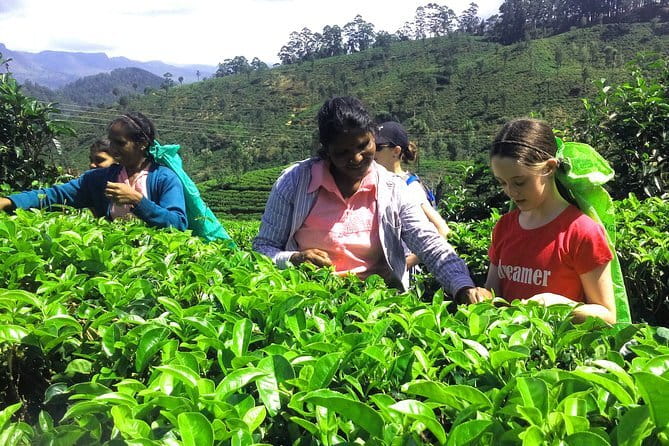
- A short, hands-on tea leaf plucking experience: You try the pace and technique alongside local pluckers.
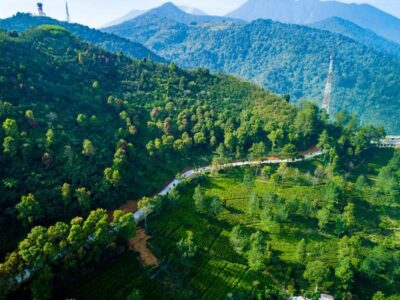
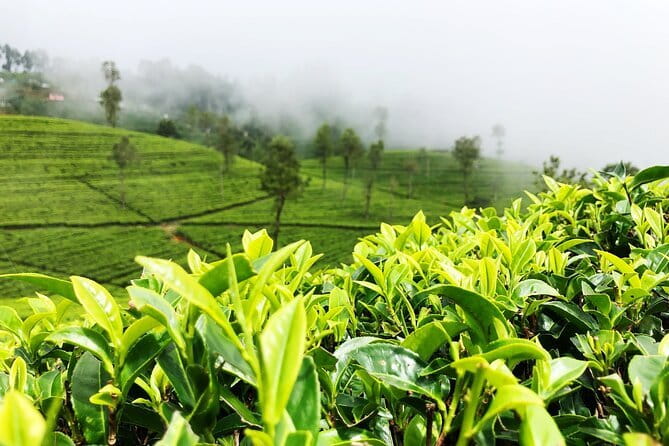
- Time for terraces and tea-row views: You’ll walk through plantation scenery as part of the tea culture theme.
- Village-house lunch: The meal is built into the day, so you don’t have to guess where to eat after the tour.
- Private transport with pickup and drop-off: Easier than figuring out rides between Haputale and the tea areas.
First stop: Haputale tea factory and what you should pay attention to
The day starts with the Haputale tea factory, and this is often where tea tours earn their keep. A factory visit turns tea from a background taste into something you can understand: you see the stages of processing and you learn why leaves change from plant to cup.
Expect about an hour at the factory. That’s enough time to take in the flow of how tea becomes tea, without feeling like you’re standing in one place for the whole day. If your goal is to understand Ceylon tea as a product, this is your anchor stop.
Here’s what I’d watch for when you’re there:
- Ask questions about how different teas are produced and what the factory process can influence.
- Take a moment to look closely at what you’re tasting later. Factory tours work best when you connect the explanation to the cup.
A small practical win: the admission ticket is listed as free for this stop. That helps keep the day’s overall value steadier. The tour also notes that tea tasting is part of the experience, so the factory visit isn’t just sightseeing.
You can also read our reviews of more tours and experiences in Uva Province.
Tea-plantation walk and leaf plucking on Haputalegama Road
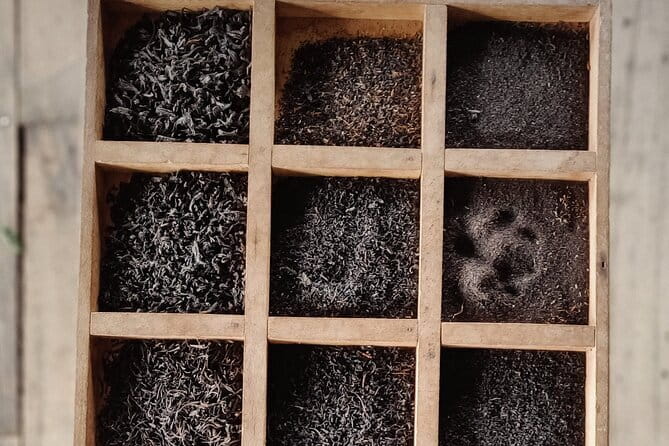
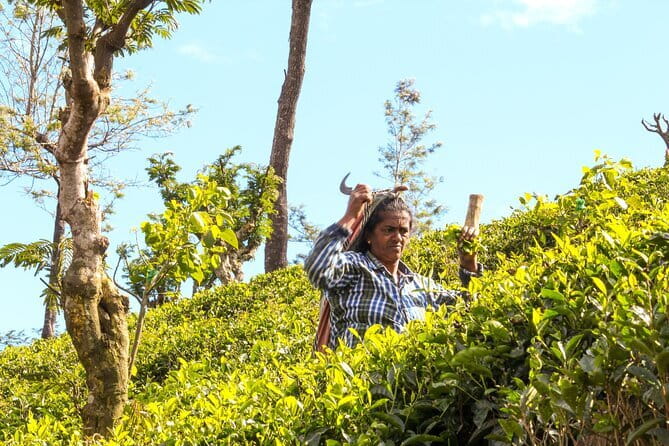
After Haputale, you move to Haputalegama Road for the tea leaf plucking experience with tea pluckers. This is the part many people remember because it’s active. You’re not just looking at tea rows; you’re trying the work that turns fresh shoots into tea leaves.
The plucking session is about 30 minutes. That’s a good length for first-timers. You get enough time to learn the basics and feel what pluckers do, without turning it into an exhausting half-day chore.
A few details make this stop more meaningful:
- You’re working with tea pluckers, so the focus stays practical: what to pick, how to handle leaves, and what matters for quality.
- The tour emphasizes plucking a tea leaf plus a bud, tied to producing premium-quality Ceylon tea. Even if you don’t retain every technical term, you’ll leave with the idea that tea quality starts right here in the field.
If you want to get the most out of the walk, treat the guide as your field translator. In the highlands, people can point out the plants and explain the working life around the tea rows. One of the standout themes from this tour is how attentively the guide can handle questions, and how they’ll often provide small comforts during the walk.
From the reviews shared with this tour, guides named Dinuka (also written as Dino in one message) stood out for being kind and attentive—bringing water and even sweets, and sharing knowledge about the flora and fauna around the tea fields. That kind of care matters because it keeps you focused on the experience, not on fatigue.
The village-house lunch: where the day turns from tour to lived experience
The last major component is lunch at a village house. This is a smart way to end a tea day because it changes your perspective. Instead of thinking only about how tea is processed, you get a taste of highland life and village hospitality.
Lunch here is included in the experience, and it’s positioned as the finish of the day’s tea culture theme. That ordering is important. If you eat early, you might lose energy for the factory and walking parts. If you eat too late, you’re too hungry to absorb the meaning of the meal. Ending with lunch at a village house keeps the day balanced.
What makes a village-house meal valuable is simplicity. You’re not choosing among dozens of restaurant options. You’re eating what locals serve in that setting, and that’s often the most authentic-feeling part of a half-day or full-day tour.
A practical tip for enjoying it: take a slow pace after the tea field walking. Tea-country days can be slightly cool and damp, and your body can feel tired even if the pace isn’t extreme. Plan to hydrate and give yourself a few minutes to settle before you dig in.
How the private vehicle and pickup/drop-off help your day

This tour is private, with a driver-guide and comfortable private vehicle. That matters in Sri Lanka’s hill areas where timing can get tricky. With pickup offered from Haputale, Ella, and other local towns, you avoid the stress of stitching together rides just to reach the tea areas.
The tour runs about 6 to 7 hours, starting at 9:00 am and ending back at the meeting point. That’s a workable duration if you’re basing yourself in or near Haputale or Ella and want one “tea-focused” day without losing your whole afternoon to logistics.
Because it’s private, your schedule stays tighter. It also means you can ask for small adjustments if the guide thinks it helps you enjoy the day better. The guide role is a big part of the value here, especially during the plantation walk when explanation and comfort make the difference between a quick photo stop and a real experience.
Price and value: what $60 buys you in tea country
At $60 per person for a 6 to 7 hour private tour, this is in the mid-range for Sri Lanka hill-country experiences. The real question is not the number—it’s what’s included and how much time you get in the key places.
For this day, you’re paying for:
- Private transport with pickup and drop-off
- A factory tour (about 1 hour)
- A guided tea plucking experience (about 30 minutes)
- Tea tasting as part of the overall theme
- Lunch at a village house
Also note the listed admission ticket is free for the factory stop, which helps you avoid surprise add-ons. And because the tour is private, you’re not stuck sharing attention with other groups in the factory queue or on the plantation walk.
Is it worth it? If you want more than a quick scenic drive and you like the idea of learning the tea process plus doing a field activity, this price usually makes sense. If your main goal is photos and you hate guided experiences, you might decide you can DIY part of the route. But the combination of factory learning, plucking practice, and a village lunch is what makes this feel like a complete day.
Weather, walking, and how to prepare like a pro
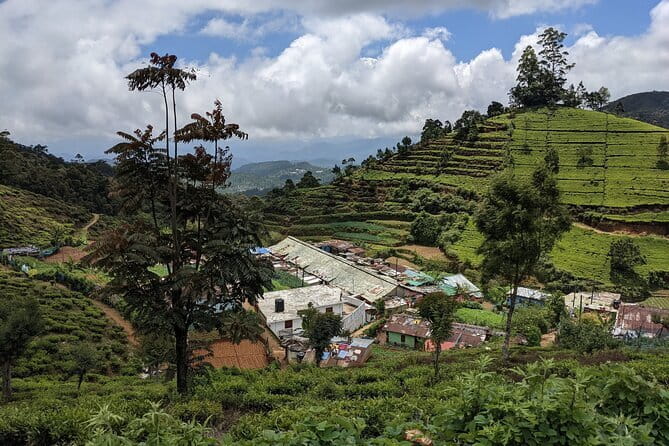
The tour requires good weather. That doesn’t mean it’s cancelled for every cloud. It means conditions need to be workable for the tea areas and the walk.
Plan your packing around these likely realities:
- Wear shoes with grip for plantation paths, which can be uneven.
- Bring a light layer. Hills can feel cooler than you expect, especially in the morning.
- Carry a small bottle of water if you tend to get thirsty. The reviews indicate guides may bring water and small extras, but your habits count too.
Also remember: this is a private tour and service animals are allowed. Most travelers can participate, so this doesn’t come across as an extreme hike, but you should still be comfortable with time outdoors on a farm-like surface.
Who this tour suits best (and who might skip it)
This tour is a strong fit if you:
- Want a clear tea theme in the Haputale region, with both process (factory) and practice (plucking)
- Like guides who explain what you’re seeing while also keeping you comfortable
- Appreciate ending with an included village-house lunch rather than hunting for food after a long day
You might think twice if you:
- Are not interested in tea beyond a casual taste
- Prefer independent travel with minimal guided time
- Have mobility limits that make plantation walking hard
Should you book the Tea Experience Tour in Haputale with lunch?

I’d book it if you want a tea day that feels complete: factory learning, a hands-on field moment, and a village meal that ties the day together. The structure is practical, the timing is reasonable for 9:00 am starts, and the private setup with pickup/departure reduces hassle in Sri Lanka’s hill country.
From the feedback linked to this tour, the guides named Dinuka/Dino stand out for attentive care—small gestures like bringing water, sweets, and tea during the field walk make the experience smoother. If you’re the type who appreciates a guide who pays attention to details, that’s a meaningful reason to choose this over a more generic tea stop.
If you’re in the Haputale or Ella area and you want one day that teaches you how Ceylon tea is made while still showing you what life in the highlands looks like, this is a solid pick.
FAQ
How long is the tea experience tour?
It runs about 6 to 7 hours.
What time does the tour start?
The start time is 9:00 am.
What is the price per person?
The price is $60.00 per person.
Is pickup available?
Yes. Pickup is offered from Haputale, Ella, and other local towns.
Is this a private tour?
Yes. It’s a private tour/activity, so only your group participates.
What happens at the tea factory stop?
You’ll have a tea factory tour in Haputale for about 1 hour, and tea tasting is part of the overall experience.
What do you do during the tea plucking experience?
You’ll join local tea pluckers for a tea leaf plucking experience, including plucking a leaf and bud. It lasts about 30 minutes.
What if the weather is bad?
The experience requires good weather. If it’s canceled due to poor weather, you’ll be offered a different date or a full refund.
Can I get a refund if I cancel?
Yes. You can cancel up to 24 hours in advance for a full refund. If you cancel less than 24 hours before the start time, the amount paid will not be refunded.