REVIEW · KYOTO
Kyoto Matcha Green Tea Tour
Book on GetYourGuide →Operated by Arigato Travel KK · Bookable on GetYourGuide
Uji is where matcha gets serious. This 3-hour Kyoto Matcha Green Tea Tour takes you into the Uji district’s temple streets and tea culture, then lets you taste and make matcha in a way that feels far more hands-on than a standard tea stop. Two things I really like: you get both the World Heritage sightseeing and the food-and-tea part, and the small group size (max 8) keeps the pace relaxed and questions actually get answered. One possible drawback: you’ll need to make it to the Keihan Uji station meeting point on time, because the tour only waits an extra five minutes and there’s no phone guidance once it starts.
I love that the tour doesn’t treat matcha like a souvenir. You’ll see how tea leaves become something drinkable, meet the town’s key landmarks, and try matcha in multiple forms. Guides like Karim and Miki (from recent English tours) are mentioned as being patient, flexible, and willing to explain practical details, like how shrines work and why certain places matter. If you’re the type who wants total freedom to wander on your own, the guided structure may feel a bit tight in 3 hours.
In This Review
- Quick highlights you should care about
- Why Uji is the real matcha address (not just a day trip)
- Keihan Uji station meeting point and the 5-minute rule
- World Heritage time at Uji, including Byodoin Temple
- Tea fields, the Uji River, and a slower pace than central Kyoto
- Hands-on matcha making: from leaf to whisked drink
- Wagashi sweets, matcha soba, and matcha ice cream
- Shopping time without turning it into a hard sell
- The guides make the difference (and you can count on English support)
- Price and value: why $173 can make sense for Uji
- Who this tour is best for (and who may prefer something looser)
- Should you book the Kyoto Matcha Green Tea Tour?
- FAQ
- Where is the meeting point for this tour?
- How strict is the tour start time?
- How long is the Kyoto Matcha Green Tea Tour?
- Is this tour in English?
- How big is the group?
- What’s included in the price?
- What’s not included?
- Are there age restrictions?
- What if I have dietary requirements?
Quick highlights you should care about
- Hands-on matcha making plus tasting, not just watching
- Multiple food stops featuring wagashi, matcha sweets, and matcha ice cream
- Uji World Heritage time, including a standout stop at Byodoin Temple
- A calmer pace in a small group capped at 8 people
- Shopping time built in so you can pick up tea items without rushing
- English live guide who can help with questions in real time
Why Uji is the real matcha address (not just a day trip)
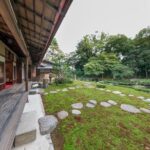
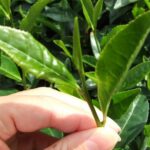
If Kyoto is famous for temples and neighborhoods, Uji is famous for tea. In 3 hours, you’re not trying to “see everything” in Kyoto. Instead, the tour focuses on the Uji district as the heartland of matcha—complete with tea fields to walk past, local shops to browse, and landmark sites that shaped how the area became known for tea culture.
What makes this tour feel worth your time is that you don’t just hear about matcha. You get to experience how it tastes and how it’s prepared. Matcha is one of those things that can be good or disappointing depending on freshness, whisking, and how it’s served. This tour aims to put you on the right side of that curve.
You can also read our reviews of more tours and experiences in Kyoto.
Keihan Uji station meeting point and the 5-minute rule
Logistics can make or break a short tour, and this one is pretty strict. You meet at the entrance of Keihan Uji station (宇治駅), not JR Uji station. Your guide will be holding a sign, and they can wait only an extra five minutes after the start time—then the tour departs.
Two practical tips:
- Plan to arrive a bit early and give yourself time to confirm you’re at Keihan rather than JR.
- Once the tour begins, you can’t rely on calling the guide for directions. So if you’re running late, your best move is to hustle to the meeting point before you need help.
Also note: the tour has no hotel pickup. You’ll be using local transit and meeting the group at the station. If you’re staying farther out of Kyoto City, build in travel buffer time.
World Heritage time at Uji, including Byodoin Temple
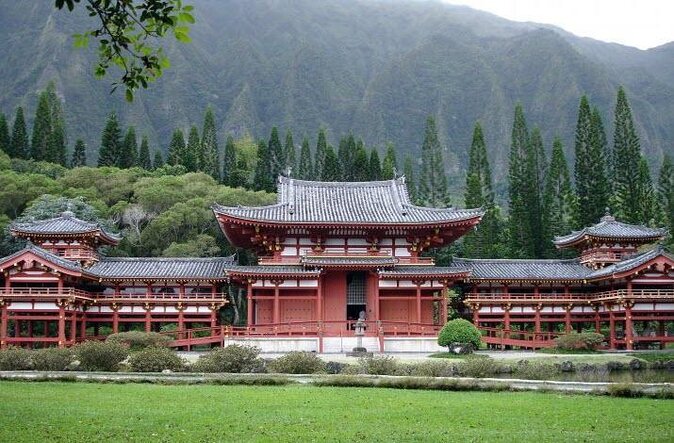
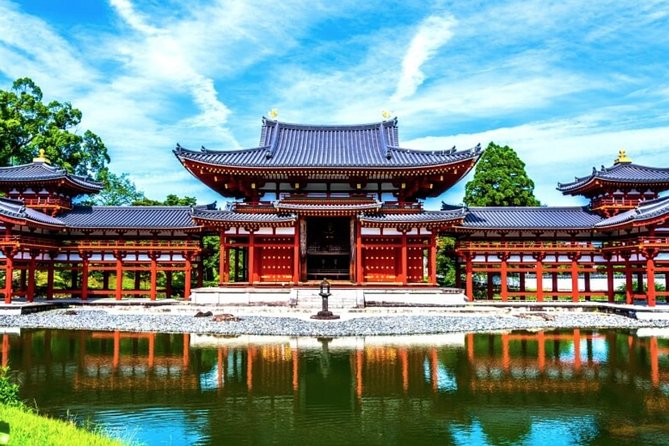
One of the strongest reasons to do this tour is that the tea experience is paired with real sightseeing. You’ll explore Uji’s World Heritage sites and key religious landmarks—meaning you’re learning the context of the tea culture, not just collecting flavors.
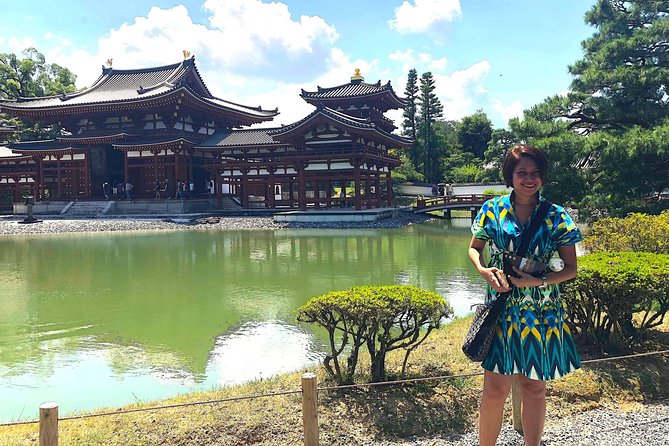
A highlight people talk about is Byodoin Temple, which is widely recognized as a beautiful focal point in Uji. You also visit an older shrine/temple area where the guide explains significance and practical details, including how to participate appropriately. If you like travel that connects food to place, this pairing works well: matcha culture didn’t develop in a vacuum.
And because it’s a small group, you’re not stuck in a giant shuffle. That matters at temples and shrines, where pace and crowd pressure can turn a peaceful stop into a quick photo drill.
Tea fields, the Uji River, and a slower pace than central Kyoto
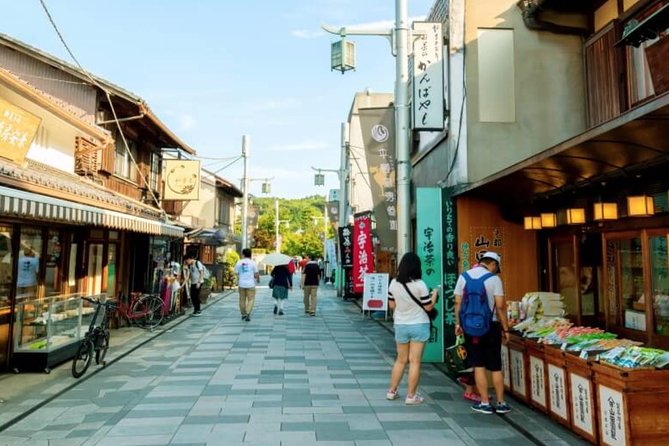
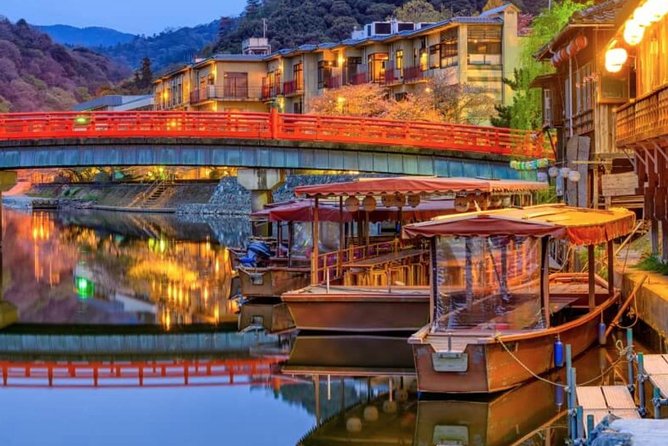
Uji has a different tempo than Kyoto’s busier corridors. On this tour, you’ll spend time walking the district streets, soaking up the calm atmosphere, and moving through areas associated with tea culture—then you’ll hear stories tied to Uji’s past and how the town became what it is today.
The Uji River is part of the experience, and there’s usually a lunch stop in that area. The nice part is that lunch doesn’t feel like an afterthought. It’s tied to the tour’s “eat and learn” style, with matcha featured in the meal options.
This is also a tour that aims to keep you away from peak tourist crush. You still see important places, but the overall rhythm is more like a guided stroll with breaks than a nonstop checklist.
Hands-on matcha making: from leaf to whisked drink
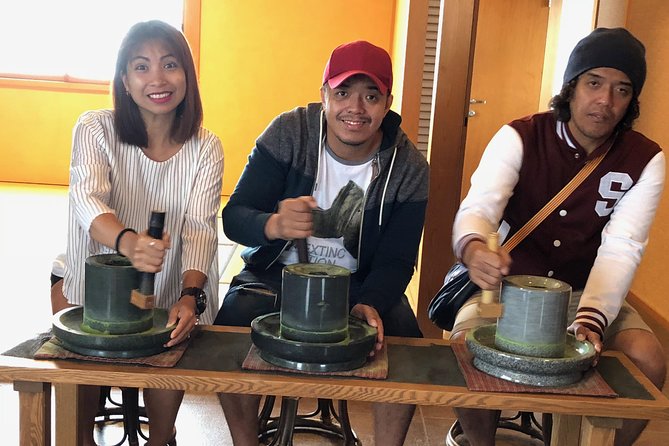
Here’s where the tour earns its keep: you don’t just taste matcha. You get to participate in the process.
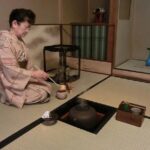
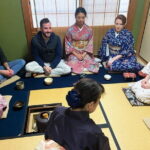
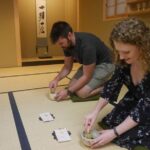
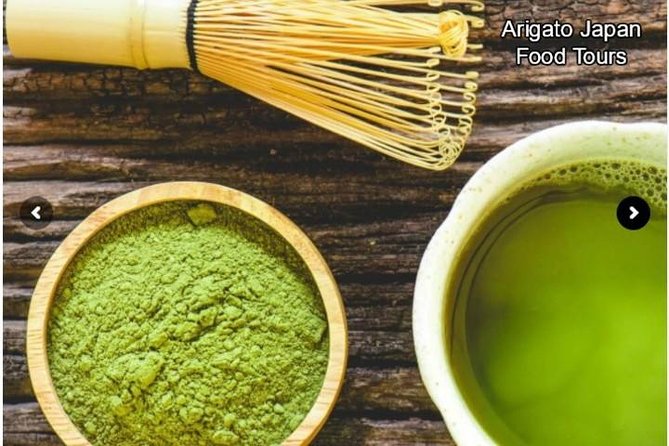
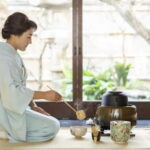
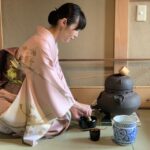
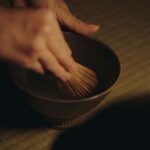
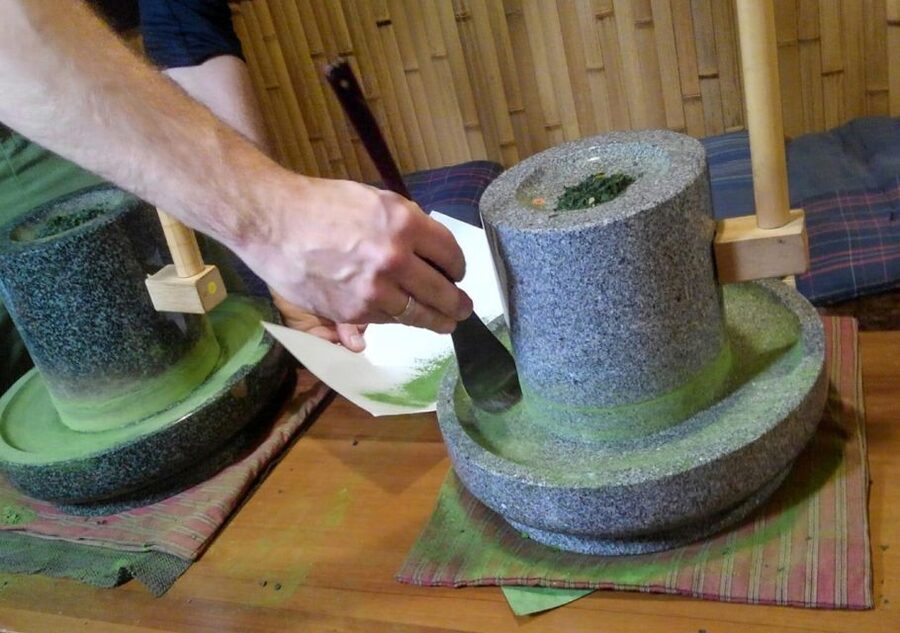
You’ll do matcha making, including components of tea preparation such as grinding tea leaves (you’ll see and learn the steps). Then you move into tasting, where the guide helps you understand what you’re noticing—like the difference between matcha textures and why whisking and serving matter.
This hands-on segment is often where “tea tour” becomes “I actually learned something I can use.” Even if you don’t become a home-barista afterward, you’ll have a clearer sense of what good matcha should feel like in your mouth and how it should smell.
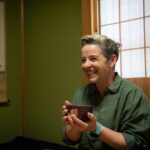
One more thing I like: the guide role isn’t just technical. Many guides on this tour are praised for answering questions and adjusting to the group’s interests. That can make a short class feel personal rather than scripted.
Wagashi sweets, matcha soba, and matcha ice cream
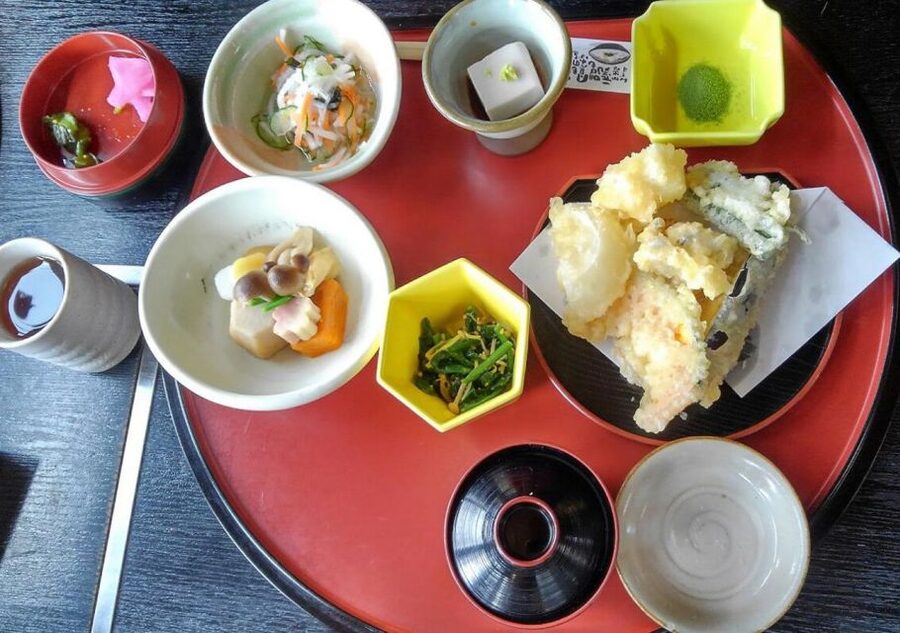
Tea culture in Japan is also food culture, and this tour leans into that. You’ll hit multiple food stops, including wagashi sweets and matcha in more than one form.
In particular, people mention:
- soba lunch (often matched with the tea theme)
- matcha-infused dishes like matcha soba-style items
- matcha ice cream as a memorable finish to the tasting-and-stops section
The goal is to show you that matcha isn’t just a drink. It can be creamy, bitter-sweet, and even lightly roasted depending on how it’s made and paired. And those wagashi sweets are part of the education too: they’re designed to balance flavors with the tea.
One practical note: the tour includes food variety at multiple stops, but drinks beyond what’s included cost extra at your expense (optional purchases). So if you plan to drink something other than what’s covered, budget a little extra.
Shopping time without turning it into a hard sell
You get shopping time, which is a relief if you want tea supplies but hate forced souvenir stops. In Uji, tea shops make it easy to pick up items you can actually use at home—like tins of matcha or related tea tools.
Because the tour has a small group and a scheduled ending window, you’re not stuck feeling like you must buy immediately or lose your chance. You’ll likely feel more confident choosing based on what you learned during the tasting and making part.
The guides make the difference (and you can count on English support)
This is a live English-guided tour, and the small group size (up to 8) helps the guide do more than recite facts. From recent tours, guides such as Karim, Jamelah, Miki, Sanae, Thomas, and Raquel are specifically mentioned as being friendly, flexible, and attentive—especially when it comes to questions and pacing.
A few ways that shows up in real value:
- You get explanations that connect the sights to tea culture
- Guides can help translate or clarify when communication gets tricky
- You can ask about shrine behavior and get practical direction, not just background stories
- If the group needs a quick pause (for timing or needs), it’s easier for the guide to adjust in a small setting
If you’re traveling with kids, the tour rules say unaccompanied minors aren’t allowed, and children must be accompanied by an adult. Also, the tour lists a minimum drinking age of 21, so keep age rules in mind for anything sold separately.
Price and value: why $173 can make sense for Uji
At about $173 per person for 3 hours, it’s not the cheapest thing in Kyoto. But it’s also not just a walk-through tasting. You’re paying for several components bundled together:
- multiple food stops (so you’re not scrambling for lunch)
- matcha tasting
- matcha making (hands-on)
- wagashi sweets and matcha ice cream included
- shopping time built in
- guided visits to important sites, including World Heritage areas
If you tried to recreate this solo, you’d spend time figuring out how to combine sightseeing, food, and a hands-on class. You’d also likely pay separate admission fees, class fees, and end up negotiating your own meal timing. This tour is priced like a packaged experience that removes the planning headache.
So the real value question is simple: do you want guided context plus hands-on matcha making plus guided food sampling? If yes, the price is easier to justify.
Who this tour is best for (and who may prefer something looser)
This tour is a great fit if you:
- love matcha and want to understand what makes it taste different
- prefer guided structure when visiting temples and shrines
- want a day plan that mixes sightseeing with food
- like small groups and the chance to ask questions
You might consider a different style if you:
- hate fixed meeting points and short grace windows
- want a long, independent stroll with no class segment
- need hotel pickup convenience (this tour doesn’t offer it)
- are traveling with someone who needs special support that isn’t mentioned in the tour notes
If you have dietary needs, tell the supplier at booking so they can advise. The tour data explicitly asks you to do that in advance.
Should you book the Kyoto Matcha Green Tea Tour?
I’d book it if you want your Uji visit to feel purposeful: World Heritage sights, tea culture context, and hands-on matcha making, all in a tidy 3-hour window. The small group size and English live guide are big wins, and the included matcha making plus tasting plus sweets makes it more than a casual stop.
Skip it (or at least rethink it) if the Keihan Uji station meeting setup will be stressful for you. With no hotel pickup and only a five-minute waiting window, this tour rewards planning. Also, make sure you’re comfortable with the tour’s age rule note of a minimum drinking age of 21 and the rule that minors must be accompanied.
If you’re ready for a calm Uji-style morning or afternoon that ends with real matcha knowledge (not just a cup), this is an excellent choice.
FAQ
Where is the meeting point for this tour?
You meet at the entrance of Keihan Uji station (宇治駅), Otsukata Uji, Kyoto 611-0021. It is important that this is the Keihan station entrance, not the JR Uji station.
How strict is the tour start time?
The guide can wait an additional five minutes after the starting time. After that, the tour departs. Once the tour begins, the guides can’t be contacted by phone for directions.
How long is the Kyoto Matcha Green Tea Tour?
The tour lasts 3 hours.
Is this tour in English?
Yes. The tour has a live guide in English.
How big is the group?
The tour is small group sized, limited to 8 participants.
What’s included in the price?
Included features are multiple food stops with variety of dishes, matcha tasting, matcha making, wagashi sweets, matcha ice cream, and shopping time.
What’s not included?
Not included are hotel pickup, gratuity, transportation costs, and additional drinks or food (these may be purchased at your own expense).
Are there age restrictions?
Unaccompanied minors are not allowed. Children must be accompanied by an adult. The tour also lists a minimum drinking age of 21.
What if I have dietary requirements?
You should advise the supplier of any specific dietary requirements at the time of booking.