REVIEW · KYOTO
Kyoto: Tea Ceremony, in traditional Japan house (ENG/ES/NLD)
Book on GetYourGuide →Operated by LAMBDA CUBE LLC · Bookable on GetYourGuide
Kyoto’s tea ceremony feels like a small pause button. In this one-hour session you’ll learn what sadō/chanoyu actually is, then whisk your own matcha in a small group inside a real old house with a tiny garden view.
What I like most is how casual and question-friendly it is, and how you’re not just watching—you’re doing. There’s also English/Dutch/Spanish support so the key ideas land clearly. One thing to consider: the ceremony usually involves sitting in seiza (kneeling on the floor), which can be uncomfortable if your knees don’t love it.
In This Review
- Key Points You’ll Care About
- Tea Ceremony in Kyoto, Without the Stuffiness
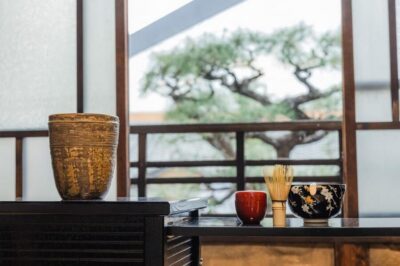
- A Traditional House, Plus Garden Views and Seasonal Details
- How Your One-Hour Experience Actually Flows
- 1) Welcome and Tea Ceremony Context
- 2) The Teacher Performs a Ceremony for You
- 3) You Taste Matcha with Japanese Sweets
- 4) You Whisk Your Own Matcha Bowl
- Matcha and Sweets: What to Expect (and What to Watch for)
- Seiza Seating, Socks, and Comfort Tips That Save Your Trip
- Languages Matter: English, Dutch, and Spanish Options
- Price and Value: Is $45 Worth It?
- Who Should Book This Kyoto Tea Ceremony?
- Getting There: Near Shijo Omiya and Across From Shinrenji
- Should You Book It? My Decision Checklist
- FAQ
- How long does the Kyoto tea ceremony experience last?
- How many people are in the group?
- Which languages are available?
- Do I need to bring socks?
- Can I drink other beverages during the ceremony?
- Is matcha included, and can I skip it if I’m sensitive to caffeine?
- Where do I meet the guide?
Key Points You’ll Care About
- A 100-year-old house with a garden view gives the ceremony a lived-in, calm feel.
- Max 6 people means you can actually see, ask questions, and not feel rushed.
- Watch first, then whisk your own matcha bowl (the hard part is the timing and wrist motion).
- Seasonal flowers, a hanging scroll, and changing utensils/sweets keep it feeling specific to the day.
- Socks are required and barefoot isn’t allowed, so pack accordingly.
- Matcha is caffeine-heavy, so you’ll need to skip the tea if caffeine is a no-go for you.
Tea Ceremony in Kyoto, Without the Stuffiness
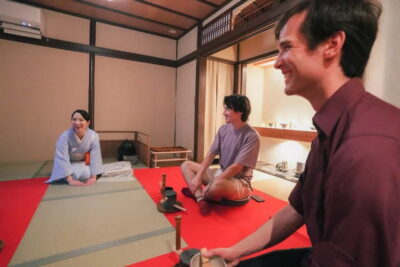
Kyoto tea ceremony gets talked about like it’s untouchable. This experience makes it human. You’re in a traditional home setting, but the vibe stays relaxed enough that you can ask questions as you learn what’s happening and why it matters. That shift is important: tea ceremony isn’t only about drinking matcha. It’s a whole way of paying attention—how you move, how you set the space, and how hospitality is built into the ritual.
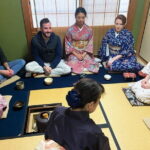
I also like that the group stays small—up to 6. That size changes everything. You can see the utensils clearly during the demonstration, and the instructor can address your questions without turning the session into a lecture hall.
The possible downside is practical: the classic seating is seiza. They do offer chairs if you need them, but the default is still kneeling. If you know you’ll struggle, plan for a chair request ahead of time and bring the right footwear (more on that below).
You can also read our reviews of more tours and experiences in Kyoto.
A Traditional House, Plus Garden Views and Seasonal Details
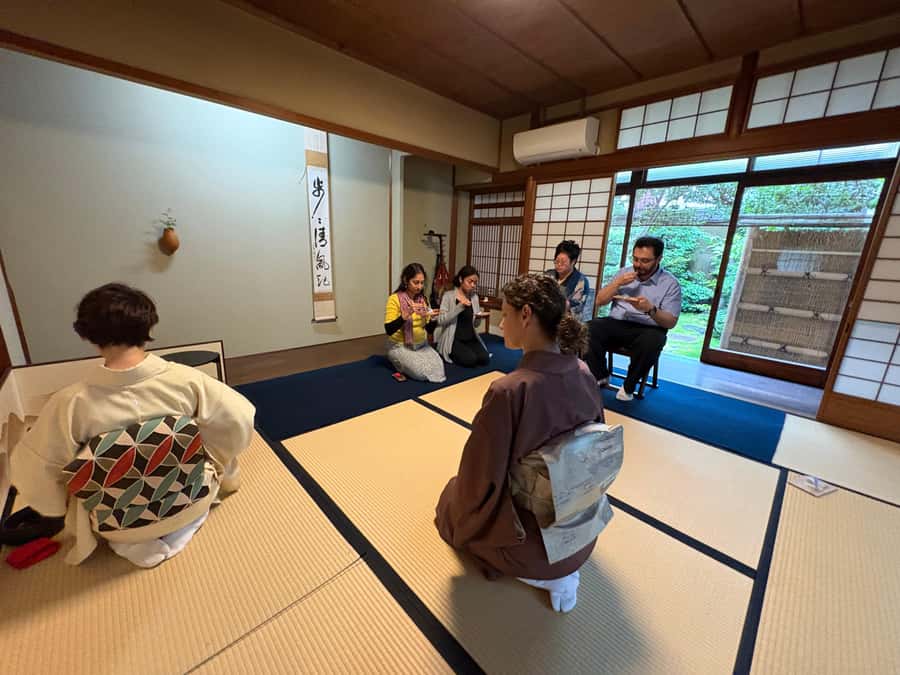
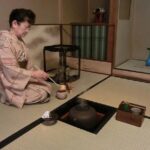
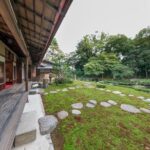
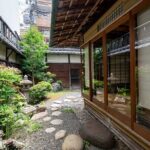
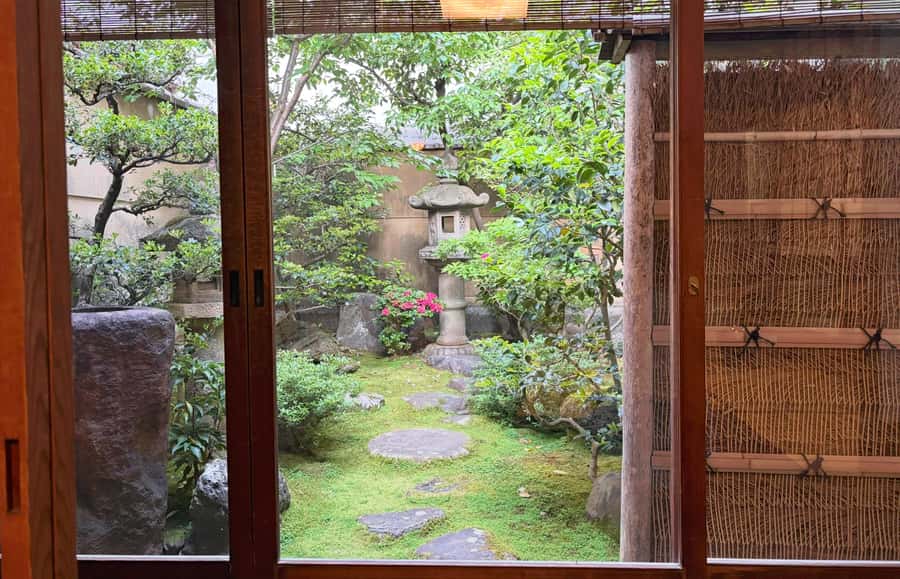
The ceremony happens in a house that’s about 100 years old. The building has a story: it used to belong to a family that sold kimono fabrics, and later they got connected to the temple across the road. The tea room itself was kept as part of the original house because the family enjoyed tea ceremony.
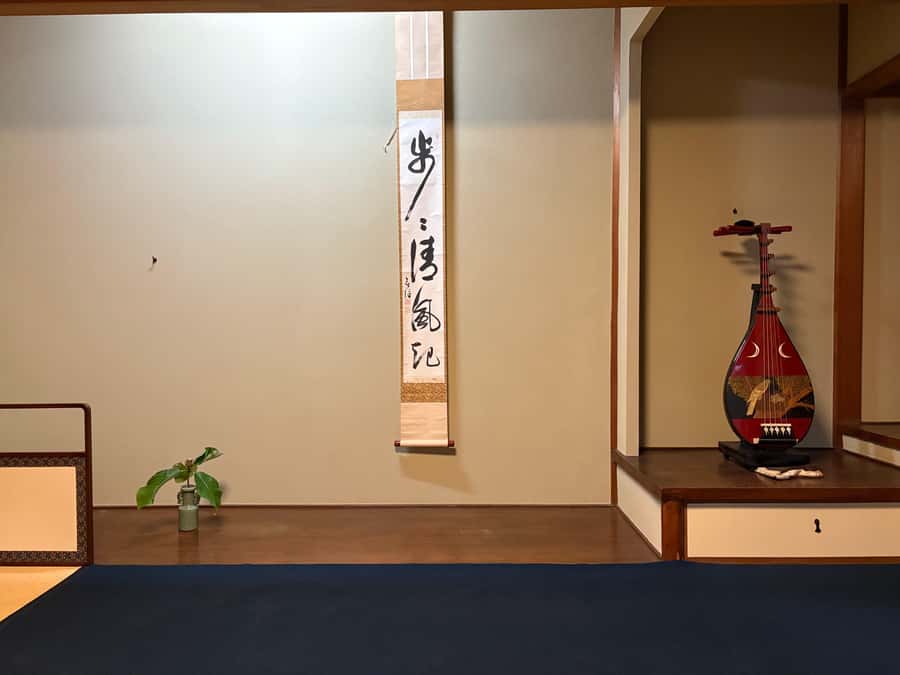
Inside, you’ll notice the room is dressed for the season. There are seasonal flowers, plus a hanging scroll with seasonal sayings. It’s not just decoration, either—it reinforces the idea that tea ceremony tracks the calendar and the mood of the moment.
Even the utensils and sweets change depending on what’s available seasonally. That’s one reason this doesn’t feel like a factory show. You’re seeing the ceremony as it’s actually practiced, not only as a one-size-fits-all performance.
And yes, you can take pictures and videos during the experience. That helps you remember the details—especially the utensils—without feeling like you’re stealing the moment.
How Your One-Hour Experience Actually Flows
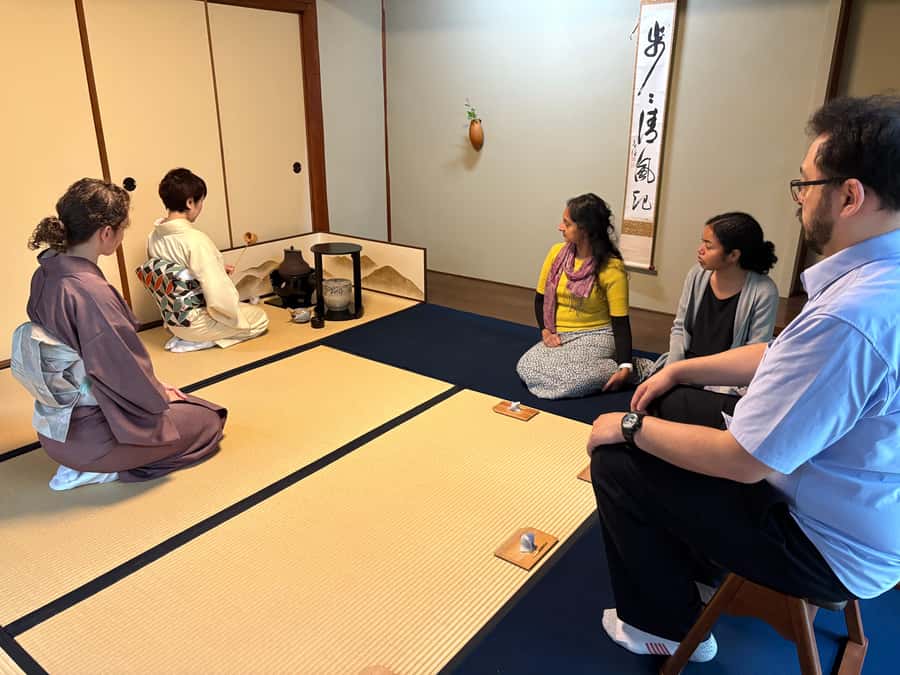
This is a 1-hour experience built around a clear rhythm: introduction, demonstration, taste, and hands-on practice.
1) Welcome and Tea Ceremony Context
You’ll start with an introduction to tea ceremony—what it is, and what you’re actually watching. They’ll explain the tea room setup and the logic behind the steps. If you’ve heard terms like sadō or chanoyu, this is where they make sense in plain language.
The instructor is a Japanese tea teacher with 50 years of experience. And to help it click, there’s language support: English speakers are available, and Spanish support is available upon request.
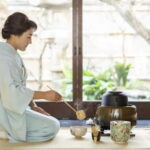
2) The Teacher Performs a Ceremony for You
Next, you’ll watch the ceremony being done. This is the moment to slow down. The small group setup matters here—you’ll be close enough to track the utensils and the pacing, not craning your neck.
The atmosphere stays casual, so if you don’t understand a step, ask. The point isn’t to memorize choreography. It’s to understand what each movement communicates.
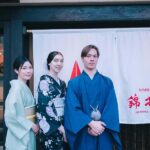
3) You Taste Matcha with Japanese Sweets
After watching, you’ll drink matcha tea served with Japanese sweets. The experience includes two sweets: one seasonal and one smaller sweet.
Many sweets include anko (sweet red bean paste), and they’re made to order. The menu isn’t flexible in the moment—there won’t be other sweet options—so if red bean isn’t your thing, it’s good to know before you go.
4) You Whisk Your Own Matcha Bowl
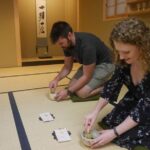
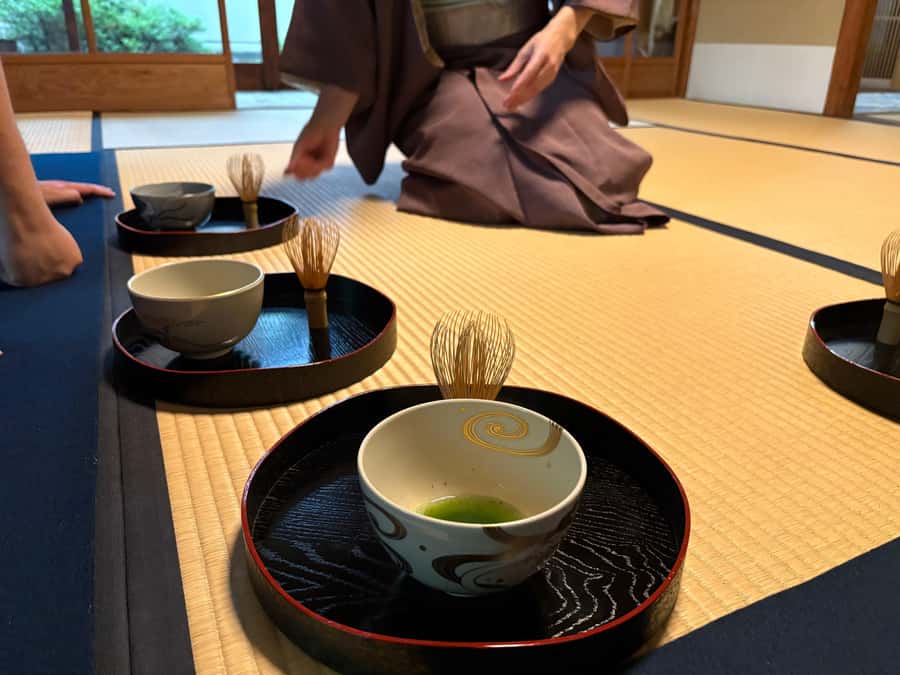
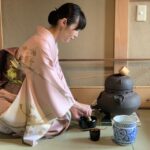
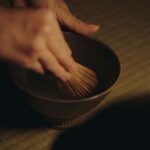
Then comes the fun part: you whisk your own bowl of matcha. You’ll first have one bowl prepared by the teacher, and then you prepare a bowl yourself. Whisking is harder than it looks. Your wrist motion and tempo matter, and it takes focus in a good way—like attention training with sugar.
If your group doesn’t fill the max size, the ceremony may finish sooner. That’s simply because tea preparation takes less time for fewer people.
Matcha and Sweets: What to Expect (and What to Watch for)
Matcha is the center of this experience, and the tea is served as more than a sip. You’ll drink two bowls total—one prepared by the teacher and one you make yourself.
One important reality check: matcha contains a lot of caffeine. If you cannot have caffeine for medical reasons, you won’t be able to consume the matcha tea during the session. The experience is structured around tasting and making matcha, so skipping the tea isn’t really an option built into the program.
As for the sweets: you’ll get a seasonal Japanese sweet plus a small additional sweet. Most of the sweets served contain anko, and they’re made to order. No other sweets are available, so this is best if you’re okay with red bean paste or at least open to it.
Seiza Seating, Socks, and Comfort Tips That Save Your Trip
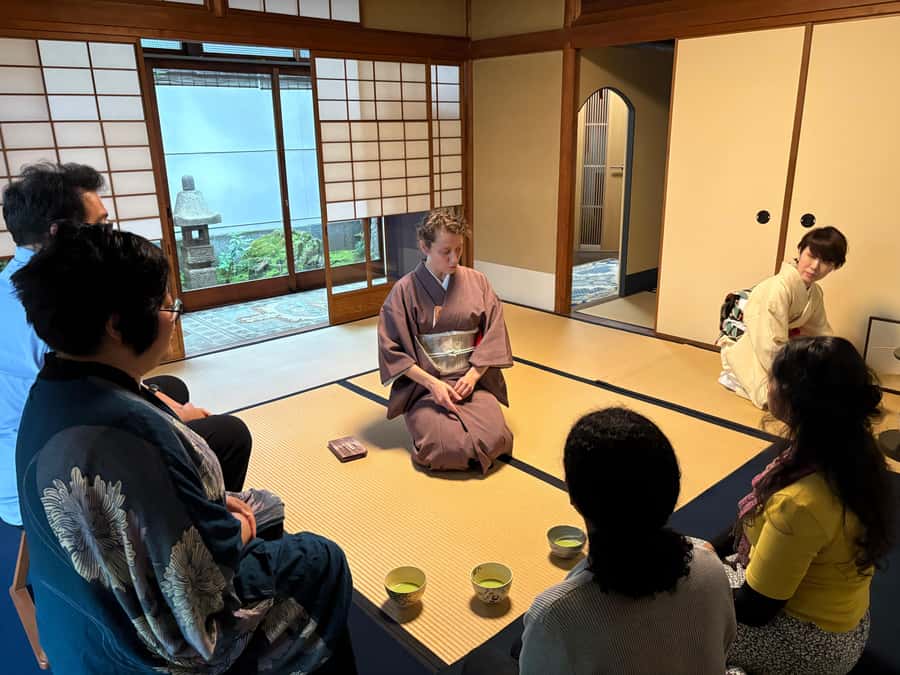
The ceremony often uses seiza seating: kneeling on the floor with your legs tucked under your thighs and your body resting back on your heels. It’s traditional, but it can get uncomfortable after a while, and it may not be possible for people with knee problems.
Here’s the good news: chairs are available upon request. If you need a chair, tell them before the session starts so you’re not negotiating mid-ceremony.
Also plan for socks. Bare feet are not allowed in the tea ceremony room. They ask you to wear socks (or bring a pair). This is one of those details that can cause a tiny travel snag if you forgot—so toss clean socks into your day bag.
During the ceremony, you also won’t be able to have drinks in the room. That keeps the focus on the ritual and the taste.
Languages Matter: English, Dutch, and Spanish Options
This experience is set up for multiple languages. English and Dutch speakers are part of the standard set-up, and Spanish is available upon request.
That language support isn’t just helpful—it changes how much you understand. When the explanation of the room, the utensils, and the steps comes through in your language, you leave with real context instead of a vague feeling of watching something pretty.
One of the stronger points from the experience is that the instruction feels very personal and clear, with the team ready to answer questions. In Spanish sessions, the experience has been described as fully native and practiced, which is exactly what you want if you’re going to spend an hour in a ritual that’s heavy on meaning.
Price and Value: Is $45 Worth It?
At $45 per person for about one hour, this isn’t a “cheap and cheerful” add-on. But it doesn’t feel overpriced for what you get, mainly because you’re not paying for passive sightseeing.
You’re paying for:
- a real teacher-led ceremony with lots of explanation
- access to seasonal sweets and two matcha bowls
- hands-on time where you whisk your own tea
- a small group format that keeps the experience personal
If you compare it to tea ceremony shows where you watch for a short time and move on, the value here is the active part—whisking your own bowl and learning what you’re doing. The small group also justifies the price. You’re not getting lost in a crowd.
If you’re on a tight budget, you might decide to only do one cultural workshop in Kyoto. If that’s your case, tea ceremony is a strong pick because it combines tasting, craft-like movement, and cultural context in one package.
Who Should Book This Kyoto Tea Ceremony?
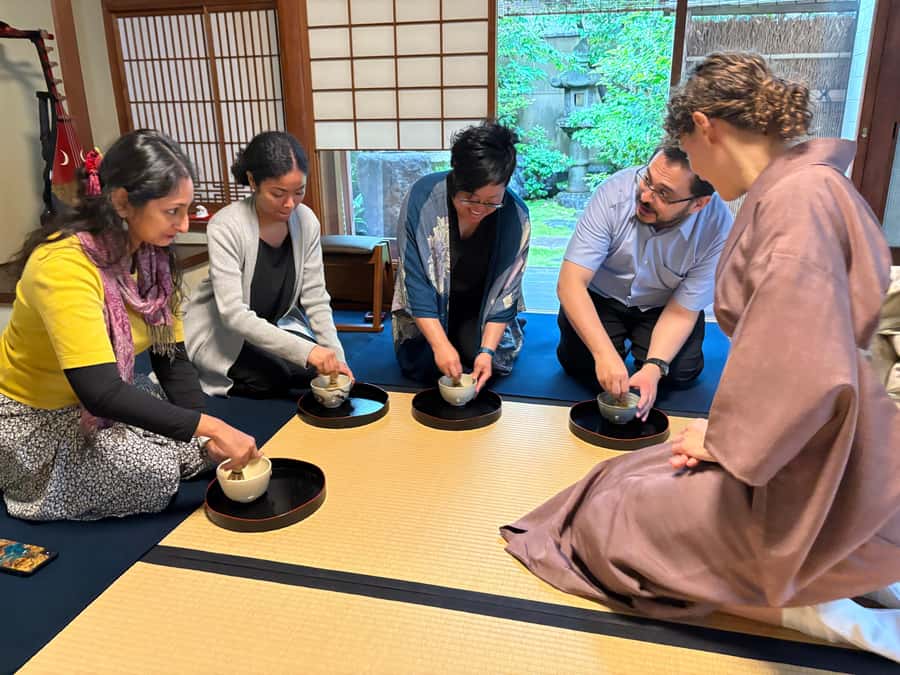
This is a great fit if you want something:
- interactive (you whisk, not just observe)
- explained clearly (language support plus question-friendly pacing)
- traditional but low-pressure (casual atmosphere in a real home)
- small-group personal (max 6 people)
It’s also a good choice for couples, solo travelers who like calm structure, and anyone who enjoys small cultural details like seasonal sweets and a hanging scroll with seasonal sayings.
It may be less ideal if you strongly prefer standing-only activities or you already know kneeling in seiza won’t work even with a chair. The session is built around the room setup, so physical comfort matters.
Getting There: Near Shijo Omiya and Across From Shinrenji
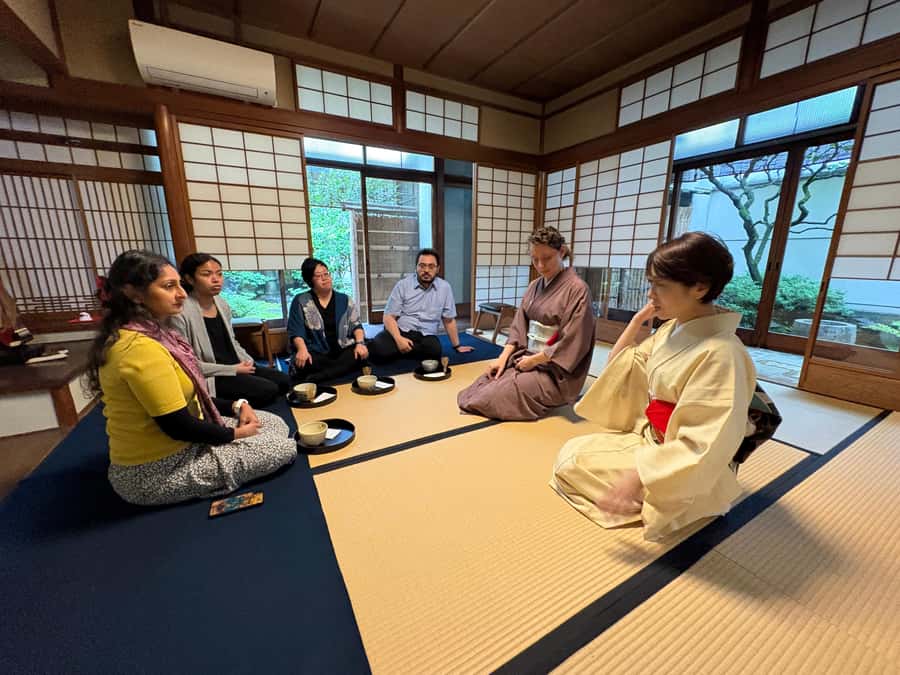
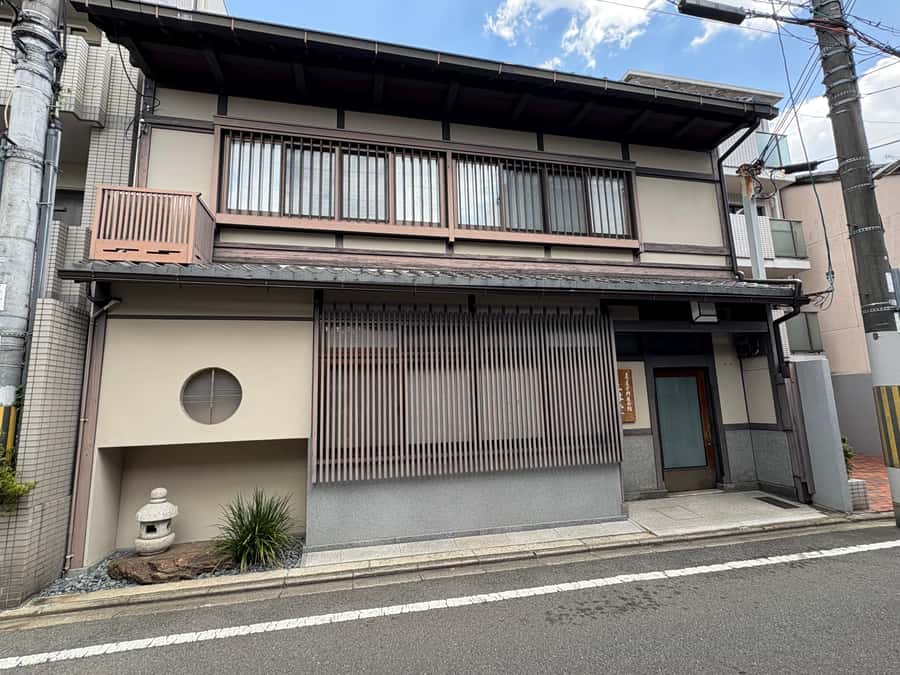
Location is convenient. The house is about 5 minutes from the Hankyu-Omiya/Shijo Omiya bus stop. The meeting point is across from the temple Shinrenji, marked as the location point.
When you arrive, look for the person holding a tablet with the GetYourGuide logo.
Should You Book It? My Decision Checklist
Book this if you:
- want a small-group Kyoto cultural activity
- like learning by doing (whisking your own matcha is the payoff)
- can handle matcha caffeine or you’re okay drinking it
- can wear socks and are open to the seating setup (and chair option)
Skip or think twice if you:
- need to avoid caffeine completely for medical reasons
- know you can’t do kneeling, even with a chair request
Bottom line: this is one of the better “tea ceremony” formats because it doesn’t stay at the watching level. You’ll understand more than you expected, and you’ll leave with the satisfying memory of making your own bowl—even if your first whisk is a little shaky.
FAQ
How long does the Kyoto tea ceremony experience last?
The experience lasts 1 hour.
How many people are in the group?
It runs as a small group with a maximum of 6 participants.
Which languages are available?
The experience offers instruction in English, Dutch, and Spanish.
Do I need to bring socks?
Yes. Socks are required, and barefoot isn’t allowed in the tea ceremony room.
Can I drink other beverages during the ceremony?
No. Drinks are not allowed during the tea ceremony.
Is matcha included, and can I skip it if I’m sensitive to caffeine?
You’ll have two bowls of matcha. Matcha has a high amount of caffeine, and if you cannot have caffeine due to medical reasons, you won’t be able to consume the matcha.
Where do I meet the guide?
Meet at the building across from Shinrenji temple, looking for a staff member holding a tablet with the GetYourGuide logo.