Tea and temples in the same 3.5 hours is a rare win. This Kyoto tour strings together Gion, Kennin-ji, craft shops, and a wabi-sabi–focused tea ceremony—so you get both the sights and the taste. I like that you’re not left to guess your way through Kyoto: a guide keeps things moving and you get temple admissions included.
I especially like the small group size (max 7). That means you can actually ask questions—about matcha, ceramics, and the quiet rules of temple life—without feeling like you’re talking to the back of someone’s head. I also love the bonus touches: you stop at a matcha shop in Gion, and you end with an instructor-led tea-making experience, plus photos taken during the tour.
One thing to consider: English clarity can depend on the guide. One past participant noted a guide who spoke very softly and was hard to understand, plus a worry that some details weren’t covered as well as expected.
In This Review
- Key Highlights You’ll Care About
- Why This Kyoto Tea-and-Temple Combo Works in Real Life
- Meeting Point at Gion Shijo: Easy Start, No Map Panic
- Stop 1 in Gion: Matcha, Tea History, and How It’s Made
- Kennin-ji Temple in Just 30 Minutes: What You Should Watch For
- Craft Shops and a Hidden Temple Garden: Where the “Wabi-Sabi” Idea Starts
- Tea Ceremony at Chayu: Tea Master Instruction + Wabi-Sabi in Action
- Price and Value: Is $94.45 a Good Deal?
- Timing, Comfort, and Weather: Kyoto Can Hit Hard
- Who This Tour Suits Best (and Who Might Prefer Something Else)
- Should You Book This Kyoto Tea-and-Temple Tour?
- FAQ
- How long is the tour?
- What is the meeting point?
- Where does the tour end?
- How many people are in the group?
- What’s included in the price?
- Are temple entrance fees included?
- Do I need to pay for food or drinks during the tour?
- Do you use a mobile ticket?
- Is the tea ceremony suitable for children?
- What happens if I’m late to the start?
Key Highlights You’ll Care About
- Max 7 travelers for easier questions and a calmer pace
- Guide-led route with no navigation stress from stop to stop
- Kennin-ji plus a second temple admission handled for you
- Gion matcha shop visit tied to how tea is made
- Ceramics and raku teacup focus with meaning behind the tea bowls
- Tea ceremony at Chayu with a tea master and matcha included
Why This Kyoto Tea-and-Temple Combo Works in Real Life
Kyoto can be beautiful and chaotic in the same breath. This tour solves a common problem: you want temples and tea culture, but you don’t want to spend your morning building a route, then missing context once you arrive.
The format is simple. You start in Gion, walk through key cultural areas, and layer in a hands-on tea ceremony at the end. That order matters. You learn the ideas behind the experience first, then the tea house doesn’t feel like a random add-on. It feels like the payoff.
You’ll also get a helpful rhythm: each stop is around 30 minutes, then the tea ceremony gives you about an hour to slow down. The pacing keeps your feet from taking over the whole day.
You can also read our reviews of more tours and experiences in Kyoto.
Meeting Point at Gion Shijo: Easy Start, No Map Panic
You meet outside Exit 5 of Gion Shijo Station (Keihan Line), right by the Statue of Izumo-no-Okuni. The guide holds an orange signboard showing Magical Trip Tour, so you don’t need to play “where is everyone?” on busy streets.
Why I like this kind of meeting point: it’s in the middle of the action. You’re in Higashiyama Ward, close to where Kyoto visitors naturally want to wander. That means less wasted time getting to the first neighborhood.
Important practical note: the tour must start on time. If you show up late and miss the group, you can’t join and won’t be able to get a refund or reschedule. Kyoto crowds and station exits are real—build in a buffer.
Stop 1 in Gion: Matcha, Tea History, and How It’s Made
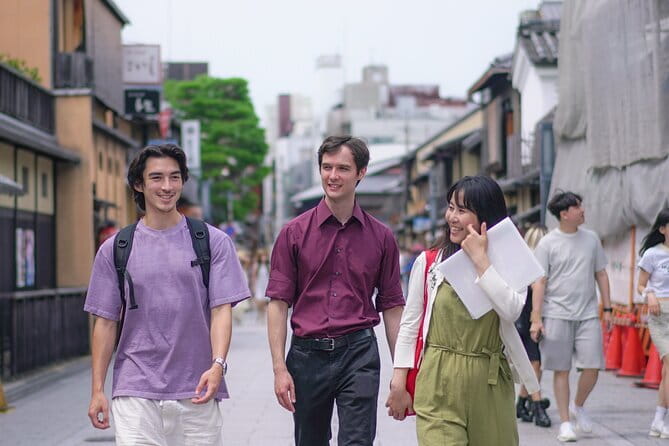
Your first stop is in Gion, where the tour focuses on matcha culture and the basics of how tea is made. You’ll stroll through the historical district and visit a famous matcha shop with a quick but guided walk-through.
This is the part of the tour that helps you connect the dots. When you later sit in a tea house and handle a tea bowl, you’re not just following gestures. You understand why matcha matters in Kyoto: its role in ceremonies, its place in everyday culture, and the way preparation turns into an almost ritual pacing.
If you’re new to matcha, this stop is a big help. If you already love tea, it’s still useful because the guide can point you toward what to pay attention to—like texture and preparation steps—so the ceremony feels precise instead of mysterious.
Time check: expect about 30 minutes, with admission for this stop listed as free.
Kennin-ji Temple in Just 30 Minutes: What You Should Watch For
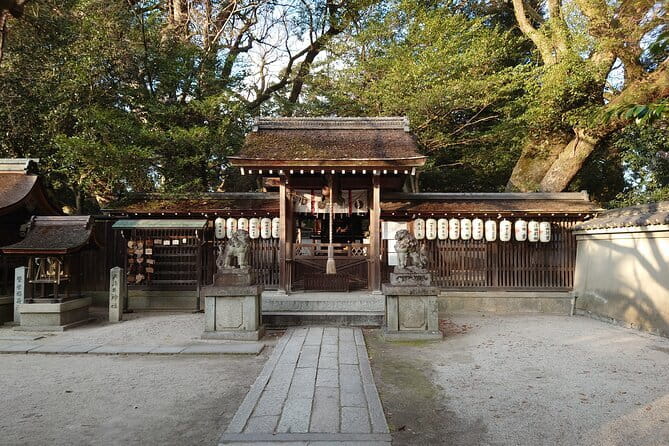
Next comes Kennin-ji Temple. It’s one of those Kyoto places where the atmosphere hits before you even read anything. You’ll spend about 30 minutes, and temple admission is included.
What makes this stop work on a walking tour: it’s enough time to notice the details that guide eyes go to. You’re not racing across a courtyard. You get to stand, look, and absorb. And your guide can give context on what you’re seeing—so you’re not left wondering what you’re looking at or why it’s important.
Drawback to consider: 30 minutes is not long if you’re the type who likes to wander on your own. This tour is designed for guided understanding, not a long independent temple exploration. If you crave extra solo time at Kennin-ji, you may want to plan a second visit later.
Craft Shops and a Hidden Temple Garden: Where the “Wabi-Sabi” Idea Starts
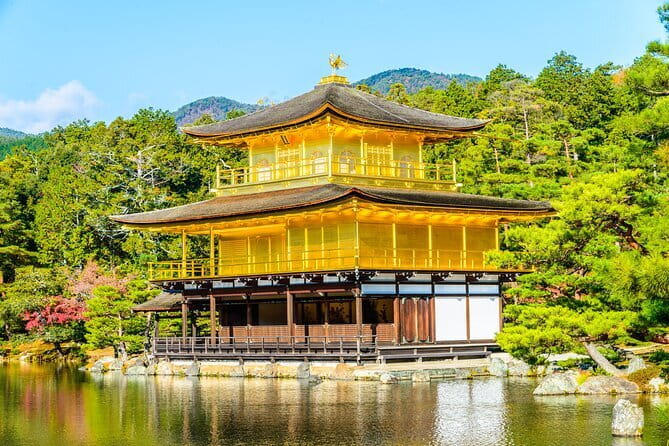
After Kennin-ji, you head into two culture-rich blocks.
First, you’ll visit craft shops (another 30 minutes, admission listed as free). This isn’t just shopping time. It’s your introduction to how Kyoto craft culture connects to daily life and aesthetics. You’ll see items made with patient technique and a respect for materials—exactly the tone that later shows up in tea.
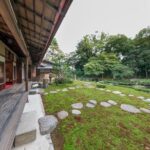
Then comes the highlight pairing: a hidden temple and garden plus a ceramics stop. The tour frames the garden and ceramics together on purpose. You’re learning a way of seeing—how imperfection and age can be part of the beauty.
You’ll also visit a tea bowl shop where a raku teacup takes center stage. The guide explains how each cup has its own character, history, and meaning. That detail matters. In a tea context, the bowl isn’t just a prop. It’s part of the relationship between host, guest, and season.
One more practical note: this portion of the route can involve walking through quieter streets and temple-adjacent paths. Wear shoes you can trust.
Time check: each of these blocks is listed around 30 minutes, with admissions listed as free for those stops.

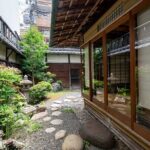
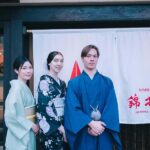
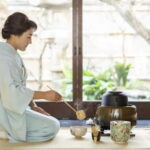
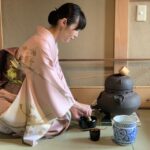
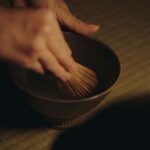
Tea Ceremony at Chayu: Tea Master Instruction + Wabi-Sabi in Action
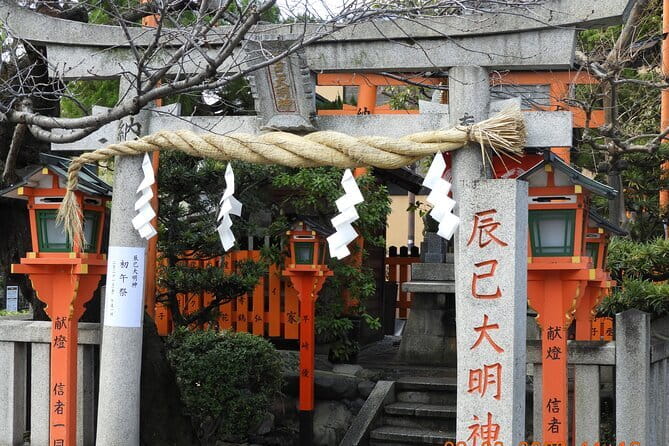
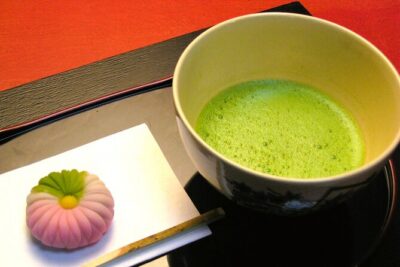
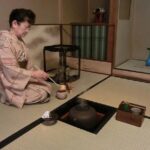
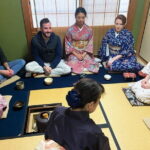
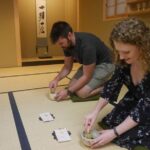
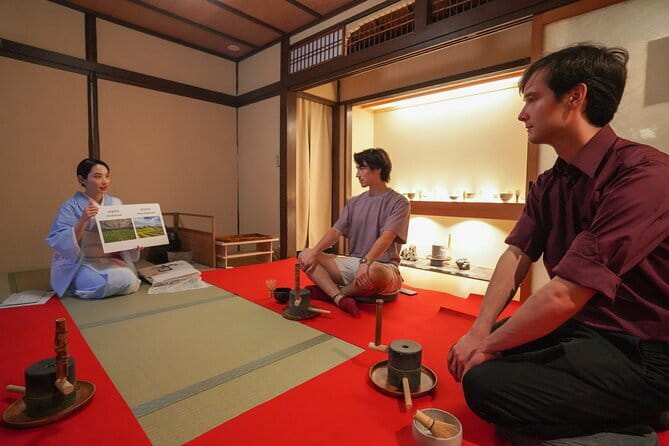
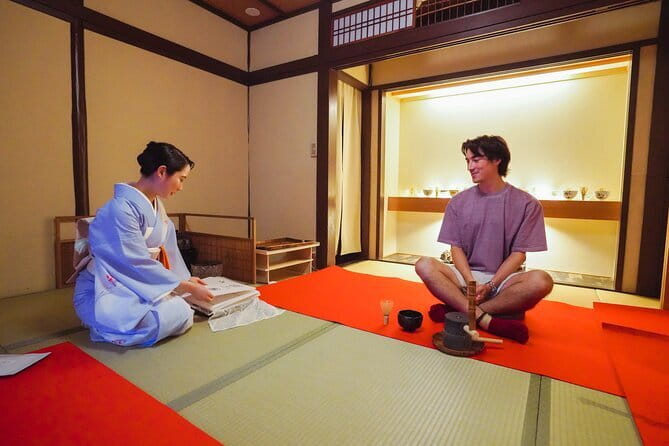
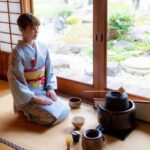
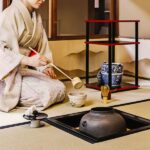
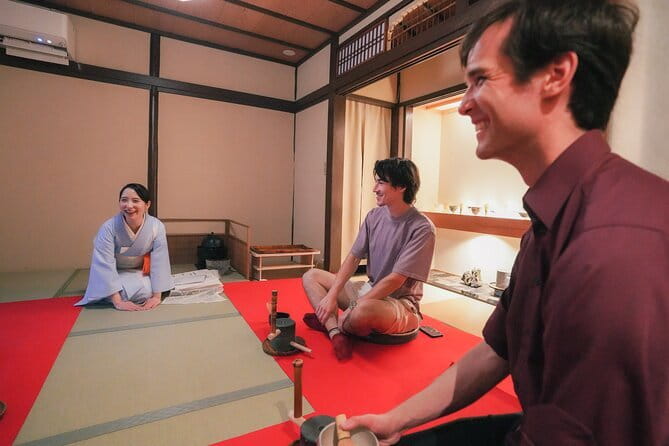
You end with a tea ceremony at Chayu, with tea-making experience and instruction from a tea master. This is about 1 hour, and tea ceremony admission is included.
This is where the tour earns its keep. You’re not only tasting matcha—you’re participating in how tea gets made, which is a different skill and different attention level. The guide also connects what you learned during the city walk (including the wabi-sabi mindset) to what you experience in the tea house.
If wabi-sabi is new to you, here’s the practical translation: you’re paying attention to calm, humble beauty—signs of use, the texture of materials, the way time leaves marks. In many tea moments, those details matter as much as the flavor.
What’s included here:
- You drink matcha (green tea)
- You get instruction during the ceremony
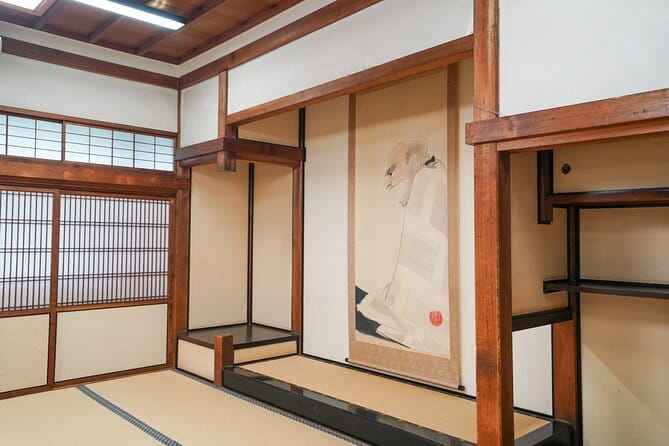
- The experience is held in a traditional Japanese house
Age note matters for families: the tea ceremony can only accommodate children age 6 and older. You can bring younger children, but one adult must accompany them outside the facility during the experience.
Another smart perk: you’ll get photos taken during the tour. That’s useful in Kyoto, where you don’t always want to spend your only camera battery on awkward selfies.
Price and Value: Is $94.45 a Good Deal?
At $94.45 per person, this tour isn’t the cheapest way to do Kyoto. It is, however, priced like a guided experience that handles several costs and saves you time.
Here’s what you’re paying for:
- A 3+ hour guided route with an English-speaking guide
- Temple admissions included for 2 temples
- A full tea ceremony experience (not just observation)
- Matcha included as part of the ceremony
- Small group access (max 7)
- Photos taken during the tour
- A mobile ticket, so you’re not scrambling with paperwork
If you try to DIY this yourself, the hidden costs are often time and hassle. Even if you can navigate Kyoto, you still need to research which temples fit your theme, figure out tea ceremony booking, and decide how much context you’ll get. This tour compresses those decisions into a structured afternoon.
Where the value can feel weaker: if you already know matcha basics and you just want photos and wandering time. This is guided and purposeful. It’s not a free-form stroll.
Timing, Comfort, and Weather: Kyoto Can Hit Hard
The tour is about 3 hours 30 minutes total. You should plan for steady walking between stops, with short breaks built in.
Kyoto’s weather can be extreme. The tour notes summer highs can reach around 40°C (110°F) and winter lows around -5°C (20°F). That means you should bring what you personally need to stay comfortable: water, sun protection in summer, and warm layers in winter. If you feel miserable, even a great tea ceremony won’t land the way it should.
Also, the tour might be canceled if safety conditions are poor due to weather. If you’re traveling in a season with heavy heat or cold snaps, keep your schedule flexible.
Who This Tour Suits Best (and Who Might Prefer Something Else)
This is a great match for you if:
- You want tea and temples together, with a clear theme
- You like guided context so Kyoto doesn’t feel like a checklist
- You enjoy crafts and want to understand what you’re looking at, not just buy souvenirs
- You’d rather be in a small group where you can ask questions
- You want an end-to-end experience that includes tea ceremony instruction, not just watching
You might want to skip or look for another option if:
- You prefer long, independent time inside temples and gardens
- You don’t care much about ceramics or matcha context and would rather do open exploration
- You’re sensitive to quiet group settings and worry about hearing the guide clearly—this tour can be wonderful, but one past participant flagged an issue with soft English delivery
Should You Book This Kyoto Tea-and-Temple Tour?
If you want a tidy, meaningful Kyoto half-day that ends with a real tea ceremony, I think you should book. The price makes sense because temples and a structured tea session are included, and the max 7 group size makes the guide’s explanations more usable. The Gion matcha stop and the raku tea bowl focus also add personality. This isn’t just temples and photos—it’s tea culture with a point of view.
Book this tour especially if it’s your first Kyoto trip and you’d like someone to handle the order and context. If your top priority is maximum independent wandering, you may prefer a longer, self-paced day and save tea for another time. But if you want tea-making instruction and guided temple time in one smooth run, this is a strong choice.
FAQ
How long is the tour?
It runs for about 3 hours 30 minutes.
What is the meeting point?
You meet in front of the Statue of Izumo-no-Okuni, right outside Exit 5 of Gion Shijo Station (Keihan Line).
Where does the tour end?
The tour ends at the tea experience place after the tea ceremony experience, at 4-chōme-172-7 Kiyomizu, Higashiyama Ward, Kyoto.
How many people are in the group?
The group size is limited to a maximum of 7 travelers.
What’s included in the price?
You get a tea ceremony experience (including matcha), entrance fees for 2 temples, an English-speaking local guide, photos taken during the tour, and time with the guide for about 3 hours.
Are temple entrance fees included?
Yes. Entrance fees for 2 temples are included.
Do I need to pay for food or drinks during the tour?
Additional food and drinks are not included.
Do you use a mobile ticket?
Yes, the tour uses a mobile ticket.
Is the tea ceremony suitable for children?
The tea ceremony can only accommodate children age 6 and older. Children younger than 6 can attend, but one adult must accompany them outside the facility during the experience.
What happens if I’m late to the start?
You must start on time. If you are late and miss the group, you won’t be able to join, and you won’t be able to get a refund or reschedule.