REVIEW · KYOTO
Tea Ceremony Experience in Traditional Kyoto Townhouse
Book on Viator →Operated by Ami Kyoto · Bookable on Viator
Tea ceremony in an 80-year Kyoto townhouse. You’ll sit down in a traditional machiya and learn the steps behind matcha tea, all in about one hour with a small group capped at six. It’s structured like a real tea lesson: etiquette first, a demonstration next, then you make your own bowl.
I particularly like two things: the Uji City matcha and the way the hosts teach it. The matcha is high-quality, and you don’t just watch; you practice the motions, taste what you made, and get guided help along the way. You also get traditional Kyoto sweets, served as part of the full ritual, not an afterthought.
One consideration: the meeting spot is in a residential neighborhood, so it can be a little tricky to locate at first. Plan to rely on the exact address and any map link you’re given.
In This Review
- Key highlights you’ll care about
- Stepping Into a Traditional Kyoto Machiya for Tea
- What Happens in the Hour: Watch, Make, Sip, and Serve
- Matcha From Uji and Kyoto Sweets: What You’ll Taste
- Etiquette Without the Awkwardness: How the Hosts Teach
- Price and Value: Is About $28 Worth It?
- Location and Timing: Finding Ami Kyoto in Shimogyo
- Who This Tea Ceremony Is Best For
- Should You Book This Kyoto Tea Ceremony?
- FAQ
- How long does the Kyoto tea ceremony last?
- What’s the group size limit?
- What’s included in the price?
- Where do I meet for the tea ceremony?
- Is hotel pickup or drop-off included?
- Is this suitable for first-timers?
Key highlights you’ll care about
- A real machiya experience in a wooden townhouse, about 80 years old
- Uji matcha tea plus traditional sweets from a Kyoto confectioner
- You make the tea yourself, not just a photo stop
- Max 6 people, so instruction and questions feel personal
- Multiple start times and near public transportation
- Optional matcha shopping afterward, if you want take-home tea
Stepping Into a Traditional Kyoto Machiya for Tea
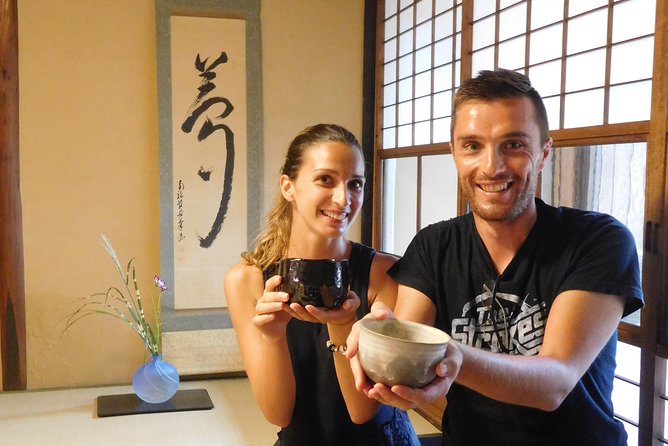
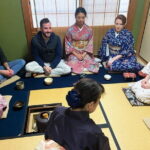
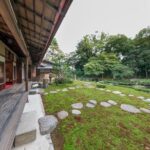
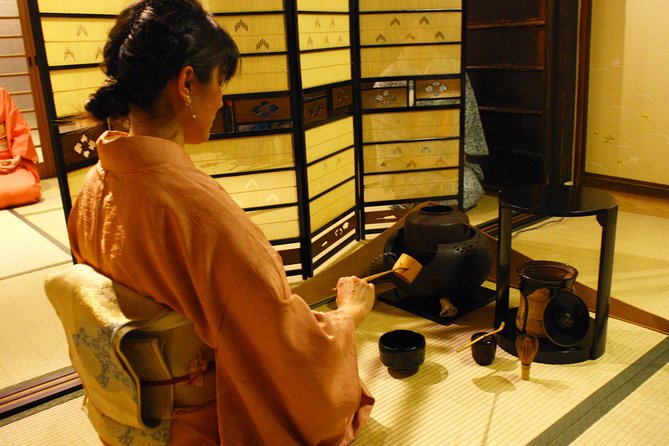
Kyoto has plenty of “tea experiences” that feel like a class in a generic room. This one aims for the real setting: a traditional wooden townhouse, a machiya, that’s about 80 years old. Even before the first sip, the space helps you slow down and pay attention to what’s happening at your seat.
The experience is run by Ami Kyoto, and you’re not wandering through a gallery of history. You’re being hosted inside a working-style home environment where tea ceremony is treated like a sequence of careful actions. Think of it as a guided ritual you participate in, with enough structure that you won’t feel lost.
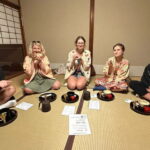
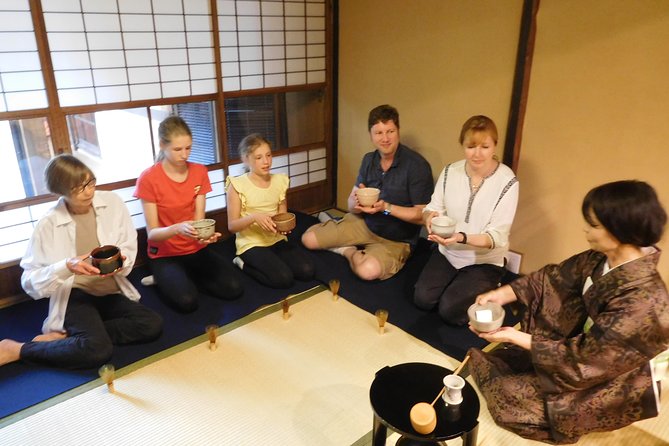
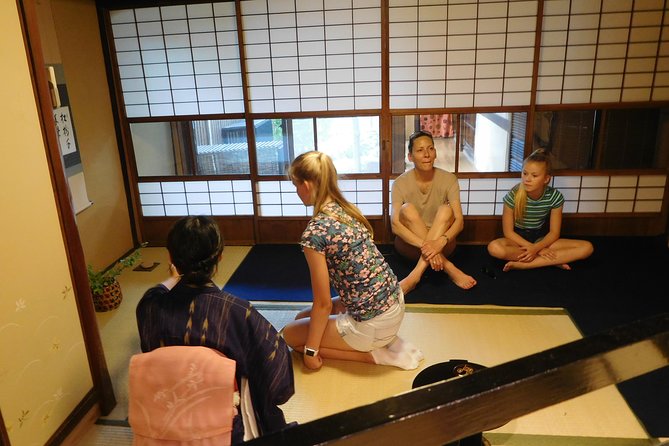
The group size matters here. With a maximum of six people, you get hands-on guidance instead of “watch from the back.” That’s a big deal in tea ceremony, because so much is done with your hands and posture. When the room is too crowded, you end up copying awkwardly. Here, the host attention is closer, and the pace feels more human.
Another small but meaningful detail: you’re tasting both tea and sweets as part of the same flow. Tea ceremony isn’t only about matcha; it’s about how flavors and moments are arranged. You’ll get a bowl of matcha green tea and Japanese sweets, and the hosts guide you through how to enjoy them as you go.
You can also read our reviews of more tours and experiences in Kyoto.
What Happens in the Hour: Watch, Make, Sip, and Serve
The timing is about one hour, and that’s honestly a good length for your first tea ceremony. You get a full experience without turning it into a long, exhausting performance.
Here’s the typical sequence:
1) You start with the basics and etiquette
Before the matcha hits the bowl, you learn the required etiquette and the core ideas behind tea ceremony. This matters because tea ceremony is full of small actions. If you don’t know what you’re doing and why, it turns into memorizing moves. The hosts explain the meaning and the practical purpose, so your participation feels intentional.
2) A demonstration shows the full flow
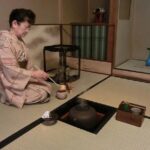
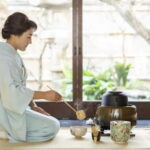
You’ll watch a demonstration of how the tea is made. This isn’t just for show. The demonstration sets the rhythm for what you’ll do next, and it helps you notice the order of steps, not just the end result.
3) You make your own matcha bowl
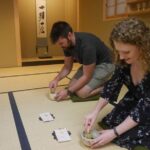
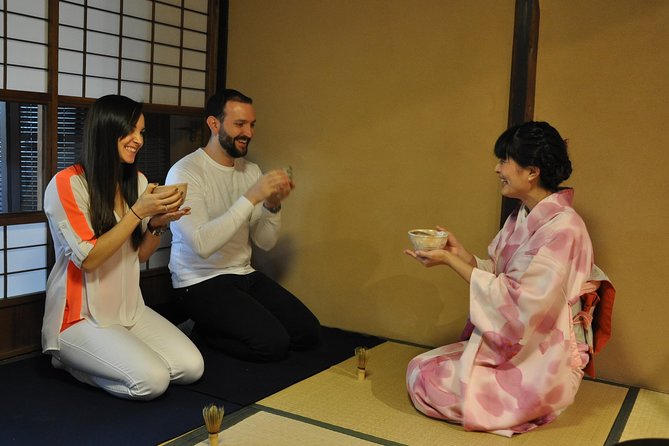
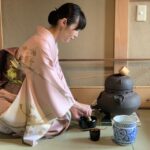
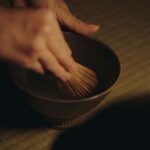
Then it’s your turn. You’ll follow instruction to make the matcha, and the host guides you on how to drink it. This is where you get the most value out of the small group setup. You’re not guessing. You’re practicing the motions while someone watches and corrects what needs correcting.
4) You also serve a traditional Japanese cake
As part of the session, you’re guided on serving a traditional Japanese cake. Tea ceremony is social and shared, and serving is part of the respect in the ritual. It turns the sweets from a snack into a moment with meaning.
By the end, you’ll leave with a body memory of the process. That’s the big difference between a quick tasting and an actual lesson. In one hour, you should feel like you participated, not just attended.
Matcha From Uji and Kyoto Sweets: What You’ll Taste
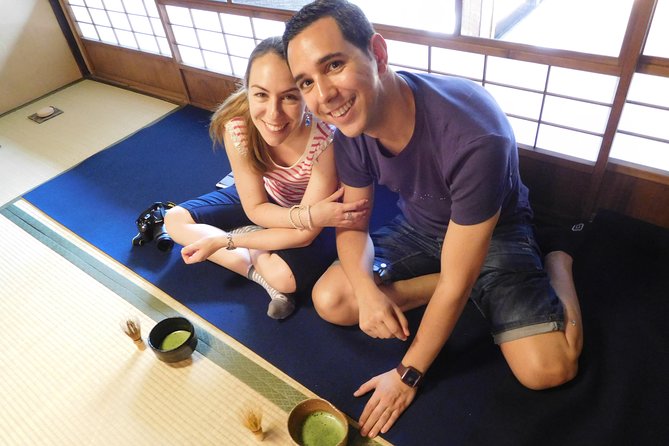
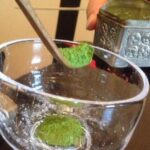
The matcha is one of the best reasons to choose this experience. The tea is high-quality matcha green tea sourced from a tea farm in Uji City. Uji is one of the names you’ll hear again and again when people talk about matcha quality, so it’s a smart sourcing choice.
What you get matters, too: you’re provided a bowl of matcha green tea during the ceremony. This means your taste experience is built into the program, not dependent on ordering extra items.
Then there are the sweets. You’ll be served traditional Japanese sweets from a famous Kyoto confectioner. In at least one session, the sweets were identified as suhama. Even if your sweets vary by batch or season, you can expect the same idea: a traditional confection designed to pair with tea.
Practical tip: don’t rush your first sip. If you’re new to matcha, it can taste sharper than sweetened drinks you may be used to. The hosts guide you on how to drink it, and that guidance usually helps you get past the first surprised moment.
Also, if you like what you taste, there’s often a chance to buy matcha afterward. People have mentioned purchasing matcha to take home, and you may also find options to buy a set. That’s worth thinking about if you’re trying to recreate the experience in your own kitchen later.
Etiquette Without the Awkwardness: How the Hosts Teach
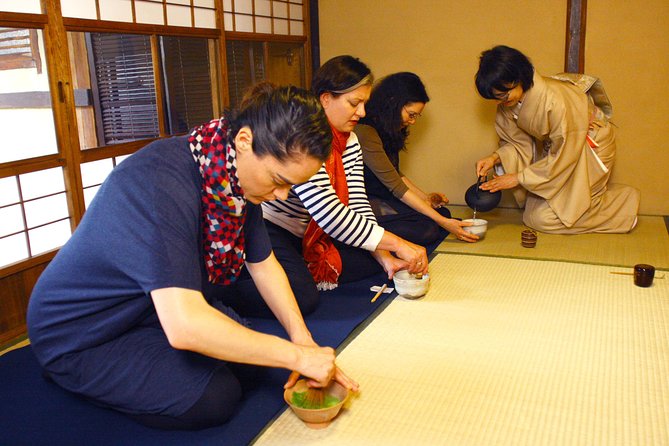
Tea ceremony etiquette can sound intimidating on paper. In practice, the experience is designed to make the learning feel supportive. The hosts walk you through the process step by step, including how to enter the tea room and how to follow the sequence of actions.
A key strength of this tour is how they explain the details. In multiple sessions, the instruction has been described as thorough, accurate, and friendly. You’ll be guided in the motions and also in the symbolism behind them, so you’re not just copying movements blindly.
That teaching approach works especially well if you:
- are doing your first tea ceremony
- want more than a quick demonstration
- like ritual-based activities where small actions matter
You’ll also be served, not just taught. The hosts guide you in drinking the matcha you made and serving the traditional cake. That keeps the ceremony grounded in real human interaction.
And because the group is limited to six, questions are easier. Tea ceremony has plenty of little “why is that done that way” moments. A larger class can shut those questions down. Here, you’re more likely to get direct answers and a calm vibe.
Price and Value: Is About $28 Worth It?
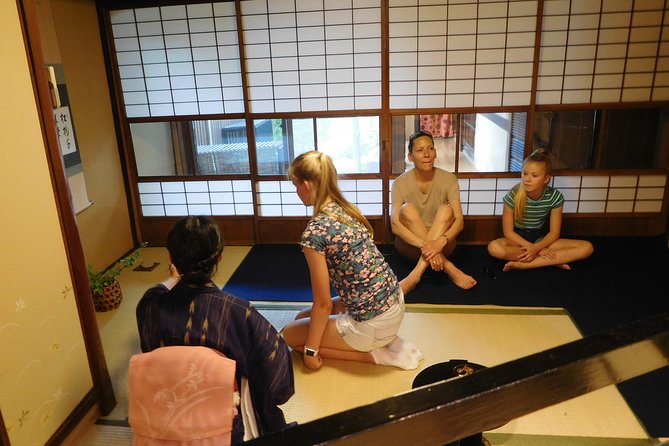
At $27.74 per person, this is positioned as an affordable way to get a real tea ceremony lesson. The value is strongest if you care about three things:
- participating in the process
- high-quality matcha
- a traditional machiya setting
A lot of tea experiences are either short tastings or longer performances without much hands-on instruction. Here, the one-hour format strikes a balance: you watch, practice, drink, and serve sweets. You’re not paying mostly for sightseeing; you’re paying for guided participation in the ritual.
The sourcing also improves value. Uji City matcha isn’t an afterthought, and Kyoto sweets from a well-known confectioner are included. When those ingredients are part of the program, you’re effectively paying for instruction plus tastings, all in one package.
The small-group cap also protects your learning time. In a six-person group, you can realistically learn and correct your technique. If you’ve ever been in workshops where you can’t get anyone’s attention, you’ll recognize why this matters.
One more value note: there’s no hotel pickup and drop-off included. That can actually keep the price down. You’ll handle your own transit using public transportation, and the meeting point is near public transport.

Location and Timing: Finding Ami Kyoto in Shimogyo
The meeting point is 605 Nishidachō, Shimogyo Ward, Kyoto, 600-8397, Japan. The activity ends back at the meeting point.
This is in a residential Kyoto area, not a major tourist landmark, so finding it can take a little patience. One helpful clue: the hosts provide the address and a Google Maps link, which solves the usual problem of unclear street signage. When you arrive, take a moment to check the map link before you start walking in circles.
Also watch the start time. The tour offers multiple start times, which is ideal if you’re juggling temple visits, trains, or a dinner reservation. Because it lasts about an hour, it can fit into a half-day plan without wrecking your schedule.
You don’t need to plan for pickup logistics, but you do need to plan your own arrival. The good news: it’s near public transportation, so getting there usually isn’t a big hassle once you’re in the right neighborhood.
If you’re traveling as a couple, solo, or small group, this setup is especially convenient. And if you need extra thought for mobility, there’s a positive signal: the hosts have been reported as accommodating for a wheelchair user, which suggests they take care with seating and space.
Who This Tea Ceremony Is Best For
This experience is a great fit when you want a calm, structured cultural activity with real participation.
You’ll like it if you:
- want your first tea ceremony in a setting that feels authentic
- care about matcha quality and a proper tea lesson
- enjoy learning etiquette and ritual steps, not just tasting
- prefer small groups over crowded tours
You might not love it if you’re expecting a long, multi-hour cultural immersion session. This is intentionally about 60 minutes, so it’s a focused introduction rather than a day-long deep course.
Also consider your expectations around food. You’ll get Japanese sweets with your tea, but the program isn’t described as a full meal. If you’re planning a busy day, eat beforehand or after as needed.
Should You Book This Kyoto Tea Ceremony?
If you want a genuine tea ceremony where you actually participate, I’d book it. The combination is strong: a traditional machiya setting, Uji matcha, included sweets, and a small group that makes instruction practical. At roughly $28 for about an hour, the value is hard to beat for something this structured and hands-on.
I’d especially recommend it as one of your first cultural activities in Kyoto. You’ll learn what the ritual is trying to do, so other tea-related experiences in Japan will make more sense after you’ve seen the steps up close.
If your only goal is a quick photo moment, skip it. But if you want to learn etiquette, make matcha, taste sweets, and leave with the feeling that you did the ceremony, this is a smart pick.
FAQ
How long does the Kyoto tea ceremony last?
The experience lasts about 1 hour.
What’s the group size limit?
The tour is limited to a maximum of 6 travelers.
What’s included in the price?
You’ll receive a bowl of matcha green tea and Japanese sweets.
Where do I meet for the tea ceremony?
You meet at 605 Nishidachō, Shimogyo Ward, Kyoto, 600-8397, Japan, and the tour ends back at the same meeting point.
Is hotel pickup or drop-off included?
No, hotel pickup and drop-off are not included.
Is this suitable for first-timers?
Yes. The session teaches the basic concepts and required etiquette, includes a demonstration, and then guides you as you make your own tea.