REVIEW · KYOTO
Kyoto Kiyomizu Tea Ceremony with Scenic Garden Views
Book on Viator →Operated by 茶道体験 阪口庵 · Bookable on Viator
Matcha tastes better when the room goes quiet. This Kyoto Kiyomizu experience pairs a garden-view teahouse with a step-by-step session led by the tea master, so you see how matcha is made from scratch—not just how it’s served. I especially like that you get to watch careful ritual movements and then drink two cups yourself, along with wagashi. One thing to consider: it’s short, so you’ll get an excellent introduction, not a full-length, deep-discipline practice.
The setting is the kind of pause your schedule can’t do on its own. Expect about 45 minutes (often feels like a relaxed hour), a small group capped at 12, and graceful English guidance that keeps the ceremony understandable. If you have foot or knee trouble, plan carefully; the style is traditional and not ideal for everyone.
In This Review
- Key Highlights Worth Marking on Your Kyoto Day
- A Garden-View Tea Ceremony in Kiyomizu: What This Experience Really Gives You
- Where You Meet and How the Timing Works (Without the Headache)
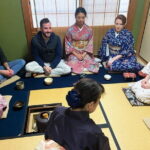
- Entering SAKAGUCHIAN: The Tea Room That Changes the Mood
- The Tea Master’s Ritual: What You’ll Watch, Learn, and Try
- Your Matcha Moment: Two Cups, One Lesson in Texture and Technique
- Wagashi Pairing: Why the Sweets Belong in the Ceremony
- Small Group Size: The Difference Between Watching and Participating
- What to Wear and Bring: The Practical Stuff That Saves Your Comfort
- Price and Value: Is $50.87 Worth It?
- Questions Answered in Real Time: What the Translation Adds
- Weather Matters: When Kyoto’s Conditions Change Plans
- Quick Self-Check: Is This the Right Tea Ceremony for You?
- Should You Book Kyoto Kiyomizu Tea Ceremony at SAKAGUCHIAN?
- FAQ
- Where does the Kyoto Kiyomizu tea ceremony start?
- How long is the tea ceremony?
- What does the price include?
- How many people are in the group?
- Do I need a mobile ticket?
- Is kimono rental included?
- Is video recording included?
- Is this experience suitable for everyone with foot or knee problems?
- What happens if the weather is bad?
- What is the cancellation window?
Key Highlights Worth Marking on Your Kyoto Day
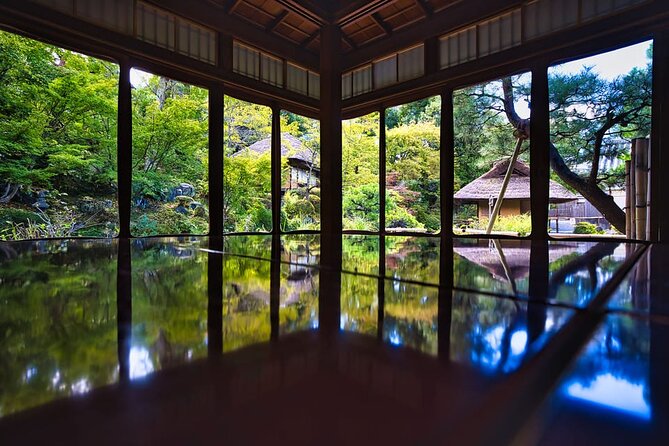
- SAKAGUCHIAN (茶道体験 阪口庵) tea room with garden windows: You watch the ceremony while the scenery changes with the season.
- Two cups of matcha, made in front of you: One cup starts the experience; the other helps you learn the technique.
- Purification and whisking rituals you can actually see: From preparing utensils to whisking for froth.
- Wagashi pairing included: Traditional sweets arrive with your matcha, not as an afterthought.
- Small-group format (maximum 12): You get a calmer, more personal pace than big-group tours.
- Photo included: You don’t have to worry about capturing the moment.
A Garden-View Tea Ceremony in Kiyomizu: What This Experience Really Gives You
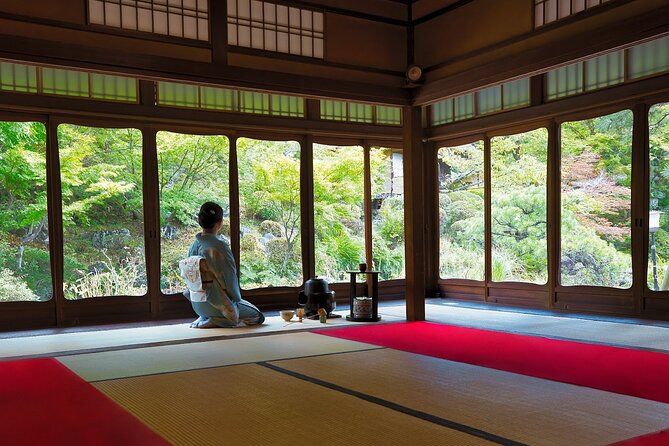
Kyoto’s tea ceremonies can feel either overly formal or overly touristy, depending on the setting. This one balances both: it keeps the ceremony authentic, but the experience is guided so you actually understand what you’re seeing while you sit in a traditional teahouse.
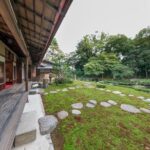
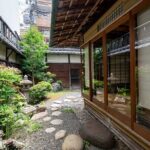
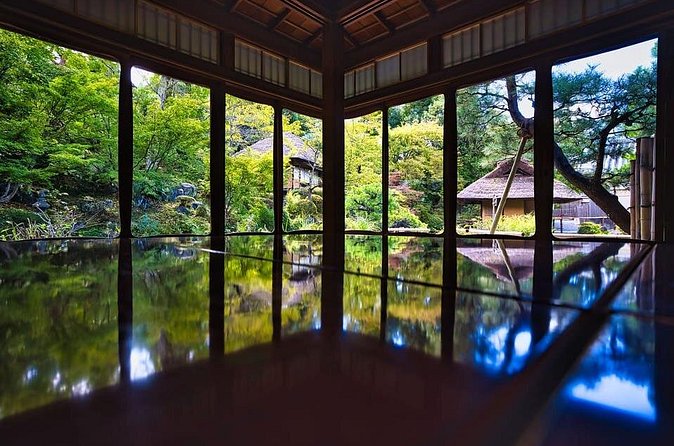
The biggest draw is the location within the Kiyomizu area, at Tea ceremony SAKAGUCHIAN (茶道体験 阪口庵). The room looks out toward a famous garden, with large windows that turn the ceremony into something you can watch and feel. Instead of rushing between temples, you slow down in a place designed for quiet attention.
This is also a good “interruption” activity. If your day is packed—streets, shrines, photos—this gives you a soft reset. You’ll notice how the ceremony changes your pace: it’s measured, deliberate, and designed to be experienced, not conquered.
You can also read our reviews of more tours and experiences in Kyoto.
Where You Meet and How the Timing Works (Without the Headache)
You’ll meet at Tea ceremony SAKAGUCHIAN (茶道体験 阪口庵), 3-chōme-334 Kiyomizu, Higashiyama Ward, Kyoto, 605-0043, Japan. The session ends back at the meeting point, so you’re not stuck figuring out your next move right after you leave.
The duration is listed as about 45 minutes. In practice, it reads like a gentle hour: there’s time for instruction, watching, questions, and enjoying both cups of matcha and wagashi. That length matters because it fits well between sightseeing blocks without turning into an all-day commitment.
You’ll receive a mobile ticket, and confirmation comes at booking. If you’re the type who likes to wander first and plan later, this helps—there’s less paperwork stress and fewer moving parts once you’re in Kyoto.
Entering SAKAGUCHIAN: The Tea Room That Changes the Mood
Walk into the teahouse and you feel it immediately: this isn’t a loud show. It’s an intimate setting where you’re expected to pay attention to small movements, not just follow along.
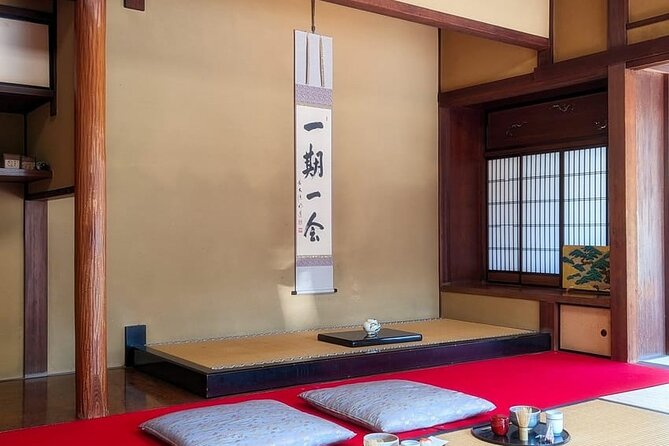
Many people are surprised by how much a room’s design matters for a cultural activity. Here, the architecture and the windows pulling in the garden view make the whole ceremony feel calmer. Even before matcha, you’re basically handed a quiet environment—one that makes Kyoto feel less like a checklist.
The ceremony includes a guide and a tea master. The tea master performs the ritual; the guide helps explain what’s happening and what it means. That combination is a big reason this experience earns such strong ratings: you’re not left guessing.
The Tea Master’s Ritual: What You’ll Watch, Learn, and Try
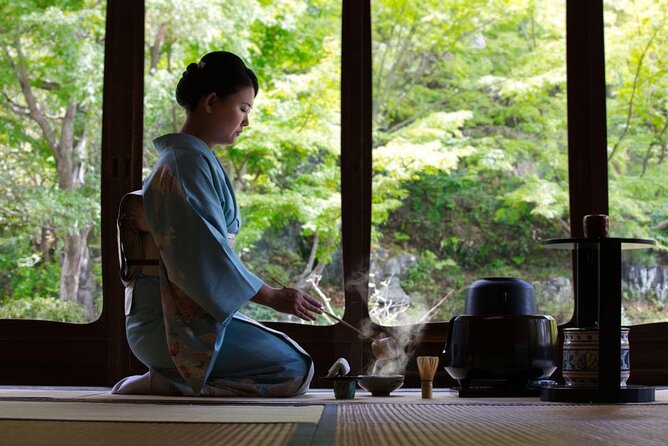
The session follows a clear flow. You can think of it as a sequence of skill demonstrations plus a short hands-on lesson—guided, but still respectful of tradition.
Here’s what to expect during the ceremony:
- Stepping into the serene room and garden view: You start in a calm atmosphere where seasonal beauty is part of the experience.
- Guided instruction through the ancient art of tea: You learn what the ceremony is trying to accomplish beyond taste.
- Watching purification of utensils: You’ll see the early ritual steps, which set the tone for the rest of the process.
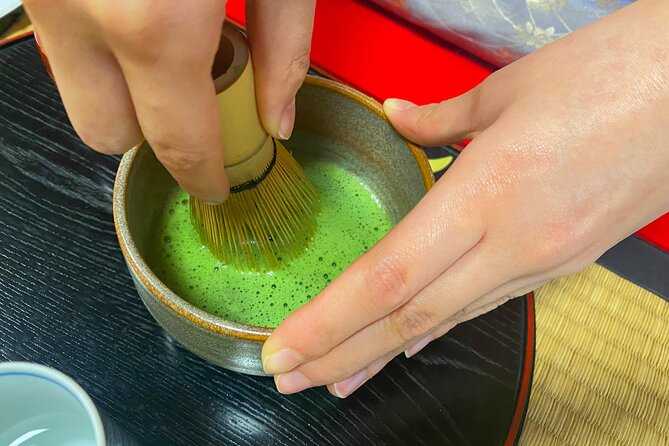
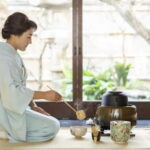
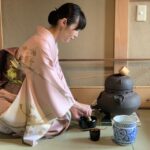
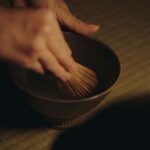
- Watching matcha preparation and whisking: You’ll observe how the tea master whisks matcha into the right texture.
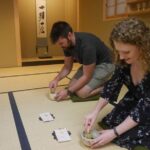
- Learning proper handling techniques: You’re guided on how to handle the tea bowl and how the foam and texture matter.
I like how practical this feels. You’re not just hearing history as a lecture; you’re seeing technique, then getting a chance to do it. That’s why the experience lands for first-timers, even if you don’t know anything about tea before arriving.
Your Matcha Moment: Two Cups, One Lesson in Texture and Technique
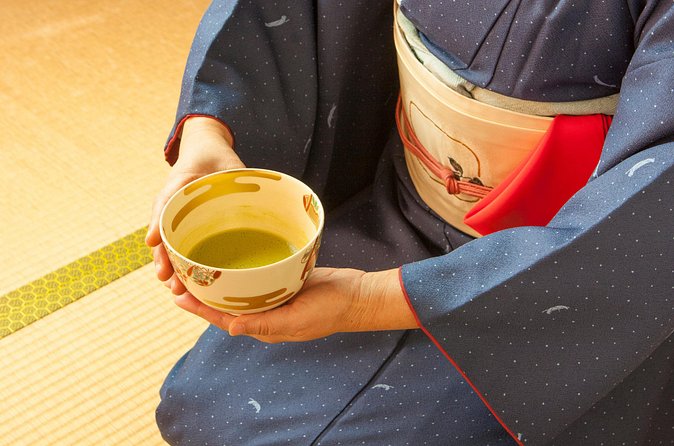
You get two cups of matcha. That detail matters more than it sounds, because it changes the way you experience the session.
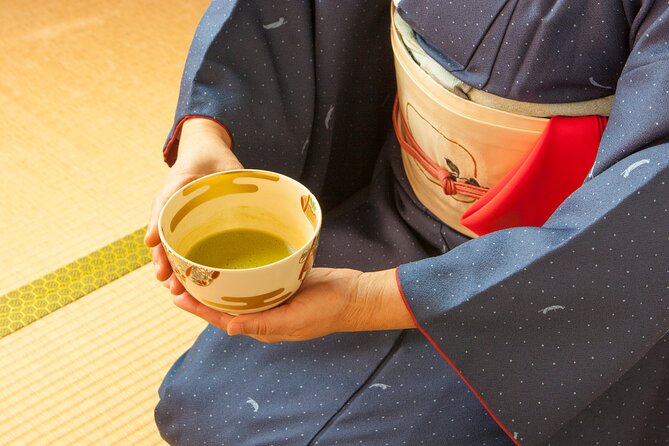
The first cup is your introduction—what the matcha should taste and feel like when prepared correctly. The second cup is where learning sticks. With the guidance you’ll get, you’ll understand what to look for: the way the matcha develops froth, and the difference between simply drinking tea and tasting it with intention.
Matcha isn’t just a flavor; it’s a texture lesson. When whisking is done well, you get foam and consistency, not just a green drink. The instructions you receive are built around that idea: create the frothy matcha and handle the tools with care.
If you’ve only had matcha in cafes, this will likely re-calibrate your expectations. You’ll probably notice a difference in richness, smoothness, and how the ceremony changes your perception of sweetness—especially once wagashi enters the picture.
Wagashi Pairing: Why the Sweets Belong in the Ceremony
This experience includes wagashi (traditional Japanese sweets) served with your matcha. That pairing is not random. Wagashi plays a role in balancing the matcha experience, and it also adds seasonal, cultural detail to the ritual.
In a lot of tea stops, sweets feel like an add-on. Here, sweets are part of the ceremony’s rhythm: you taste, you slow down, and you connect the flavors rather than treating them as separate items.
The wagashi also gives you a way to participate even if you’re more interested in taste than technique. You can focus on the contrast: sweet bite, matcha sip, then notice how your palate adjusts between cups.
Small Group Size: The Difference Between Watching and Participating
This activity caps out at 12 travelers. That’s a meaningful number. In a bigger group, ceremonies turn into a performance you watch from a distance. In a smaller one, your questions land and your attention can stay on the tea master’s hands.
Many people care about “authentic” experiences, but authenticity isn’t just about tradition. It’s also about pacing and space. Here, the ceremony is intimate enough that you’re not constantly trying to track what’s happening through gaps in other people’s cameras.
You’ll still be seated with your group, but the experience is structured so you can actually follow the steps. That’s why it works as a break from Kyoto’s busy energy.
What to Wear and Bring: The Practical Stuff That Saves Your Comfort
This is traditional, and the way you sit and move matters. The experience is not recommended for people with foot and knee problems. If that’s you, consider whether you can comfortably sit in the style used for tea ceremonies.
One simple tip from the experience feedback: bring or wear socks. That’s usually a sign the room expects you to be comfortable in footwear rules tied to the teahouse setting.
As for clothing, aim for something clean, comfortable, and not too restrictive. You’ll be sitting and focusing for the full session length, and you’ll want your outfit to support a calm posture rather than fight it.
Price and Value: Is $50.87 Worth It?
At $50.87 per person, you might wonder if this is too “touristy.” Here’s how I think about the value.
You’re paying for three things that are hard to replicate on your own:
- A tea master-led ceremony with instruction, not just a tasting.
- Two cups of matcha plus wagashi, meaning you’re not paying for watching only.
- A garden-view teahouse setting, which turns the session into an atmosphere-based experience.
Also, the small group size helps justify the cost. You’re not getting a rushed script; you’re getting a guided, ritual-focused session where the movements and techniques matter.
Could it feel pricey if you expect a long, multi-hour deep training? Yes. The ceremony is brief, and you’ll leave with a strong introduction rather than mastery. But for most first-timers, that’s exactly the point: you’ll learn enough to appreciate what makes tea ceremony special without needing a full day.
Questions Answered in Real Time: What the Translation Adds
A good tea ceremony guide does more than translate words. The explanation you receive helps you connect what you see—like utensil purification and whisking technique—to the meaning behind the steps.
From the guidance style, you can expect that questions are welcome. People tend to ask about symbolism, what the tools are doing, and why certain motions matter. The guide’s job is to keep you oriented so the ceremony doesn’t feel like a silent routine.
If you like cultural details, you’ll likely enjoy how the explanation frames the precision of the tea master’s movements. It can turn a simple taste into a small cultural lesson you carry around for the rest of your Kyoto day.
Weather Matters: When Kyoto’s Conditions Change Plans
The experience requires good weather. If it’s canceled due to poor weather, you’ll be offered a different date or a full refund.
This matters because you’re coming for a garden-view setting. If weather is bad, the mood—and possibly the comfort level—won’t match what you’re expecting. If Kyoto is hitting rainy season during your visit, it’s still worth booking, but keep an eye on the forecast as your date approaches.
Quick Self-Check: Is This the Right Tea Ceremony for You?
This tour is a great fit if you want:
- A calm, seated cultural experience during a sightseeing-heavy day
- A real look at matcha preparation technique, not just a drink
- A small-group setting with space to ask questions
- A garden-view teahouse moment in the Kiyomizu area
It may not be ideal if:
- You’re looking for a long, formal training session (this is short)
- You have foot or knee limitations, since it’s not recommended for those needs
- You strongly prefer flexible, walking-heavy activities
If you’re on the fence because you think tea ceremonies sound too quiet or too slow, consider this: the ceremony is structured and guided, so it doesn’t feel like boredom. It’s more like a reset with technique.
Should You Book Kyoto Kiyomizu Tea Ceremony at SAKAGUCHIAN?
Yes, if you want a thoughtful break in Kyoto with real technique and a gorgeous garden-view backdrop. The value is strongest when you appreciate small-group attention, want two cups of matcha and wagashi, and like cultural experiences where you can watch the ritual and learn what to look for.
Skip it only if you need an activity that’s mobile-friendly for knees and feet, or if you expect a long, hands-on mastery course. For everyone else, this is the kind of experience that makes Kyoto feel slower, kinder, and more intentional for the rest of your trip.
FAQ
Where does the Kyoto Kiyomizu tea ceremony start?
You’ll meet at Tea ceremony SAKAGUCHIAN (茶道体験 阪口庵), 3-chōme-334 Kiyomizu, Higashiyama Ward, Kyoto, 605-0043, Japan.
How long is the tea ceremony?
The duration is listed as about 45 minutes.
What does the price include?
It includes 2 cups of matcha, wagashi (traditional Japanese sweets), and a photo.
How many people are in the group?
The experience has a maximum of 12 travelers.
Do I need a mobile ticket?
Yes, the tour uses a mobile ticket.
Is kimono rental included?
No, kimono rental is not included.
Is video recording included?
No, video recording is not included.
Is this experience suitable for everyone with foot or knee problems?
It is not recommended for people with foot and knee issues.
What happens if the weather is bad?
The experience requires good weather. If it’s canceled due to poor weather, you’ll be offered a different date or a full refund.
What is the cancellation window?
You can cancel for a full refund up to 24 hours in advance of the experience start time.