REVIEW · KYOTO
Kyoto Tea Ceremony & Kiyomizu-dera Temple Walking Tour
Book on Viator →Operated by MagicalTrip Inc. · Bookable on Viator
Kyoto views start with a calm waterfall. This tour strings together one UNESCO temple stop and a matcha tea ceremony in a smooth, small-group format. I like that it’s built for real Kyoto street time, not just hopping from landmark to landmark.
I also appreciate how the walk gives you context as you go—why the streets look the way they do, what people worship for, and what you’re actually looking at when you reach Kiyomizu-dera. In past groups, guides like Hide have explained the mix of Shinto and Buddhist ideas, plus temple etiquette, and even kept things light with jokes like baseball chatter.
One possible drawback: the meeting spot can feel slightly tricky at first, and the tour does include snacks made in kitchens that aren’t allergy-certified—so if you have serious dietary needs, you’ll want to plan carefully.
In This Review
- Key things I’d look for before you go
- Meeting at Yasaka Shrine: easy start, quick orientation, and a good first anchor
- Kiyomizuzaka streets and Yasakakoshindo: Kyoto’s postcard vibe with real walking value
- Kiyomizu-dera viewpoints and Otowa Waterfall: UNESCO sights plus a ritual you’ll understand
- Pass the Kiyomizu-zaka pilgrimage route: shopping streets, signage, and the “how it works” explanation
- Sannenzaka and Ninenzaka: legends on the slope and why you should watch your step
- Tea ceremony and matcha: the quiet reset inside a busy temple day
- Price and what you’re actually paying for (3 hours, but with real costs included)
- Walking reality check: slopes, summer heat, and how to prep so the day feels good
- Who this tour fits best (and who should skip it)
- Should you book Kyoto Tea Ceremony & Kiyomizu-dera?
- FAQ
- What is the tour duration?
- Where does the tour meet and start?
- How much does the Kyoto Tea Ceremony & Kiyomizu-dera tour cost?
- Is this tour a small-group experience?
- What’s included in the price?
- What is not included?
- Is there a mobile ticket?
- Are there any age restrictions?
- What should I know about allergies or dietary restrictions?
- Can I cancel for a full refund?
Key things I’d look for before you go
- Small-group cap (max 6) keeps the pace comfortable on slopes and stairs
- Kiyomizu-dera plus Otowa Waterfall gives you both scenery and a good-luck ritual
- Kiyomizuzaka street atmosphere means tea shops, sweets, and old-school storefronts as you walk
- Tea ceremony with matcha is the calm break between busy viewpoints
- Sannenzaka and Ninenzaka add legend and meaning to the final stretch toward the temple area
- Photo moments built in so you’re not fumbling with directions mid-sightseeing
Meeting at Yasaka Shrine: easy start, quick orientation, and a good first anchor
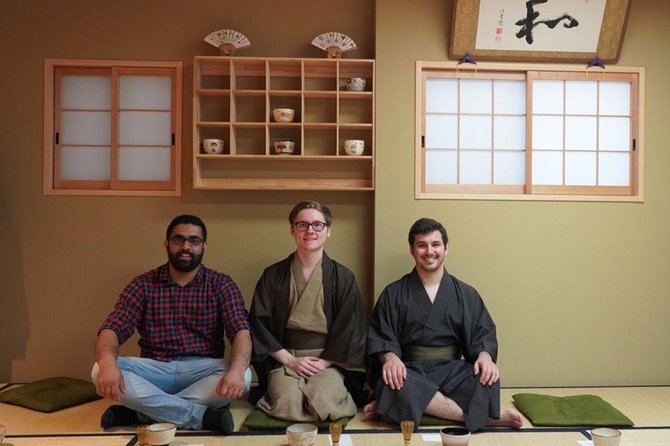
The tour begins at Yasaka Jinja Nishiromon Gate (Western Tower Gate). That’s a smart choice because Yasaka Shrine is one of the easiest “landmarks” in Gion/Higashiyama, and it helps you orient yourself before you start climbing.
Meet up at 9:00 am, and then the group moves into a photogenic spot for pictures before the main walk. This is more useful than it sounds. Kyoto can feel maze-like, especially around Higashiyama, so getting oriented early saves time later when you’re trying to enjoy the sights instead of studying maps.
If you want to avoid the most common stress, show up a little early, and take a moment to confirm you’re at the correct gate. One person described getting nervous at the start because they couldn’t find the guide right away, then everything clicked once the tour began—so a bit of buffer time helps a lot.
You can also read our reviews of more tours and experiences in Kyoto.
Kiyomizuzaka streets and Yasakakoshindo: Kyoto’s postcard vibe with real walking value
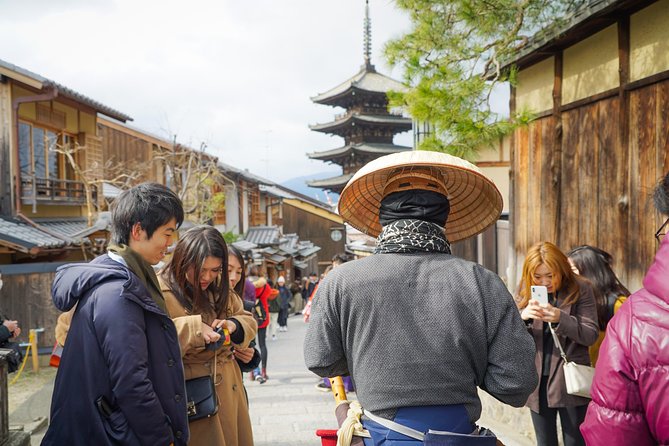
Next comes the walk through Kiyomizuzaka, a cluster of streets that feels like you stepped into older Kyoto. Expect narrow lanes lined with old-style shops: tea places, sweets, and traditional food stands. You’ll see how the area is built for strolling—slow, sensory, and made for lingering.
Your guide also takes you to Yasakakoshindo, described as the colorful temple in Kyoto. Even if you don’t memorize every detail, the point here is practical: this stop ties the street atmosphere to temple culture. You’re not just eating snacks while passing time. You’re learning how religion, daily life, and commerce overlap in this part of Kyoto.
This segment also serves as a warm-up before Kiyomizu-dera. The terrain starts to feel more sloped as you approach the temple area. Comfortable shoes matter here, and the earlier you start paying attention to footing, the easier it is later near the main stage and paths.
Kiyomizu-dera viewpoints and Otowa Waterfall: UNESCO sights plus a ritual you’ll understand
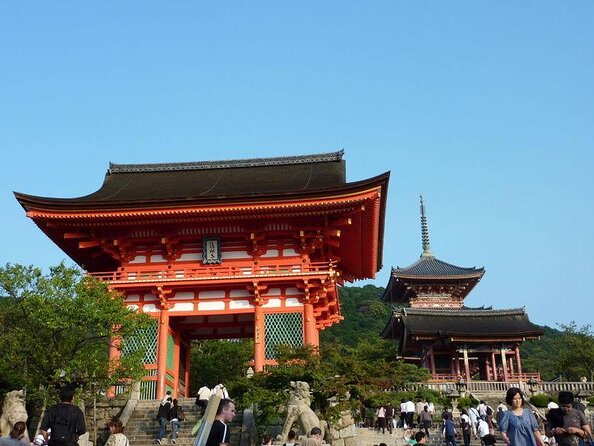
Kiyomizu-dera is the headline: a famous temple with views that people chase for a reason. The temple is traditionally associated with the Otowa Waterfall site, and you’ll go there at about the right moment of the day for walking and seeing the greenery.
The tour includes time at the wooden stage—about 13 meters above the ground—where you can take in sweeping views over cherry and maple trees as well as Kyoto city in the distance. That combination (temple architecture + layered views) is exactly why this place earns its fame.
Then you’ll visit Otowa Waterfall. The good-luck part is wonderfully concrete: the water is divided into three separate streams, and you choose one stream by using a cup attached to a long pole and drinking. Each stream is said to bring a different benefit. Even if you treat it as a cultural ritual rather than a life-changing promise, the experience is still meaningful because it slows you down and gives you something simple to focus on.
You also get the worship context—what it means to participate and why people handle the ritual the way they do. This is one of those experiences where a guide changes everything. Without guidance, you’d likely just watch. With guidance, you’ll actually understand what you’re watching.
Pass the Kiyomizu-zaka pilgrimage route: shopping streets, signage, and the “how it works” explanation
After Kiyomizu-dera, you walk past Kiyomizu-zaka again in the area near the temple. Here you’ll notice how the approach to the temple is shaped like a pilgrimage route, with the slope feeding into the larger streets below.
The tour description highlights that the route begins where Matsubara-dori crosses Higashioji-dori, then connects with Gojozaka and Sannenzaka. Along the way, souvenir shops line the slope, including stalls selling Kyoto staples such as pickles and yatsuhashi. There’s also a Kiyomizu doll store mentioned in front of the temple gate area.
This segment is a good reminder that you’re sightseeing inside a living district, not inside a museum enclosure. If you’re hungry or curious, this is where you’ll naturally feel tempted to buy things. The tour does not promise unlimited extra food, but the snacks included will help you stay comfortable while you browse.
If you’re the type who loves to photograph storefronts and old signage, this is the zone to keep your camera handy. The slope and shop density make it easy to miss details if you’re not slowing down.
Sannenzaka and Ninenzaka: legends on the slope and why you should watch your step
The tour then heads to the Sannenzaka and Ninenzaka area nearby Kiyomizu-dera. This is one of Kyoto’s most walked-on slope neighborhoods, and it comes with story baggage.
Sannenzaka is tied to a legend about its name and an old fear: that if you fall down on Sannenzaka, you’ll die within three years (or your lifespan is shortened by three years). The explanation given is an urban legend that became widely believed in the mid-Edo period, linked to the slope once leading toward a burial ground of Toribeno. In other words, the legend turns a practical safety warning into folklore.
That may sound spooky, but the takeaway is helpful: you’re walking on uneven, sometimes crowded stone paths. You don’t need to be superstitious, but you should be careful. I’d treat this as your reminder that comfort and footing beat speed.
Also, Sannenzaka is where the streets feel most “Kyoto” in that old-lane sense—so even if you’re not shopping, it’s a nice place to slow down and enjoy the look of the district as the tour ties back toward your starting area.
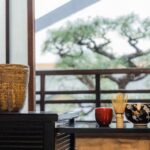
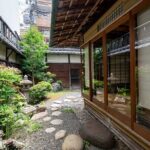
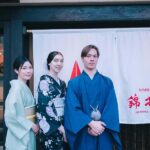
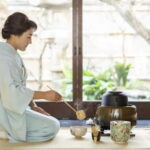
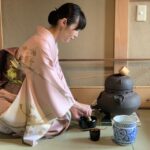
Tea ceremony and matcha: the quiet reset inside a busy temple day
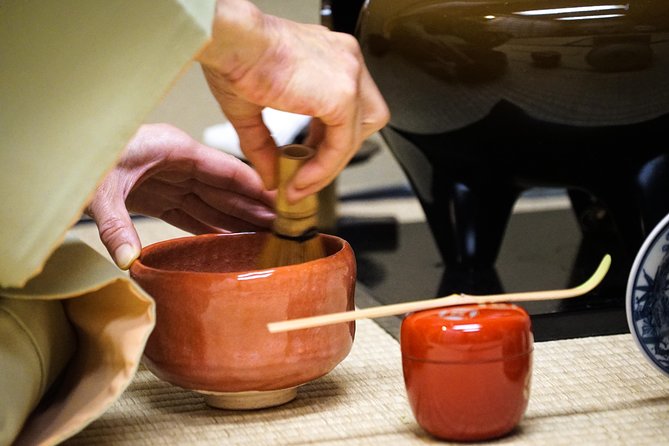
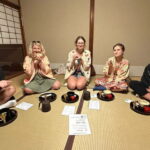
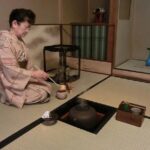
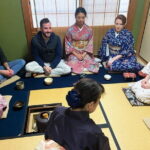
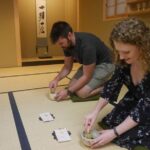
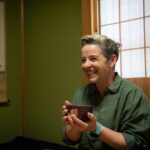
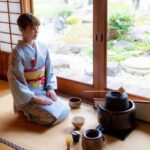
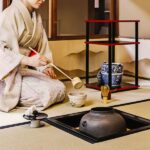
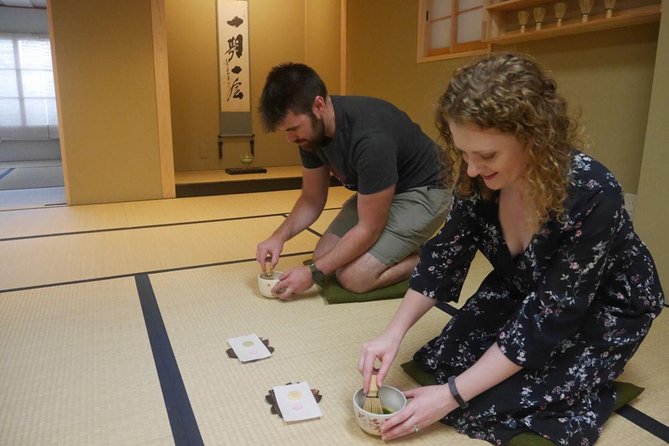
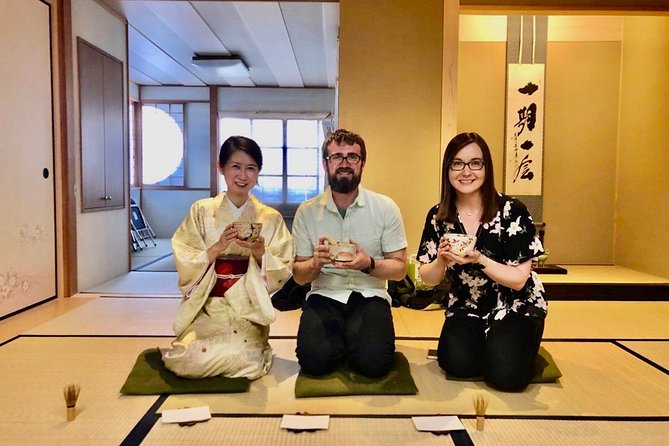
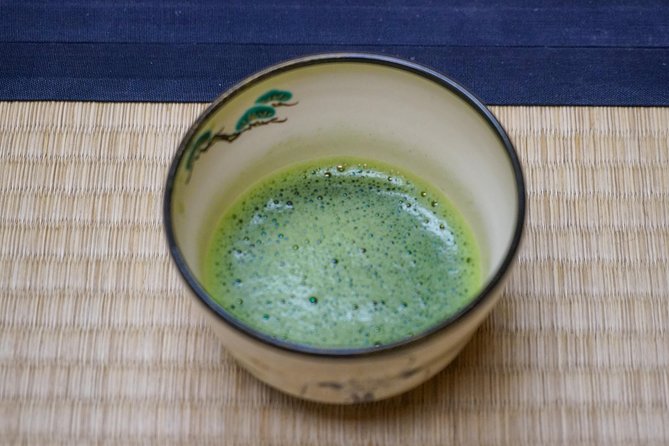
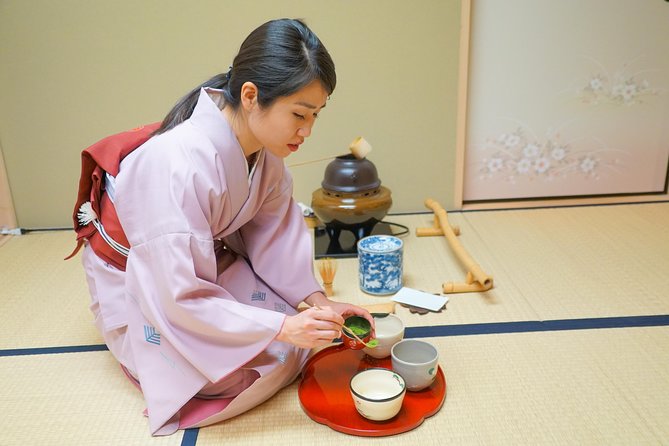
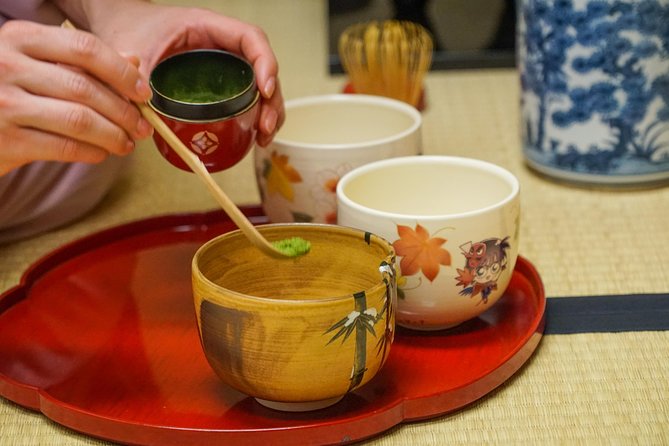
After the temple walking, you get a traditional Japanese tea ceremony experience with matcha (green tea). This is one of the best parts of the day because it changes the pace. Kyoto’s temple areas can be intense: stairs, crowds, and nonstop visual input. Tea gives you a structured pause.
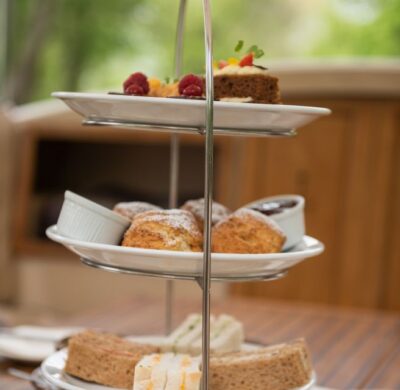
The tour also includes snacks—a few food samplings—so you’re not just drinking matcha on an empty stomach. In one of the tour experiences, the tea ceremony instructor was named Haruki, described as sweet and entertaining. Another experience noted a woman performing the ceremony with visible care and mastery.
That matters because tea ceremonies aren’t just about the drink. They’re about form, attention, and respect. A calm host (and a guide who frames what you’re seeing) makes it easier to follow along instead of feeling lost.
If you’re worried about “I don’t know tea culture,” don’t be. This type of experience is easiest when you take cues from the people leading it, then simply enjoy the sensory details: aroma, texture, and the pace.
Price and what you’re actually paying for (3 hours, but with real costs included)
At $109.39 per person for about 3 hours, this is not a budget half-day. But it’s priced like a tour that includes multiple “paid access” items.
You’re getting:
- Kiyomizu-dera entrance fee
- Tea ceremony
- Matcha
- Snacks (a few samplings)
- A guide for the full walk
- Photos during the tour
- A small group (max 6)
The real value is in the combination. Kiyomizu-dera alone can be easy to overpay for if you only think in terms of entry tickets. Add the tea ceremony, snacks, and a guide who explains what’s going on, and the cost feels more reasonable.
Also, the tour is described as booked on average 30 days in advance, which is a soft hint that people plan for it early—often because tea ceremonies and small-group slots can fill up. If this is on your Kyoto must-do list, don’t leave it to the last minute.
Walking reality check: slopes, summer heat, and how to prep so the day feels good
This is a walking tour in Higashiyama. You’ll be moving through temple approaches and slopes, including the Kiyomizuzaka and Sannenzaka/Ninenzaka areas.
Two practical things from the tour guidance:
- Summer in Japan is hot and humid. Bring water and wear a hat to prevent heat stroke.
- The group is small (max 6), but you should still expect stairs and uneven stone paths.
Pack a compact hydration plan and comfortable shoes. If you’re sensitive to sun, a light layer helps too. And because the tour includes stops with scenery and temple areas, you’ll likely want to pause for photos—so don’t plan another heavy activity right after.
One more thing: the tour notes that food is prepared in kitchens not owned by the operator, and allergy-free guarantees can’t be made. If you have dietary restrictions beyond simple preferences, it’s smart to double-check before you go.
Who this tour fits best (and who should skip it)
This tour fits best if you want Kyoto culture with structure. You like temple sights, but you also want to know what you’re looking at—Kiyomizu-dera, Otowa Falls, and what the ritual means. You also want a calmer, hands-on break in the form of a tea ceremony.
It’s especially good for first-time Kyoto visitors to this neighborhood because it starts at Yasaka Shrine, covers the Kiyomizuzaka lane atmosphere, and then brings you through the temple approach roads like Kiyomizu-zaka and the Sannenzaka/Ninenzaka slopes.
Consider a different option if:
- You need allergy-specific dietary handling that can be guaranteed.
- You hate walking on slopes and stone paths.
- You’re traveling with a child under 6, since the tour states children under 6 years old are not allowed.
Should you book Kyoto Tea Ceremony & Kiyomizu-dera?
Yes—if you want the full Kyoto Higashiyama package in just 3 hours with a guide, entrance included, and a tea ceremony that gives your day balance. The small-group size (max 6) is a big quality-of-life boost, and the Otowa Falls ritual plus the Kiyomizu-dera viewpoint makes the time feel earned.
Book it sooner rather than later if your schedule is fixed, since it’s commonly reserved about a month ahead. And if you’re worried about finding the meeting point, arrive early and take a careful look at the correct gate: Yasaka Jinja Nishiromon Gate (Western Tower Gate).
If you want Kyoto to feel like more than photos, this tour leans into the cultural meaning behind what you’re seeing—without turning the day into a lecture.
FAQ
What is the tour duration?
The tour is about 3 hours.
Where does the tour meet and start?
You meet at Yasaka Jinja Nishiromon Gate (Western Tower Gate), at 625 Gionmachi Kitagawa, Higashiyama Ward, Kyoto 605-0073, Japan. Start time is 9:00 am.
How much does the Kyoto Tea Ceremony & Kiyomizu-dera tour cost?
The price is $109.39 per person.
Is this tour a small-group experience?
Yes. The maximum group size is 6 travelers.
What’s included in the price?
Included are Kiyomizu-dera entrance fee, tea ceremony experience, matcha (green tea), snacks (a few food samplings), photos during the tour, and 3 hours with a Kyoto local guide.
What is not included?
Additional food and drinks are not included.
Is there a mobile ticket?
Yes, the tour features a mobile ticket.
Are there any age restrictions?
Children under 6 years old are not allowed on this tour.
What should I know about allergies or dietary restrictions?
The tour states it cannot guarantee allergy-free or cater to dietary restrictions because food is prepared in kitchens not belonging to the operator. Substitutions may not be possible at certain stops.
Can I cancel for a full refund?
Yes. Free cancellation is available up to 24 hours in advance for a full refund. Canceling less than 24 hours before the start time is not refundable.