REVIEW · TOKYO
Tokyo:Tea ceremony experience at Komaba Warakuan
Book on GetYourGuide →Operated by Japanticket Inc. · Bookable on GetYourGuide
Tea, but not as a tourist show.
At Komaba Warakuan in Tokyo, you get a structured tea lesson inside a school tied to the Kobori Enshu tradition and even work linked to the third Tokugawa shogun. I like that it feels more like learning a craft than watching a performance, and the small group size keeps the pace calm and personal.
Two things I really value here: you can choose Rich tea or Light tea, and the seating style changes the vibe of the room—quiet focus for Rich, brighter chatter for Light. I also like that the experience is set up for beginners, with an instructor guiding you step by step through making tea and serving it with traditional sweets.
The main thing to plan for is practical: the session is in Japanese, and a couple of people noted it can be tricky to find the place. If you’re the type who hates hunting for locations, build in extra time and use whatever clear directions you can get before you go.
In This Review
- Key points to know before you go
- Komaba Warakuan Tea Ceremony: A School, Not a Stage
- Rich Tea vs Light Tea: Choose Your Mood
- The 90-Minute Flow: From Arrival to Tea Room
- What the small group changes
- Inside the Lesson: Tools, Etiquette, and the Stuff You Actually Use
- Tabi socks and why they matter
- Traditional sweets and why they’re part of the point
- Price and Value: Is $56 Worth It?
- Japanese-Language Instruction and Finding the Place
- Who This Tea Ceremony Fits Best (and Who Might Not)
- Should You Book Komaba Warakuan?
- FAQ
- How long is the tea ceremony experience at Komaba Warakuan?
- Is the tea ceremony beginner-friendly?
- Can I choose between Rich tea and Light tea?
- How many people are in the group?
- What’s included in the price?
- What language is the instruction?
- Is there free cancellation?
Key points to know before you go
- Rich tea vs Light tea changes both the mood and the seating style
- Small group of up to 4 keeps instruction slow enough to follow
- You’ll learn the process with a Japanese instructor, designed for beginners
- Traditional sweets and Japanese tea are included with every course
- You’ll wear tabi socks and walk into the tea room through the grounds
- The school’s connection to Kobori Enshu and the Tokugawa shogun gives context to what you’re doing
Komaba Warakuan Tea Ceremony: A School, Not a Stage
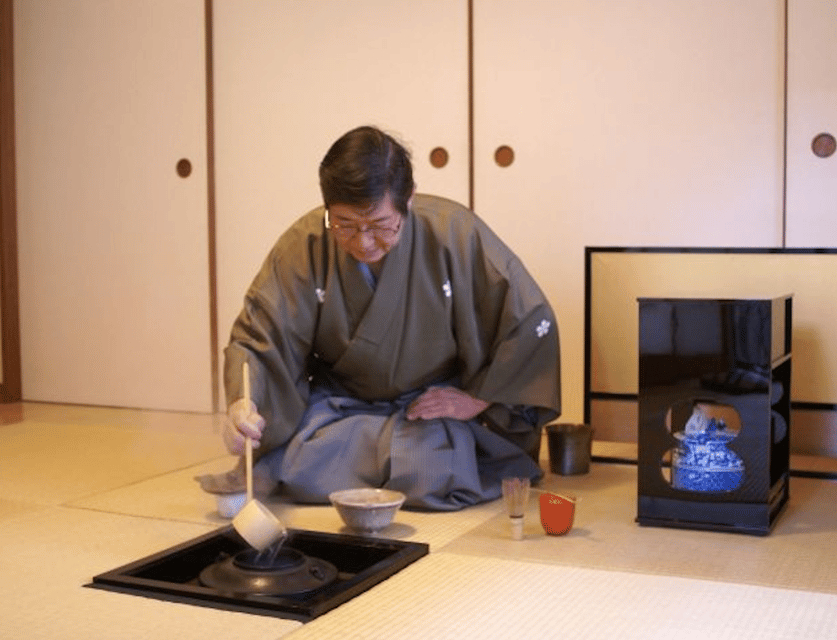
In Tokyo, you can find plenty of tea ceremonies that feel like a show with a few photo stops. This one leans the other way. Komaba Warakuan is described as a long-running school that taught the Kobori Enshu school and also served as a tea ceremony instructor for the third Tokugawa shogun. That matters, because it hints that you’re not just sampling tea traditions—you’re learning a living method.
Even if you know nothing about tea culture, you’re not thrown into confusion. The structure is clear: you arrive, you get the flow of the process explained, then you move straight into the steps. That pacing is part of the value. If you want something relaxing and educational (not stressful), this format is built for that.
The other “why this feels different” factor is how the seating choice affects interaction. You aren’t forced into one atmosphere. Your plan selection quietly shapes your experience, from how you sit to the tone of conversation.
You can also read our reviews of more tours and experiences in Tokyo.
Rich Tea vs Light Tea: Choose Your Mood
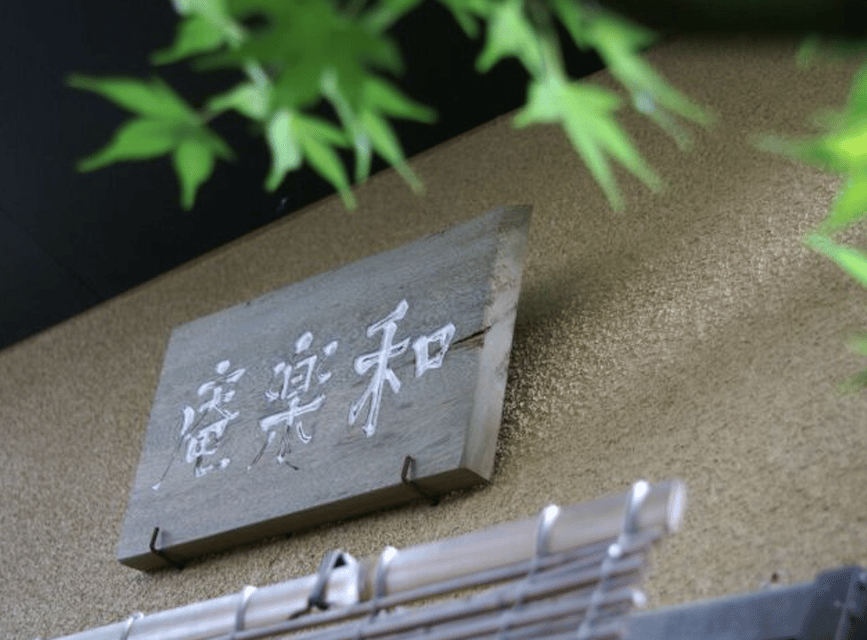
The experience lets you select between two courses: Rich tea and Light tea. It’s not just a flavor description—it’s a different social setup.
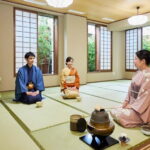
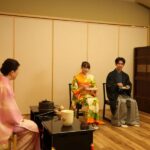
With Rich tea, you get what’s described as a hidden seat. The instruction also points you toward a quieter, more inward way of experiencing the moment. If you like calm, low-talk experiences—something closer to concentration than performance—Rich tea is the safer bet.
With Light tea, you choose the seat of the sun. That sounds poetic, but the practical meaning is simple: the setting encourages brighter, more playful conversation. If you’re traveling with someone, or you naturally warm up by chatting, Light tea can feel more fun and open.
Both courses include Japanese tea and traditional sweets, so you’re not deciding between “tea” and “not tea.” You’re deciding between two room atmospheres. If you’re unsure, I’d match your choice to your energy level: quiet day, go Rich. Social day, go Light.
The 90-Minute Flow: From Arrival to Tea Room
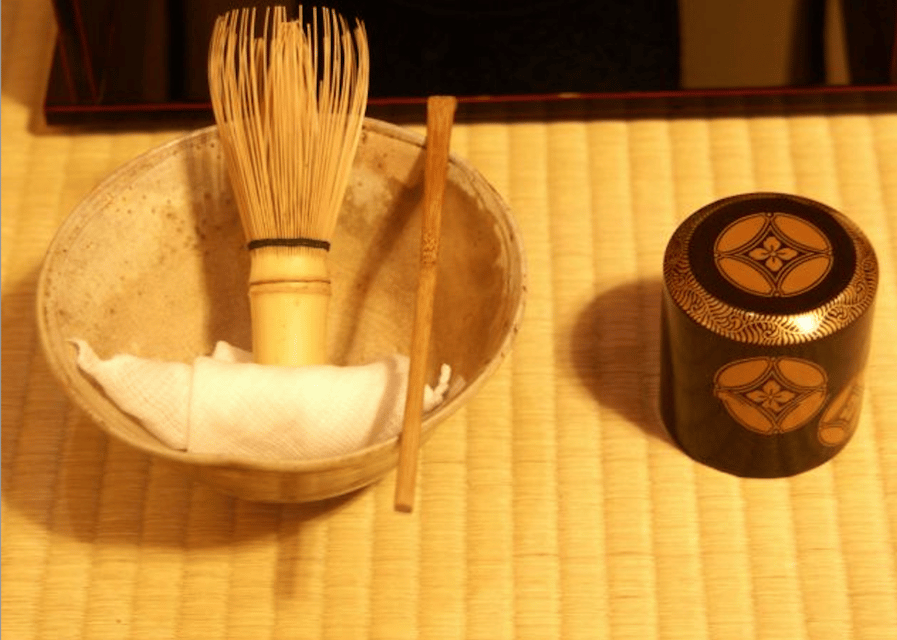
The schedule is short—about 90 minutes to 2 hours—and the steps are straightforward. Here’s what you should expect, in plain order.
First, when you arrive, the instructor explains the flow of the process. This is a big deal for beginners. It means you’ll know what happens next, so your brain isn’t guessing during the ceremony.
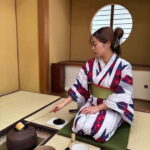
Next comes the clothing switch. You’ll change into tabi socks immediately, then walk to the tea room through the open ground. Tabi socks are provided, but you’re also welcome to bring your own if you already have a pair that fits well. I like this detail because it’s practical: comfort matters when you’re moving at a measured pace.
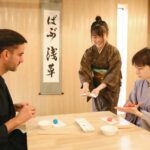
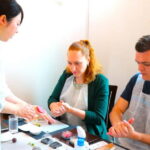
After you’re settled, the instructor teaches you how to make tea carefully. The lesson isn’t described as a rushed cram session. It’s presented as careful instruction, which fits with the small group size limit of up to 4 participants.
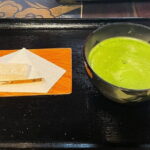
Finally, you’ll experience the full course format, including Japanese tea and traditional sweets. The experience is designed so that you learn the flow and also enjoy the result.
What the small group changes
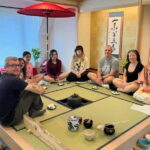
A group of four sounds small because it is. It means you’re more likely to get correction when needed, and you’re less likely to feel like you’re performing in front of a crowd. If you don’t love being watched constantly, this setup is a strong advantage.
Inside the Lesson: Tools, Etiquette, and the Stuff You Actually Use
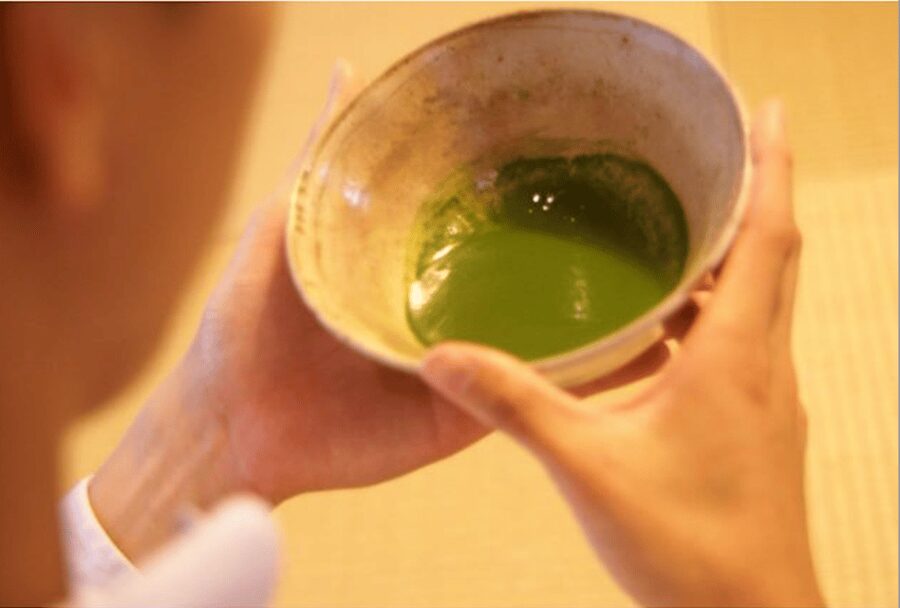
Tea ceremonies can feel mysterious if you only watch from the outside. What makes this experience more useful is that it includes the tools and the method—so you understand what you’re doing.
You’ll be guided through making tea, and you’ll also be given the small items used during the ritual. One example mentioned is Fukusa scissors, described as including items such as a folding fan, paper, a toothpick, and more. The exact tool list may vary in what you’re handed during instruction, but the key point is that you don’t need to arrive fully prepared.
Still, there’s one smart option: if you already have your own tools (the experience specifically encourages bringing your own if you have them), you can use them. That’s helpful if you’ve done tea-related workshops before and want to work with familiar items.

Tabi socks and why they matter
You might think tabi socks are just a dress code. In practice, they help make the whole experience feel like you’re stepping into a specific kind of space. You’ll also get the timing right, because the socks change happens early—right after you arrive—before you walk to the tea room.
Traditional sweets and why they’re part of the point
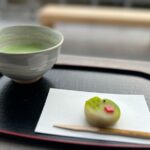
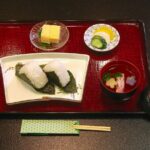
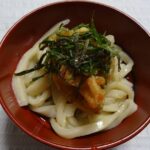
The course includes traditional sweets with the tea. You’re not just drinking something warm—you’re getting the full rhythm of the ceremony as a sequence of taste moments. That’s one of the best ways to understand tea culture without needing prior knowledge.
Price and Value: Is $56 Worth It?
The price listed is $56 per person, and the experience includes the experience fee and tax. That’s the easy math. The harder question is value.
For $56, you’re getting:
- Instruction from a Japanese instructor (not just a script)
- A beginner-friendly structure with a clear flow explained upfront
- A small group limited to 4 participants
- Japanese tea plus traditional sweets
- Time in a historically significant school setting
So you’re paying for more than tea. You’re paying for guided learning with a low-participant ratio. If you’ve ever done experiences in big groups where you barely get time to ask questions, this small size can make the cost feel more fair.
That said, one caution showed up in the feedback: a couple of people felt the pricing was high compared to typical averages. I’d treat that as a reason to sanity-check your priorities. If you’re only looking for a quick photo moment, you might feel it’s too pricey. If you want an instruction-led ceremony with context and calm, the cost starts looking more reasonable.
Japanese-Language Instruction and Finding the Place
Two practical notes matter here.
First, the language is Japanese. The instructor is Japanese, and the experience data indicates Japanese as the language. If you speak little to none, that doesn’t automatically mean you can’t enjoy it. But you should go in expecting that you may have to follow along through gestures, observation, and the pace of teaching rather than full verbal explanations in English.
Second, location finding can be a real factor. Some people said they had difficulty finding it and wished for better directions and pictures. That means you should plan extra buffer time and make sure you have clear instructions for the exact meeting area.
If you’re traveling with strong navigation skills, you’ll probably be fine. If you’re stressed by “where exactly is it?” moments, treat this as a destination to prep for, not a last-minute wander.
Who This Tea Ceremony Fits Best (and Who Might Not)
This experience is especially well matched to a few types of travelers.
- Beginners: The flow is explained, and the instruction is described as careful. This is designed for people who don’t know tea ceremony basics.
- People who want a calm experience: Rich tea leans quieter, and the structure keeps everything measured.
- Families: One review specifically mentioned it worked well even for kids aged 14 and 11, and described the ceremony as educational and relaxing. If you’re bringing teenagers who can sit still and pay attention, this could be a good fit.
- History-minded travelers: The school connection to Kobori Enshu and the third Tokugawa shogun gives you a reason to care about what you’re learning—not just the motions.
Who might hesitate?
- If you want an English-speaking guide and very detailed explanations you can fully understand verbally, the Japanese-language format could feel limiting.
- If you hate unclear directions or you’re arriving without much planning, the “hard to find” note is worth taking seriously.
Should You Book Komaba Warakuan?
If you’re weighing this against other tea experiences in Tokyo, I’d book it if your priority is learning the process and experiencing a more school-based, instruction-led ceremony.
I’d think twice if:
- You strongly need English during the lesson,
- You’re likely to feel annoyed by finding the location,
- Or you’re chasing the cheapest tea moment rather than a guided, small-group lesson.
For most travelers who want something authentic, respectful, and not rushed, this is a solid choice. The Rich vs Light option is also a smart touch because it lets you tune the mood: quiet and focused, or brighter and more conversational.
FAQ
How long is the tea ceremony experience at Komaba Warakuan?
The duration is listed as 90 minutes to 2 hours, depending on availability and starting times.
Is the tea ceremony beginner-friendly?
Yes. The experience is described as beginner friendly, and the instructor explains the flow of the process after you arrive.
Can I choose between Rich tea and Light tea?
Yes. You can choose between Rich tea and Light tea, and each one has a different seating style and vibe.
How many people are in the group?
It’s a small group limited to 4 participants.
What’s included in the price?
The experience includes the experience fee and tax, plus the tea and traditional sweets as part of the courses.
What language is the instruction?
The session is in Japanese.
Is there free cancellation?
Yes. There is free cancellation up to 3 days in advance for a full refund.
![Sigiriya, Kandy to Ella TRain Ride plus Up Country TEA[B&B Basis] - Sinharaja Forest Reserve: UNESCO Nature Time With Tickets Sorted](https://1.teatravelguide.com/wp-content/uploads/sigiriya-kandy-to-ella-train-ride-plus-up-country-tea-b-b-basis-400x267.jpg)