REVIEW · HUE VIETNAM
Hue Retreat: Tea and Meditation with Vegetarian Meal
Book on GetYourGuide →Operated by CONNECTTRAVEL · Bookable on GetYourGuide
Few experiences in Vietnam slow you down.
This Hue retreat pairs a pagoda visit with monks-led tea meditation, so the evening feels both spiritual and practical. I especially like the simple rhythm: tea in hand, then guided breathing that makes stillness easier than you’d expect.
You’ll also get a vegetarian meal as part of the night, which is a nice bonus after sitting for a while. I found the English live guide helps you connect the religious meaning to everyday Vietnamese life. The only catch: you’ll be asked to sit and focus, so if you hate quiet or long periods of no talking, plan for that upfront.
In This Review
- Key things I’d circle before you go
- Your 6:00 pm pickup in Hue Center, and why timing matters
- Hue Pagoda: a place where you can read the room
- Tea and monk-led meditation: what you’re actually doing
- How the breathing practice usually feels
- A practical note for your comfort
- The human side: conversations and compassion you can see
- Vegetarian dinner: calm food after a quiet mind
- Price and value: is $36 fair for this kind of evening?
- Who this suits best (and who might feel restless)
- What to bring so the evening feels easy
- Should you book Hue Retreat: Tea and Meditation with Vegetarian Meal?
- FAQ
- What time does the Hue Retreat tour start?
- How long is the tour?
- Where does the tour take place?
- Who leads the meditation and tea?
- Is the meal vegetarian?
- What’s included in the price?
- Is the tour wheelchair accessible?
- What’s not included?
- What’s the cancellation and payment flexibility?
Key things I’d circle before you go
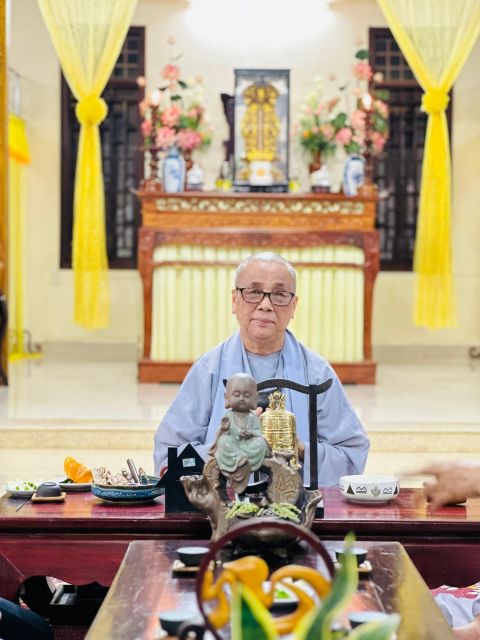
- Tea first, then breathing: you start with a warm pot of tea before meditation so your body settles too.
- Monks lead the practice: you’re not just watching; you’re joining the group meditation.
- Hue Pagoda visit: you get the setting where Vietnamese Buddhism is lived, not staged.
- English explanation during the night: the guide helps translate what you’re seeing and doing.
- Vegetarian dinner afterward: you finish with a satisfying meal without needing to plan anything extra.
Your 6:00 pm pickup in Hue Center, and why timing matters
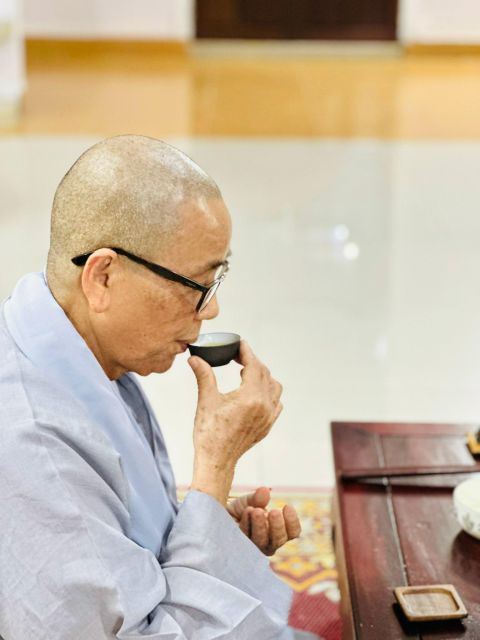
The tour runs in the evening, starting around 6:00 pm with hotel pickup in Hue Center. That timing matters because Hue’s pagodas are at their best when the day cools down and the crowds thin out. You also avoid the stress of daytime heat and walking.
You’ll ride in an air-conditioned vehicle with your group. That’s not just comfort. It helps you arrive fresh enough to sit still and pay attention when the meditation part begins. The tour ends around 9:00 pm, so you’re not committing your whole night or losing your next day.
A small but real value point: bottled water is included, and the tour includes travel insurance. When a night is mostly quiet and seated, you want your basic needs already handled.
Hue Pagoda: a place where you can read the room
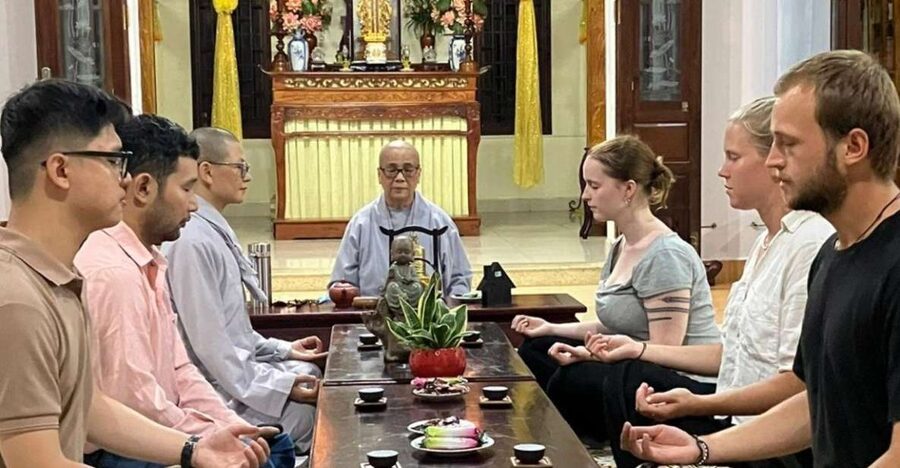
The evening starts at Hue Pagoda. The goal here isn’t photo tourism. It’s to understand how Vietnamese Buddhism shows up in daily practice—through worship spaces, quiet routines, and the way people move in respectful rhythm.
What you can expect at the pagoda is time to walk through the space with your guide, then hear context about Vietnamese Buddhism. Some pagoda visits can feel like a lecture. This one aims for understanding, then participation, which helps the later meditation make more sense.
One thing I like about a pagoda stop like this: it’s an opportunity to slow your brain down before you sit. Once you’ve taken in a calmer setting, the meditation step doesn’t feel like something random you were dropped into. It feels like the logical next step.
Tea and monk-led meditation: what you’re actually doing
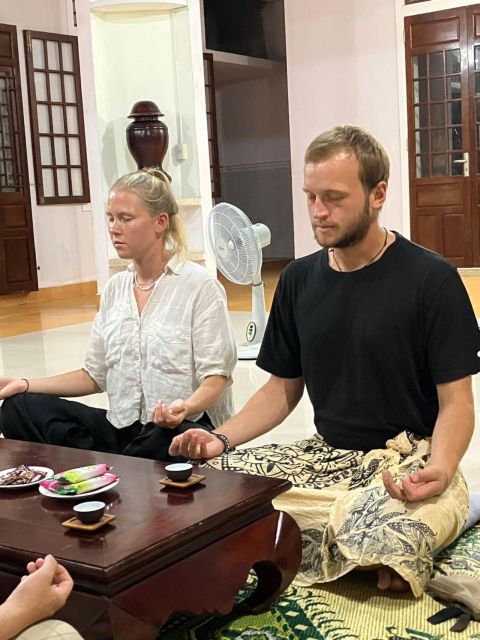
This is the main event: tea and meditation with monks.
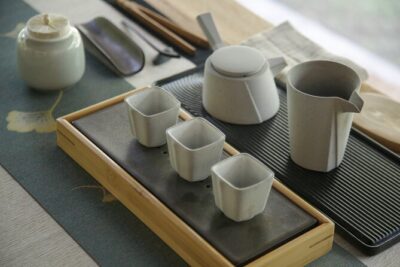
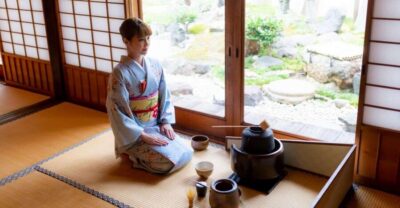
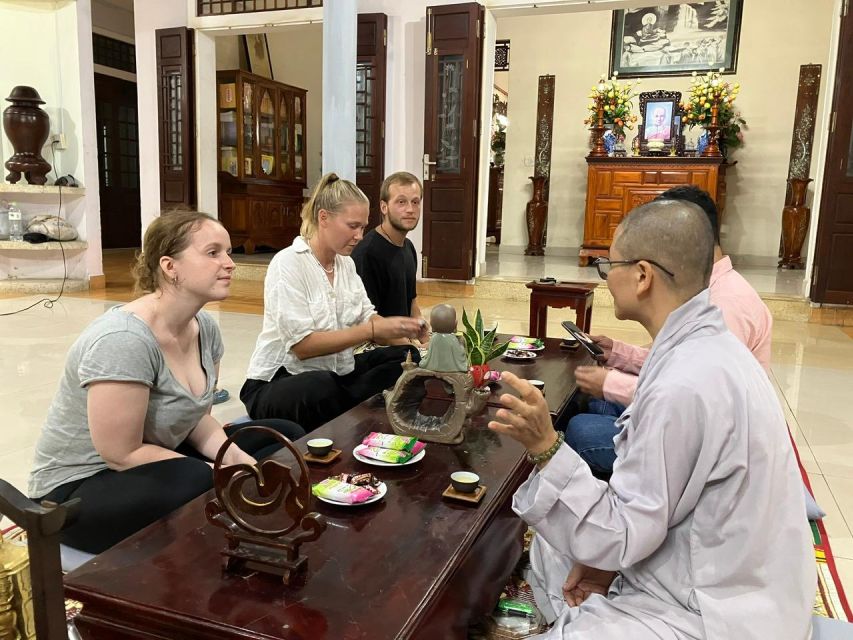
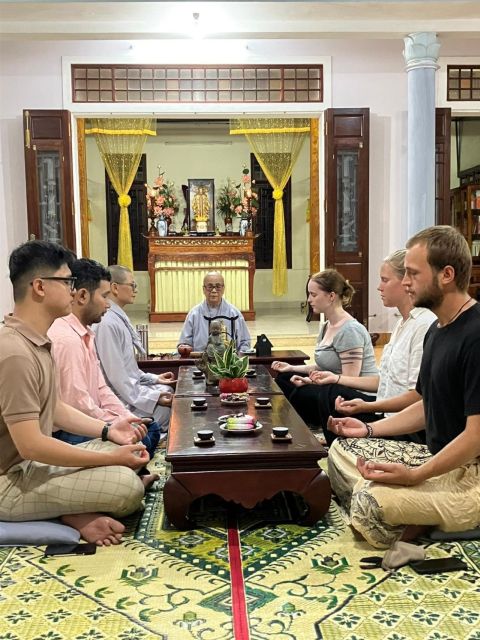
After meeting the monks, you get guided time for meditation. You’ll sit together with a pot of hot tea and practice breathing and meditating while you’re in a space filled with incense scent and the steady hush of a group session. The tea is important. Warmth matters. It takes the edge off your body so you can stay present without feeling restless or distracted.
How the breathing practice usually feels
You’ll be guided toward staying still and focusing on breath. In plain terms, that means:
- you’re breathing with attention, not trying to force anything dramatic
- you’re learning how to keep your mind from running off every few seconds
- you’re doing it in a group, so you’re not stuck trying to figure out meditation alone
It’s not “mystical performance.” It’s simple discipline. And that’s why I like it for visitors: it gives you something concrete you can repeat later, even at home.
A practical note for your comfort
You’ll likely sit for a while. Wear clothes you can sit in comfortably. If you’re someone who gets restless in silence, don’t fight it—bring a gentle attitude. Focus on your breath first, not on how long it lasts.
The reviews’ theme is the same: people feel welcomed, and the meditation feels meaningful because it’s done with real teachers, not just a script. Also, having your guide there in English makes a difference. You’re not guessing what’s happening.
The human side: conversations and compassion you can see
One of the most praised parts of the experience is the human connection built into the pagoda visit. Some guests mention meaningful conversations with the monks and sharing details about the community work connected to the nuns, including care for children at an orphanage.
Even if you’re not expecting this, I think it’s worth keeping in mind: this tour can connect the spiritual setting to real compassion in action. That can be emotional in a quiet way. It’s not about charity as a performance—it’s about understanding that religion here isn’t only prayers; it’s also service.
If this side of the visit matters to you, come mentally prepared for it. One guest said they wished they had brought small items like sweets, coloring pens, or books. The tour data doesn’t say you’ll be able to hand anything out, so don’t assume. But having a thoughtful attitude works either way.
Vegetarian dinner: calm food after a quiet mind
After meditation, you’ll head to dinner: a vegetarian meal at a local restaurant with your guide and group.
Food is part of the reset. After sitting and focusing, your body wants something steady and satisfying. Vegetarian food in Vietnam can be surprisingly flavorful, and this stop also makes it easier for you to plan the evening. You don’t need to hunt for a restaurant afterward or worry about dietary timing.
A small tip: eat at a pace that lets you come down from the meditation headspace. You’ll likely talk more here than earlier, so enjoy it. This is also where your guide can help you make sense of what you experienced—especially if you’re curious about Buddhist practices and Vietnamese daily life.
Price and value: is $36 fair for this kind of evening?
At $36 per person for about 3 hours, this isn’t an impulse bargain, but it also isn’t a luxury niche price. It lands in the “reasonable for a guided, structured experience” zone.
Here’s why that cost can feel fair:
- Hotel pickup and an air-conditioned vehicle are included
- you get an English live guide
- the key activities—Hue Pagoda visit + tea + monk-led meditation—are the core value
- bottled water is included
- travel insurance is included
- you also get vegetarian dinner included
You’re paying for coordination and teachers, not just a location. If you tried to do this on your own, you’d likely spend time sorting logistics and figuring out how to participate respectfully with monks. This tour hands you the structure and the language help.
The only value drawback is simple: since it’s a seated meditation experience, you won’t get the kind of nonstop sightseeing some people expect. If you want motion, pick something busier. If you want quiet and meaning, the price-to-experience ratio can feel right.
Who this suits best (and who might feel restless)
This is a strong fit if you want:
- a calm evening plan in Hue that doesn’t turn into a sprint
- monk-guided meditation with support from an English-speaking guide
- a culture-focused pagoda visit paired with tea and reflection
- vegetarian food without you having to plan it
It may be less ideal if you:
- hate sitting still for any length of time
- need constant entertainment or frequent photo stops
- prefer to explore religious sites on your own without guidance
The best way to decide is to think about your goal for the day. If you’ve been walking Hue hard and you want to slow down, this works. If you’re looking for busy, loud attractions, it won’t match that mood.
What to bring so the evening feels easy
The tour includes bottled water, but you can still make your life easier:
- Comfortable clothes for sitting
- Shoes you can take on and off if needed around sacred spaces
- A light layer if you’re sensitive to evening cool air
- An open mind for quiet, breath-focused practice
And if you feel moved by the community side of the visit, bring a thoughtful attitude. The tour data doesn’t promise donation opportunities, so don’t assume you’ll hand anything over. But you can still approach with kindness and curiosity.
Should you book Hue Retreat: Tea and Meditation with Vegetarian Meal?
Yes, if you’re looking for a calm, guided evening that mixes Hue Pagoda with monk-led tea meditation and ends with a simple vegetarian meal. I like that the experience is structured around participation, not just sightseeing. And at $36, you’re getting more than a transfer and a meal—you’re getting real teaching time and an English guide.
Skip it if you want a packed itinerary with lots of movement. This tour is built for stillness. If that sounds like your kind of night, book it and plan to show up ready to breathe, listen, and let the evening be quiet.
FAQ
What time does the Hue Retreat tour start?
Pickup is around 6:00 pm from hotels in Hue Center, and the tour finishes around 9:00 pm.
How long is the tour?
The duration is 3 hours.
Where does the tour take place?
The experience is in Hue, Central Vietnam, and includes a visit to Hue Pagoda.
Who leads the meditation and tea?
You’ll meet monks and practice tea and meditation with them, with a live English tour guide.
Is the meal vegetarian?
Yes. Dinner includes a vegetarian meal at a local restaurant.
What’s included in the price?
Included items are bottled water, an air-conditioned vehicle, and travel insurance.
Is the tour wheelchair accessible?
Yes, the activity is listed as wheelchair accessible.
What’s not included?
Personal expenses are not included.
What’s the cancellation and payment flexibility?
Cancellation is free up to 24 hours in advance for a full refund. You can also reserve and pay later.