REVIEW · DALAT
Tea & Coffee Tour
Book on GetYourGuide →Operated by HOMELAND TOURIST · Bookable on GetYourGuide
Coffee and tea meet old France in Dalat. This 5-hour private trip mixes real plantation time with stops that look straight out of a photo book. I especially like the English-speaking guide who keeps things clear and genuinely interesting, not just a script.
You also get a well-paced blend of agriculture and sights: Arabica processing steps, tea picking on the Cau Dat hills, and a big-ticket cultural stop at Linh Phuoc Pagoda. One thing to keep in mind is that the schedule is busy, and one optional stop switches depending on opening hours—plus lunch costs extra if you want it.
If you want a full Dalat taste in one morning-to-afternoon block, this tour does the job. Just plan on moving between several places and bringing a little patience for time on the road.
In This Review
- Key highlights I’d circle on your map
- Why Dalat’s tea and coffee tour feels practical
- Price and logistics for up to 2 people
- Old Railway Station of Indochina: French facades and cog-rail atmosphere
- Arabica coffee plantations: from picking to instant coffee
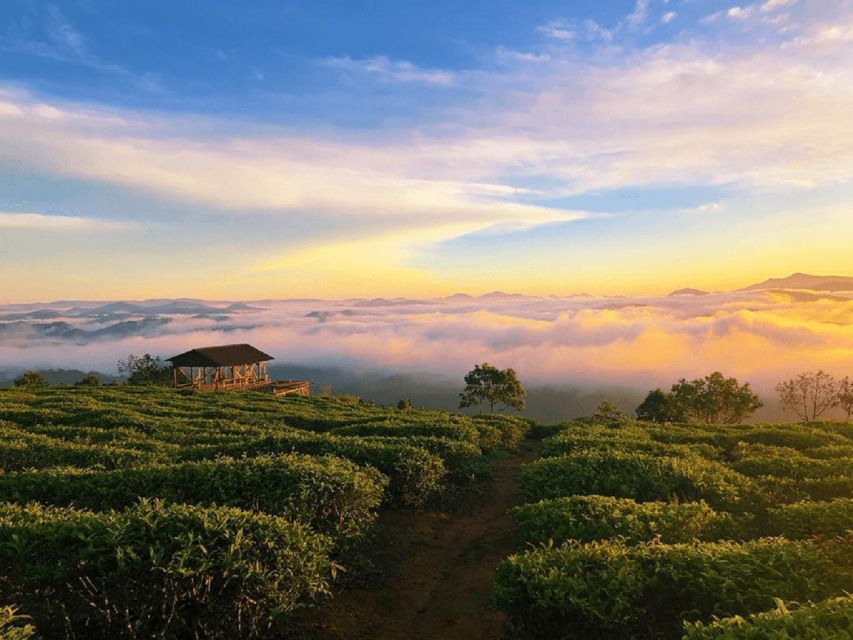
- Cau Dat tea plantations: walking the hills where tea is picked
- Winery showroom (or tea museum): a smart choice based on opening hours
- Linh Phuoc Pagoda: glass-and-porcelain mosaics and the 49m dragon
- Datanla Waterfall after lunch: nature break in the middle of the day
- Coffee shop wrap-up: a final cup with context
- Who this tour is for (and who might skip it)
- What’s included in the value (and where you’ll spend extra)
- Should you book the Tea & Coffee Tour?
- FAQ
- How long is the tea and coffee tour?
- What time does the tour start?
- Where will you pick me up?
- Is this a private tour?
- How much does it cost?
- What’s included in the price?
- Is lunch included?
- Which stops are part of the itinerary?
- Is wine tasting included?
- Is there free cancellation or pay later?
Key highlights I’d circle on your map
- Old Railway Station of Indochina: French architecture, a Japanese steam locomotive, and the cog railway feel
- Arabica coffee plantation walkthrough: picking, drying, milling, and making Arabica instant coffee
- Cau Dat tea hills: tea varieties with a view of the work happening on the slopes
- Linh Phuoc Pagoda: glass-and-ceramic mosaics and a long dragon made with bottle fragments
- Datanla Waterfall stop: a nature break after lunch before your final coffee cup
- Coffee shop wrap-up: an expert-led story so your last sip makes sense
Why Dalat’s tea and coffee tour feels practical
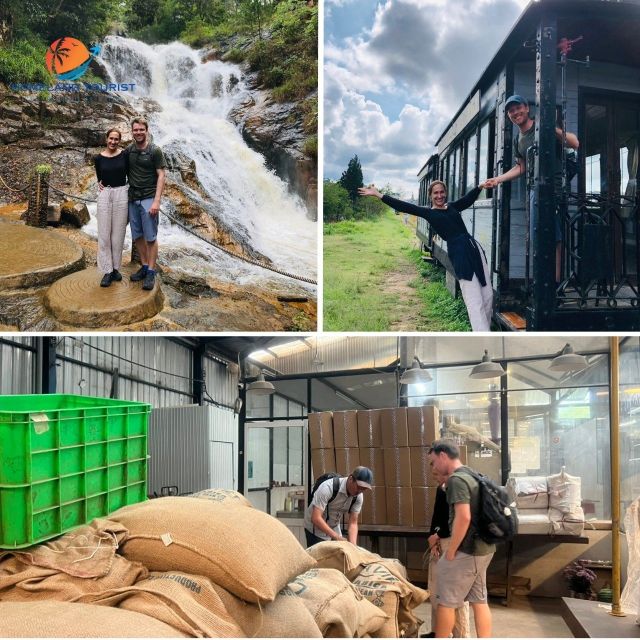
Dalat’s cool, highland vibe is perfect for tea and coffee, and this tour treats the plants like more than decoration. You’re not just watching scenery—you’re seeing how the work actually happens: picking, selecting, drying, milling, and (for coffee) turning seeds into something you can taste later.
I like that the day doesn’t get stuck in only one lane. You get agriculture stops (coffee and tea) plus two major “Dalat must-see” style attractions: Linh Phuoc Pagoda and the waterfall. That mix is great if you’re short on time and want variety without chaos.
One more plus: it’s a private group. With up to 2 people, you’re less likely to feel rushed by a big crowd, and your guide can keep answers focused on what you care about—coffee science, tea types, or just what life looks like around the plantations.
You can also read our reviews of more tours and experiences in Dalat.
Price and logistics for up to 2 people
This tour costs $128 per group, for up to 2 people. That pricing makes the tour feel more like a hired local morning with a set plan than a “cheap bus trip.” In return, you get a guide, a private vehicle, entrance fees/permits, and bottled water.
The total time is about 5 hours, and the exact start time depends on availability. Pickup is built for convenience: the guide collects you from your hotel (or any spot in the Dalat center). Plan to be ready in the lobby 10 minutes before you’re scheduled.
Because the day is tightly organized, it’s best if you’re okay with a structured itinerary. If you like to wander slowly at every stop, you might feel the pace. But if you’re the kind of traveler who wants smart coverage with minimal wasted time, this is a strong format.
Old Railway Station of Indochina: French facades and cog-rail atmosphere
The tour opens with a stop at the Old Railway Station of Indochina—a classic Dalat scene with ancient French-style architecture. Even before you reach the plantations, you get that atmospheric “how did this town become like this?” feeling.
What makes it more than a quick photo stop is the machinery and rail detail. You’ll see an old steam locomotive tied to Japan and the cog railway system with Swiss technology. This matters because it’s not just pretty backdrops; it helps you understand how Dalat was connected and built.
If you’re interested in how infrastructure shaped places, this first stop is a nice warm-up. It also gives you a leg stretch before you head out toward Cau Dat plantations.
Arabica coffee plantations: from picking to instant coffee

Next comes the heart of the day for coffee lovers: Arabica coffee plantations around Cau Dat. Here, the guide focuses on the process, and that’s the difference between a casual farm visit and a meaningful coffee tour.
You’ll learn the steps, starting with picking coffee and selecting coffee at the field. Then the tour moves through how seeds are dried and how they’re processed in the factory/milling stage. The goal is to understand how those coffee seeds become Arabica instant coffee, described as having a special taste and a nice fragrance.
What I like about this segment is that it connects farm work to what ends up in your cup. Even if you don’t consider yourself a coffee nerd, the sequence helps you appreciate quality and effort—because you can literally trace how the flavor gets shaped.
Tip for your visit: keep your questions ready. “What affects flavor most?” and “How does processing change taste?” are the kind of questions a guide can answer using what they see on the ground.
Cau Dat tea plantations: walking the hills where tea is picked
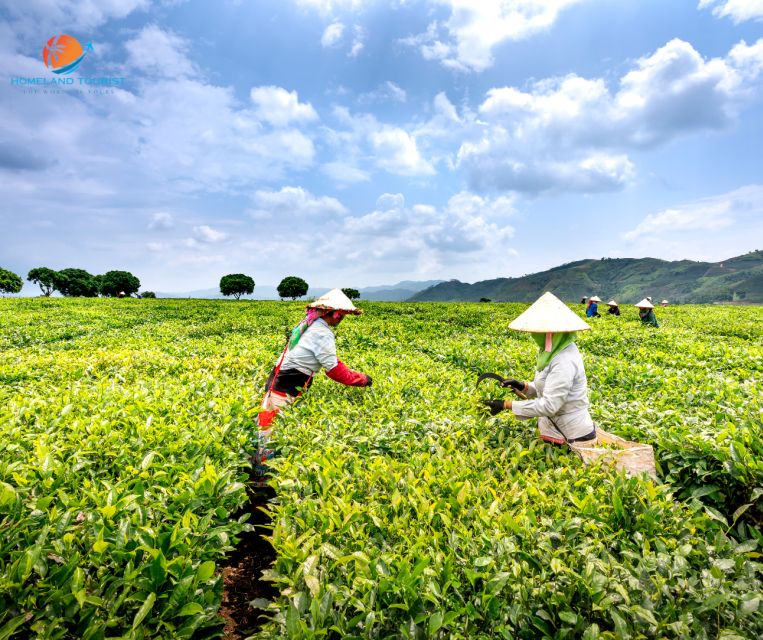
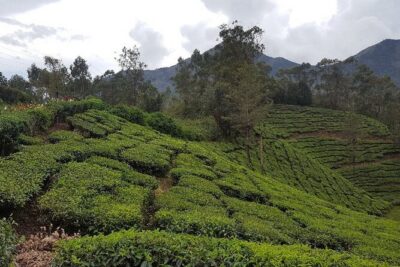
Tea is the other main act, and the tour takes you to tea plantations on the green Cau Dat hills. You’ll see multiple kinds of tea and watch the work that happens on the slopes—especially the way tea picking is done by local workers, including women dressed in color as they harvest the leaves.
This is one of those tours where the visuals are good, but the value is in the understanding. The guided approach helps you connect plant growth and harvesting methods to what tea ends up tasting like. And since Dalat’s climate supports tea, the setting feels like it actually belongs to the product.
One small timing note: the day includes an additional choice later (wine showroom or a tea museum), so the tea visit is best enjoyed as part of the full flow rather than as an open-ended stroll.
Winery showroom (or tea museum): a smart choice based on opening hours
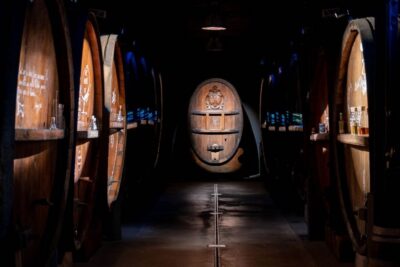
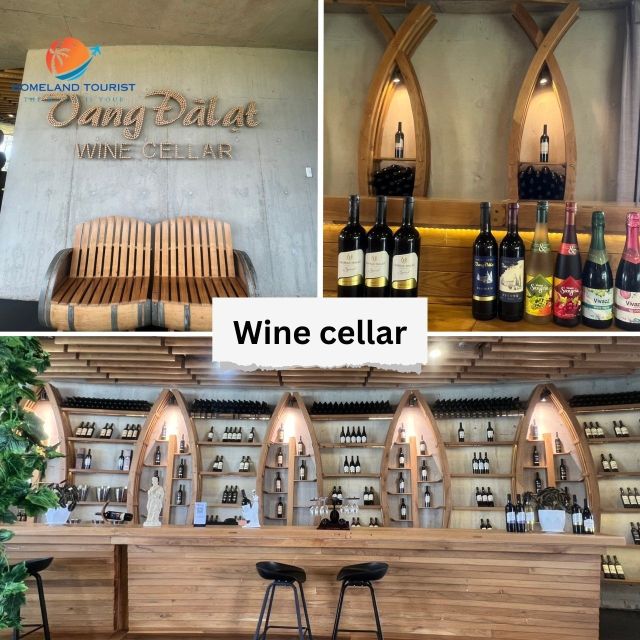
After tea, you’ll head to the Winery & Showroom of Dalat wine, where the guide explains the wine production process and you can taste the wine. There’s a catch: this stop depends on the factory’s opening hours.
If the winery isn’t operating when you arrive, you can instead visit a Tea Museum. The tour gives you the option to choose one place—winery showroom or tea museum—based on what’s open.
I like this flexibility because it prevents the day from stalling. You still get a “production side” experience, either through wine making or through tea-focused education. It also means you should be mentally ready for a small plan change depending on the day you go.
Linh Phuoc Pagoda: glass-and-porcelain mosaics and the 49m dragon
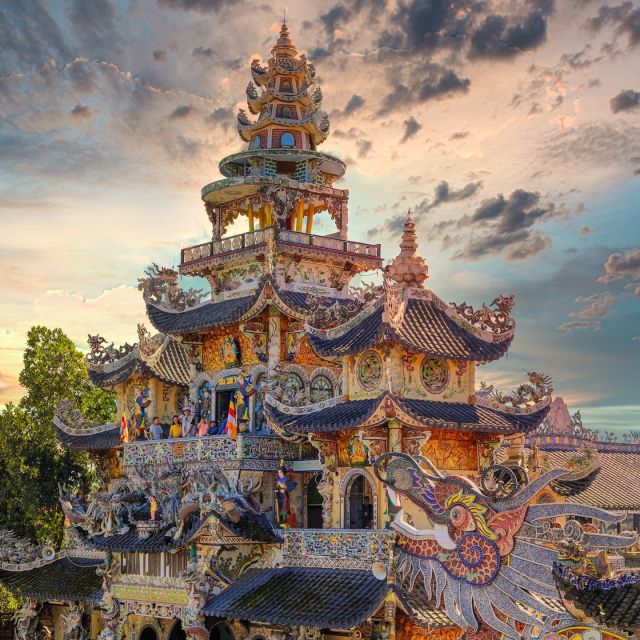
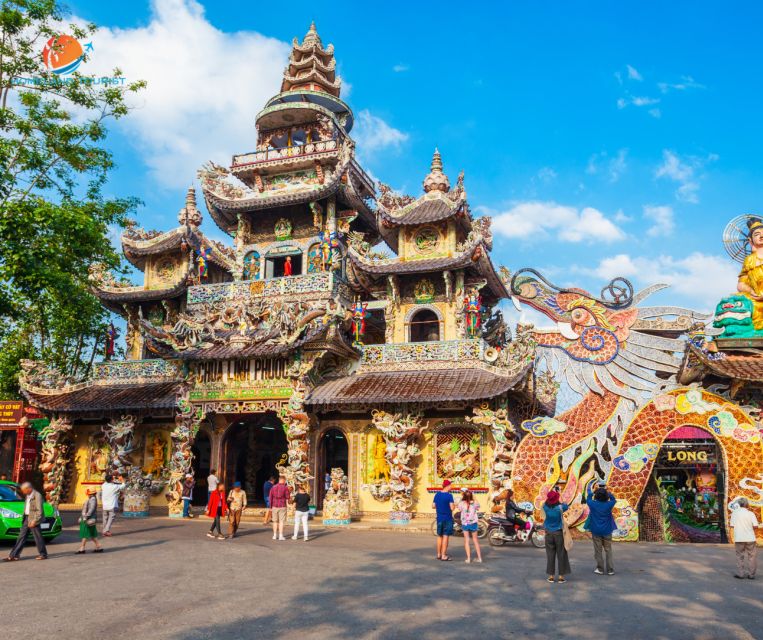
Then you jump to Linh Phuoc Pagoda, one of the most unusual stops in the Dalat area. The architecture is built from debris of glass, pottery, and porcelain, forming colorful paintings. It’s not subtle, and that’s part of the point.
The pagoda also features a distinctive Guan Yin statue made with immortal flowers of Vietnam. Another wow detail is the 49m long dragon, with its fin covered in fragments of 50 thousand bottles of beer.
Even if you’re not into temples, this stop lands because it’s visual and specific. It’s the kind of place where you can spend time looking without needing a deep background lecture. Your guide can point out key elements, but you’ll also get plenty just by walking the space and spotting the materials.
Datanla Waterfall after lunch: nature break in the middle of the day
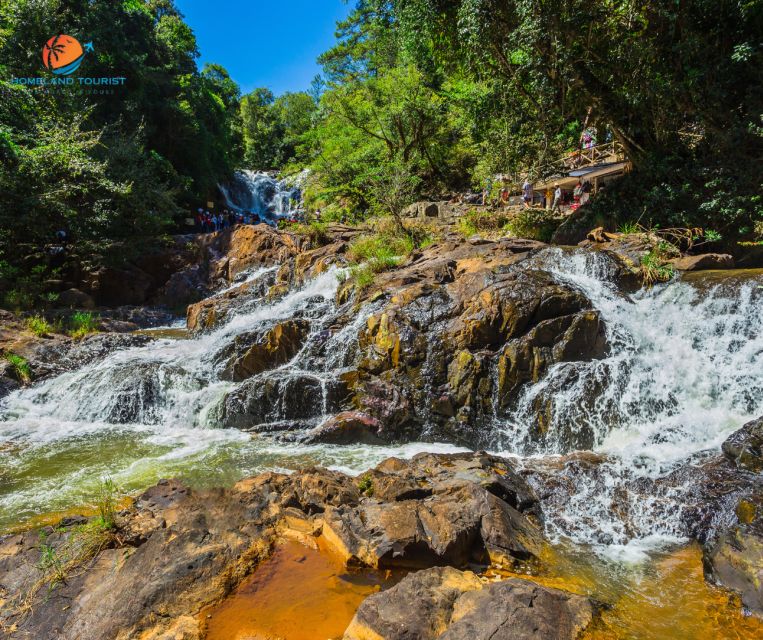
In the afternoon, the tour visits Dantala Waterfall (often written as Datanla). It’s positioned as a nature counterweight: after coffee and tea, you get movement, air, and a change of pace.
Lunch is not included in the base price. If you want it, it’s available as an extra cost of $10 per person. If you do add lunch, it helps balance the day so the waterfall visit doesn’t feel like you’re racing on an empty stomach.
The waterfall segment is about discovering the impressive falls and also the mysterious feel of Dalat’s natural setting. It’s a good time to put your phone away for a bit and just take in the atmosphere, because you’ll likely be taking pictures later anyway.
Coffee shop wrap-up: a final cup with context
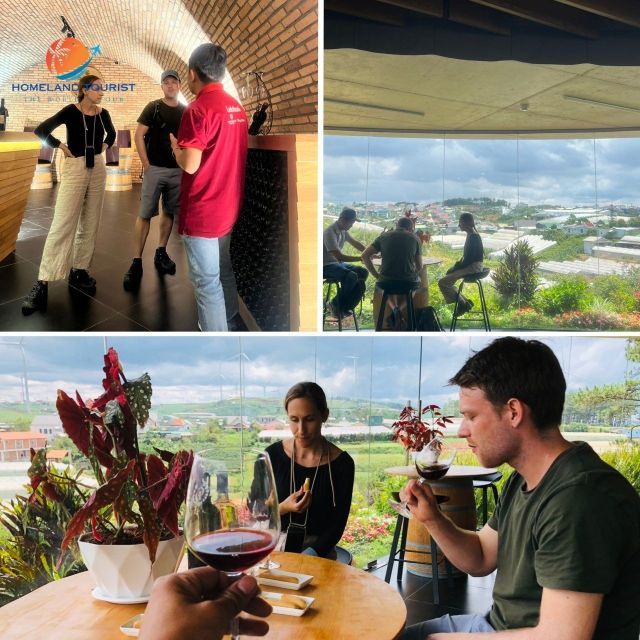
The day ends at a coffee shop, where you can enjoy your cup of coffee. This isn’t just a stop to buy something—it’s where the guide helps explain the coffee story in Dalat and shares the experience you learned earlier.
This wrap-up is a smart move. After you’ve seen picking, drying, milling, and the instant coffee process, the final sip becomes more meaningful. You’re tasting with a framework, not just checking a box.
If you’re the type who always wonders why coffee tastes like it does, this is where that curiosity gets answered—at least in the way a guided local story can.
Who this tour is for (and who might skip it)
This tea and coffee tour is a great fit if you want:
- A private, English-guided day with real plantation processing explanations
- A mix of agriculture plus major Dalat sights
- A structured itinerary you can finish in about 5 hours
It may not be ideal if you:
- Want a long, unhurried hike at every stop
- Expect lunch to be included in the price
- Are very sensitive to schedule changes from opening hours (because the winery/showroom vs tea museum option depends on what’s operating)
One more practical point: since the price is per group up to 2 people, it’s best when you’re traveling with a partner or friend who also wants coffee and tea. Solo travelers might still enjoy it, but the cost per person can feel higher than bigger-group tours.
What’s included in the value (and where you’ll spend extra)
The included list is solid for a short day. You get an English speaking tourist guide, a private vehicle, entrance fees and tourist permits, and bottled water. There’s also a voucher for a BBQ restaurant of Homeland Tourist, plus a 5% discount on a second booking with the company.
That BBQ voucher is a nice bonus because it extends the “worth it” feeling beyond the actual sites—assuming you use it. The discount is small, but it’s still a helpful perk if you plan more activities in the area.
What’s not included is lunch. If you choose to add it, it’s $10 per person. Also, medical coverage including evacuation insurance is recommended, though it’s not part of what’s sold.
Should you book the Tea & Coffee Tour?
I’d book it if you want a guided Dalat day that connects production to taste. The coffee and tea plantation parts aren’t vague: you learn processes, then you taste later at the winery and finish with a coffee cup at the end. Add in Linh Phuoc Pagoda’s distinctive design and the Datanla Waterfall break, and you’ve got a well-rounded day without needing multiple separate tickets.
Skip it (or swap your plan) if you dislike schedules or you’re mostly after slow travel. This is structured, and the value is in the full sequence working together.
If you’re deciding between a casual sightseeing loop and a coffee/tea-focused experience, this leans toward the second one—while still delivering major Dalat sights.
FAQ
How long is the tea and coffee tour?
The tour lasts about 5 hours.
What time does the tour start?
Starting times vary, so you’ll need to check availability to see the available pickup times.
Where will you pick me up?
The guide picks you up at your hotel or any place in the Dalat center.
Is this a private tour?
Yes. It’s a private group for up to 2 people.
How much does it cost?
It’s $128 per group (up to 2 people).
What’s included in the price?
You get an English speaking tourist guide, private vehicle, entrance fees and tourist permits, bottled water, and a voucher for a BBQ restaurant of Homeland Tourist.
Is lunch included?
No. Lunch is not included, but you can add it for $10 per person.
Which stops are part of the itinerary?
You’ll visit the Old Railway Station of Indochina, Arabica coffee plantations, tea plantations in Cau Dat, and Linh Phuoc Pagoda. In the afternoon you’ll go to Dantala Waterfall and end at a coffee shop.
Is wine tasting included?
Yes, the winery/showroom stop includes learning about wine production and tasting wine, but it depends on the factory opening hours.
Is there free cancellation or pay later?
Yes. You can cancel up to 24 hours in advance for a full refund, and you can reserve now and pay later.