REVIEW · KYOTO
Kyoto: Kimono and Tea Ceremony Experience at Cultural Asset
Book on GetYourGuide →Operated by Tondaya, Co., Ltd. · Bookable on GetYourGuide
Kyoto slows down in one old townhouse. In this 140-year-old machiya at Tondaya, you get dressed in a silk kimono and then watch a tea master run a classic ceremony in a traditional townhouse setting. I love how the space feels real, with woodwork, small garden views, and artifacts that make it easy to picture daily life in old Kyoto.
I also like the rhythm of the experience: quick kimono dressing, a guided house walk, then the tea steps explained clearly enough to follow. One thing to consider is that the standard format is a group experience, so it can feel crowded, and you might wait depending on the time slot.
In This Review
- Key points at a glance
- Tondaya Machiya: A 140-Year-Old Kyoto Townhouse You Can Actually Stand In
- Silk Kimono Dressing Room: Quick Fitting, Real Rules, Real Photos
- The Guided House Walk: Rooms, Gardens, and Little Context Clues
- The Tea Ceremony With a Tea Master: How the Steps Feel in Real Time
- Photo Time and Your Realistic Timing: When the Best Shots Happen
- Price and Value in Kyoto: What $222 Covers, and What It Doesn’t
- Group vs Private at Tondaya: How Crowds Change the Tea Experience
- Who This Kyoto Kimono and Tea Ceremony Is For (and Who Should Skip It)
- Should You Book This Kimono and Tea Ceremony at Tondaya?
- FAQ
- Where is the meeting point for the experience?
- How long does the Kyoto kimono and tea ceremony experience last?
- Is this a private experience or a shared group?
- What is included in the ticket price?
- What should I bring, and what rules apply for feet?
- Is hair styling or makeup included?
- What languages are used during the experience?
- Is there free cancellation?
Key points at a glance
- 140-year-old, culturally recognized machiya: You’re not just watching from the outside.
- Silk kimono dressing: High-quality garments fitted by staff, often quickly.
- Tea ceremony in a traditional townhouse: A tea master performs in the house setting.
- Photo-friendly pacing: You get time for your own pictures (with a few rules).
- Group dynamics matter: Noise and phone use can affect the calm.
- Socks only: Bare feet are not allowed, and socks are required.
Tondaya Machiya: A 140-Year-Old Kyoto Townhouse You Can Actually Stand In
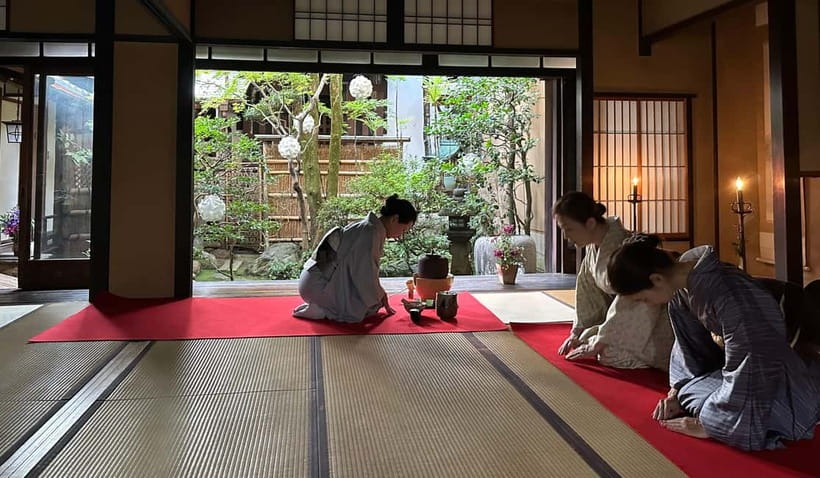
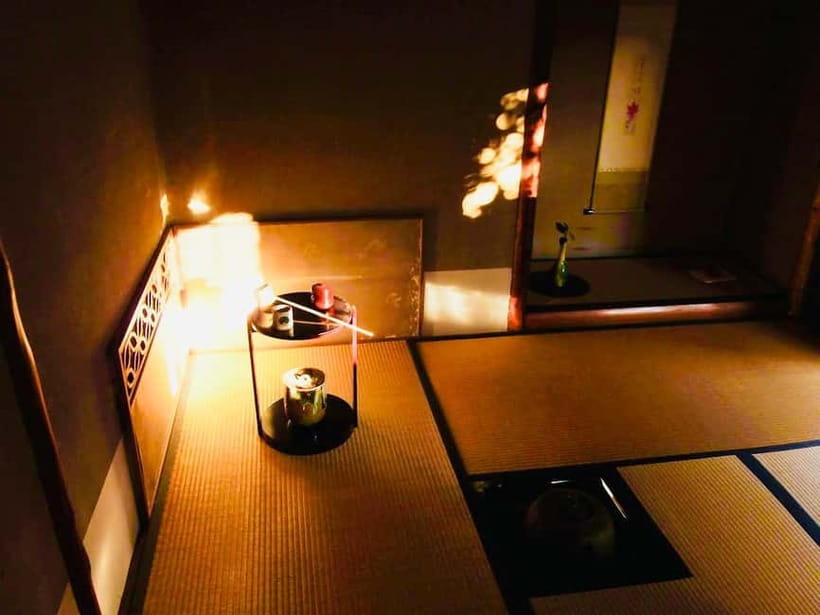
Your start point is Tondaya, a machiya that’s officially recognized as a cultural landmark by Kyoto City Government. That matters, because the venue is part of the show. You’ll step into a traditional townhouse with the kind of handmade detail that’s hard to replicate in a staged studio.
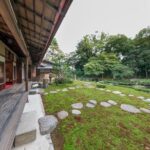
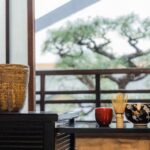
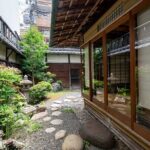
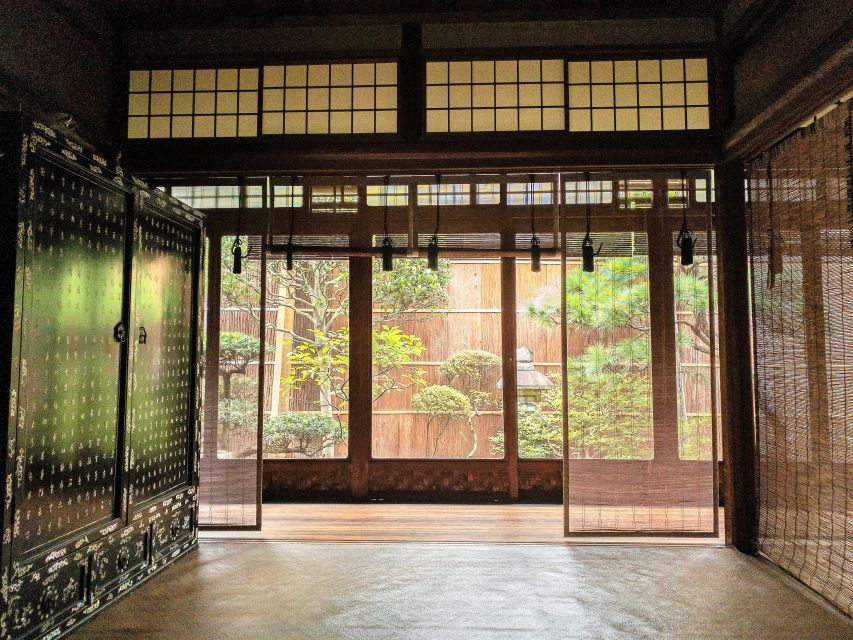
What you’ll notice first is how intimate the rooms feel. In a Kyoto neighborhood that’s less of a postcard squeeze, you get a calmer sense of scale. The property also has a garden-like feel in the background, plus historical artifacts that help explain why the house is worth protecting.
This is one of those Kyoto experiences where the setting does half the work. It’s not just wearing a costume. You’re learning how tea culture fits into everyday spaces—quiet rooms, controlled movements, and guests treated like they’re visiting a home, not lining up for a performance.
You can also read our reviews of more tours and experiences in Kyoto.
Silk Kimono Dressing Room: Quick Fitting, Real Rules, Real Photos
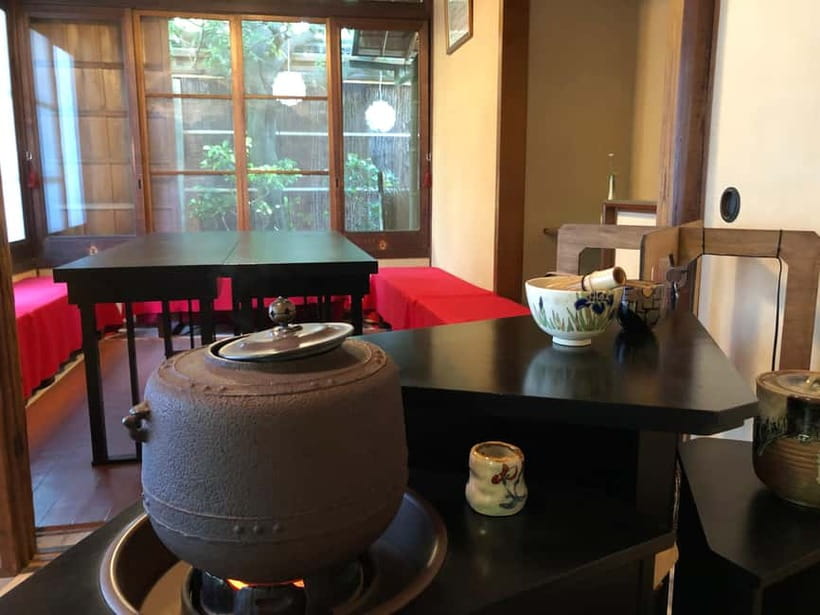
The kimono portion is one of the most fun parts, and it tends to move fast. The experience includes kimono dressing, and the fitting can take about 5 minutes once staff have you in the right layers.
Two practical things shape the whole experience. First, you must wear socks—bare feet are not allowed. Second, your clothes near the neck matter: wear something not too tight so your kimono style sits correctly.
There are also photo rules tied to the dressing process. You won’t be taking pictures while you’re actively dressing, and you shouldn’t expect filming during the moments when the kimono is being adjusted or removed. The good news is you typically still get plenty of time for photos once you’re ready, including opportunities in the house and garden areas.
One useful heads-up from past guests: sizing and kimono choice can vary. If you’re tall, you might be placed into larger kimono options that can be solid-colored rather than the more patterned styles some shorter guests receive. It’s still silk and still authentic, but it can change the look of your photos.
The Guided House Walk: Rooms, Gardens, and Little Context Clues
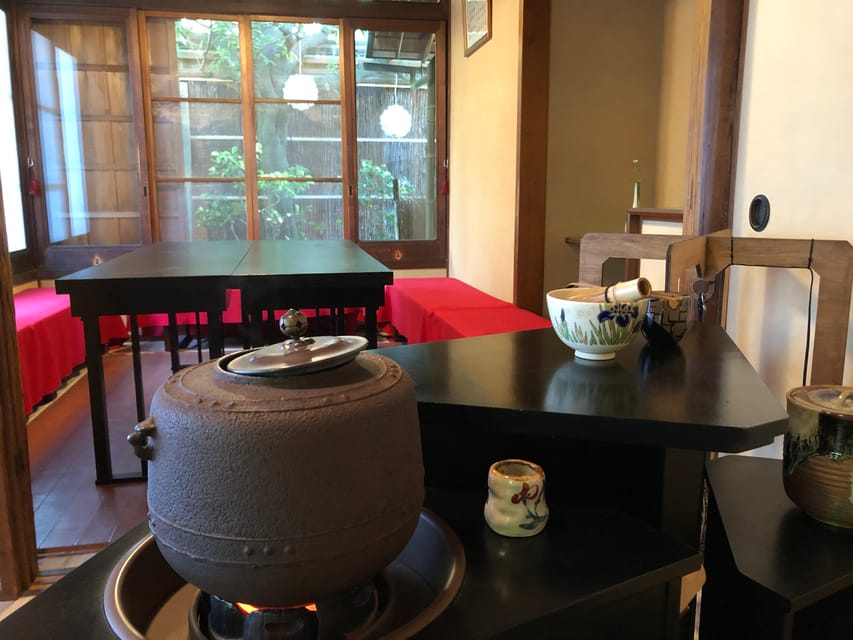
After the dressing, you’ll get a guided walkthrough of Tondaya. The goal is to connect what you’re seeing—woodwork, traditional layout, and artifacts—with why a machiya like this matters.
This is where you’ll probably notice how the experience is built around storytelling. Staff are experienced in traditional arts (kimono, tea ceremony, calligraphy, ikebana), so you should get explanations about what you’re wearing and how the house functions as a setting for culture.
Language can be a factor. Staff may not all speak English fluently, and a translation device may be used when needed. In practice, the tour still works if you keep your questions simple and pay attention to the demonstrations. It’s also a nice way to practice patience: you’re there for calm, not speed.
Crowding can influence this part, too. If the group is large, you may feel like you’re sharing space rather than moving through the rooms at your own pace. If you want maximum quiet and more back-and-forth questions, the private option is worth considering.
The Tea Ceremony With a Tea Master: How the Steps Feel in Real Time
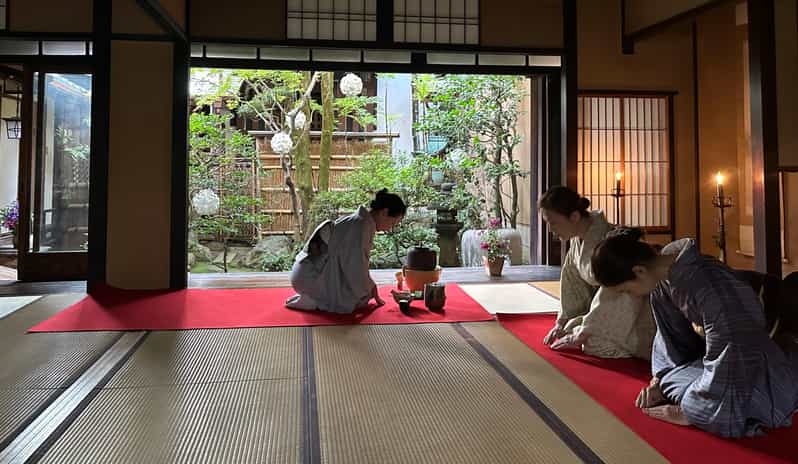
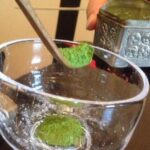
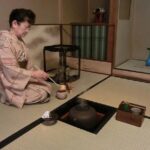
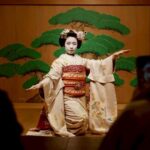
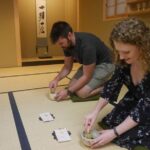
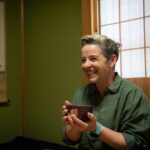
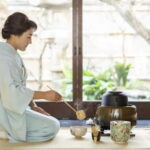
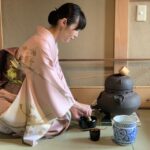
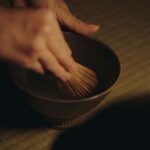
Then comes the ceremony. You’ll watch an authentic Japanese tea ceremony in a traditional machiya, guided by a seasoned tea master. Tea is treated as inseparable from Japanese culture here, not as a side activity.
What makes it special is the pace. Tea ceremony movements are deliberate, and the room setting amplifies that effect. Even if you’ve seen tea demonstrations elsewhere, this feels different because you’re inside the original type of environment where the ritual would fit naturally.
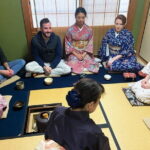
Seating style can vary. You might be seated on the floor, with only a few small chairs available. Your view of the tea master can depend on where you’re placed, so if seeing the hands and tools clearly is important to you, arrive early and listen carefully during seating.
Also, etiquette affects your experience. The tea ceremony works best when your group behaves quietly—phones down, voices low, no last-second interruptions. One rude moment can throw off the calm, and it’s unfair to the hosts who are trying to keep everything graceful and orderly.
Photo Time and Your Realistic Timing: When the Best Shots Happen
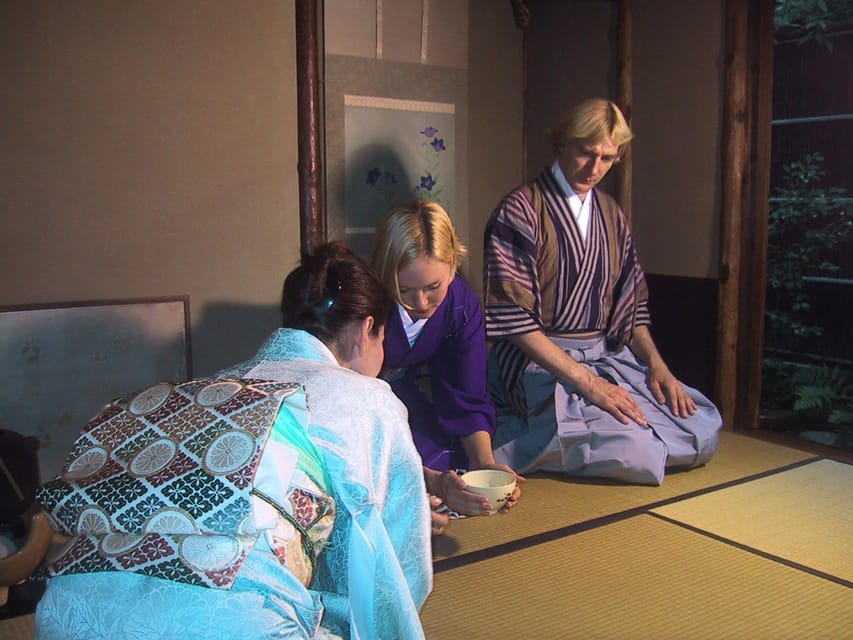
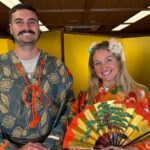
You’ll get time for photos, and this part is usually a highlight. Past guests have praised having enough time to take their own shots and even getting help taking pictures in kimono.
Just remember the limits: photos are restricted during dressing and during the process of changing out of the kimono. Once you’re dressed, though, the machiya setting becomes a natural backdrop—paper lantern vibes, wood tones, and small garden sightlines that look great in camera.
Timing can also run a bit longer than the headline duration. The schedule says 90 minutes to 4 hours depending on the start time, and if you arrive early you should plan for extra minutes while staff get you ready. This is normal here. If you’re trying to bolt to the next stop, give yourself buffer time.
If you’re sensitive to crowds, aim for a calmer mindset rather than a perfect shot. Even in a larger group, you can still get intimate-looking photos because the rooms are enclosed and the pacing is guided.
Price and Value in Kyoto: What $222 Covers, and What It Doesn’t
This experience costs $222 per person, and it’s not a bargain. So the value question is simple: does it give you something you’ll actually remember beyond the photos?
Here’s what you’re paying for, based on what’s included: entrance fee, the tea ceremony, and kimono dressing. That’s a lot more than a quick photo session, because staff actively fit and manage the kimono, then guide the ceremony in a protected cultural space.
The extras you should expect to pay yourself (or bring) are also clear. Socks are required, but they’re not included. Hair styling and makeup are not included, so you’ll want to show up with your hair manageable and accept that the look you get is mostly from the kimono and whatever you do beforehand.
It can feel pricey, but many guests basically buy it for three moments: getting dressed in silk, the tea ceremony performed right there, and the house tour that makes it feel like more than a one-hour gimmick. If you want a calm, structured cultural experience in a real Kyoto townhouse, the price starts to make sense.
Group vs Private at Tondaya: How Crowds Change the Tea Experience
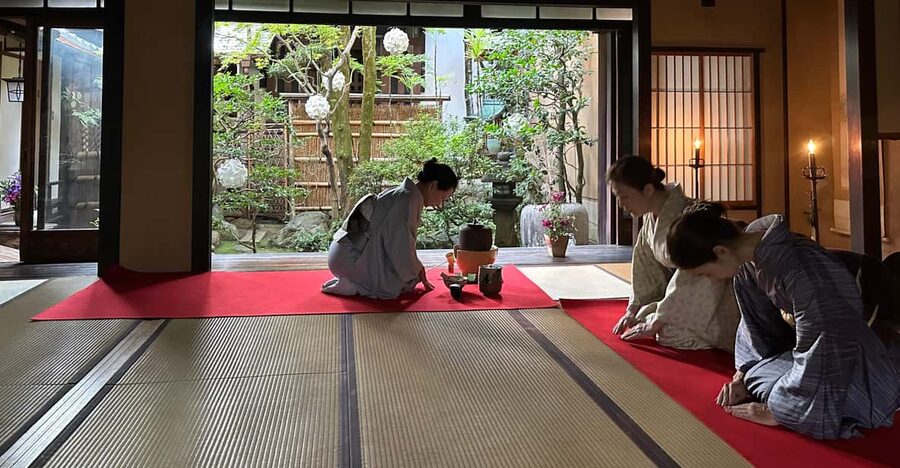
The default format is group-based, and the ceremony happens with other participants. A private option exists, and if your goal is maximum quiet, that’s your lever.
When the group is well-behaved, the experience feels smooth. When people are noisy or phone-happy, it can get distracting fast. Tea ceremony etiquette isn’t optional here; it’s the whole point. Past guests have noted issues caused by loud behavior, filming that blocks sightlines, and general impatience.
So if you’re choosing between standard and private, think about what you want most:
- If you mostly want photos plus a guided ceremony, group can work fine.
- If you want more explanation time and a calmer mood, private is the smarter fit.
Also note: group formats can include waiting. If you’re on a strict itinerary, keep a little slack in your day. And if you hate sitting politely while others file through, this may feel less relaxed than you hoped.
Who This Kyoto Kimono and Tea Ceremony Is For (and Who Should Skip It)
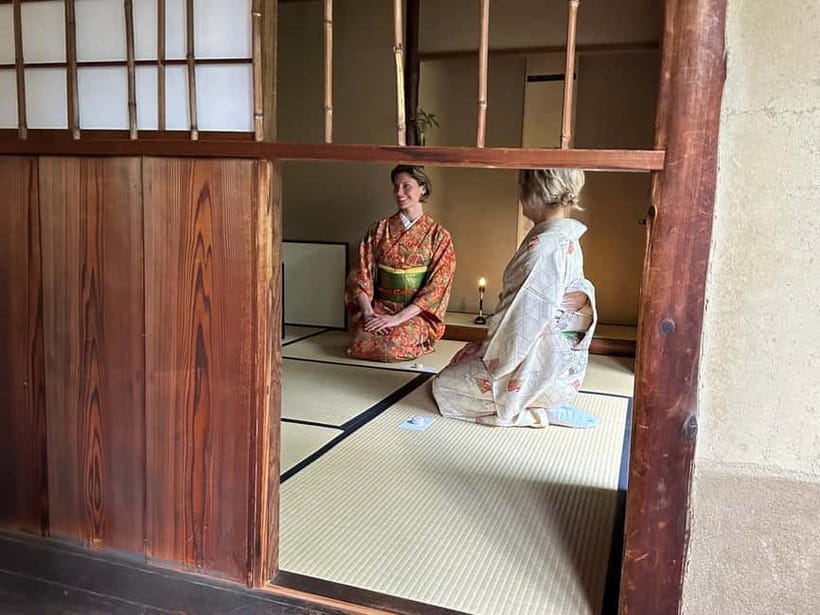
This tour is a great match if you want a classic Kyoto experience without DIY guessing games. You’ll get clear structure: kimono dressing, a guided walkthrough, and a tea ceremony with an actual tea master. If you care about traditional arts and you like the idea of practicing respectful silence for a while, you’ll probably love it.
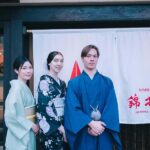
It’s also a strong choice if photos are part of your travel story. The setting is perfect for portraits, and staff usually help with picture time once you’re dressed.
Where it may not click is if you want lots of deep garment education every minute. Some guests have said they’d like more detail about the garments themselves—origins, significance, and specific explanations. Also, if you need fluent English throughout, language can vary among staff, and translation tools may be used.
Finally, be honest about your tolerance for group behavior. If you can’t stand the idea of sharing quiet space with strangers, pay attention to the private option.
Should You Book This Kimono and Tea Ceremony at Tondaya?
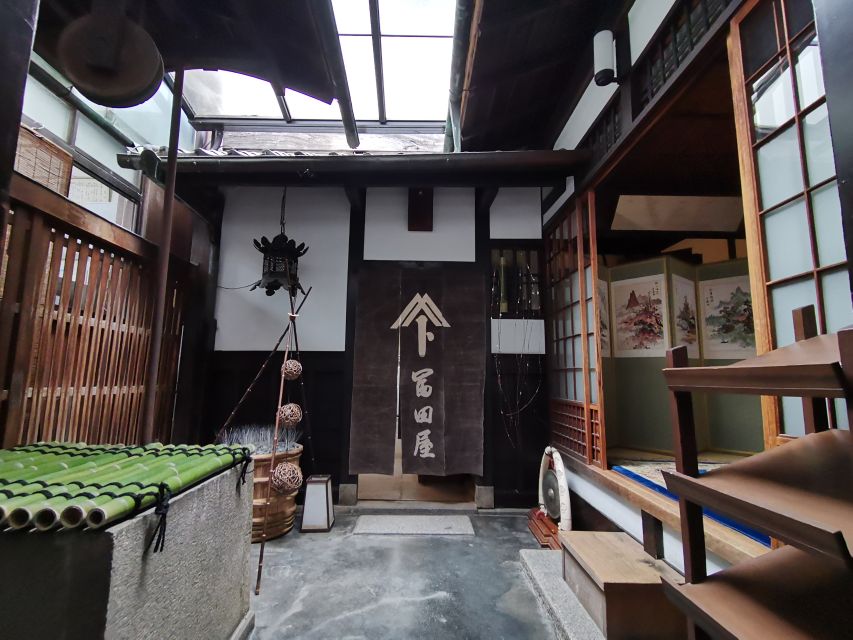
I’d book it if you want a real Kyoto townhouse experience with a silk kimono and a tea ceremony performed on-site. The venue itself is the draw, and the structure makes it easy to understand what you’re seeing without needing background knowledge.
I’d think twice if you’re extremely sensitive to crowd noise or you know you won’t be able to keep your phone put away. In a shared group format, other people’s manners can affect your zen.
Quick checklist before you go: bring socks, wear clothing that won’t fight the kimono fit, and plan to arrive on time. If you do those three things, you give yourself the best chance at a calm, photo-worthy Kyoto moment that feels more like a visit than an assembly line.
FAQ
Where is the meeting point for the experience?
Meet at Tondaya – Nishijin Japanese Cultural Experience Museum, 697 Ishiyakushichō, Kamigyo Ward, Kyoto, Japan.
How long does the Kyoto kimono and tea ceremony experience last?
The experience duration is listed as 90 minutes to 4 hours, depending on the scheduled start time you choose.
Is this a private experience or a shared group?
It’s conducted with other participants by default. There is a private experience option if you want a more private setting.
What is included in the ticket price?
Entrance fee, the tea ceremony, and kimono dressing are included.
What should I bring, and what rules apply for feet?
Bring socks. Bare feet are not allowed, and you should refrain from wearing stockings.
Is hair styling or makeup included?
No. Hair styling and makeup are not included.
What languages are used during the experience?
The experience includes English and Japanese. If not all staff speak English fluently, an interpreter may be arranged and a translation device may be used when necessary.
Is there free cancellation?
Yes. You can cancel up to 24 hours in advance for a full refund.