REVIEW · MARRAKECH
Moroccan Hands on traditional pastries & Tea class in Marrakech
Book on Viator →Operated by Marrakech Cooking Class With Chef Khmisa · Bookable on Viator
In This Review
- Pastry skills in a Marrakech living room.
- Key reasons this class is worth your time
- A Marrakech Medina Home Cooking Class, Not a Show
- What You Learn: Corne de Gazelle, Ghriba, and Mint Tea
- Corne de gazelle (horn-shaped pastries)
- Ghriba (Moroccan cookies)
- Moroccan mint tea (made your way)
- How the Class Flows Once You’re Inside
- The Biggest Upside: A Learning Experience That Feels Like Family Time
- Price and Value: Is $40.65 a Good Deal?
- Timing and Logistics: Rue Bab Doukkala Is Simple, But Don’t Be Late
- Who This Class Suits Best
- Quick Tips to Get More Out of Your 3 Hours
- Should You Book This Moroccan Pastries & Tea Class?
- FAQ
- How long is the Moroccan pastries and tea class in Marrakech?
- Where does the class start?
- What pastries are included in the lesson?
- Is tea included?
- What do you take home at the end?
- Is hotel pick-up included?
- How big is the group?
- What happens if weather is poor?
- Can I cancel for a refund?
Pastry skills in a Marrakech living room.
This class is interesting because you learn Moroccan pastry techniques inside a real private home in the medina, not at a demo station. I like the focus on traditional home methods and the way the session pairs baking with the Moroccan tea ritual right from the start. You also get hands-on instruction for filled pastries like corne de gazelle and cookies such as ghriba.
One thing to keep in mind: you’ll need to be on time for your chosen slot, and there’s no hotel pick-up. If you miss the start, you may lose your spot or have to sort out a different time.
Key reasons this class is worth your time
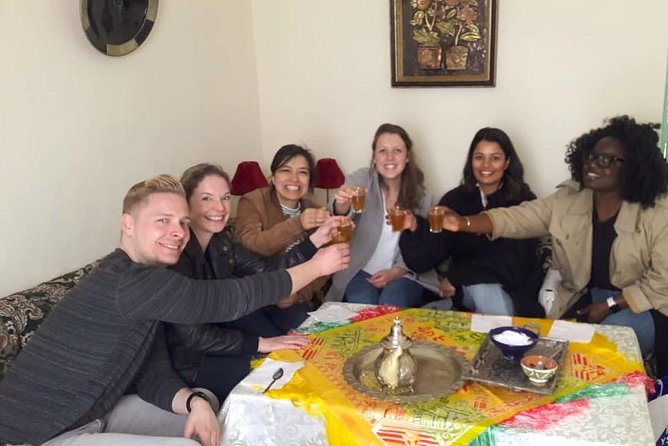
- A private home setting instead of a commercial kitchen
- Mint tea + pastry taught together, so you learn the full ritual
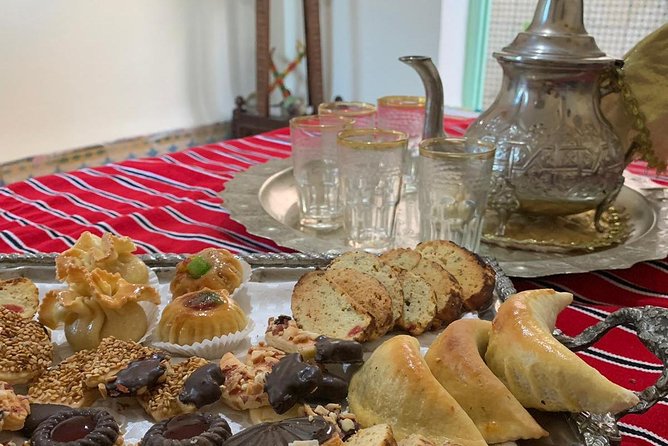
- Specific pastries like corne de gazelle and ghriba, plus other family recipes
- Small group size (max 10), which helps you get clearer guidance
- Simple-at-home ingredients and no industrial equipment approach
- Warm tasting and take-home box, so you leave with more than memories
You can also read our reviews of more tours and experiences in Marrakech.


A Marrakech Medina Home Cooking Class, Not a Show
In Marrakech, food classes can fall into two buckets: big, scripted experiences, or smaller sessions where you actually see how people cook at home. This one leans hard into the second option. You meet your host and her family in a private home inside the medina area, and the whole mood is conversational—tea first, then baking.
I love that the class doesn’t position pastries as mystery food. The instructor’s goal is to teach simple but precise techniques you can repeat later using items you can find at home. That matters because Moroccan pastry has its own logic—dough handling, filling, shaping, and finishing all affect the final texture and flavor.
The class runs about 3 hours, and you can usually pick from different time slots, which is a lifesaver when your Marrakech days are packed with sights, tours, and late dinners.
What You Learn: Corne de Gazelle, Ghriba, and Mint Tea
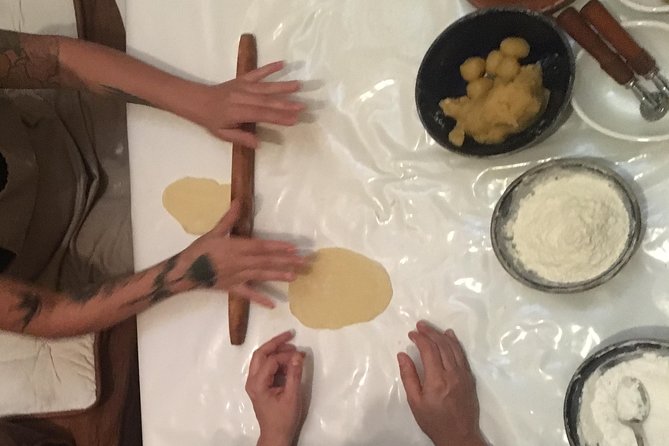
The pastry list is one of the strongest reasons to book. You’re not just learning one item; you’re learning a few classics and the practical technique behind them.
Corne de gazelle (horn-shaped pastries)
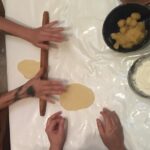
These are famous for a reason: the shape, the filling, and the way the pastry is sealed make a big difference. In class, you learn how to create these intricate filled pastries using techniques meant for real home kitchens—no fancy gear required. You’ll also get instruction focused on what makes Moroccan pâtisserie special, including the small precision steps that keep the pastry from cracking or losing its shape.
Ghriba (Moroccan cookies)
Ghriba are another highlight, and they’re a great way to learn how texture matters in Moroccan baking. They’re typically tender and crumbly, and that’s all about how you combine ingredients and how you handle the dough. The class includes guidance for these cookies as part of a broader Moroccan pastry mix.


Moroccan mint tea (made your way)
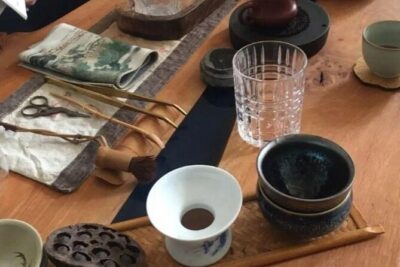
If you only cared about sweets, you could still justify this class. But you also learn to make Moroccan mint tea, which is part of everyday Moroccan life. Even if your tea setup at home is basic, knowing the method and the serving rhythm helps you recreate that familiar taste and feel.
If you’re the kind of traveler who wants more than a recipe card—if you want a skill you can use at home—mint tea is a big win. It turns what you learned into something you’ll actually make again.
How the Class Flows Once You’re Inside
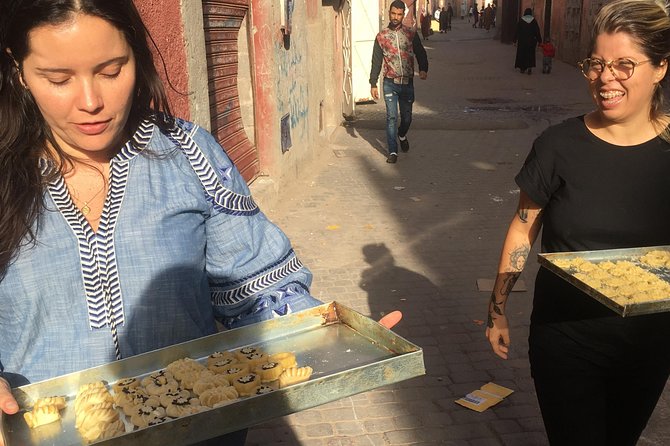
The format is straightforward, and that’s good. A typical experience starts with meeting your host, then sharing traditional Moroccan tea or coffee. From there, you shift into baking instruction, with time to taste and adjust as you learn.
Here’s what makes the flow practical for you:
- You begin with something cultural and comforting, so you’re not thrown straight into dough.
- Baking happens in real steps—learn, try, taste what you made—so the lessons stick.
- At the end, you taste the pastries you baked and chat with your host.
Also, you finish with a box of pastries to take home. That’s not a gimmick. In practice, it helps you transport fresh results safely, and it gives you an extra reason to treat the 3 hours like a mini highlight.
The Biggest Upside: A Learning Experience That Feels Like Family Time
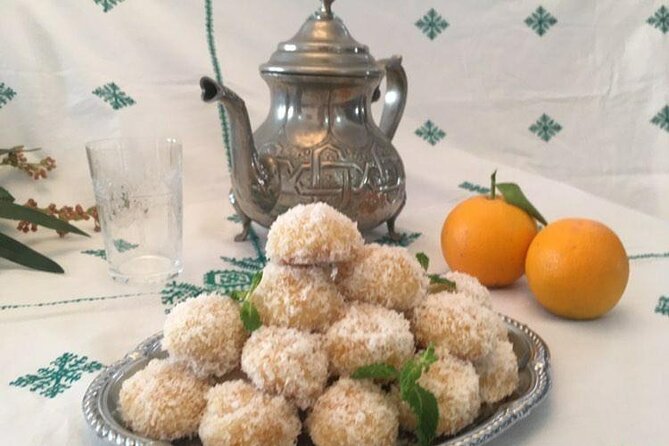
The best part here is the human scale. You’re not just being taught by a script—you’re being hosted. That changes the experience.
In the reviews, the class is repeatedly described as a warm, home-like atmosphere, with a guide who communicates clearly. One name that comes up is Spike, noted for excellent English. That’s important if your French or Arabic is limited, because pastry technique lives in details: texture, timing, and shaping cues.
And yes—your pastries come out warm from the oven at the end of the session. That matters because Moroccan pastries often taste better immediately, when the textures are at their peak.
Price and Value: Is $40.65 a Good Deal?
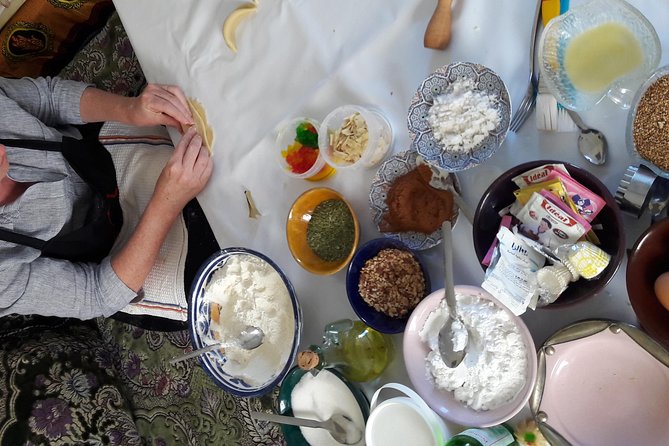
At $40.65 per person, this class sits in the budget-friendly-to-mid range for Marrakech cooking experiences. The real question is what you get for the money, not just the price tag.
Here’s the value math as you’ll feel it on the ground:
- You get tea or coffee included, plus pastries and tasting during the class.
- You learn multiple items (including corne de gazelle and ghriba, plus other traditional pastries).
- You receive a recipe, so you’re not leaving empty-handed.
- You leave with a take-home box of baked goods.
- The class is small (max 10 travelers), which makes questions easier.
If you compare this to experiences where you watch more than you do, the hands-on angle is the deciding factor. This is a class where you’ll spend time shaping, baking, and learning the method, not just taking photos.
Also, the host’s emphasis on tools-less-than-you’d-think preparation is key. If you can replicate it later without expensive equipment, then the class pays you back over time.
Timing and Logistics: Rue Bab Doukkala Is Simple, But Don’t Be Late
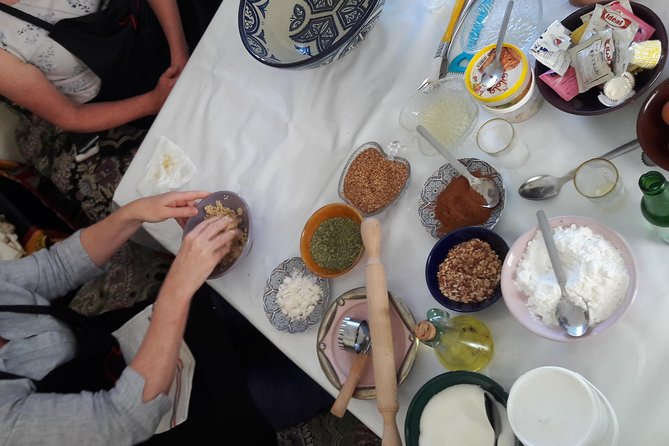
The meeting point is Rue Bab Doukkala, Marrakesh 40000, Morocco, and the activity ends back at the same place.
There’s no hotel pick-up, so you’ll want to plan how you’ll get there. The good news: it’s near public transportation, so you can usually stitch it into a day without too much stress.
The other big practical note is punctuality. One rough review story flags a common problem with any medina-based activity: confusion about the time slot and being late can mean missing the experience. My advice is simple:
- Confirm your selected time slot before you leave.
- Give yourself buffer time for getting inside the medina and finding the exact spot.
If you’re traveling in Marrakech with a packed itinerary, treat the start time like a dinner reservation—arrive early enough that you’re not rushing.
Who This Class Suits Best
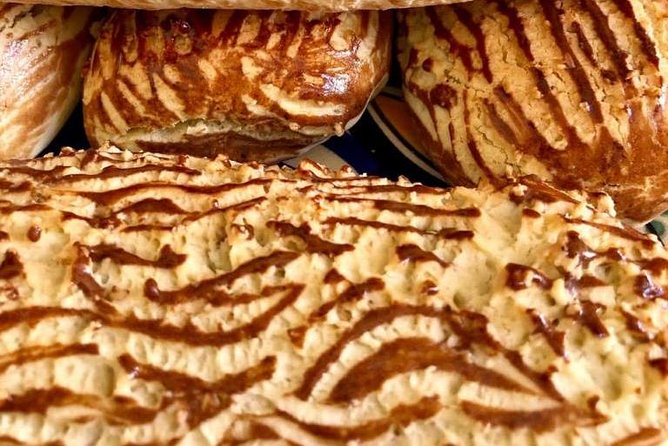
This is a great fit if you want:
- A hands-on Moroccan food lesson with real technique
- A cultural ritual (mint tea) paired with baking
- A small-group setting where you can ask questions
- A take-home edible souvenir that doesn’t turn into crumbs during travel
It may be less ideal if you’re expecting a long menu of advanced recipes. One review notes that the class can be focused—learning a couple of pastries well rather than covering many complicated variations. If you’re traveling with kids, the pacing and recipe scope might feel easy for some ages and short for others. (This isn’t a dealbreaker; it just means you should align expectations with a 3-hour format.)
Quick Tips to Get More Out of Your 3 Hours
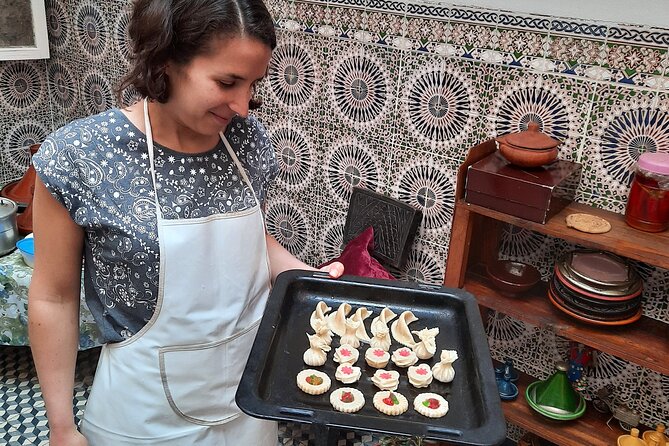
You’ll get the most if you show up ready to learn, not just watch. A few small moves help:
- Plan to arrive early so you can settle in and start with the tea ritual.
- Pay attention to how the instructor describes dough feel and shaping.
- If you have a favorite pastry style, ask which part to prioritize so you can nail it.
- Bring yourself mentally to “technique mode,” because Moroccan pastry is all about method.
And when you get the recipe at the end, actually use it. The whole point of this class is that you can recreate the pastries later using home-friendly ingredients.
Should You Book This Moroccan Pastries & Tea Class?
I’d book it if you want a Moroccan experience that feels genuinely local: a private home setting, tea served as part of the day, and a skill you can repeat. The strong focus on specific pastries like corne de gazelle and ghriba, plus mint tea, makes it more satisfying than generic cooking demos.
Skip it (or at least think twice) if you know you might be late, if you rely on hotel pick-up and don’t want to navigate the medina on your own, or if you want a very wide variety of complex pastries covered in one short session.
For most travelers looking for something authentic, fun, and usable after the trip, this class is a solid value.
FAQ
How long is the Moroccan pastries and tea class in Marrakech?
It lasts about 3 hours.
Where does the class start?
It starts at Rue Bab Doukkala, Marrakesh 40000, Morocco, and it ends back at the same meeting point.
What pastries are included in the lesson?
You’ll learn to make Moroccan pastries such as corne de gazelle and ghriba, plus additional traditional pastries.
Is tea included?
Yes. You can have Moroccan tea or coffee, and you’ll also learn how to make Moroccan mint tea.
What do you take home at the end?
You’ll taste what you baked and finish with a box of pastries to take home.
Is hotel pick-up included?
No, hotel pick-up is not included.
How big is the group?
The experience has a maximum of 10 travelers.
What happens if weather is poor?
The class requires good weather. If it’s canceled due to poor weather, you’ll be offered a different date or a full refund.
Can I cancel for a refund?
Yes. You can cancel up to 24 hours in advance for a full refund. Changes made less than 24 hours before the start time aren’t accepted, and refunds aren’t available for cancellations within 24 hours of the start time.