REVIEW · CHIBA
Kimono Dressing & Tea Ceremony Experience at a Beautiful Garden
Book on Viator →Operated by Japan Travel by G · Bookable on Viator
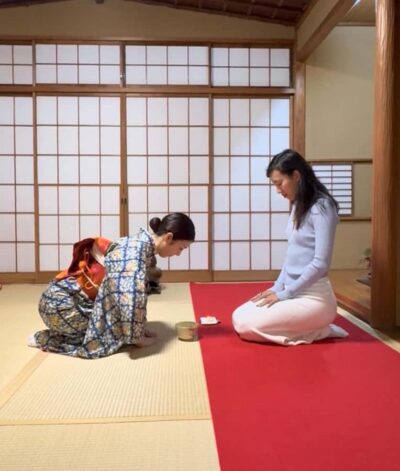
A kimono in Chiba changes your pace fast. You get kimono dressing at Shoraitei, then a gentle garden walk with photo time, followed by a traditional tea ceremony with matcha and seasonal sweets. I especially like how it’s done in a real tea setting, not a staged show, and how the host helps you feel comfortable choosing your look. One thing to consider: you’ll spend part of the experience in traditional clothing, so it’s not a fast, roll-through sightseeing stop.
Grace, your guide (mid 40s, raised her kids in Chiba, and has lived there about 18 years), brings both family warmth and clear cultural context. You’ll be welcomed at Shoraitei, a traditional tea room by Mihama garden, and your group stays private. If you’re the type who needs a lot of roaming time between stops, the schedule is intentionally compact at about 2 hours.
In This Review
- Key Points You’ll Care About
- Why This Chiba Garden + Tea Combo Works
- Entering Shoraitei: The Tea Room Setting You’ll Be In
- Kimono Dressing at Shoraitei: What You Can Choose
- The Garden Walk: Pond Views, Seasonal Flowers, and Photo Time
- The Tea Ceremony Part: Matcha Green Tea and Seasonal Sweets
- Timing and Flow: How the 2 Hours Usually Feel
- Price and Value: Is $80 Worth It?
- Who This Tour Suits Best (And Who Might Skip It)
- Small Practical Notes That Make Your Day Easier
- Should You Book This Kimono Dressing and Tea Ceremony in Chiba?
- FAQ
- Where is the meeting point for this experience?
- How long does the kimono dressing and tea ceremony take?
- Is this a private tour or shared group?
- What options do you have for kimono styling?
- What do you receive during the tea ceremony?
- Where is tea served (and has it changed)?
- Can I get a full refund if my plans change?
- When will I get confirmation after booking?
Key Points You’ll Care About
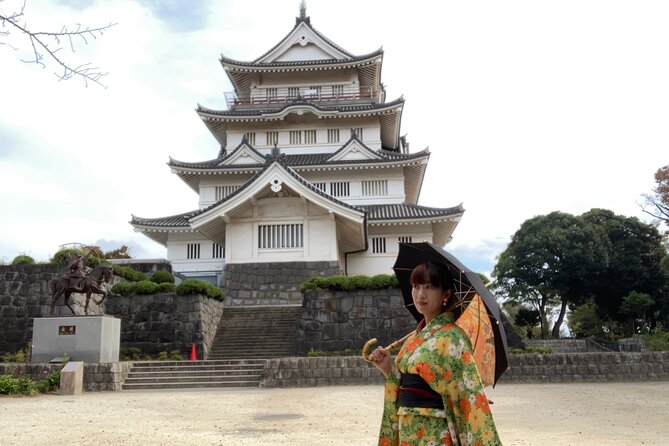
- Shoraitei tea room by Mihama garden: You’re not just watching tea culture, you’re in an authentic room where ceremonies are often held.
- Kimono choices for real variety: Women can wear kimono plus Japanese-style cosplay costumes; men can opt for hakama to get a samurai-like look.
- Garden time that’s actually for looking: Walk the grounds near the pond and seasonal flowers, with time set aside for photos.
- Matcha + seasonal sweets: You’ll get matcha green tea and traditional sweets chosen with the season in mind.
- Private experience: Only your group participates, so you move at a human pace.
Why This Chiba Garden + Tea Combo Works
This experience is built around a simple idea: clothing, place, and ritual all matter. When you wear a kimono in a garden setting, you naturally slow down. That makes the tea ceremony land better, because you’re already in the right mindset—calm, present, and not rushing to check off landmarks.
The garden component is also more than a scenic bonus. Mihama garden is the backdrop for your walk, and the tea room (Shoraitei) is where the ceremony happens. That matters because it ties everything together. You don’t feel like you’re hopping between unrelated photo spots. You’re moving from dressing, to strolling, to the tea room, as one continuous cultural moment.
Still, this isn’t a long full-day immersion. It’s a focused 2-hour visit. If you want hours of strolling, shopping, or multiple neighborhoods, you may want to pair this with another Chiba plan before or after.
Entering Shoraitei: The Tea Room Setting You’ll Be In

Your first stop is Shoraitei, listed as Shoraitei 2-chōme-116 Hibino, Mihama Ward, Chiba. This is described as a traditional tea ceremony room by Mihama garden, and it’s the kind of place where traditional ceremonies are often held.
Here’s why that’s a practical win: when a venue is genuinely used for tea ceremonies, you tend to get a steadier rhythm and fewer “tour bus” vibes. Instead of feeling like you’re in a classroom, the room helps you treat the tea ritual as something lived in.
Also, there’s a small but important update. The place where tea is served changed from Gaihana-tei to Mihama-en as of April 2025. The main point for you: expect the ceremony to take place at the updated location, still in the Mihama garden area.
Kimono Dressing at Shoraitei: What You Can Choose
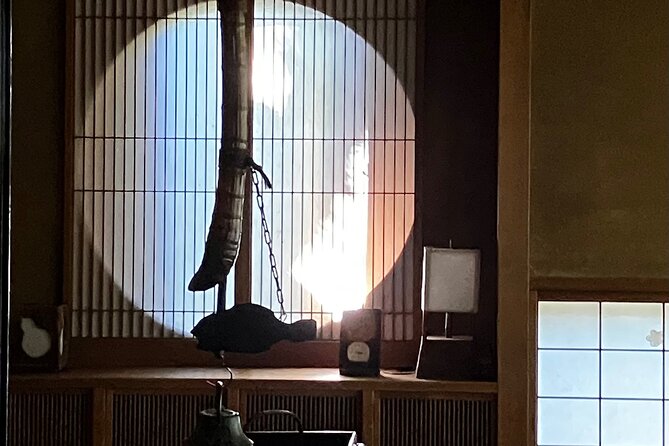
This is the heart of the experience, and it starts with kimono dressing at Shoraitei. Kimono are prepared, and the host team dresses customers—so you’re not left wrestling fabric on your own.
What I like about the choices is that they’re not just one generic “standard kimono.” The experience offers:
- For women: kimono plus Japanese-style cosplay costumes.
- For men: the option for a hakama look paired with a kimono, giving a samurai-inspired silhouette.
That variety makes the photos more interesting too. If you’re traveling with someone else, you can pick different styles and still feel like you’re part of the same story—dress, garden, tea—just interpreted differently.
Grace is your guide for the cultural context, and an assistant named Ari also helps. When you have both a guide and an assistant involved, dressing tends to feel smoother and less stressful—especially if you’re not used to traditional garments.
The Garden Walk: Pond Views, Seasonal Flowers, and Photo Time
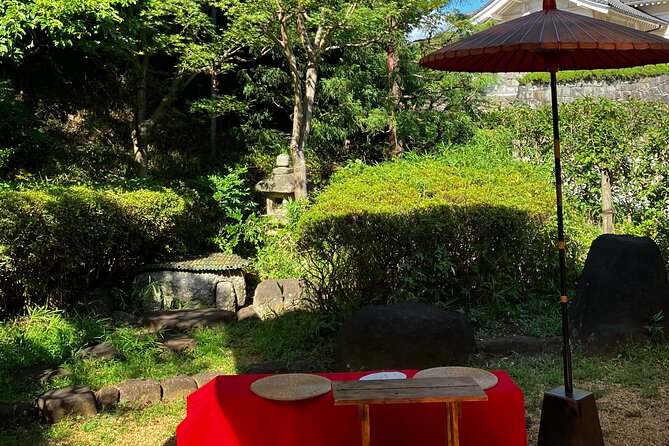
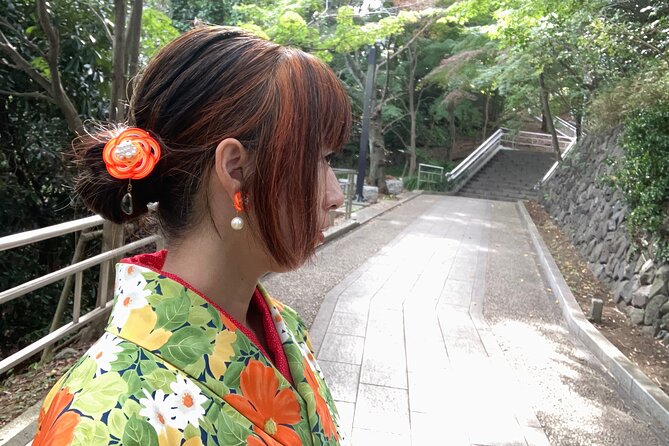
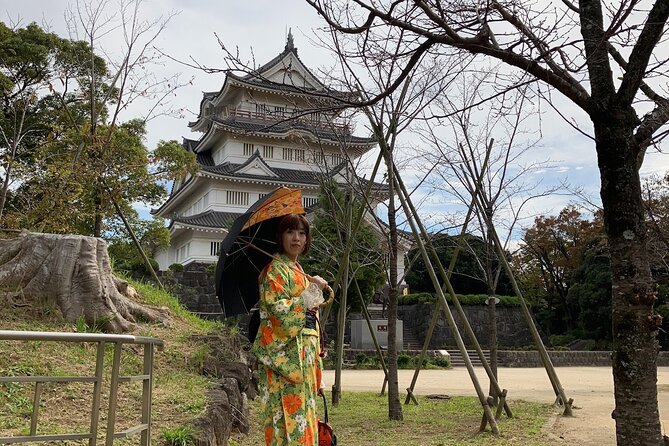
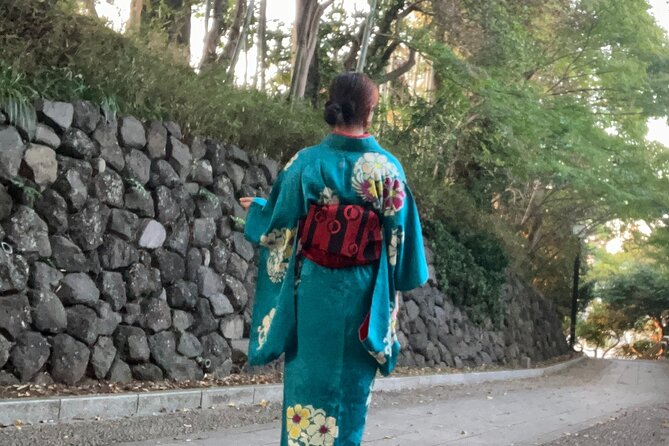
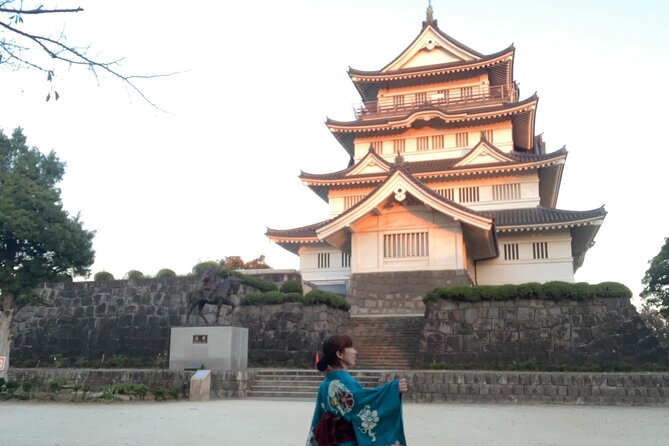
After dressing, you’ll stroll through the garden around the pond and through areas with seasonal flowers. The walk is part of the pacing, not an afterthought. You’ll have time to take photos and just look around.
This is where the setting starts working on you. With kimono on, you naturally notice textures—paper, wood, stone, the curve of paths—and you also tend to look longer at the small details that you would otherwise ignore during regular sightseeing.
Practical angle: because this is scheduled inside the 2-hour visit, you don’t have to guess how long you’ll be outside. The structure is built so the garden time fits comfortably after dressing and before tea.
One consideration: if you’re sensitive to heat, cold, or weather shifts, you’ll want to dress smart underneath your kimono for comfort. The tour data doesn’t spell out seasonal clothing guidance, so plan for your own comfort based on the time of year.
The Tea Ceremony Part: Matcha Green Tea and Seasonal Sweets
Then you shift gears into the tea ceremony at the tea room. You’ll be served matcha green tea and traditional Japanese sweets.
A few details matter here:
- Matcha green tea is described as having a distinct aroma and a balanced flavor—slight bitterness paired with sweetness.
- The sweets are chosen for seasonal relevance and are crafted delicately.
This combination is exactly why tea ceremony experiences are worth doing. Matcha isn’t just a drink; it’s part of a sensory sequence—smell, color, taste, pace. And the sweets reinforce that it’s not “one-size-fits-all.” The season changes what’s served, so the experience feels connected to the time you’re there.
Because this is led by a host who is based in Chiba and loves Japanese culture, you’ll likely get more than just a script. Grace’s guiding motivation comes through: she wants visitors to leave with the same kind of cultural memory she built while raising her kids in Chiba and traveling through Japan’s traditions.
Timing and Flow: How the 2 Hours Usually Feel
You can expect the experience to run about 2 hours. It’s designed as one continuous arc: dressing → garden walk and photos → tea ceremony.
Here’s how to think about that as a traveler:
- If you’re nervous about kimono, the tour solves it by doing the dressing with help from the team.
- If you’re worried about the tea being complicated, the ceremony is the final part, after you’ve already slowed down outside.
- If you’re a photo person, the garden stage gives you a reasonable window to shoot without rushing.
Also, this is a private tour. Only your group participates. That makes a big difference when you’re wearing something as structured as a kimono, because your pacing won’t get constantly reset around other people’s needs.
Price and Value: Is $80 Worth It?
At $80 per person, this isn’t a budget add-on, but it also isn’t priced like a luxury full-day. The value comes from what’s included, and what’s not left to guesswork.
You’re paying for:
- Guided kimono dressing with options (including cosplay-style looks for women and hakama-style selection for men).
- Garden time designed as part of the experience, not “see the area if you have time.”
- A traditional tea ceremony with matcha and seasonal sweets.
- A private group format, which usually means more attention and less waiting.
The best way to judge value is this: if you want the kimono and tea ceremony experience in one smooth package, with a host who knows Chiba and cares about getting the cultural tone right, the price makes sense. If you only want photos, or you only want one of the two (kimono OR tea), then it may feel pricey compared to piecing together separate activities.
As for how far ahead to book, the experience is commonly booked about 27 days in advance on average. If you’re traveling during a peak season or on a weekend, booking earlier is smart.
Who This Tour Suits Best (And Who Might Skip It)
This is a strong match if you want something hands-on and cultural without feeling like homework. It’s ideal for:
- Couples and small groups who want memorable photos without chasing multiple vendors
- Families and friends who want a shared, gentle activity with a clear beginning and end
- Anyone who likes traditional Japanese culture and wants it explained in plain language
You might consider skipping if:
- You only want a quick, high-energy sightseeing day
- You dislike structured clothing experiences (kimono dressing is central here)
- You need long time outdoors or long meal-style dining plans
Small Practical Notes That Make Your Day Easier
Because you’ll be dressed in kimono and then move through a garden, a few basics can help you enjoy the experience more:
- Plan to bring a calm, patient attitude. Traditional garments take time to put on correctly.
- Wear your own comfort considerations underneath. The tour data doesn’t mention what’s worn under kimono, so focus on what you personally need for the weather.
- Bring a charged phone or camera. The garden walk includes photo time, and photos are part of the point.
If you’re thinking about logistics, the meeting point is near public transportation, and your tour uses a mobile ticket. That’s one less thing to handle when you’re in Chiba.
Should You Book This Kimono Dressing and Tea Ceremony in Chiba?
I’d book it if you want a compact experience that gives you two iconic parts of Japanese culture—kimono and matcha tea—done in a real tea room setting by Mihama garden. The value is strongest when you want guided, private attention and a natural flow from dressing to garden to ceremony.
I’d hesitate only if you’re chasing time-heavy sightseeing or you know you won’t enjoy wearing traditional clothing. Otherwise, this is one of those tours where the setting does half the work: you dress, you walk, then you slow down for tea, and the day feels like a story instead of a checklist.
FAQ
Where is the meeting point for this experience?
The tour starts at Shoraitei, 2-chōme-116 Hibino, Mihama Ward, Chiba, 261-0021, Japan. It ends back at the meeting point.
How long does the kimono dressing and tea ceremony take?
The duration is approximately 2 hours.
Is this a private tour or shared group?
It’s a private tour/activity. Only your group will participate.
What options do you have for kimono styling?
Kimono are prepared for guests. Women can also choose Japanese-style cosplay costumes in addition to kimono, and men can opt for a hakama style when choosing a kimono.
What do you receive during the tea ceremony?
You’ll be served matcha green tea and traditional Japanese sweets.
Where is tea served (and has it changed)?
Tea is served at Mihama-en as of April 2025, after the change from Gaihana-tei.
Can I get a full refund if my plans change?
Yes. There is free cancellation up to 24 hours in advance of the experience’s start time for a full refund. If you cancel less than 24 hours before, the amount paid will not be refunded.
When will I get confirmation after booking?
Confirmation is received within 48 hours of booking, subject to availability, after the tea room availability is checked.