REVIEW · TAINAN CITY
Tainan Culture Trip: Chinese Tea Ceremony_Oolong Tea
Book on GetYourGuide →Operated by Tainan TOT House · Bookable on GetYourGuide
Stepping into TOT House feels quiet and personal. I liked how King leads the whole experience in English in a calm, friendly way, and I loved the focus on real oolong tasting instead of just a quick demo. Over the course of the session, you’ll also learn how the ceremony works step by step, from serving etiquette to the small sensory details that make Taiwanese oolong fun to compare.
One thing to consider: this is a no-distraction ritual. You’ll be asked to keep your phone away (and no video recording), go light on strong perfume, and while it’s listed as wheelchair accessible, it’s also marked not suitable for people with mobility impairments—so check your comfort level before you book.
In This Review
- Key things that make this Oolong tea ceremony worth your time
- First stop: the TOT House and the ceremony mood
- King runs the session in English, and the vibe stays personal
- The tea lesson: how oolong fits into Chinese tea culture
- Etiquette that actually makes sense (no performance anxiety)
- The tools: gaiwan, terracotta pots, and matched cups
- Tasting strategy: smell, sip, and watch oolong evolve
- Value check: is $50 for a private 90 minutes a good deal?
- Where this fits best in your Tainan day
- Practical tips so you don’t feel rushed or out of place
- Who should book this, and who should think twice
- Should you book the Chinese Tea Ceremony_Oolong Tea in Tainan?
- FAQ
- Where do I meet for the tea ceremony?
- How long is the experience?
- Is the tea ceremony taught in English?
- What’s the price, and is it for a group?
- What’s included in the session?
- What’s not included?
- Are phones or video recording allowed?
- Are there restrictions on smoking or perfume?
- Is this suitable for young children?
- Is it wheelchair accessible?
Key things that make this Oolong tea ceremony worth your time
- A private 90-minute session (up to 2 people) led in English
- Tasting at least 4 types of oolong, with attention to aroma and how flavor changes across infusions
- Clear tea-ceremony etiquette, including how to accept your cup and show gratitude
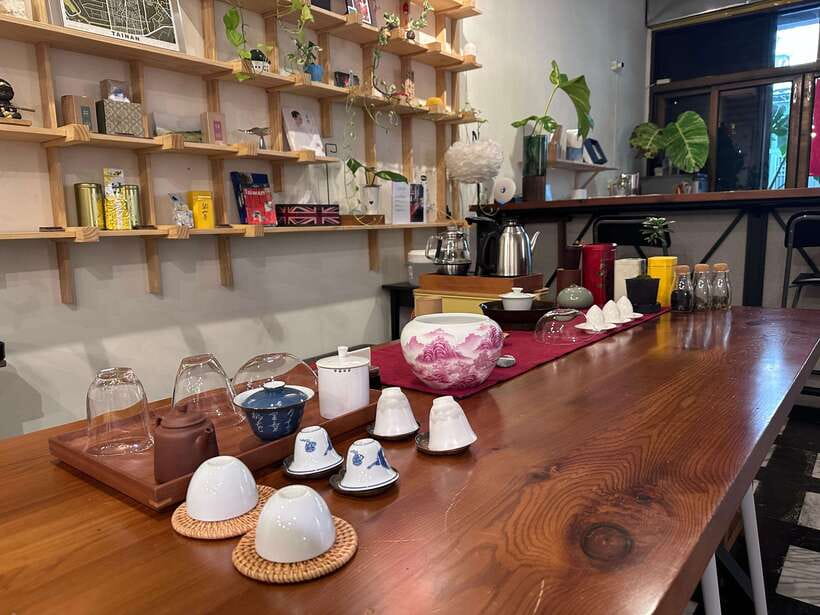
- Hands-on appreciation of the tools, like a gaiwan, terracotta teapots, and cups in different shapes/textures
- A slow, mindful pace that turns Tainan from fast sightseeing into a quieter kind of travel
First stop: the TOT House and the ceremony mood
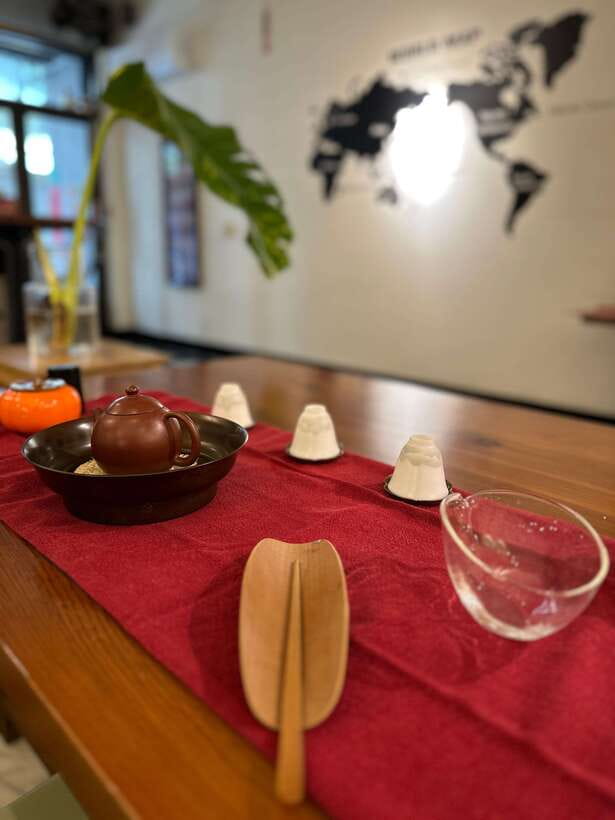
The meeting point is the TOT (Taiwan Oolong Tea) House, and the front door looks like a normal home. You press the bell when you arrive. That tiny moment matters: it cues you that you’re not heading to a performance for crowds. You’re stepping into a small, intentional space where the pace slows down.
Right away, you’ll feel what kind of experience this is. It’s structured, but not stiff. The goal is for you to understand what you’re doing and tasting, not just watch someone else do it.
Expect rules that support focus. No smoking, no video recording, and no phone use during the ceremony. If you arrive with strong perfume on, tone it down—this is all about aroma, and the host will want you to smell the tea, not the fragrance you brought.
King runs the session in English, and the vibe stays personal
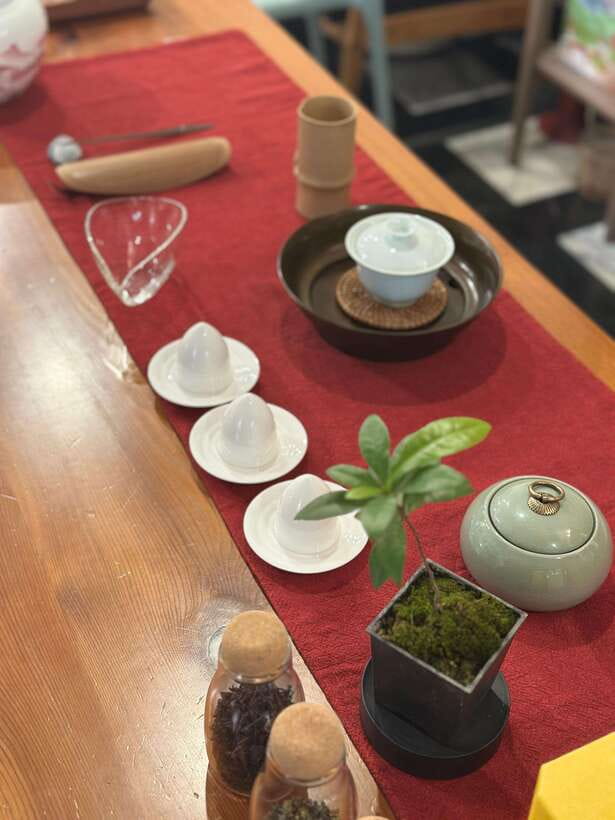
This is a private group experience for up to 2 people, which is a big value if you like learning without feeling rushed. The instructor is English-speaking, so you won’t need to translate the steps or the explanations.
I like that the host doesn’t treat it like a lecture. You’ll have room for questions, and the ceremony becomes more like guided conversation with lots of tea moments. Several people also highlighted how warm and comfortable King makes the atmosphere, even adding extra cultural context when it fits the flow of the session.
Also, the time is tight but not shorted. The experience runs about 90 minutes, so you get multiple tastings and enough instruction to understand what you’re experiencing.
The tea lesson: how oolong fits into Chinese tea culture
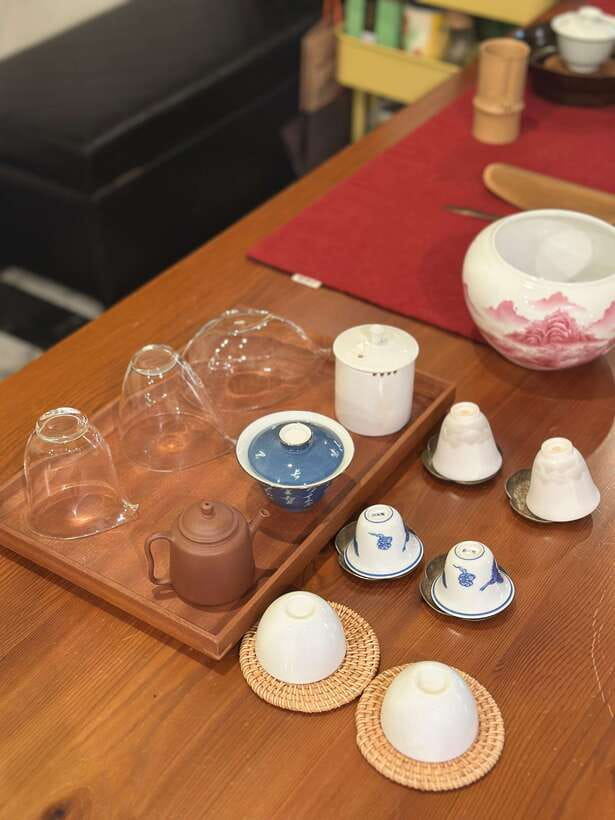
Before you touch anything, you’ll get the story behind tea and why it matters in Chinese culture. The session covers the history and significance of Chinese tea, then connects it to everyday life and social rituals. You’ll also learn the role tea plays in Chinese traditional medicine, which helps explain why tea is more than a drink in this world.
Then comes the part you’ll care about most: what makes oolong different. Oolong often gets described as a bridge between green and black tea, but the useful part here is sensory. You’ll learn to recognize why oolong can range from floral and fruity notes to more woody or roasted feelings, depending on the tea style.
If you’re a tea beginner, this is where the experience becomes accessible. You don’t need to know tea terms already. The host gives you a way to taste: notice aroma first, then sip, then pay attention to how the flavor settles.
If you’re already into tea, you’ll still get value. Comparing multiple oolongs back-to-back is one of the fastest ways to train your palate to catch differences.
Etiquette that actually makes sense (no performance anxiety)
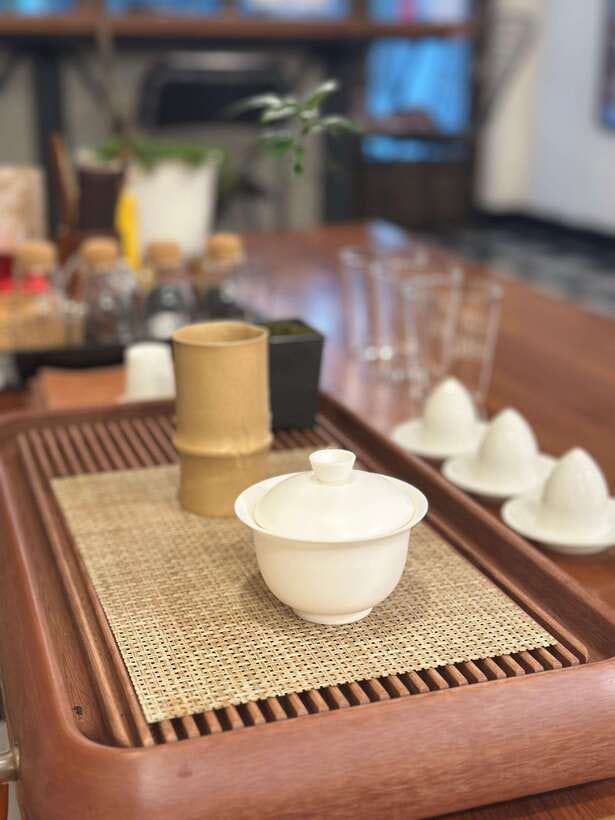
Tea ceremony etiquette is usually described like rules you should memorize. This one feels more practical: you learn the courtesies and rituals so you understand what’s happening during the serving and tasting.
You’ll get guidance on behaviors such as how to accept your cup, when and how to show gratitude, and how to move through the ceremony with calm attention. The etiquette part isn’t about being formal for tradition’s sake—it keeps the whole space respectful and focused on the tea.
The session also sets clear boundaries so you don’t accidentally ruin the mood. You’ll avoid phone use and video shooting. No smoking. And you’ll keep strong perfume to a minimum. These aren’t random restrictions; they protect the aroma experience and keep the room steady and quiet.
One more etiquette detail I’d underline for you: treat your curiosity as part of the ritual. If you ask questions at the right times, you’ll deepen the tasting instead of interrupting it.
The tools: gaiwan, terracotta pots, and matched cups
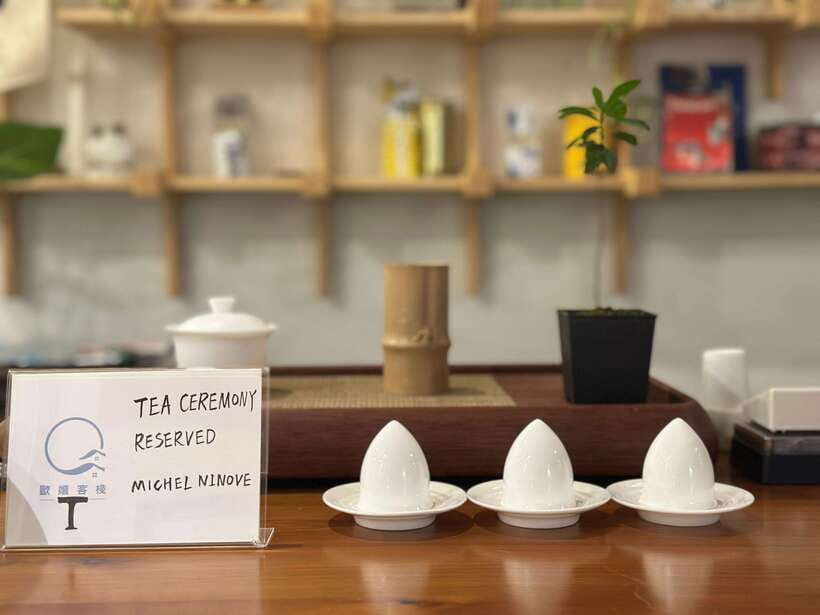
One of the best parts of this ceremony is the focus on the equipment. Tea tools aren’t just decorative. They shape how you brew and how you perceive the tea.
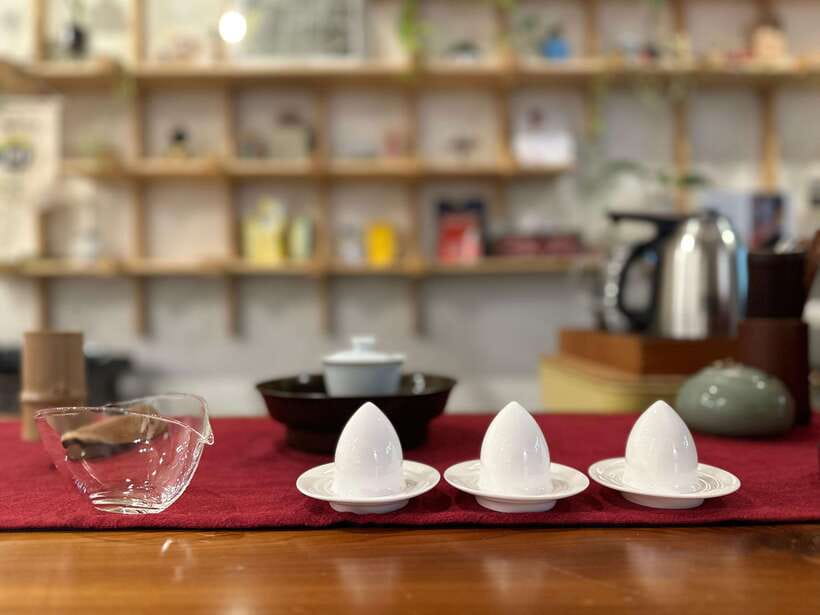
You’ll appreciate at least two brew utensils, including a gaiwan and terracotta teapots. The host also walks you through other items used during the ceremony, such as the tea cups and the tea tray. You’re not just told that tools matter—you’re shown how they connect to different pours and tastings.
What surprised me is how many cup options you’ll try. You’ll taste with a minimum of three cup types in different shapes and textures. That changes your experience in small but noticeable ways: aroma release, mouthfeel, and the way the tea lands on your tongue.
I also liked how the host uses the tools intentionally depending on the tea. Some recent participants described that King switches pots and cups to help them experience the oolongs in different ways. That’s the kind of detail that turns a tasting into an education.
Tasting strategy: smell, sip, and watch oolong evolve
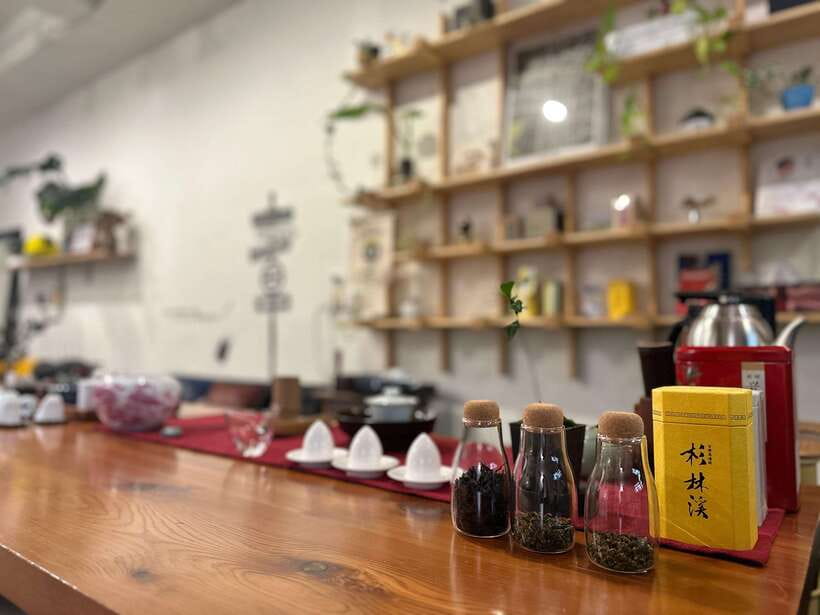
The tasting is the heart of the session. You’ll sample various oolongs—at least four types—and you’ll be guided to take time with aroma and flavor.
Here’s how to make your tasting count. Use a simple sequence:
- Smell first, before you sip.
- Sip slowly enough to notice sweetness, bitterness, and any roasted or woody notes.
- Then focus on aftertaste and how the tea feels in your mouth.
Oolong changes over multiple infusions, and you’ll be encouraged to note the evolution. That might sound fancy, but it’s really learnable: the first pours tend to show one side, and later pours often reveal different layers as the leaves open up.
Several people also said the teas were high quality and that the selection made it clear how wide the flavor range of oolong can be. If you’ve only tried bottled or standard supermarket tea, this is a real palate reset.
Value check: is $50 for a private 90 minutes a good deal?
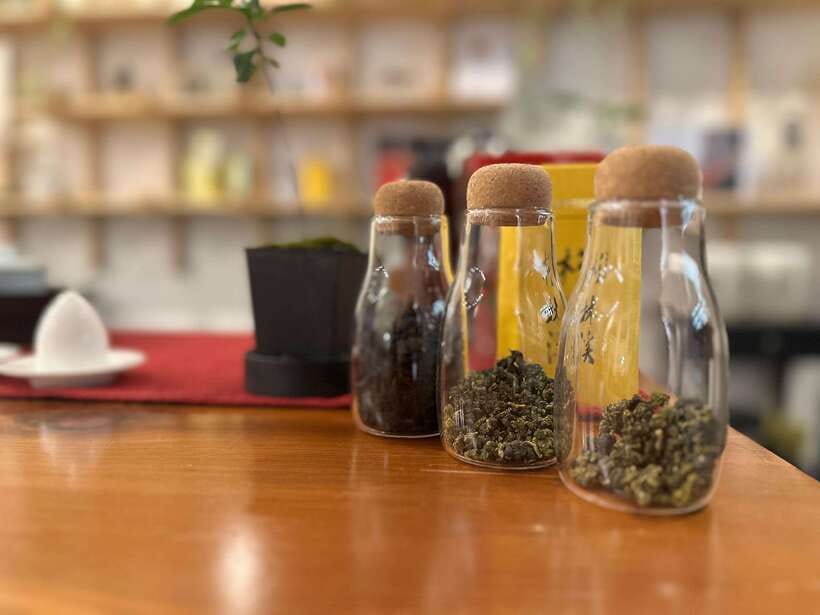
At $50 per group up to 2, this is strong value if you’re traveling with someone and want a guided, private experience. Even if you’re solo, you’re paying for the host’s time plus the tasting lineup.
What makes it feel worth the money is what you receive in that 90 minutes:
- A guided ceremony with explanations in English
- Tasting of at least 4 oolongs
- At least two brew utensils, including a gaiwan and terracotta teapots
- Cups: at least 3 types in different shapes/textures
In plain terms, you’re not only drinking tea—you’re learning how to taste tea and why the tools and etiquette matter. That’s different from many quick tastings where you barely get context.
Also, the session is private, so you don’t have to wait your turn. You can ask follow-up questions and focus on the teas that interest you.
Where this fits best in your Tainan day
This works especially well if you want a break from busy streets and fast museum pacing. The ceremony encourages calm and mindfulness, with a deliberate slow tempo that feels like a reset button mid-trip.
If you’re short on time in Tainan, it’s also efficient. Ninety minutes is enough to learn the basics of oolong and get a real sensory experience, without eating your whole day.
Afterward, you’ll often feel ready to walk. Some participants mentioned enjoying a nice stroll around the city after the ceremony, which makes sense: tea calms your mind, and you leave with a clearer sense of place.
Practical tips so you don’t feel rushed or out of place
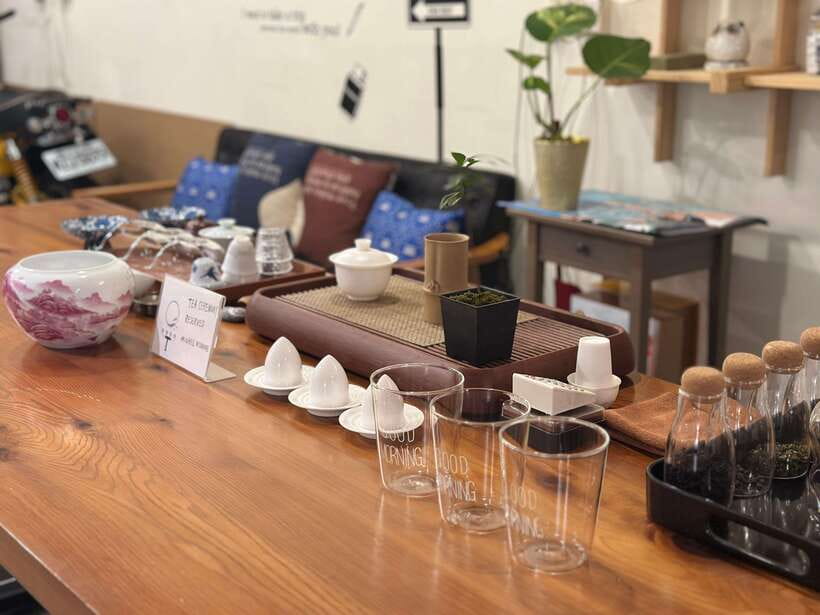
A few smart moves will help you get the most out of the session:
- Arrive with light scent: skip heavy perfume and scented lotions.
- Leave your phone alone: no cellphone and no video shooting during the ceremony.
- Bring curiosity: ask about the differences you’re tasting, not just the names on the table.
- Think about how you like to learn: if you want more tasting guidance, say so early.
- Email/WhatsApp after booking if you can: the provided contact is [email protected], which can help coordinate details before you arrive.
One more note: the host works in a private setting, so your comfort matters. If you have questions about pace, noise, or seating, ask ahead.
Who should book this, and who should think twice
Book this if:
- You like tea and want a guided way to taste oolong.
- You enjoy calm cultural activities more than high-energy group tours.
- You want etiquette and context you can actually use next time you see a tea service.
You might think twice if:
- You’re traveling with children under 5 years (it’s listed as not suitable).
- You need mobility accommodations beyond what you expect, because the activity is marked both wheelchair accessible and not suitable for people with mobility impairments. That combination is worth clarifying directly before you commit.
- You strongly prefer taking photos or recording video—this is not allowed.
Should you book the Chinese Tea Ceremony_Oolong Tea in Tainan?
If you want a tea experience that’s personal, structured, and genuinely tied to taste and tradition, I’d book it. The best reason is the combination: real oolong comparisons, tool-focused learning (gaiwan and terracotta pots), and etiquette explained clearly in English. The rules about phones and scent are a small trade-off for a calmer, more authentic session.
Go in ready to slow down, smell carefully, and ask one or two good questions. If that sounds like your kind of travel, this is an easy yes. If you’re coming for quick selfies or you know you can’t do a phone-free ritual, you’ll likely enjoy something else more.
FAQ
Where do I meet for the tea ceremony?
Meet at the TOT (Taiwan Oolong Tea) House. The front door looks like a normal household, and you press the bell when you arrive.
How long is the experience?
The ceremony lasts about 90 minutes.
Is the tea ceremony taught in English?
Yes, the instructor teaches in English.
What’s the price, and is it for a group?
The price is $50 per group up to 2 people.
What’s included in the session?
Included: a guided tea ceremony, tasting of various oolongs (at least 4 kinds), appreciation of at least two brew utensils including a gaiwan and terracotta teapots, and trying at least 3 kinds of tea cups in different shapes and textures.
What’s not included?
Transportation to and from the venue and meals are not included.
Are phones or video recording allowed?
No cellphone and no video shooting during the ceremony, and video recording is not allowed.
Are there restrictions on smoking or perfume?
Smoking is not allowed. Strong perfume is discouraged; the host asks you not to put on too much strong perfume.
Is this suitable for young children?
No. It’s not suitable for children under 5 years.
Is it wheelchair accessible?
It’s listed as wheelchair accessible, but it’s also marked not suitable for people with mobility impairments, so it’s wise to confirm your situation before booking.