REVIEW · JAKARTA
Jakarta: Volcano, Tea/Rice Fields, Hot Spring, Local Food
Book on GetYourGuide →Operated by Ekaputratour · Bookable on GetYourGuide
Active volcano bubbles beat any brochure. You get Tangkuban Parahu up close (yes, you’ll smell sulfur and see bubbling mud), and you’ll taste standouts like honey pineapple plus mangosteen and other local fruits. The trade-off: it’s a long, packed day, and the hot spring water can feel more like a warm soak than a deep swim.
What makes this outing work is the pace and the people. You’ll travel with a real English-speaking guide in a small group (up to 10), and the mountain roads are handled by an experienced driver, so you can focus on the views and the food. The day runs about 14 hours, with pickup starting around 7 AM and a return to Jakarta by about 7–8 PM.
In This Review
- Key highlights you’ll actually feel
- A long Jakarta-to-Bandung day that actually delivers
- Subang fruit paradise: start with honey pineapple and surprises
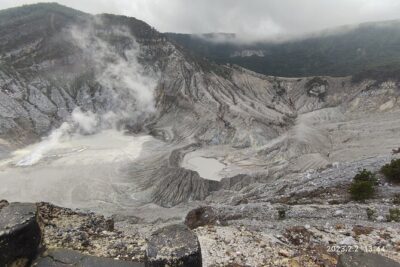
- Tangkuban Parahu crater time: sulfur, bubbles, and that rumble
- Rice fields and tea plantations: you’ll learn what you’re seeing
- Lembang coffee and kopi luwak: enjoy the lesson, watch the feeling
- Ciater hot springs Sari Ater: warm sulfur water and a real reset
- Massage and lunch: comfort food meets a long road
- Price and value of a $114 full-day circuit
- Who should book this Java volcano, tea, and hot spring day trip
- Final verdict: should you book this tour or pass?
- FAQ
- What time does pickup in Jakarta start?
- How long is the tour, and what time do you return to Jakarta?
- Is lunch and fruit tasting included?
- Is there an English-speaking guide?
- Does the tour include entrance fees and skip-the-line entry?
- What should I bring for the volcano and hot springs?
Key highlights you’ll actually feel
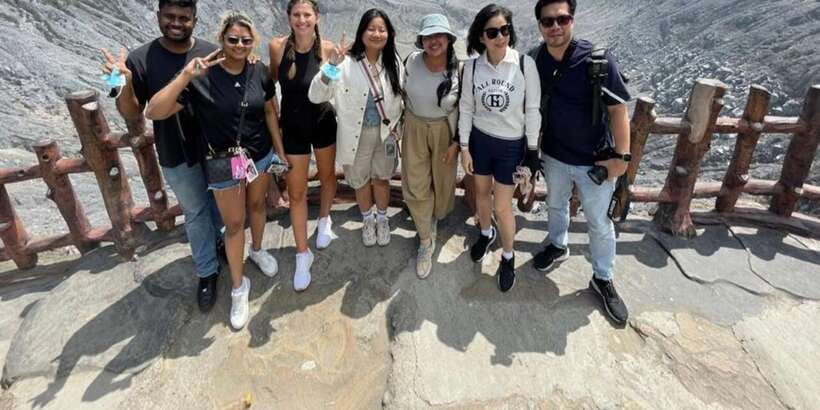
- Tangkuban Parahu crater access: get near the active zone for sulfur smell, bubbling mud, and that low, rumbling feel
- Fruit paradise sampling: honey pineapple, snakeskin fruit, mangosteen, and other tropical snacks that beat generic fruit platters
- Rice fields and village stops with local rhythm: see how people work fields and why this region keeps feeding Indonesia
- Coffee and tea farm explanations: learn how beans and leaves are grown and processed, not just how they taste
- Ciater hot springs + massage: warm sulfur water to unwind, then a body massage to close out the day
- Small-group logistics: up to 10 people, English guide, bottled water, and included entrance fees
A long Jakarta-to-Bandung day that actually delivers
This is one of those Java day trips that feels busy on paper but makes sense in real life. You start in Jakarta early, then swing out to the Bandung–Subang side where volcanoes, tea country, and hot springs sit within a single workable radius. The total day is long (about 14 hours), but it’s structured so you’re not stuck waiting around for long stretches.
The small group size matters. With a group of up to 10, you’re more likely to get attentive photo help and quick answers at each stop instead of feeling like you’re herded from one location to the next. Guides in this program often get praised for clear English, good humor, and keeping the day moving—names you might hear include Tio, Rizky, Bryan, Nanda, Isabella, Vincent, and Valentine.
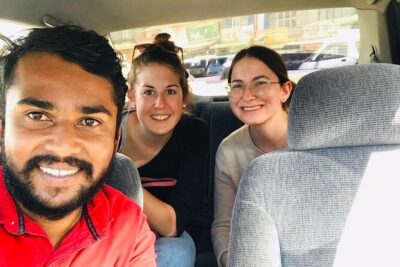
One thing to plan for: you’ll spend serious time in the vehicle. If you’re prone to motion sickness, the curvy mountain sections can still be a factor. The driver is usually a big comfort here—people mention drivers like Dede, Toto, Andre, and others handling chaotic traffic and mountain roads calmly—so take that as a sign the transfer is a core part of the experience.
You can also read our reviews of more tours and experiences in Jakarta.
Subang fruit paradise: start with honey pineapple and surprises
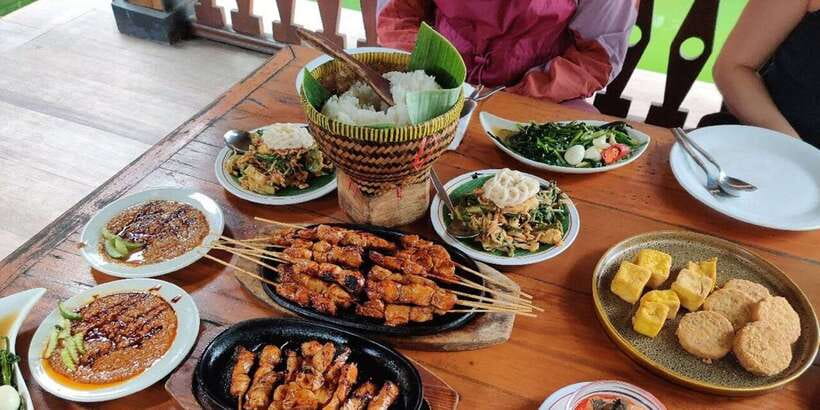
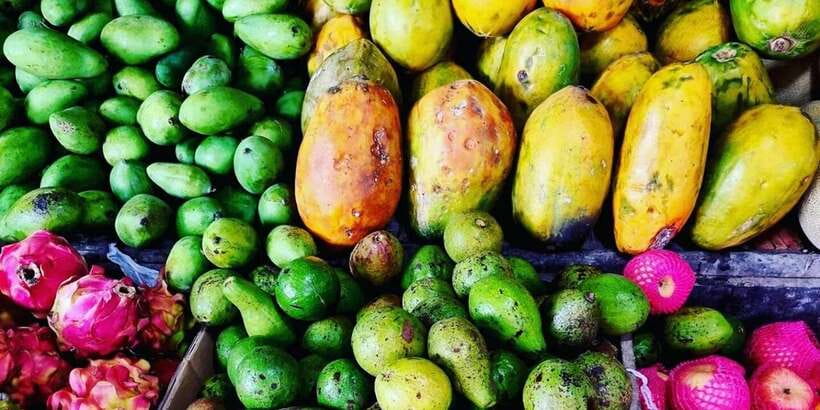
The first “wow” usually comes from food. Before you hit the volcano area, you stop in and around Subang for a fruit tasting break, sometimes described as a fruit paradise moment. This isn’t just tasting what’s easy to find in supermarkets. You’re trying fruit that feels local, seasonal, and unfamiliar in a good way.
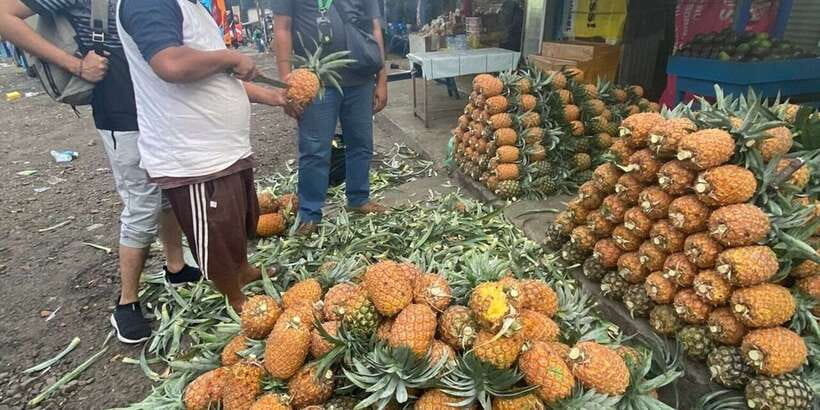
Honey pineapple is the star you should look forward to. It’s sweet, fragrant, and often described as some of the best pineapple people taste in Indonesia—because it’s handpicked and served fresh rather than processed. You’ll also sample other tropical fruit like mangosteen and snakeskin fruit (also called snake fruit). Snakeskin fruit has a distinctive flavor and texture, and it can be sharp around the skin—so handle it carefully and don’t rush your first bite.
This fruit stop is also a practical reset. It gives you sugar and hydration before the longer walking parts later. If you’re the type who gets hangry in the morning, this stop will likely save your day.
One realistic note: fruit tasting time is short. Plan to taste, enjoy, and move on. If you’re the kind of eater who wants to linger, pair this with a slower pace on the volcano walk later.
Tangkuban Parahu crater time: sulfur, bubbles, and that rumble
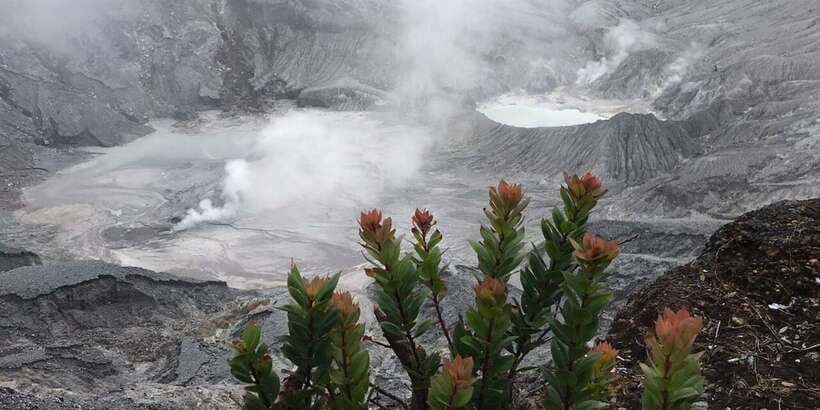
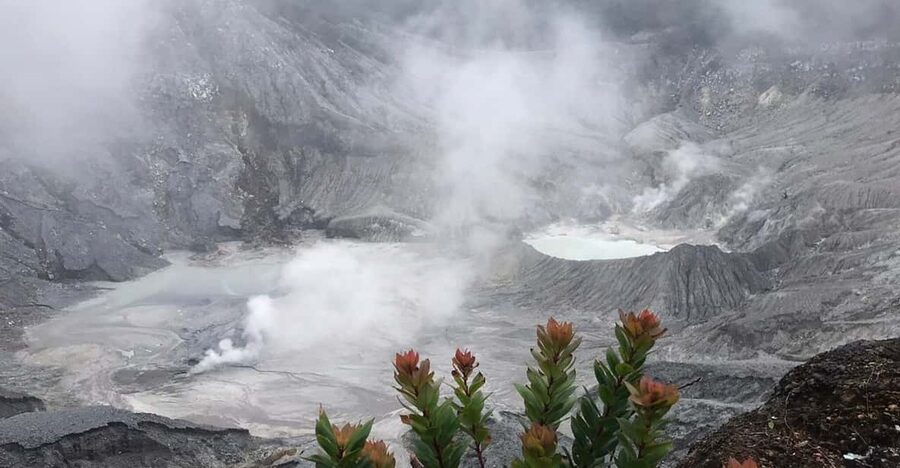
The heart of the day is Tangkuban Parahu, an active volcano with crater areas where you can get very close to the geothermal action. Expect the smell of sulfur—stronger than you might expect—and visuals like bubbling mud. Depending on conditions, you may also catch puffs of steam/smoke coming from the crater zone.
This is not a “look from far away” stop. It’s closer and more physical than you might be imagining from a typical scenery pull-off. People describe the experience as humbling and intense because you’re seeing real geothermal activity, not a staged attraction. And yes, you may hear the rumble associated with the volcano’s activity.
Wildlife is a possible bonus in the nearby rainforest areas. The tour description includes a chance of spotting wild monkeys in the surrounding area, though you should treat wildlife as a maybe, not a guarantee. Bring your patience and keep your eyes up during short walks and scenic sections.
Two things to get right for this stop:
- Comfortable shoes. There’s walking and uneven ground.
- A quick tolerance for sellers. At popular crater spots, you may see vendors trying to sell small items. People say it can be a bit pushy around the viewpoints, but you can handle it with a firm no and they usually move on.
If visibility is poor due to weather, don’t panic. The volcano can still feel powerful even when the view is limited, because you’re still experiencing the smell and geothermal activity up close.
Rice fields and tea plantations: you’ll learn what you’re seeing
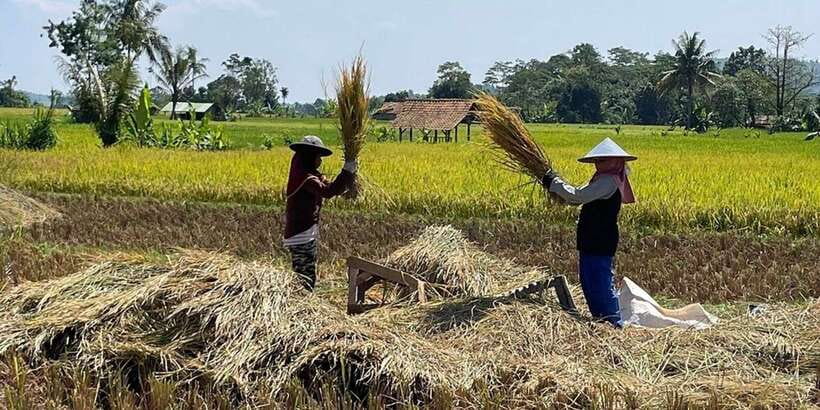
After the volcano, the day shifts into “how people live” mode. You’ll pass through areas with rice fields and a local village feel, plus time at tea country. This is where the region’s day-to-day work becomes the star, not just the scenery.
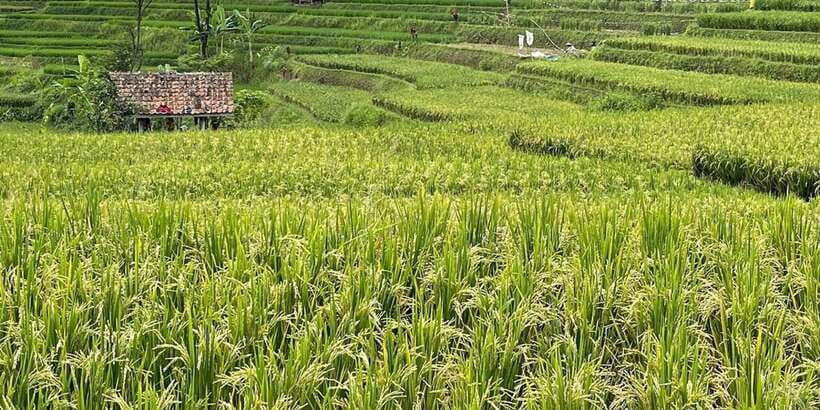
Rice field stops tend to be short walks and photo chances rather than a full hiking expedition. That’s fine. It means you can see the structure of fields and the pace of work without exhausting yourself before the hot springs. It also keeps the schedule on track for the rest of the day.
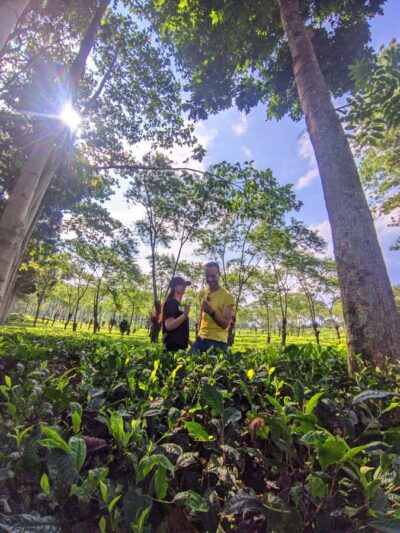
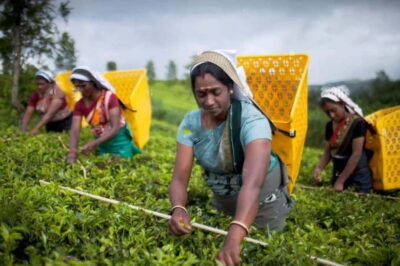
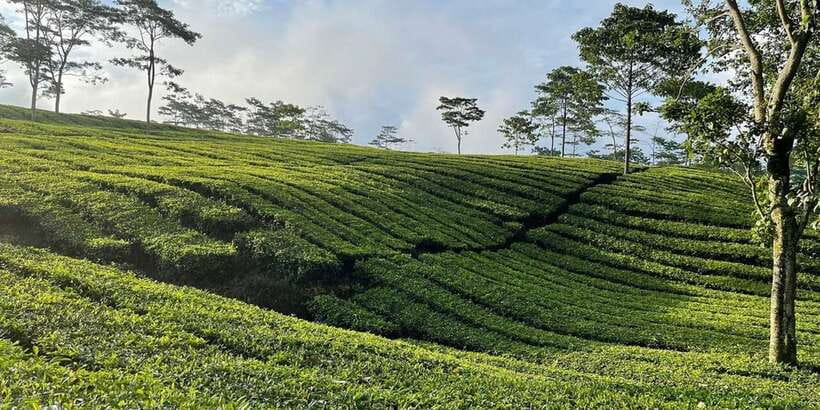
Tea plantations add a different kind of detail. You’ll get explanations about tea history, cultivation, and harvesting, and you’ll have time to take photos with the plantation backdrop. Importantly, you’re learning the “why” behind the visuals: how the plants are managed and how harvesting fits the cycle of the farm.
A key practical angle here: wear shoes you don’t mind getting a little dusty. Even when you’re not trekking far, you’re outdoors and walking around farm areas. If you want great photos, this is also where you benefit from a guide who helps you position for the best angles—people frequently mention photo-friendly guidance in this program.
If you’re the type who wants long, deep tours at each farm, you might find these segments feel a little brief. If you’re more into a full-day sampler that hits the major themes, this approach works.
Lembang coffee and kopi luwak: enjoy the lesson, watch the feeling
Coffee is a featured stop in Lembang, typically at a cultivation center where you can see the coffee plant and learn about the beans and processing. This part of the day often lands well because it’s hands-on in a gentle way: you’re not only drinking coffee, you’re understanding how it’s made and what different products mean.
There’s also a kopi luwak stop linked to the area (often named Kopi Luwak Cikole). Here, balance matters. Some people love this as an education and tasting experience. Others feel the visit can come off more commercial than natural, especially around how animals are kept and displayed. The coffee may still be interesting, but if animal welfare is a deal-breaker for you, you might choose to approach this stop with caution—or skip the most involved parts if your guide offers options.
One common thread: coffee here is treated as culture, not just caffeine. You’ll usually get explanations about types of coffee products and the process behind them, which helps you connect the flavors to the region and the work behind the scenes.
For the best experience:
- Don’t treat kopi luwak as a must-buy product.
- Ask questions about the process if you’re curious.
- If the animal portion feels uncomfortable to you, be honest and keep your focus on the coffee lesson instead.
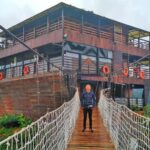
Ciater hot springs Sari Ater: warm sulfur water and a real reset
By the time you reach the hot springs, you’ve earned your soak. Ciater hot springs (Sari Ater is commonly named) is where the geothermal theme softens into relaxation. The water is warm and sulfur-infused, and it’s known locally for healing properties.
People describe hot springs as a perfect end to a long day—especially because the massage afterward helps the body switch gears. You’ll usually have free time in the pools. You can swim, but it’s more practical than “spa fantasy.” One detail to know: pools may not be deep for full-body floating. Some people report soaking is mostly up to the calf or lower, which changes the feel of the experience.
So plan your hot spring setup like this:
- Bring a change of clothes. You’ll want to switch after the soak.
- Pack a towel. Even when you can rent or buy things locally, having your own saves time.
- Wear comfortable clothes for afterward, because you’re going back into the car ride.
The smell of sulfur is part of the point. If you’re sensitive to strong odors, keep a mental note and don’t judge it as “dirty.” It’s geothermal chemistry at work.
Massage and lunch: comfort food meets a long road
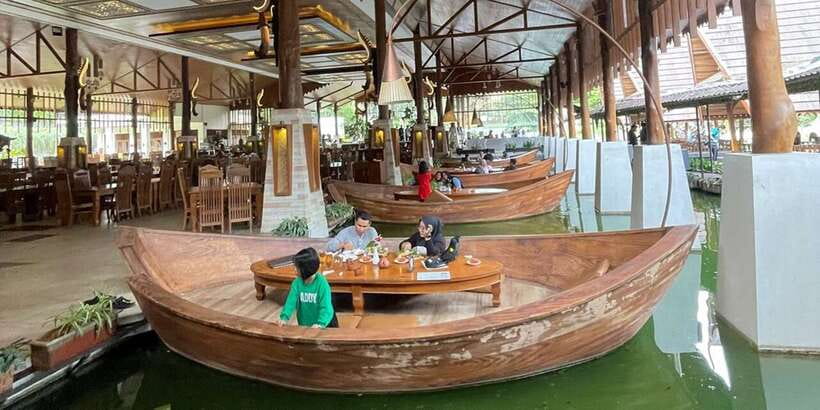
Lunch is included and happens around the Lembang area. The quality can be solid, but you should know lunch may be more practical than “food pilgrimage.” Some people like the meal and say it’s enjoyable, clean, and filling. Others find it less exciting—more fried food than flavorful variety, with limited choices.
The best way to manage expectations is to treat lunch as fuel, not as the main event. The day already has big sensory moments: fruit tastings, volcanic geothermal sights, tea and coffee farm lessons, and the hot spring soak.
Massage is one of the highlights for many people. It’s part of the hot springs experience and gives you a chance to un-knot the day’s walking and road fatigue. Even if you’re not a massage person at home, this can be a smart choice after a long day in a vehicle and uneven ground near the crater.
If you have dietary preferences, it helps to know that some guides in this program have been willing to accommodate, including plant-based options if you speak up. If you’re strict about your food, tell your guide early during the day.
Price and value of a $114 full-day circuit
At about $114 per person for a 14-hour day, you’re paying for more than a few sightseeing stops. You’re getting:
- Hotel pickup and drop-off within Jakarta
- Air-conditioned transport for a long day
- An English-speaking guide
- Entrance fees for the volcano and hot springs
- Fresh fruit tasting and lunch
- Bottled water
- Toll and parking costs
The biggest value driver here is the total package. In Java, the distances between volcano areas, tea country, and hot springs can eat your time and energy. Paying for organized transport keeps the experience focused on the moments that matter instead of logistics.
Is it worth it? If you want a single day that covers volcano + tea/coffee + hot springs, it often is. If you’re the kind of traveler who wants slow, deep exploration at fewer places, you may feel the schedule is a lot.
Also remember: a long day has a hidden cost—fatigue. You’re trading rest for variety. If you’re okay with that trade, this price starts to look more reasonable.
Who should book this Java volcano, tea, and hot spring day trip
This tour fits best if you:
- Have limited time in Jakarta and want a full countryside day
- Like hands-on nature and food moments (volcano crater activity, fruit tasting, coffee and tea explanations)
- Appreciate a small group and clear English guiding
- Want a low-stress way to see several regions without negotiating transport
It’s not a good fit if you:
- Use a wheelchair or have mobility issues (the tour isn’t suitable for that)
- Are older with limited walking tolerance (not suitable for people over 70, and especially not over 80)
- Prefer long quiet farm walks over quick stops
- Are strongly uncomfortable with animal-related aspects of kopi luwak visits
One more practical tip: bring a towel and a change of clothes even if you think you won’t need it. People who forget usually end up improvising. And for the volcano area, comfortable shoes are non-negotiable.
Final verdict: should you book this tour or pass?
I think this is a strong book if you want a structured, high-impact day outside Jakarta. The volcano crater experience is the headline—up close, active, and sensory—and it pairs well with the food stops afterward. The small-group setup and English guiding make it easier to connect the dots between what you’re seeing and what it means.
That said, go in with honest expectations. The schedule is busy. Some people find the tea/rice portions more like guided photo-and-walk breaks than deep exploration. The hot springs are relaxing, but not always a full deep-swim experience. And the kopi luwak stop can feel mixed depending on your comfort level with the presentation.
If you’re flexible, enjoy food and nature, and don’t mind a long day in the car, this tour is a satisfying way to experience the Bandung-volcano-hot-springs side of Java.
FAQ
What time does pickup in Jakarta start?
Pickup starts between 7:00 AM and 7:25 AM, and the guide will contact you about 10 minutes before reaching your hotel. They wait outside your lobby, but not longer than 10 minutes after the scheduled pickup time.
How long is the tour, and what time do you return to Jakarta?
The duration is about 14 hours. You generally return to Jakarta by 7 PM to 8 PM, and it may extend a bit on weekends.
Is lunch and fruit tasting included?
Yes. You get lunch at a local restaurant and fresh local fruit tasting. Honey pineapple is also included near the end of the day.
Is there an English-speaking guide?
Yes. The tour guide speaks English, and you’ll be in a small group limited to 10 participants.
Does the tour include entrance fees and skip-the-line entry?
Yes. Entrance fees are included for the volcano and hot springs, and it also includes skipping the ticket line.
What should I bring for the volcano and hot springs?
Bring comfortable shoes, a change of clothes, and a towel. Also wear comfortable clothes for walking and for swimming at the hot springs.