REVIEW · KYOTO
Tea ceremony by the tea master in Kyoto SHIUN AN
Book on Viator →Operated by SHIUN AN · Bookable on Viator
A quiet tea room changes your pace fast. In Kyoto, SHIUN AN offers a small-group ceremony led by a tea master near Daitoku-ji with real hands-on matcha making. You also get a close look at how the room decorations guide the mindset of the ritual.
What I like most is how hands-on it feels. You don’t just watch: you learn the steps, then make your own bowl of matcha, with time for two bowls of matcha during the experience, plus two kinds of Japanese sweets. I also really appreciate the thoughtful teaching setup, including a walk-in to admire hanging scrolls and seasonal flower arrangements before anything starts.
One thing to consider is logistics. This is in a quieter residential area, and you may face stairs and a bit of a trek to get there, even though it’s near public transit. If you want a super-central Gion-style location, you may find it out of the way.
In This Review
- Key highlights to know before you go
- Why SHIUN AN’s tea ceremony feels more like Zen practice than a performance
- Finding the tea room near Daitoku-ji and Kinkaku-ji (without losing your mind)
- The 45-minute flow: scrolls, sweets, and making your own bowl
- What you’ll handle: the tea bowl, container, scoop, and whisk
- Matcha, sweets, and the English context that makes it click
- Group size: small enough for questions, tight enough to keep focus
- Value check: why $33-ish feels fair here (and where it might not)
- Who should book SHIUN AN, and who should think twice
- Should you book this Kyoto tea ceremony?
- FAQ
- How long is the tea ceremony in Kyoto?
- How many people are in each tea ceremony session?
- What’s included in the experience?
- Where is the meeting point, and how close is it to Daitoku-ji and Kinkaku-ji?
- Is pickup or drop-off included?
- Is this activity near public transportation?
- Are service animals allowed?
- What is the cancellation policy?
Key highlights to know before you go
- Tea master-led, professor-qualified teaching with a tea name tied to formal training
- Small group setting (up to 6; may reach 8 in peak season) for more personal instruction
- Room-first intro: hanging scrolls and flower arrangements before matcha steps
- You make matcha basics yourself, not just watch a performance
- Two bowls of matcha and two kinds of sweets included, served with seasonal care
- Tatami-friendly items: white socks and a fold fan included for the setting
Why SHIUN AN’s tea ceremony feels more like Zen practice than a performance
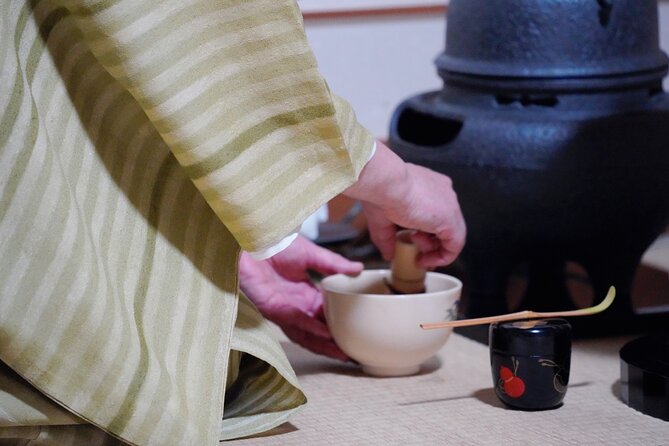
Kyoto has a lot of tea experiences. This one leans into the calm side. It treats the ceremony like a learned discipline, with a spiritual angle tied to Zen ideas of self-discovery.
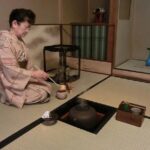
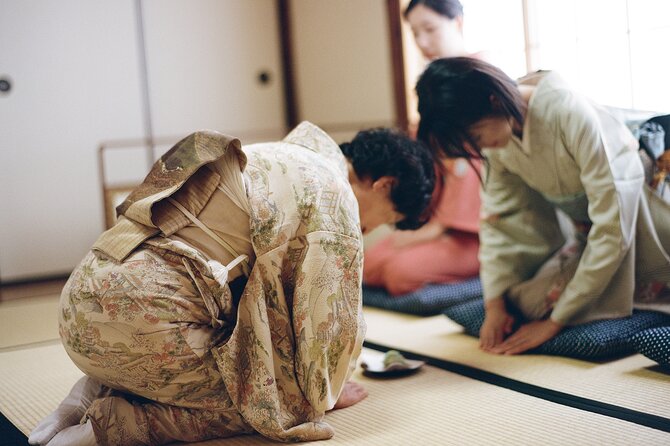
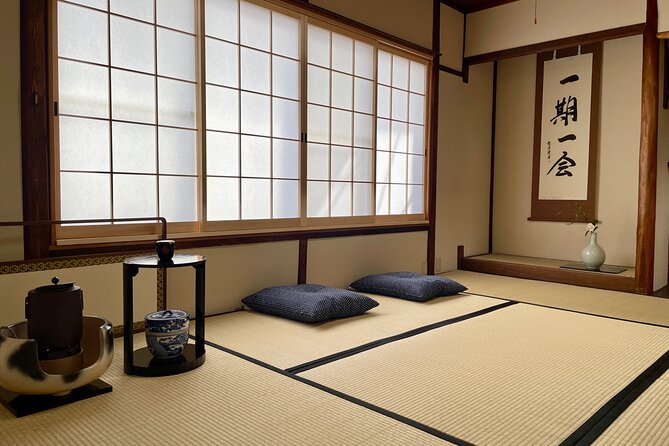
The big practical win is the pacing. The host starts by bringing you into the tea room and explaining what you’re looking at—especially the hanging scrolls and flower arrangements—before you touch any utensils. That order matters because it nudges you from tourist mode into attention mode.
You also get teaching that’s structured, not vague. The host explains the steps, the utensils, and why the room layout is important, so you’re not left guessing what you’re supposed to be doing. It’s the difference between watching someone pour tea and actually understanding what each motion is trying to achieve.
You can also read our reviews of more tours and experiences in Kyoto.
Finding the tea room near Daitoku-ji and Kinkaku-ji (without losing your mind)
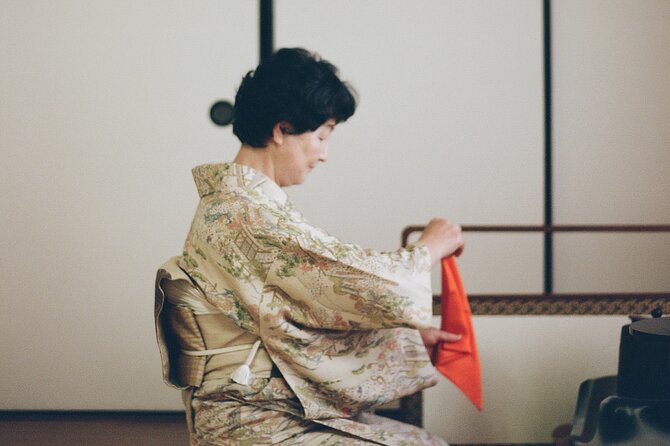
SHIUN AN’s meeting point is at 955-1 Idachō, Kamigyo Ward, Kyoto. The location is near public transportation, which is reassuring, but it’s still in a calmer pocket of Kyoto rather than a high-foot-traffic zone.
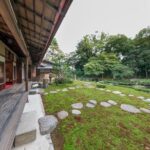
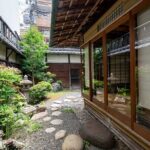
The upside is the atmosphere. Being close to the Zen Buddhist monastery area around Daitoku-ji gives the ceremony a natural context. And you’re not far from the World Cultural Heritage site Kinkaku-ji (Golden Pavilion)—it’s about four bus stops away.
The downside is simple: this isn’t the easiest place to stumble upon. A few people note the location can be tricky to find, and there can be difficult stairs. If stairs are an issue for you, go in with a plan and consider arriving early so you can stay calm instead of rushing.
The 45-minute flow: scrolls, sweets, and making your own bowl
Plan for about 45 minutes. That timeframe is part of the charm: long enough to learn the basics properly, not so long that you feel stuck waiting once you arrive.
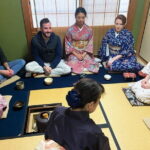
Here’s how the ceremony typically unfolds. You’ll be taken into the tea room first, with time to admire the hanging scrolls and seasonal flower arrangements. The host then explains the steps of the tea ceremony and the meaning behind the utensils and the room setup.
Next comes the part that makes it feel tangible: a seasonal sweet paired with the early matcha experience while you watch how the tea serving process works. You’re not just waiting for your turn—you’re learning by observing the rhythm and order.
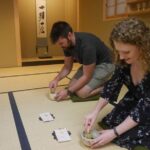
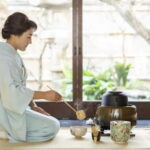
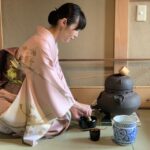
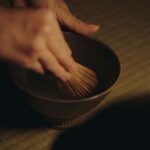
Finally, you move into the hands-on portion. The experience ends with you making your own bowl of matcha and mastering the basics of tea making. It’s not just a trial either: you get to enjoy two bowls of matcha during the session, plus two kinds of Japanese sweets.
That combination—observe, taste, then do—gets you more out of the time than a pure demonstration.
What you’ll handle: the tea bowl, container, scoop, and whisk
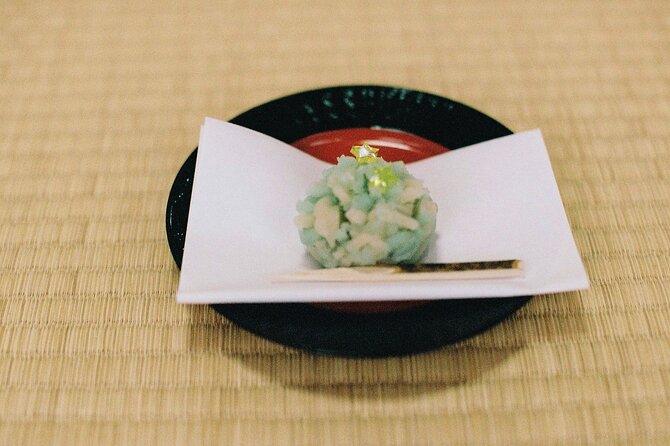
The included items are practical and central to the ceremony:
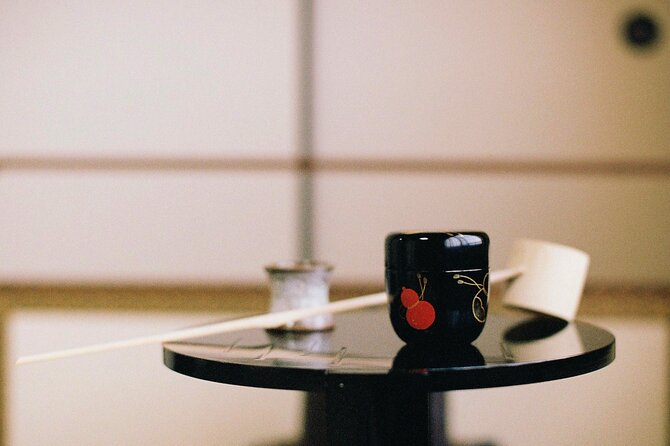
- tea container
- tea bowl
- tea scoops and whisks
- matcha tea
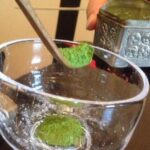
These tools aren’t just props. When you handle the bowl and whisk as you’re taught, you start to understand why the ceremony is so precise. Even if you’ve had matcha before, making it with instruction in the right sequence helps you taste the difference that technique brings.
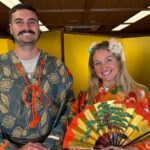
You’ll also get the right “kit” for the room. White socks are included, along with a fold fan, which fits the setting where you sit on the floor. It’s a small detail, but it helps you feel like you’re participating in the ritual setup rather than watching from the outside.
If you’re the type who likes to learn by doing, this is the version of a tea ceremony that makes sense. You’re actively building muscle memory for the basics of whisking and serving.
Matcha, sweets, and the English context that makes it click
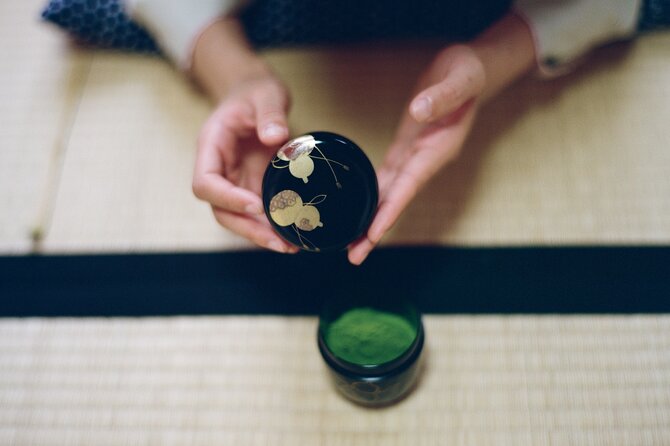
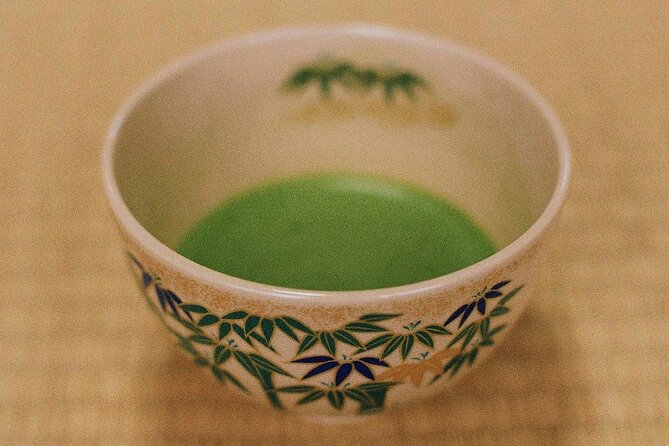
Matcha is the headline, but the sweets are what set the emotional tone. You’ll enjoy a seasonal sweet with your matcha, and you’ll have two kinds of Japanese sweets included total. The pairing matters in a traditional sense: sweet first helps your palate transition, so the matcha lands in a way that feels balanced instead of harsh or flat.
Language support is also a real value. In the experience, an English interpreter helps explain what you’re seeing and why you’re doing it. That turns the ceremony from a sequence of motions into something you can actually understand as you go.
One practical note: the experience asks you to let them know about food allergies. If you have any dietary concerns, reach out ahead of time so they can guide you appropriately.
Group size: small enough for questions, tight enough to keep focus
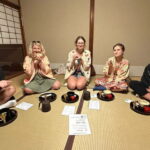
This is a small-group experience. The maximum number of people is 6 per session, and during peak seasons it can increase to up to 8.
That range changes the feel. At the smaller end, you’re more likely to get personal adjustments during the hands-on part, and questions don’t get swallowed by the group. At the higher end, it still stays intimate, but you may need to move a bit more quickly through moments like wiping hands, rotating through steps, or waiting for your turn.
Either way, the structure is designed for attention. This isn’t a crowded workshop. The short 45-minute format keeps everyone on the same rhythm, which helps you learn the essentials without feeling overwhelmed.
Value check: why $33-ish feels fair here (and where it might not)
At about $33.03 per person for a 45-minute tea ceremony, it’s not the cheapest thing in Kyoto. But the value is in what you’re getting, not in the ticket alone.
You receive:
- instruction from a tea master who holds a tea name tied to full professor qualification
- hands-on matcha making
- two bowls of matcha
- two kinds of Japanese sweets
- utensils and ceremonial items for the experience, including socks and a fold fan
So you’re paying for teaching time plus tasting plus the practical tools and cultural context. In a city where many activities are either purely scenic or purely consumable, this one bundles learning and participation.
Where it might not match your expectations is if you’re looking for a long, entertainment-style experience or a high-energy group activity. This is quiet by design. You’ll get the most from it if you like calm, instruction-led experiences and you’re curious about why Japanese rituals are so methodical.
Who should book SHIUN AN, and who should think twice
I think this is a strong fit if you:
- want a matcha lesson you can actually practice at home
- like small-group cultural activities more than big-bus-style schedules
- enjoy Zen-linked settings and traditional room details like scrolls and flower arrangements
- appreciate English context rather than needing to guess what each step means
I’d think twice if you:
- need an easy, step-free location (stairs are a known friction point)
- want something in the main tourist hubs like Gion
- dislike floor seating or having to wear socks for the room setup
The good news is the ceremony itself is short. Even if the location is a bit of a mission, once you’re inside, the time goes smoothly.
Should you book this Kyoto tea ceremony?
If your goal is an authentic-feeling tea ceremony with real instruction and hands-on matcha basics, yes, it’s worth booking. The small group size, the tea master-led teaching, and the fact that you make your own bowl (not just watch) are the key reasons.
Book it with a practical mindset: give yourself extra time to reach the residential neighborhood, especially if stairs are involved. Also, if you have allergies, let them know ahead of time.
And since cancellation is free up to 24 hours before the start time, you can lock it in without too much risk. When you’re planning a Kyoto trip packed with big sights, this is the kind of half-hour to reset your day.
FAQ
How long is the tea ceremony in Kyoto?
The tea ceremony lasts about 45 minutes.
How many people are in each tea ceremony session?
The group is small. It’s capped at 6 people per session, but during peak seasons it can increase to a maximum of 8.
What’s included in the experience?
You receive tea ceremony utensils (tea container, tea bowl, tea scoops, and whisks), white socks and a fold fan, matcha tea, and Japanese sweets. You also get matcha served during the ceremony and the chance to make your own bowl.
Where is the meeting point, and how close is it to Daitoku-ji and Kinkaku-ji?
You meet at 955-1 Idachō, Kamigyo Ward, Kyoto, 602-8302, Japan. The ceremony is near Daitoku-ji Temple, and Kinkaku-ji (Golden Pavilion) is about four bus stops away.
Is pickup or drop-off included?
No. Pickups and drop-offs are not included.
Is this activity near public transportation?
Yes, it’s near public transportation.
Are service animals allowed?
Yes, service animals are allowed.
What is the cancellation policy?
You can cancel for a full refund if you cancel at least 24 hours in advance of the experience’s start time. Free cancellation is available up to 24 hours before.