REVIEW · KYOTO
Kyoto Tea Ceremony and Samurai Photo Session
Book on Viator →Operated by Japan food entertainment Ltd · Bookable on Viator
Step into a Kyoto machiya and turn matcha into art. This Kyoto Tea Ceremony and Samurai Photo Session blends hands-on matcha making, seasonal wagashi, and a fun photo finish in real samurai armor. You’ll learn the steps, taste what you make, and leave with a new skill you can actually use.
Two things I really like are the setup in a 100-year-old machiya and the way the host guides you while you participate—not just watch. Another big plus is the focus on flavor and technique: you’ll go from traditional matcha preparation to making a creamy Kyoto-style matcha latte. The main catch to consider is time: with an ~1 hour 20 minutes total run, it’s more workshop than long, slow cultural ceremony.
In This Review
- Key Highlights at a Glance
- A 100-Year Machiya Setting That Makes Matcha Feel Practical
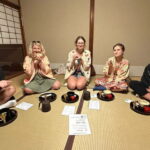
- Small-Group Session With Real Guidance (Up to 10)
- Where You Meet in Kyoto and How to Plan Your Timing
- How the Tea Ceremony Works: From History to Your Own Bowl
- What you do during the ceremony
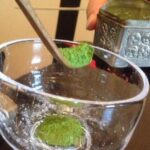
- Matcha Quality and the Whisking Moment You’ll Remember
- Wagashi and the Seasonal Sweet That Completes the Tea
- Turning Matcha Into a Kyoto-Style Latte
- What to expect from latte-making
- Samurai Armor Photos: Fun Costume Work With Big Payoff
- Price and Value: Is $71.74 Worth It?
- Booking Ahead: When “Popular” Actually Helps
- Who This Experience Suits Best (And Who Might Skip It)
- Tips to Get the Most From Your Tea Ceremony and Samurai Session
- Should You Book This Kyoto Tea Ceremony and Samurai Photo Session?
- FAQ
- How long is the Kyoto tea ceremony and samurai photo session?
- What size is the group?
- Where do I meet for the tour?
- What do I actually do during the session?
- Is there free cancellation?
- Will I receive confirmation and a ticket?
Key Highlights at a Glance
- Matcha in a 100-year-old machiya: A traditional townhouse setting that makes the ritual feel real, not staged.
- You participate, not just observe: You make matcha, then turn it into a latte.
- Seasonal wagashi included: Sweet accompaniments that match the tea moment.
- Samurai armor photo time: Dress up for memorable pictures with authentic-looking gear.
- Small-group feel (max 10): More hands-on attention and easier questions.
- Host name you’ll hear a lot: Maya: Frequently praised for clear English, humor, and patience.
A 100-Year Machiya Setting That Makes Matcha Feel Practical
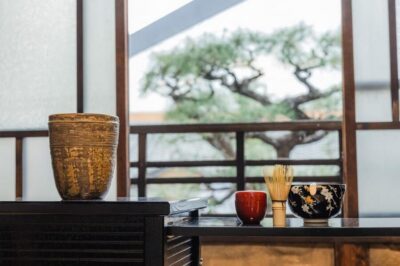
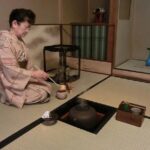
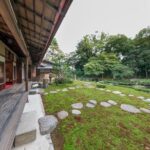
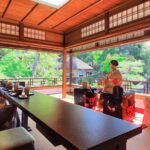
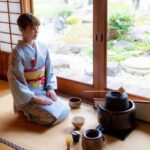
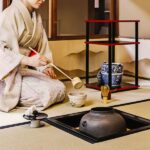
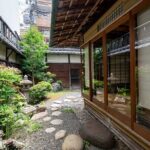
Kyoto is full of places that sell tea experiences. What makes this one worth your time is where it happens: a 100-year-old machiya, a traditional Kyoto townhouse with that lived-in, quiet mood you can’t fake with decor. Matcha ceremonies aren’t only about taste; they’re about rhythm—how you move, how you pause, and how you treat the utensils like they matter.
In a machiya, your senses line up fast. The room feels calm. The process feels intentional. And because you’re actively doing the steps (not only watching), you get a better sense for what matters: whisk technique, water temperature awareness, and how the tea changes as you prepare it right.
One practical bonus: because this is a short session, you’re not committing half a day to one activity. That matters in Kyoto, where you can spend 20 minutes just moving between neighborhoods if you’re not careful.
You can also read our reviews of more tours and experiences in Kyoto.
Small-Group Session With Real Guidance (Up to 10)
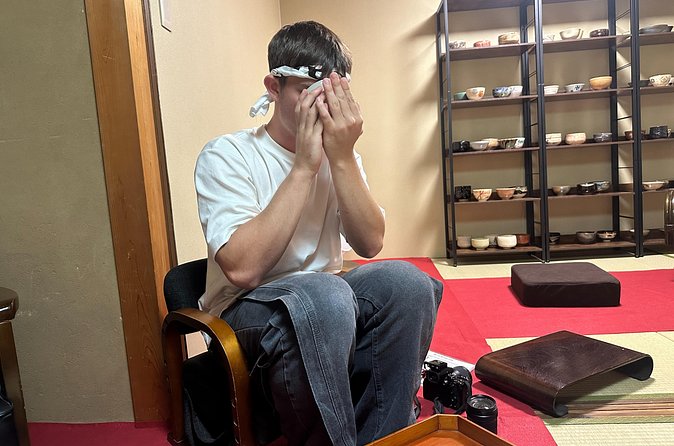
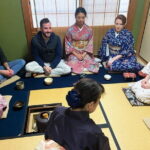
This activity runs with a maximum of 10 travelers, which keeps things from turning into a noisy show. Smaller groups matter for tea workshops because you need feedback—like whether your whisking motion is consistent, or whether you’re aiming for the right texture in your bowl.
The host is often described as fun, patient, and funny, with strong English. In the experience details and the comments you provided, the name Maya comes up again and again, with praise for teaching in a way that’s easy to follow. That’s a huge value point if you’re a first-timer, because tea terms can sound intimidating until someone explains them in plain language.
Also, the class has a clear “do this next” flow. You’ll start with context (what the ceremony is about), then move into hands-on making, then tasting and finishing with photos.
Where You Meet in Kyoto and How to Plan Your Timing
You meet at Samurai Gyoza Factory Kyoto, address: 230-1 Kamimyōkakujichō, Nakagyo Ward, Kyoto, 604-0025, Japan. The activity ends back at the meeting point.
Two timing facts to keep straight:
- The session is listed as 1 hour 20 minutes (approx.)
- The tea-making experience is described as about 50 minutes
So think of it like this: you’ll have a warm-up and instruction block, then your main matcha making, then latte steps and tasting, and finally the samurai armor photo moment. That last part eats up a little time—photos always do, especially if you want multiple angles and poses.
It’s also near public transportation, which helps. Kyoto is easier when you don’t have to rely on long, complicated walks at night.
How the Tea Ceremony Works: From History to Your Own Bowl
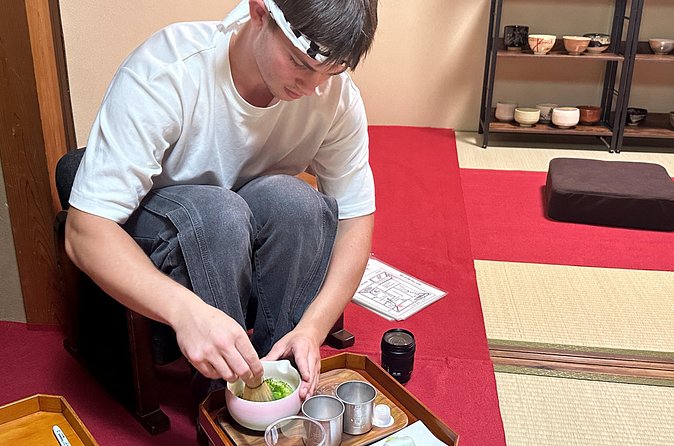
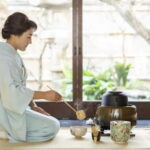
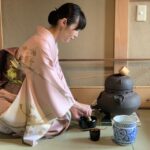
A good tea ceremony teaches you two things: the steps and the mindset. The experience here follows that pattern. You’ll start by learning about the history of the tea ceremony and then watching the host perform the key movements before you try.
In the information you shared, participants repeatedly note:
- the explanations are detailed but still easy to understand
- the host encourages participation
- the ceremony feels meaningful, not just technical
For you, the practical benefit is that you’ll understand what you’re doing. You won’t just copy motions. You’ll learn why they matter. That’s the difference between drinking a matcha latte from a café and making one at home that actually tastes like matcha.
What you do during the ceremony
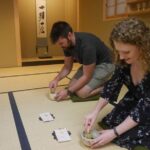
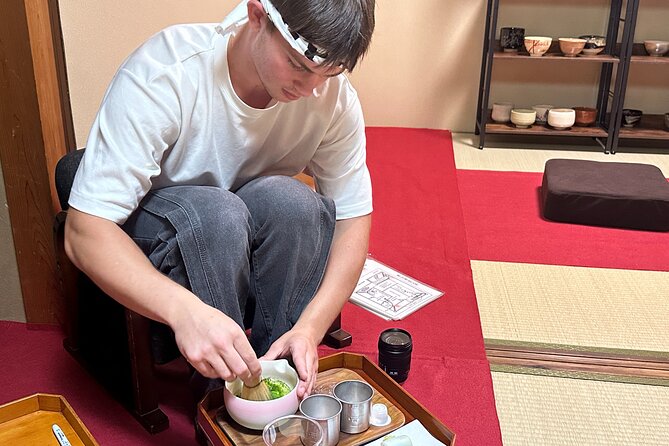
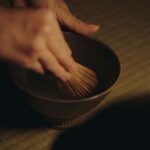
You’ll take part in making matcha in a traditional way, and you’ll also get to taste what you make. That “make and taste” approach matters because matcha has instant feedback—if it’s too bitter, too thin, or not frothy enough, you’ll feel it right away.
Matcha Quality and the Whisking Moment You’ll Remember
People often assume matcha is just a flavor choice. In reality, it’s texture and process. The comments you provided give a clear signal: the matcha used is described as good quality, and the host is patient while guiding you.
That matters because beginners usually struggle with one of these:
- getting enough foam or a smooth consistency
- not rushing the mixing step
- using a motion that’s too forceful or uneven
In a guided session with someone like Maya (based on the supplied details), you’re more likely to hit that satisfying, creamy texture that makes matcha feel special. And because this is interactive, you’ll get multiple chances to correct yourself while you’re still in the moment.
If you’re the kind of person who likes doing things with your hands, this is one of the better “activity vs. attraction” choices in Kyoto. Tea workshops can feel passive. This one is built to move.
Wagashi and the Seasonal Sweet That Completes the Tea
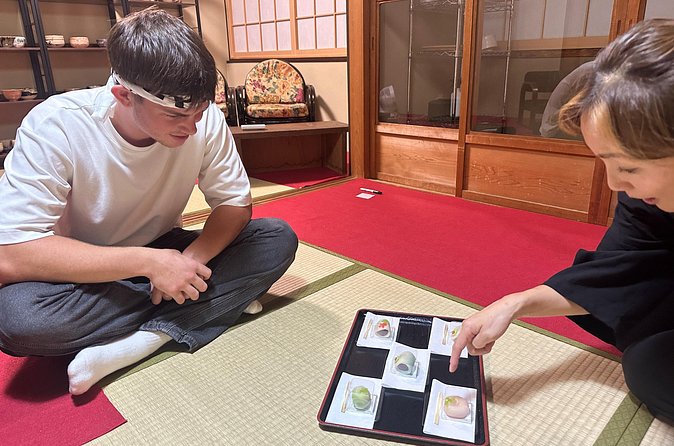
Wagashi are not an afterthought here. The experience includes seasonal wagashi—traditional sweets meant to pair with the tea and add texture and contrast.
This is a smart inclusion. Matcha can be intense: vegetal, slightly bitter, and earthy. A well-chosen wagashi gives you balance. It also changes the whole experience from drink-only to taste-and-story. And if you’re learning about the cultural side, sweet pairings are where that “ceremony” feeling often lands hardest.
Seasonal also helps you remember your day. In Kyoto, the best souvenirs are often the edible ones you can’t easily replicate at home, because they’re tied to time and season.
Turning Matcha Into a Kyoto-Style Latte
The modernization is part of what makes this workshop attractive. Instead of ending with only traditional matcha, you’ll make a creamy Kyoto-style matcha latte after the traditional portion.
In the details you shared, multiple participants mention:
- learning how to make the latte, not only drink it
- getting explanation for the steps in clear English
- leaving with a recipe to practice later
That last piece is a big deal for value. A lot of cultural classes teach you something you can’t repeat. If you leave with instructions for home, you’ll use the skill again. And that turns your payment into something more than a one-time memory.
What to expect from latte-making
You’ll take the matcha you prepared and adapt it into a drink format. The latte version is usually easier to drink for people who find straight matcha too strong. It’s also the bridge between traditional Kyoto tea culture and the way people actually enjoy matcha today.
If you’ve got coffee-shop matcha cravings, this part will feel like a cheat code—because now you’ll know what changes, and why.
Samurai Armor Photos: Fun Costume Work With Big Payoff
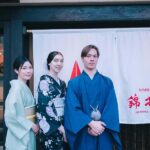
Then comes the part most people remember immediately: the chance to don authentic samurai armor for photos.
This is not just “stand here, take one picture.” The information you provided repeatedly highlights plenty of photo opportunities, and you’ll want that flexibility. Armor shots are more than a prop; they create a strong visual story of the setting—samurai-era vibes right in Kyoto.
Practical consideration: armor can restrict movement and feel warm or heavy depending on how it’s fitted. You’ll likely be assisted, but if you’re sensitive to tight clothing or you hate anything that limits your posture for photos, expect to feel a little awkward for a few minutes.
Still, if you want a memorable contrast to the tea portion—serene ritual to dramatic warrior pose—this ending is a smart one.
Price and Value: Is $71.74 Worth It?
At $71.74 per person, you’re paying for three things in one package:
1) a hands-on tea workshop in a 100-year-old machiya
2) ingredients and tasting (matcha plus seasonal wagashi, plus the latte you make)
3) the photo experience with samurai armor
For Kyoto, where a lot of experiences charge separately for entry, guide time, and equipment, bundling all three is where the value shows up. You get skill practice (matcha-making), sensory experience (wagashi and latte tasting), and a visually strong souvenir (armor photos).
The tradeoff is that it’s short. You don’t get a full half-day immersion. But for many people, that’s actually a plus. You can fit this into a day that already includes temples, markets, and river walks without burning your schedule.
If you’re comparing against “tea show with no participation,” this one is typically a better deal because you actively make the drinks.
Booking Ahead: When “Popular” Actually Helps
This experience is commonly booked about 72 days in advance on average. That doesn’t mean you can’t find a slot last minute, but planning ahead gives you more choice in time of day—and keeps your Kyoto day from turning into a scramble.
Also, since it uses a mobile ticket and runs with a small group, availability is often tighter than big, open-entry attractions.
If you’re traveling in peak season or you’re planning multiple small-group activities, I’d treat it like a “book early” item.
Who This Experience Suits Best (And Who Might Skip It)
This is a strong match for:
- first-timers who want a clear, guided introduction to matcha
- people who like hands-on learning more than sitting and watching
- anyone who wants both traditional Kyoto culture and a fun photo moment
- groups and couples who want an activity that feels personal, not mass-produced
It may be less ideal if:
- you’re looking for a long, slow, meditation-style tea evening
- you hate costumes or you’re worried about wearing fitted items for photos
- you’re extremely budget-focused, because you’re paying for multiple included experiences, not just a drink tasting
Tips to Get the Most From Your Tea Ceremony and Samurai Session
A few small choices can make the day smoother:
- Arrive a few minutes early at Samurai Gyoza Factory Kyoto so you don’t feel rushed before you start.
- Wear clothing that’s comfortable and lets you move easily for the photo portion.
- Go in hungry enough to enjoy the wagashi and latte, but not so full that you feel sluggish during the hands-on steps.
- If you want to replicate it later at home, pay attention during the latte portion where instructions are most likely to translate directly.
And if your goal is learning, don’t be shy about asking for clarification mid-session. The host’s job is to guide you through the steps, and the tone described in the details you shared suggests you’ll be encouraged to participate.
Should You Book This Kyoto Tea Ceremony and Samurai Photo Session?
Book it if you want a compact Kyoto experience that combines real matcha technique, seasonal sweets, and an ending that turns into great photos. The small group (max 10) and the praise around the host’s English and humor make it especially appealing for beginners.
Skip it only if you’re expecting something long and ceremonial, or if the samurai armor part doesn’t sound fun for you. For most visitors, the mix is exactly right: calm tea basics first, then a playful warrior photo finish.
If you’re building a Kyoto day with multiple stops, this is the kind of activity that gives you a skill, a taste, and a story—without taking over your whole schedule.
FAQ
How long is the Kyoto tea ceremony and samurai photo session?
It runs for about 1 hour 20 minutes (approx.).
What size is the group?
The experience has a maximum of 10 travelers.
Where do I meet for the tour?
You start at Samurai Gyoza Factory Kyoto230-1 Kamimyōkakujichō, Nakagyo Ward, Kyoto, 604-0025, Japan. It ends back at the same meeting point.
What do I actually do during the session?
You’ll learn about matcha-making, make your own matcha, enjoy seasonal wagashi, create a Kyoto-style matcha latte, and take photos while wearing authentic samurai armor.
Is there free cancellation?
Yes. You can cancel for a full refund if you cancel up to 24 hours in advance of the experience start time.
Will I receive confirmation and a ticket?
You’ll receive confirmation at time of booking, and the experience uses a mobile ticket.