REVIEW · KYOTO
Private Kyoto Sushi Cooking Class & Tea Ceremony with Emika
Book on Viator →Bookable on Viator
Kyoto can be all temples and photos. This is different: you eat what you make in a local home. Emika teaches Japanese cooking with seasonal Obanzai ingredients (often from her own organic garden), and the meal is built around real conversation. I love the hands-on pace and the fact that you’re not rushed through a scripted demo.
Two things I especially liked: the cooking instruction is patient and clear, and the final meal feels like a proper sit-down you actually enjoy. One possible drawback is that the address is a home in a quieter Kyoto neighborhood, so you’ll need to get there yourself and expect a short walk once you’re near public transport. Also, if you want a specific menu, you need to state sushi vs. Obanzai preference when you book.
In This Review
- Key Highlights You’ll Care About
- A Kyoto Home Kitchen, Not a Scripted Show
- Matcha First, Then Real Cooking: How the Timing Works
- What You Cook in Emika’s Kitchen: Sushi + Kyoto Obanzai Sides
- Garden Ingredients Change the Whole Flavor
- The Meal Comes With Drinks, Then Ends With Tea Ceremony
- The Optional Market Tour: Shop Like Locals (After Lunch)
- Price and Value: What $109 Buys You (and Why It’s Fair)
- Practical Tips So You Don’t Lose Time
- Should You Book This Kyoto Cooking Class With Emika?
- FAQ
- What is the duration of the Kyoto cooking class and tea ceremony?
- What menu options can I choose?
- Is alcohol or matcha included?
- Do I get hotel pickup and drop-off?
- What happens if I choose the Market tour option?
- Can Emika accommodate allergies or dietary restrictions?
Key Highlights You’ll Care About
- Private group setting in Emika’s home, so questions are easy and the pace fits your group
- Matcha or sake included, paired with what you cook
- Obanzai focus: seasonal vegetables, miso soup, tofu dishes, and examples like marinated mushrooms
- Garden-to-table vegetables: Emika grows organic produce you’ll use
- Optional market tour happens after your meal, with a short walk to a local supermarket/produce store
- Tea ceremony ending that gives the meal a satisfying cultural close
A Kyoto Home Kitchen, Not a Scripted Show
This experience is built around one simple idea: you cook, you eat, and you talk, in a real home. You meet Emika at her address in Nishikyo Ward (the meeting point is 31-30 Katsurainariyamachō). From nearby public transportation, it’s a short walk through residential streets, which is part of the charm but also why you’ll want to check your route ahead of time.
The private nature matters. You’re not sharing counter space with strangers, and the class can move at a comfortable speed for different skill levels. That’s a big deal if your group includes someone who wants to learn technique slowly, or someone who just wants to understand ingredients and build confidence.
You’ll also want to plan for the fact that there’s no hotel pickup or drop-off. This is not a door-to-door tour. If you’re comfortable using transit and a map app, you’ll be fine.
You can also read our reviews of more tours and experiences in Kyoto.
Matcha First, Then Real Cooking: How the Timing Works
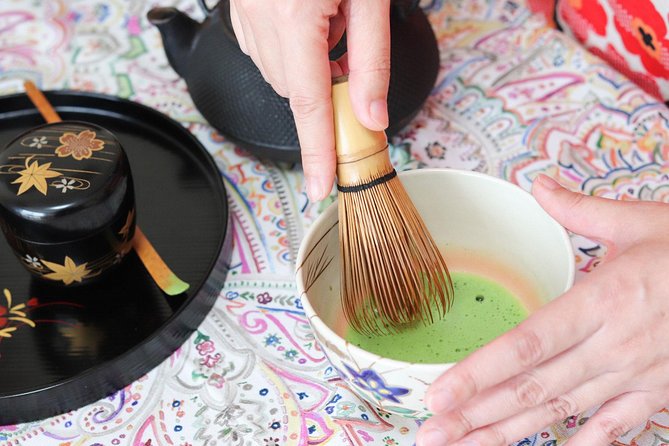
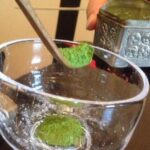
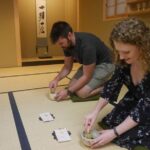
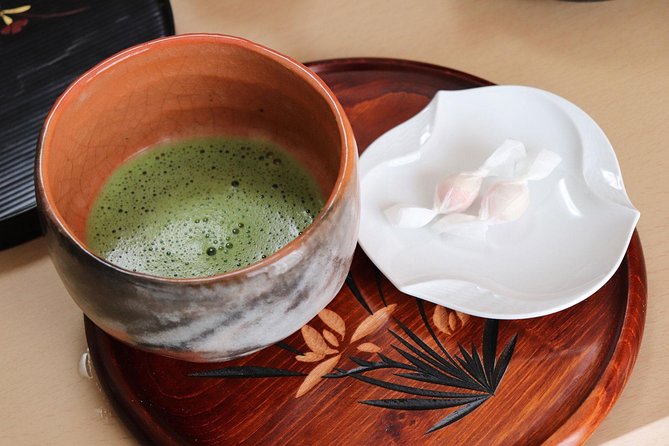
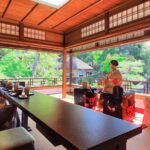
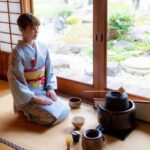
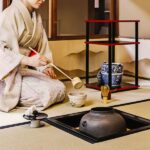
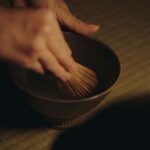
The flow is easy to picture. The experience starts (or ends, depending on the schedule) with a freshly made cup of traditional matcha green tea, prepared by Emika or her father. After that warm start, you get into the kitchen and begin the cooking portion.
The cooking time is about an hour, followed by the meal you prepared together. Then you finish with a tea ceremony. That structure is actually great for travelers: you get instruction, you get to eat while it’s still fresh, and you’re not stuck in the kitchen for half a day.
If you’re deciding between lunch and dinner options, lean toward the time that matches your appetite. Since you’ll be making dishes and then sitting down to eat, you’ll enjoy it more when you’re not rushing to make another reservation right afterward. For many people, this becomes the one “slow food” block in an otherwise fast-moving Kyoto plan.
What You Cook in Emika’s Kitchen: Sushi + Kyoto Obanzai Sides
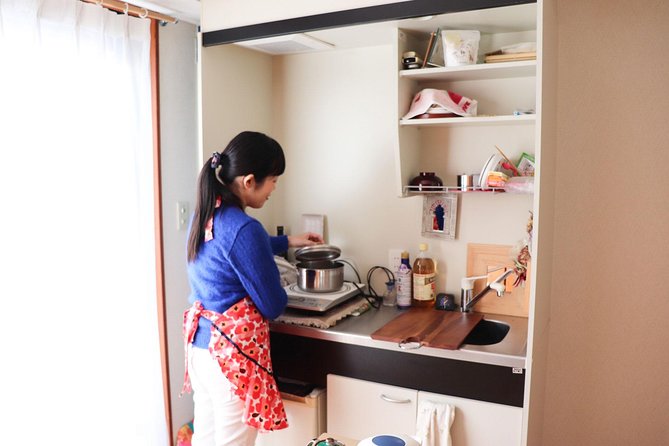
You choose your menu preference when booking: sushi or an Obanzai (Kyoto specialty) menu. The core concept stays the same, though: you’ll learn to make your meal with Emika’s guidance and use seasonal ingredients.
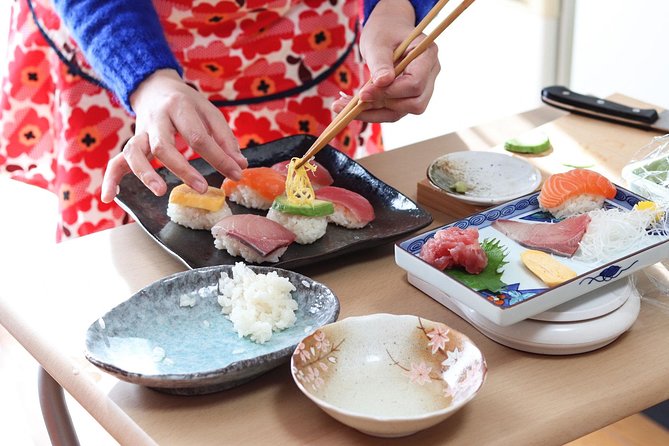
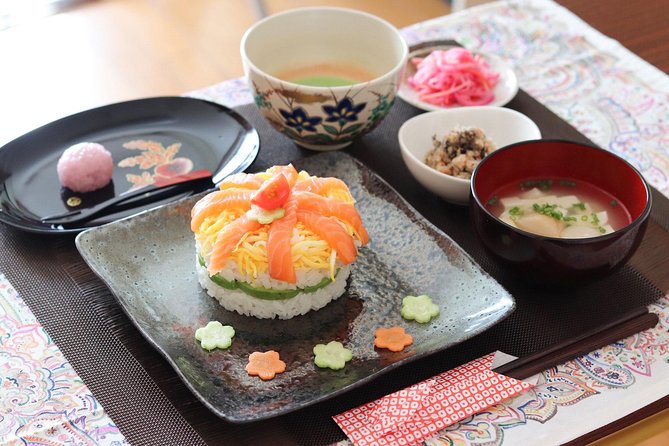
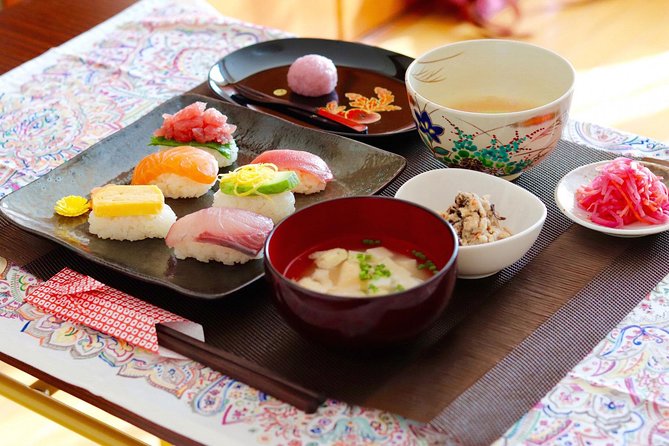
If you go the sushi route, you’ll learn to make sushi of your choice. You’ll also create a traditional set that includes two Obanzai-style vegetable dishes. If you select the Obanzai-centered option, you’ll still get to experience the Kyoto vegetable side dishes that make Obanzai special, along with classic flavors like miso.
From the dish examples tied to this style of cooking, you might work with things like:
- Marinated mushrooms
- Slow-cooked vegetables
- Miso soup
- Tofu dishes
- Other seasonal vegetable sides that change with what’s fresh
What makes this more than a list of recipes is that Emika teaches how the dishes fit together. Sushi isn’t just rolling; it’s preparation and timing. Obanzai isn’t just “healthy veggies”; it’s cooking methods and flavor-building (like how marination or slow cooking changes texture). You’ll leave with a better sense of why Japanese home cooking tastes the way it does.
And yes, skill levels welcome is real here. You don’t need to already know how to handle a bamboo mat. You’ll learn by doing, with explanations that focus on what to watch for during each step.
Garden Ingredients Change the Whole Flavor
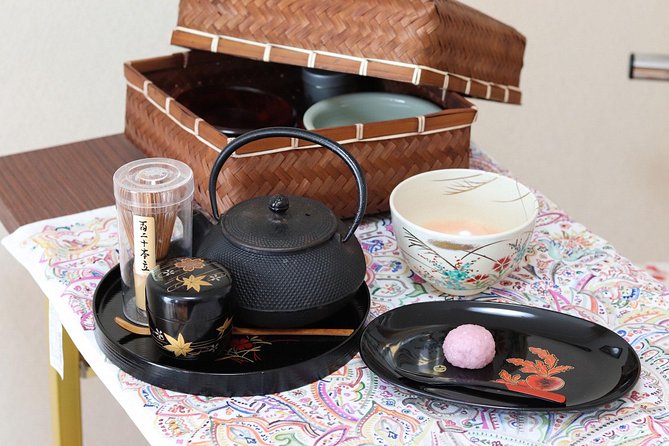
One of the strongest themes in the experience is the ingredient quality. Emika grows her own organic vegetables, and you’ll use some of that produce during your class. Even if you only taste a couple bites before you start cooking, you’ll feel the difference in freshness.
This is a key value point for you, because Kyoto’s food scene can get expensive fast once you’re eating out every day. Here, your meal is part of the class, and the ingredient choices support that price: you’re paying for instruction plus the food you actually eat.
You’ll also be using seasonal ingredients, which matters in Japan. The goal isn’t just variety. It’s flavor at its peak. When you cook with what’s in season, the dish tastes more “complete,” even if you’re a beginner.
The Meal Comes With Drinks, Then Ends With Tea Ceremony
While you’re cooking and eating, you get included drinks: local alcohol (about 1–2 glasses) or matcha paired with your food. This isn’t a throwaway extra. The pairing helps you understand how Japanese drinks and tea fit into a meal rather than turning it into a separate event.
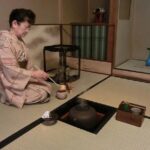
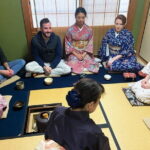
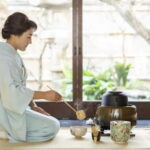
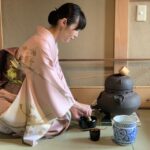
After the meal, you end with a tea ceremony. The ending is gentle and reflective after the active cooking. It gives you a cultural anchor that feels more meaningful than just finishing dessert and rushing out.
If you like food experiences that include both craft and culture, this pacing works. You’ll learn technique in the kitchen, then shift into the tea part that slows everything down.
The Optional Market Tour: Shop Like Locals (After Lunch)
If you choose the Market tour option, you’ll get a 1-hour visit to a local “supermarket” and produce store. Important detail: this market part happens after your cooking class and meal, not before. You’ll walk about 10 minutes together to the store area.
This option is especially useful if you want to recreate the food at home. The class teaches technique, but the market teaches what ingredients to look for and how Japanese seasoning brands show up in everyday shopping. You can also ask Emika for help purchasing items to take home.
What you do in the market is not a complicated side quest. It’s simple: you see the products locals buy and get pointed toward the specific spices or staples that match what you cooked.
If you’re short on time in Kyoto, skip this option. The main class and tea ceremony are already a full 3 hours (approx.). But if you like the idea of leaving with a mini grocery list, this added stop makes the value stretch.
Price and Value: What $109 Buys You (and Why It’s Fair)
At $109 per person, you’re paying for a private home experience, not a large group class in a rented space. That private setup is a big part of the value: you can ask questions, request menu preference, and get guidance based on what you’re doing.
You also get included items that add real cost if you tried to replicate them on your own:
- The cooking class and tea ceremony with your host
- Local alcohol (1–2 glasses)
- In the market option, the supermarket/produce store tour
A 3-hour experience is also a sweet spot in Kyoto. It’s long enough to learn something real and eat comfortably, but not so long that you lose a full evening.
Booking tends to be done about 49 days in advance on average, which is a quiet hint that Emika’s schedule fills up. If you’re traveling in peak season or during a busy week, book earlier rather than later.
Practical Tips So You Don’t Lose Time
Here’s how to get the smoothest experience.
First, decide what you want most: sushi skills or Obanzai flavors. You can let Emika know your preference when you book. That helps her plan the menu so you’re not disappointed mid-class.
Second, tell her about allergies or dietary restrictions ahead of time. The experience notes that you should advise her at booking. That’s the best way to keep the meal aligned with your needs.
Third, plan for getting there on your own. There’s no hotel pickup. Emika’s location is near public transportation, but you should expect that walk to her home.
Fourth, bring curiosity, not cooking confidence. The teaching style is described as patient, and the lessons include details like how sushi rice is handled and how classic dishes come together. Even if you’re a beginner, you’ll be able to follow steps and taste results quickly.
Finally, if language is a worry in your group, don’t stress. Emika explains cooking and customs, and the class is designed around hands-on instruction, which translates well even when English is limited. You’ll still come away with usable technique.
Should You Book This Kyoto Cooking Class With Emika?
If you want a Kyoto food experience that feels personal and practical, I think you should book it. This isn’t just about learning recipes; it’s about learning how Kyoto home cooking balances vegetables, seasonings, and simple culinary steps you can repeat later.
Book it if your group includes at least one person who enjoys cooking, or who wants more than the typical restaurant meal. It’s also a strong choice for mixed ages because the experience is taught for different skill levels and focuses on making and tasting in one sitting.
Skip it only if you need a fully structured, zero-walking tour with hotel pickup. This is a home-based experience with a local neighborhood approach. If you can handle that, you’ll likely find it one of the most memorable food moments in your Kyoto trip.
FAQ
What is the duration of the Kyoto cooking class and tea ceremony?
It lasts about 3 hours, including the cooking portion (about an hour), the meal you prepare, and the tea ceremony.
What menu options can I choose?
You can request either a sushi menu or a Kyoto Obanzai (native Kyoto) menu. You should tell Emika your preference when booking.
Is alcohol or matcha included?
Yes. The experience includes local alcohol (about 1–2 glasses) and/or matcha paired with your food.
Do I get hotel pickup and drop-off?
No. Hotel pickup and drop-off are not included, so you’ll meet Emika at the listed address and handle your own way there.
What happens if I choose the Market tour option?
If you choose it, you’ll do a 1-hour tour of a supermarket/produce market after your cooking class and lunch. You’ll then walk about 10 minutes together to the store.
Can Emika accommodate allergies or dietary restrictions?
You should inform Emika at booking about allergies, dietary restrictions, or cooking preferences so she can plan your menu appropriately.