REVIEW · HIROSHIMA
An Amazing set of Cultural experience: Kimono, Tea Ceremony and Calligraphy
Book on Viator →Operated by Okeiko Japan · Bookable on Viator
Put on a kimono, then make matcha. This hands-on cultural lesson happens at a historic Zen temple on Miyajima, and you’ll learn the flow of a traditional tea ceremony while trying calligraphy in a calm, guided setting.
What I love most is the kimono dressing part, with staff helping you choose a look and accessories and getting you photo-ready. I also like that the tea ceremony is practical, not just a show: you make your own matcha and learn the key manners. One thing to consider: it’s a short session (about 90 minutes), so it’s not a full-day Miyajima experience by itself.
In This Review
- Key Highlights Worth Your Time
- Miyajima’s Tokuji Temple Setting: Calm Culture With Real Structure
- Kimono Fitting at Okeiko Japan Miyajima (and How to Get Great Photos)
- Tea Ceremony Performance and Making Your Own Matcha
- Calligraphy Lessons: Writing Kanji and Your Own Name
- Timing, Meeting Point, and How to Plan Your Miyajima Day
- Price Value: What $132.14 Includes (and What You’re Really Paying For)
- Who Should Book This Kimono, Tea, and Calligraphy Experience?
- Should You Book It? My Practical Take
- FAQ
- What activities are included in this Miyajima experience?
- How long does the experience take?
- Where do I meet the group?
- What time options are available?
- What are the age limits and group size?
- Is the temple admission included?
- If I cancel, will I get a refund?
Key Highlights Worth Your Time
- Kimono + tea + calligraphy in one compact 1.5-hour cultural block
- Small group size (max 8) for more hands-on help
- Matcha making plus a tea ceremony performance inside a Zen temple setting
- Calligraphy practice that includes writing characters and your own name
- Lots of photos taken for you, so you can focus on learning
- Easy logistics: meet near the Miyajima ferry area and start times in the morning or afternoon
Miyajima’s Tokuji Temple Setting: Calm Culture With Real Structure
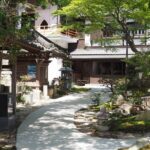
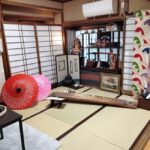
Miyajima has a special vibe—part temple grounds, part island pace. This experience works because it anchors you at Tokuji Temple, not just in a shop. You’re guided into the day’s cultural activities in a way that feels orderly and respectful, rather than like a rushed checklist.
The group size is capped at 8, which matters more than you might think. When there are only a few people, staff can help with fit, posture, and timing during the kimono and tea ceremony moments. And when you’re learning calligraphy, you want someone looking over your shoulder, not yelling instructions from across the room.
You’ll also be in the hands of an operator that clearly emphasizes comfort and guidance. Multiple comments point to friendly, experienced help and a relaxed atmosphere, even while the tea ceremony part stays authentic. That balance is what makes the whole session feel worth doing, even if you’ve already seen a lot of Japan.
You can also read our reviews of more tours and experiences in Hiroshima.
Kimono Fitting at Okeiko Japan Miyajima (and How to Get Great Photos)
Your experience starts at Okeiko Japan Miyajima at 741-1 Miyajimachō, Hatsukaichi, Hiroshima 739-0588. It’s about a 5-minute walk from the Miyajima ferry port toward Tokujuji, so you’re not stuck in far-away transfers or complicated directions.
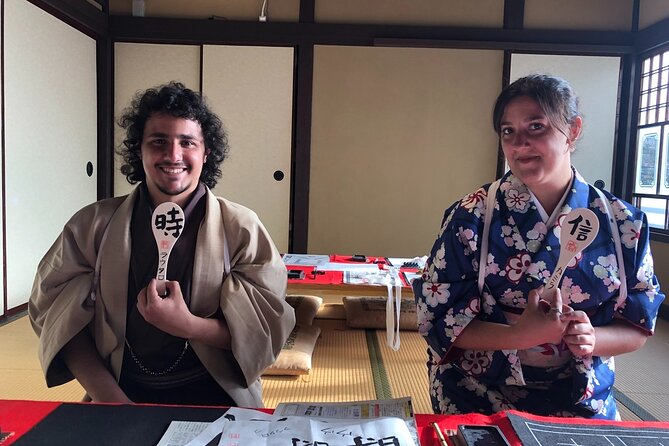
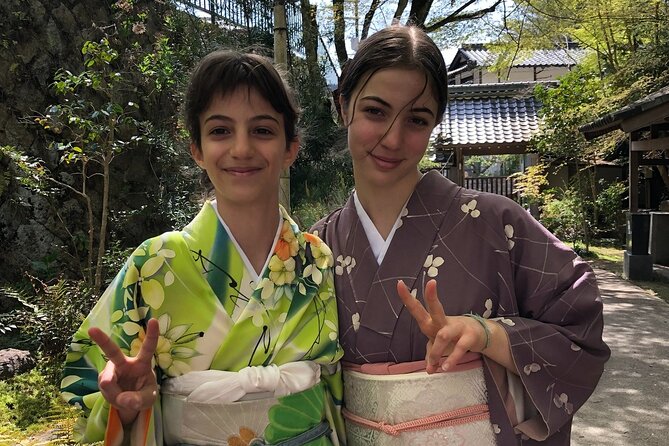
The kimono portion is a big part of the fun, and it’s not just “put this on and go.” You’ll pick from a selection of kimono in your size, and the staff helps with the details that make it look right: socks, obi, cord, and small accessories like a flower. I like that they don’t treat it like a costume-only moment. They help you get dressed properly so you can actually participate in the rest of the ceremony comfortably.
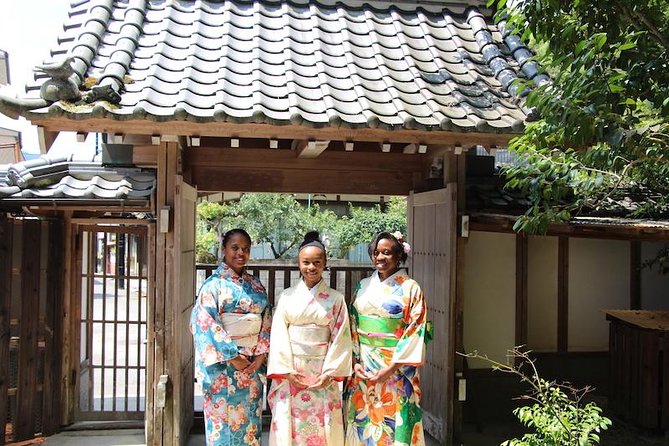
Photo-wise, the setup is smart. You don’t have to worry about lining everything up yourself while wearing layers and adjusting your outfit. Staff take photos throughout the experience, including time spent in the temple gardens. If you want that classic Japan souvenir look, this is one of the most efficient ways to get it without spending your own time playing photographer for your entire group.
One practical note: kimono fit can feel a little different from regular clothes, especially if you’re not used to tying obi. The good news is that the experience is designed to work for real bodies and different comfort levels. Reviews mention that even men enjoyed the experience and that sizes were available, which suggests the staff is used to a range of guests.
Tea Ceremony Performance and Making Your Own Matcha
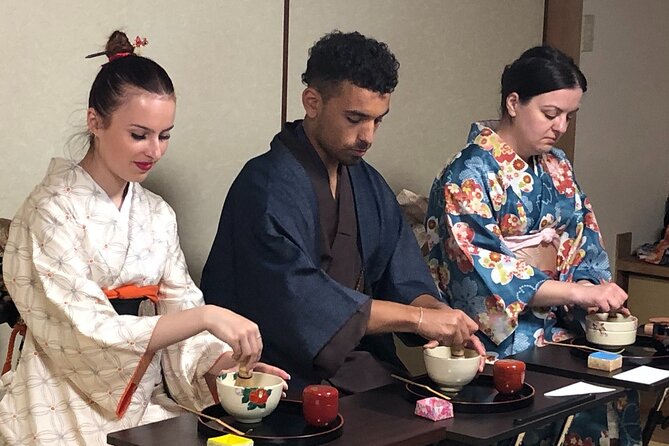
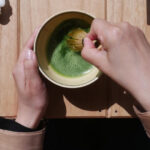
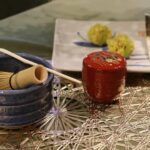
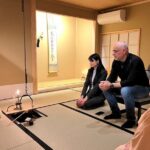
The tea ceremony is the heart of the cultural lesson. You don’t just watch. You’ll learn the flow, observe first, then do the key steps yourself. The experience includes making matcha by whisking it—so you get the satisfying moment of doing the thing, not only hearing about it.
What I appreciate here is the pacing. The tea ceremony includes a performance component, but it’s paired with explanation in English, so you can understand what you’re doing while you do it. That means you’re more likely to remember details like the manner of handling utensils and the general order of actions, rather than feeling like it was theater.
The tea tools also matter for the experience. Some comments highlight that the tea bowls used are especially beautiful and made by local artisans. It’s a small detail, but it helps you feel the care that goes into the ceremony—from tools to gestures to the way the session is led.
And yes, you’ll get your matcha lesson in a way you can actually take home mentally. Once you’ve whisked it yourself, the tea ceremony doesn’t feel abstract anymore. It turns into a sequence you can picture and repeat in your head later when you’re back in your hotel thinking, Wait, I did that.
Calligraphy Lessons: Writing Kanji and Your Own Name
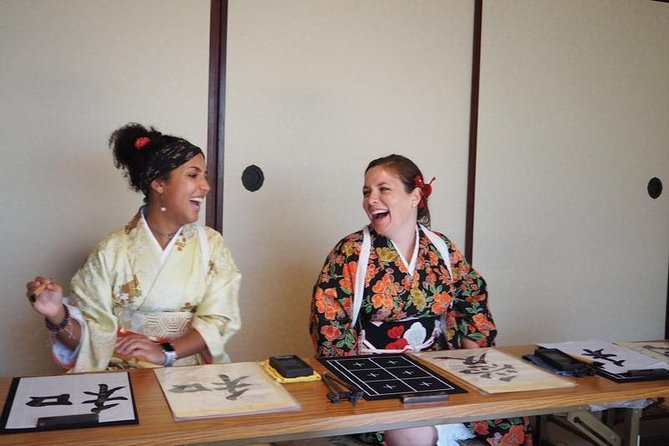
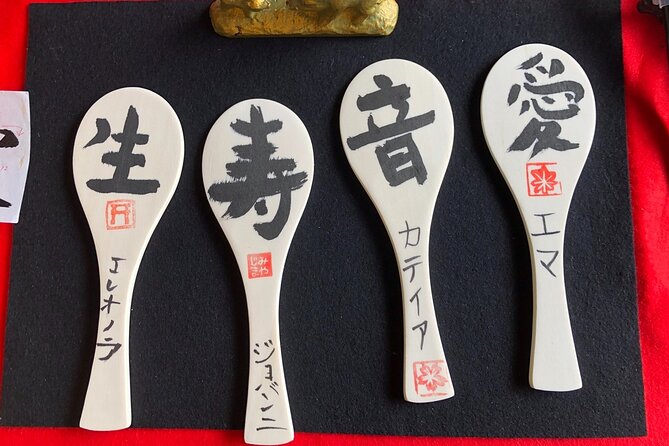
After tea, you move into calligraphy practice. This is where the experience turns from viewing culture to making it. You’ll practice some kanji, and you’ll also write your own name. That personal element makes it feel like you contributed something, not just collected photos.
Calligraphy can look easy from the outside—until you try it. Reviews note that writing a few symbols was harder than it looks, which is exactly how it should be. The staff guidance helps you keep going even when the strokes don’t cooperate.
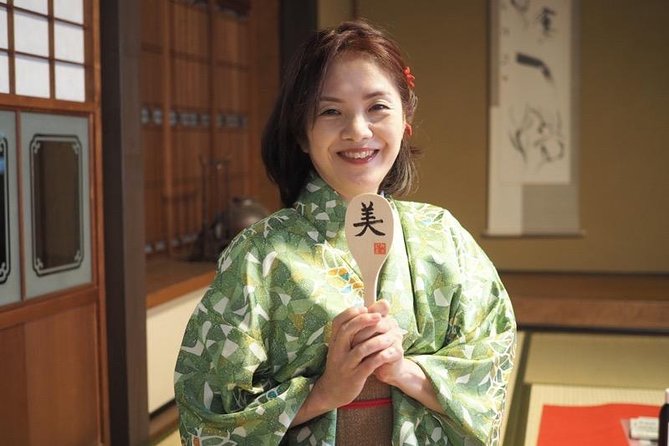
You may also leave with something prepared using what you wrote or practiced. One comment specifically mentions wooden-spoon keepsakes wrapped nicely as a souvenir. Even if your final item varies, the pattern is consistent: the calligraphy part is treated as a meaningful output, not just a quick worksheet.
For me, calligraphy is a strong pairing with the tea ceremony. Both are about patience and small movements. Together, they give you a “whole practice” feeling: you slow down, follow steps, and create something that reflects your effort.
Timing, Meeting Point, and How to Plan Your Miyajima Day
The experience offers morning and afternoon start times, which is a real help when you’re juggling ferries and temple crowds on Miyajima. Since you’re meeting near the Miyajima ferry port and walking toward Tokujuji, your timing matters. If you’re arriving late, you can end up stressed—so I’d give yourself a buffer.
The session is listed as about 1 hour 30 minutes. At the same time, the scheduled temple activity block shows roughly 2 hours. That slight mismatch is common with these kinds of experiences. My advice: plan your day around the longer end of the estimate. Give yourself time to check in, get dressed, take photos, and finish calligraphy without rushing back to catch another connection.
During the experience, your itinerary is straightforward:
- You begin at Okeiko Japan Miyajima.
- You walk in the short distance toward Tokuji and spend time in the temple setting.
- The rest of the session flows through kimono, tea ceremony (including matcha), and calligraphy.
- Then it ends back at the meeting point.
If you’re hoping to do a lot of independent sightseeing on Miyajima the same day, you’ll probably want another block of time on either side for walking around outside this experience. This is the cultural training session portion. Treat it like that, and your day will feel smoother.
Price Value: What $132.14 Includes (and What You’re Really Paying For)
At $132.14 per person, this isn’t a “budget activity.” But it also isn’t just a photo stop in a studio. You’re paying for three things that each take real effort: kimono dressing, a guided tea ceremony with matcha making, and calligraphy instruction with personal practice.
You’re also paying for staff time and care. Multiple comments highlight how kind and experienced the staff are, including helping you choose kimono and accessories, dressing you, and taking lots of photos. That’s not free labor, and it’s the difference between “we watched it happen” and “we learned and participated.”
Small group size helps with value too. With a maximum of 8 people, you’re more likely to get individual help when your kimono fit needs adjustments or when your calligraphy needs gentle correction. That kind of support is where paying for a guided class really makes sense.
One more practical point: the temple admission is listed as free for the main scheduled stop. That doesn’t replace the class value, but it reduces the number of surprise add-ons.
For me, the math looks like this: you’re buying a structured cultural workshop plus the photo and souvenir moments that make it feel like more than an hour. If you want hands-on learning—especially the matcha and calligraphy—you’re likely to feel the money was well spent.
Who Should Book This Kimono, Tea, and Calligraphy Experience?
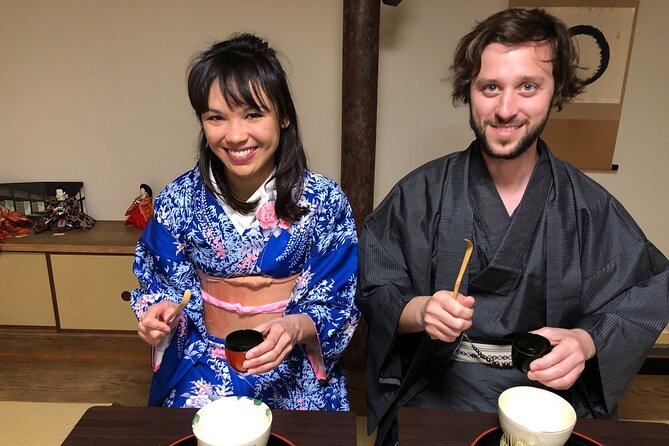
This is a great fit if you want authentic-feeling Japanese culture in a single, well-guided session.
You’ll likely enjoy it if:
- You want hands-on learning, not just sightseeing.
- You like photo memories but don’t want to manage every step yourself.
- You’re okay with short-to-medium activities and structured instructions.
- Your group includes people with different interests—because tea and calligraphy can click even if someone isn’t chasing traditional crafts all day.
It also seems to work across ages and preferences. The minimum age is 6, and most travelers can participate. Reviews even note that men enjoyed it, which is a good sign if your group includes non-kimono lovers.
If you’re the type who wants long free time to roam and wander with zero schedule, this might feel like a “class block” rather than an all-day immersion. In that case, pair it with extra time on Miyajima before or after so you can explore at your own pace.
Should You Book It? My Practical Take
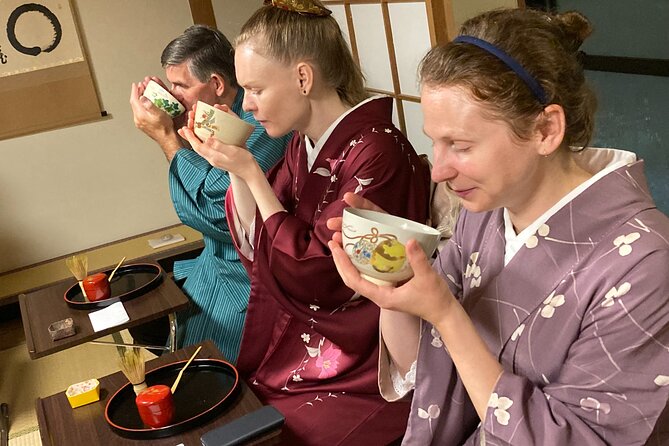
If you want a one-and-done cultural experience on Miyajima—kimono, matcha, tea ceremony, and calligraphy—this is an easy yes. The best part is that you participate in the real actions: whisking matcha, practicing strokes for calligraphy, and getting properly dressed for the setting.
Book it especially if you care about guidance and comfort. The small group, lots of help with dressing, and frequent photo support make it feel like the staff is invested in making you look good and understand what you’re doing.
Consider another option only if you’re trying to pack Miyajima like an all-day marathon. Because this is about 1.5 hours, you’ll want separate time for roaming—otherwise your day can feel too scheduled.
FAQ
What activities are included in this Miyajima experience?
You’ll wear a kimono, make matcha, take part in a tea ceremony, and do a calligraphy lesson at the temple setting.
How long does the experience take?
The duration is listed as about 1 hour 30 minutes, with the main temple stop scheduled for around 2 hours.
Where do I meet the group?
You meet at Okeiko Japan Miyajima, 741-1 Miyajimachō, Hatsukaichi, Hiroshima 739-0588, Japan. It’s about a 5-minute walk from the Miyajima ferry port toward Tokujuji.
What time options are available?
There are morning and afternoon start times, which gives you more flexibility.
What are the age limits and group size?
The minimum age is 6. The maximum group size is 8 travelers.
Is the temple admission included?
The scheduled stop lists admission ticket free.
If I cancel, will I get a refund?
Yes, free cancellation is available if you cancel at least 24 hours before the experience starts for a full refund.